

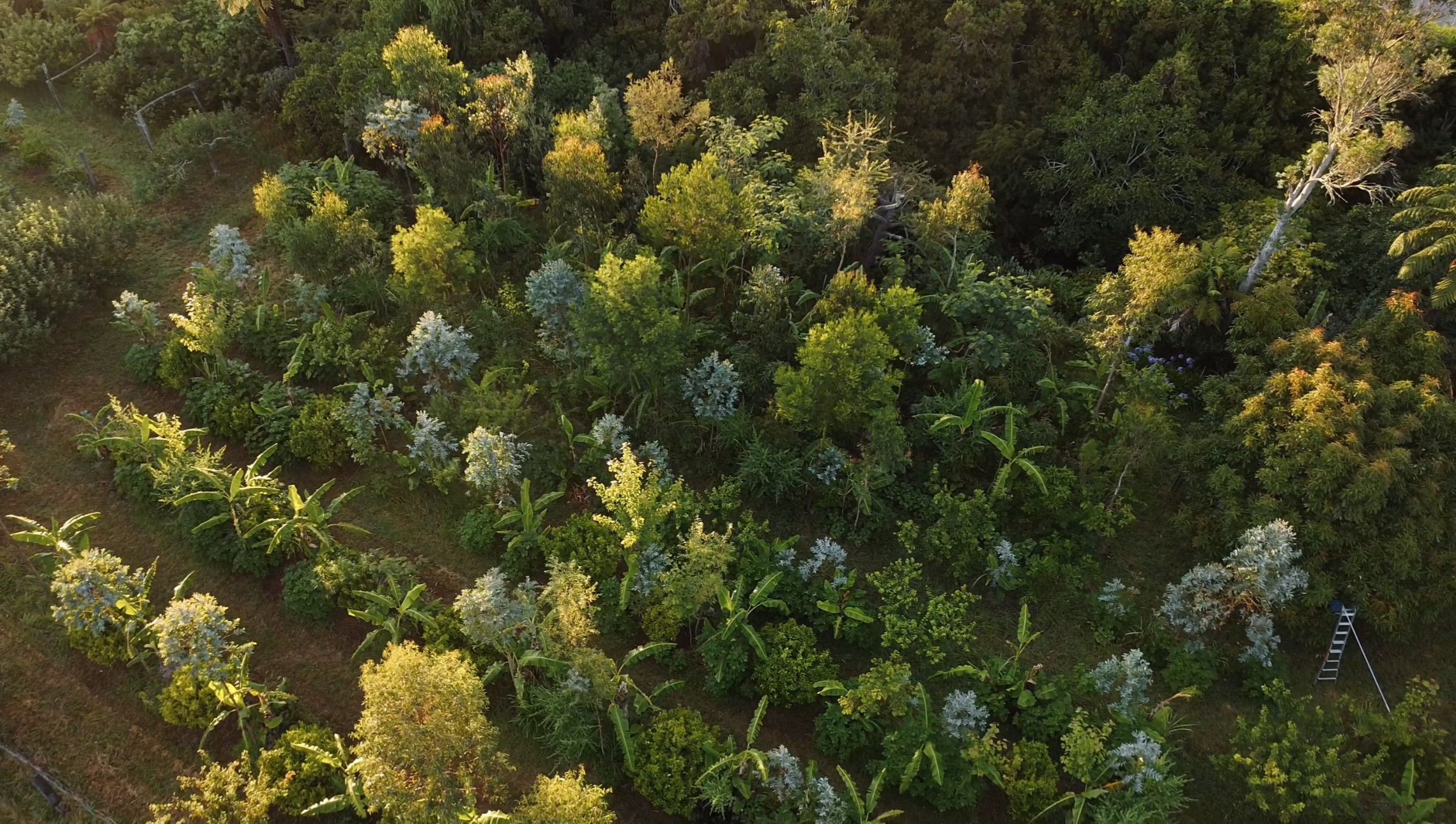
Grow a thriving food forest with expert guidance. We design, install, and manage resilient, high-yield landscapes using cutting-edge syntropic agroforestry. From urban backyards to regenerative farms and orchard retrofits, we create abundant, self-sustaining systems tailored to your land and vision. Serving New Zealand, Australia, USA & beyond at FOOD-FORESTRY.com
Supporting Indigenous Food Systems – Upland Agricultural Consulting
Upland Agricultural Consulting is committed to supporting First Nation, Métis, and Inuit Communities. We believe that investing in Indigenous communities leads to the success of British Columbia, and Canada. As Professional Agrologists, we want to see agriculturally-capable land being brought into full production. To meet that goal, we work alongside Indigenous leadership and staff to create agri-food suitability assessments based on the capacity of the land and the community and to meet the desired level of business development.

Connecting New Farmers to Business Tools & Mentorship
Check out our Business Tools for new farmers to support skills development to run ecologically sustainable and financially viable farm businesses!

GainForest — Biodiversity Observations & Nature Projects
Explore field observations, biodiversity records, and nature projects from communities and organizations using GainForest.
GainForest — Biodiversity Observations & Nature Projects
Explore field observations, biodiversity records, and nature projects from communities and organizations using GainForest.
GainForest — Biodiversity Observations & Nature Projects
Explore field observations, biodiversity records, and nature projects from communities and organizations using GainForest.
https://www.thegardensaltspring.com/The Garden Salt Spring Island | cold-hardy citrus & avocado production in Canada | growing healthy soils & nutrient dense food | anaerobic digestion & Johnson-Su
The Garden is an innovative farm in Canada's Pacific Southwest. It focuses on developing resource-efficient systems for greenhouse and orchard production. It applies regenerative practices for on-farm nutrient cycling. The farm operates a small-scale anaerobic digester, has extensive rainwater catchment, and assesses progress with on-farm analysis of soil and plants using Soil Food Web microscopy, brix, and off-farm leaf sap analysis. Visit our blog, YouTube channel and workshop opportunities.
Forest Gardens
A regenerative farm & permaculture education center on Salt Spring Island. Soil amendments, nursery plants, farm produce & design courses — growing in service to life.

Freedom Forest Life
Blossoming Permaculture FOOD FOREST With OVER 100 Edible Plants & Trees - Zone 9a - UK

Videos - Toby Hemenway
Online Workshop: Food Forest Design and Care for Cities and Suburbs (November 2013)
Home page
Do you have a land based project, forest or homestead in need of guidance? Get professional support in permaculture design, forestry, regenerative land management and stewardship.
A social-ecological framework for analyzing and designing integrated crop–livestock systems from farm to territory levels
Integrated crop–livestock systems are often considered a promising way to address agricultural sustainability issues. Many authors claim that complementarities and synergies between crops and livestock can improve nutrient cycling and delivery of ecosystem services (ES) in agricultural systems. They have analyzed effects of interactions at the farm level and affirmed the potential advantage of developing crop–livestock interactions at the territory level. However, potential benefits of developing synergies beyond the farm level have not been clearly identified. Thus, we developed a conceptual framework that can be used to analyze, design and perform integrated assessment of crop–livestock systems at the territory level. To address crop–livestock interaction issues, we define it as a social-ecological system called the territorial crop–livestock system (TCLS). The ecological system is represented as three interacting components, crops, grasslands and animals, allowing description of various land uses and their potential effects on nutrient cycling and ES. The social system, represented as farmers interacting with natural-resource managers and agro-food chain actors, determines land use and the nature and intensity of ES delivered. We highlight the importance of coordination and learning among actors to support implementation of complex adaptive systems such as TCLSs. We illustrate the expressive power of our conceptual framework through development of a generic typology of crop–livestock systems. Then we show how our conceptual framework can be used as an intermediary object with stakeholders in participatory design approaches. We illustrate this process by representing four archetypal TCLSs. We provide an example of the design approach implemented in Southwestern France to address severe recurrent water shortages, which includes analysis of land use in the current crop–livestock system and the associated key metabolic and ES issues, identification of options for change and multi-criteria analysis of these options. We conclude that this framework shows great potential to support development of sustainable farming systems at the territory level.
openfarmcc/OpenFarm
A free and open database for farming and gardening knowledge. You can grow anything!
openfarmcc/OpenFarm
A free and open database for farming and gardening knowledge. You can grow anything!
The Best of Helen Atthowe & Veganic Permaculture — No-Till Growers
Helen and her late husband Carl have been innovative and prolific in their integration of permaculture concepts into commercial production, especially with regard to fruit trees. There’s so much to share about the work they have done. Let’s just get to it. First, here is a list of ten ecological pr

INVESTING IN REGENERATIVE AGRICULTURE AND FOOD
THE INVESTING IN REGENERATIVE AGRICULTURE AND FOOD PODCASTThrough 400+ interviews with farmers, investors, scientists, and entrepreneurs, the podcast puts the spotlight on the pioneers in the regenerative food and agriculture space to learn more on how to put our money to work to regenerate soil, people, local communities and ecosystems while making an appropriate and fair return.
GainForest — Fund Regenerative Impact
GainForest connects funders with nature stewards doing on-ground regenerative work. Fund verified environmental impact directly.