


By Ryan Bethencourt As I write this article, I’m reflecting on the long expanses of otherworldly playa I’ve just left, watching sandstorms pass in front of me while in altered mental states and contemplating the future of our beloved biotech industry. I have, until recently been living a double life with one [...]
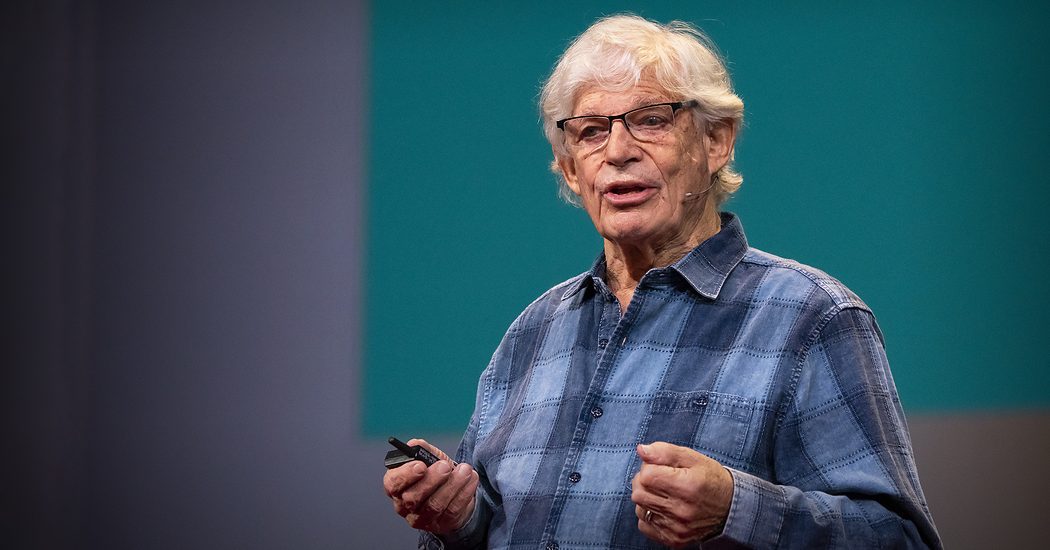
Stuart Kauffman: The "adjacent possible" — and how it explains human innovation
From the astonishing evolutionary advances of the Cambrian explosion to our present-day computing revolution, the trend of dramatic growth after periods of stability can be explained through the theory of the "adjacent possible," says theoretical biologist Stuart Kauffman. Tracing the arc of human history through the tools and technologies we've invented, he explains the impact human ingenuity has had on the planet -- and calls for a shift towards more protection for all life on Earth.
Steve Jurvetson on investing industrial biotech at SynBioBeta SF 2013
A Biology and Business Worthy of Life – The Paradigm Shift of Organisms and Organisations
I would like in this article to first bring your attention to a project from Stephen L. Talbott who is a Senior Researcher and Publications Editor at The Nature Institute. The project is titled Bio…

b.next: rebuilding biology for engineering
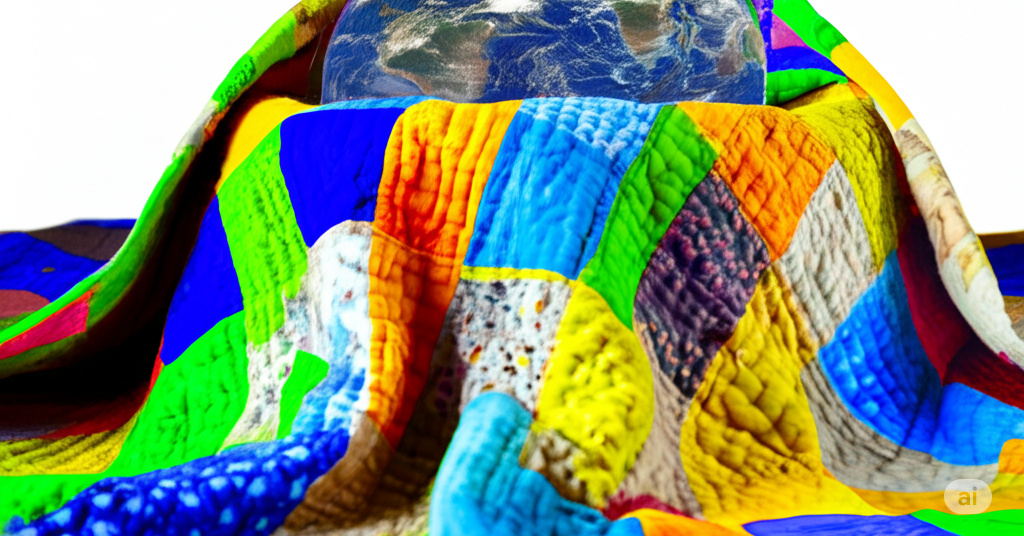
Societal and technological progress as sewing an ever-growing, ever-changing, patchy, and polychrome quilt — LessWrong
We can just drop the axiom of rational convergence.
Ellen Jorgensen: Biohacking -- you can do it, too
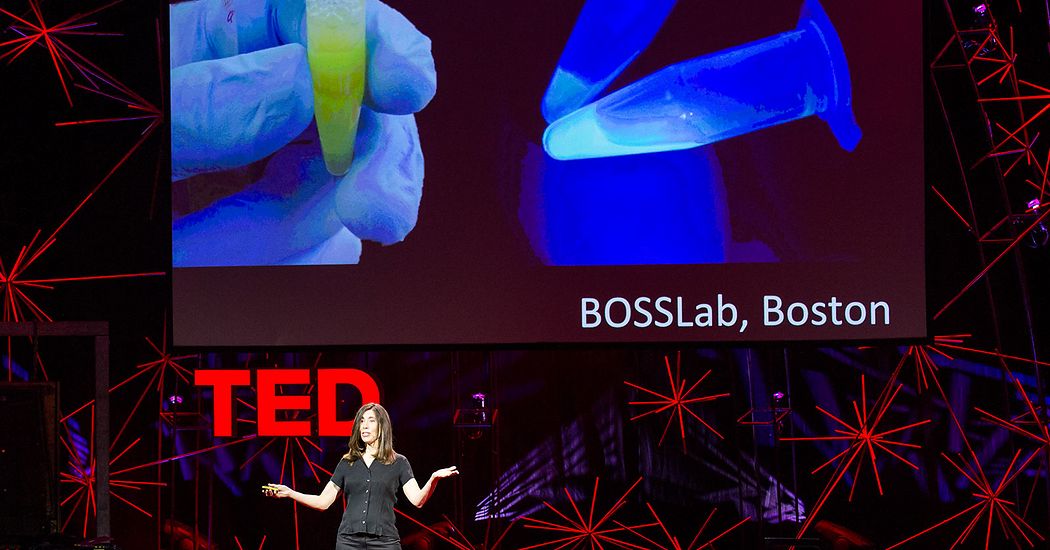
We have personal computing -- why not personal biotech? That's the question biologist Ellen Jorgensen and her colleagues asked themselves before opening Genspace, a nonprofit DIY bio lab in Brooklyn devoted to citizen science, where amateurs can go and tinker with biotechnology. Far from being a sinister Frankenstein's lab (as some imagined it), Genspace offers a long list of fun, creative and practical uses for DIY bio.
Design in The Age of Biology: Shifting From a Mechanical-Object Ethos to an Organic-Systems Ethos
In the early twentieth century, our understanding of physics changed rapidly; now, our understanding of biology is undergoing a similar rapid change.
Metascience Since 2012: A Personal History
This essay is a personal history of the $60+ million I allocated to metascience starting in 2012 while working for the Arnold Foundation (now Arnold Ventures).
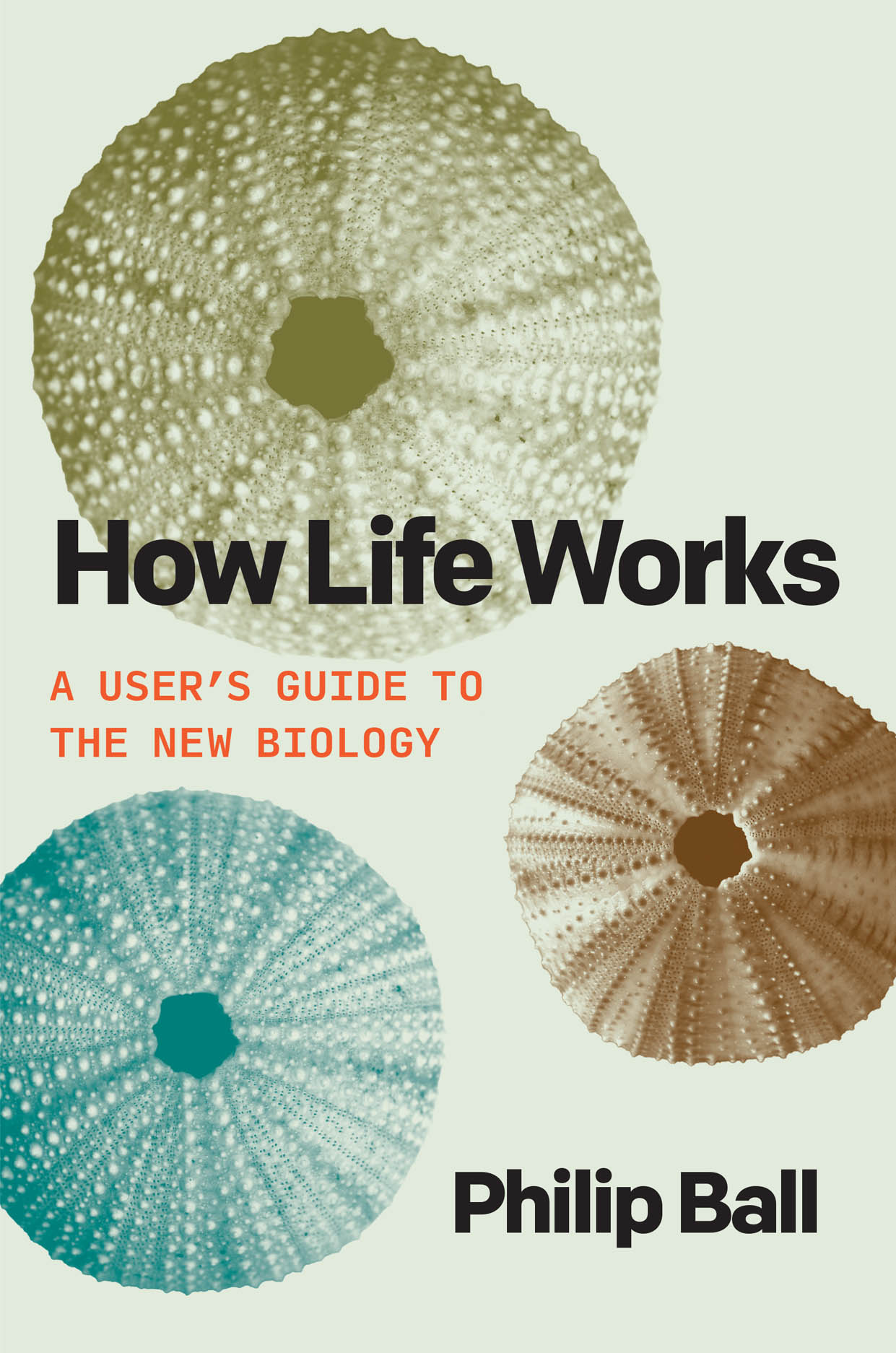
How Life Works: A User’s Guide to the New Biology
“Bold and intriguing.”—Wall Street Journal • “Penetrating. . . . Provocative and profound.”—Publishers Weekly (starred review) • “Offers plenty of food for thought.”—Kirkus Reviews (starred review) “Ball’s marvelous book is both wide-ranging and deep. . . . I could not put it down.”—Siddhartha Mukherjee, author of The Song of the Cell and the Pulitzer Prize–winning The Emperor of All Maladies A new, cutting-edge vision of biology that revises our understanding of what life itself is, how to enhance it, and what possibilities it offers. Biology is undergoing a quiet but profound transformation. Several aspects of the standard picture of how life works—the idea of the genome as a blueprint, of genes as instructions for building an organism, of proteins as precisely tailored molecular machines, of cells as entities with fixed identities, and more—have been exposed as incomplete, misleading, or wrong. In How Life Works, Philip Ball explores the new biology, revealing life to be a far richer, more ingenious affair than we had guessed. Ball explains that there is no unique place to look for an answer to this question: life is a system of many levels—genes, proteins, cells, tissues, and body modules such as the immune system and the nervous system—each with its own rules and principles. How Life Works explains how these levels operate, interface, and work together (most of the time). With this knowledge come new possibilities. Today we can redesign and reconfigure living systems, tissues, and organisms. We can reprogram cells, for instance, to carry out new tasks and grow into structures not seen in the natural world. As we discover the conditions that dictate the forms into which cells organize themselves, our ability to guide and select the outcomes becomes ever more extraordinary. Some researchers believe that ultimately we will be able to regenerate limbs and organs, and perhaps even create new life forms that evolution has never imagined. Incorporating the latest research and insights, How Life Works is a sweeping journey into this new frontier of the life sciences, a realm that will reshape our understanding of life as we know it.
Triggers: Introducing the Technosphere | Peter K. Haff

Sources — Belshaw Brain Archive
These blogs are now archived and redirect here. Doug currently writes at Substrate, a digital garden of notes, ideas, and reflections.
Sources — Belshaw Brain Archive
These blogs are now archived and redirect here. Doug currently writes at Substrate, a digital garden of notes, ideas, and reflections.
Sources — Belshaw Brain Archive
These blogs are now archived and redirect here. Doug currently writes at Substrate, a digital garden of notes, ideas, and reflections.
📚 STEM - Tech

Deep dives in technology
The Garden

Everything is connected. The master collection of all links collected across all collections, and a pretty decent snapshot of my brain
Neurotech (by Teon) — Semble
Women in Tech (by Bee 🐝) — Semble
AI (+ nuance) (by Bee 🐝) — Semble
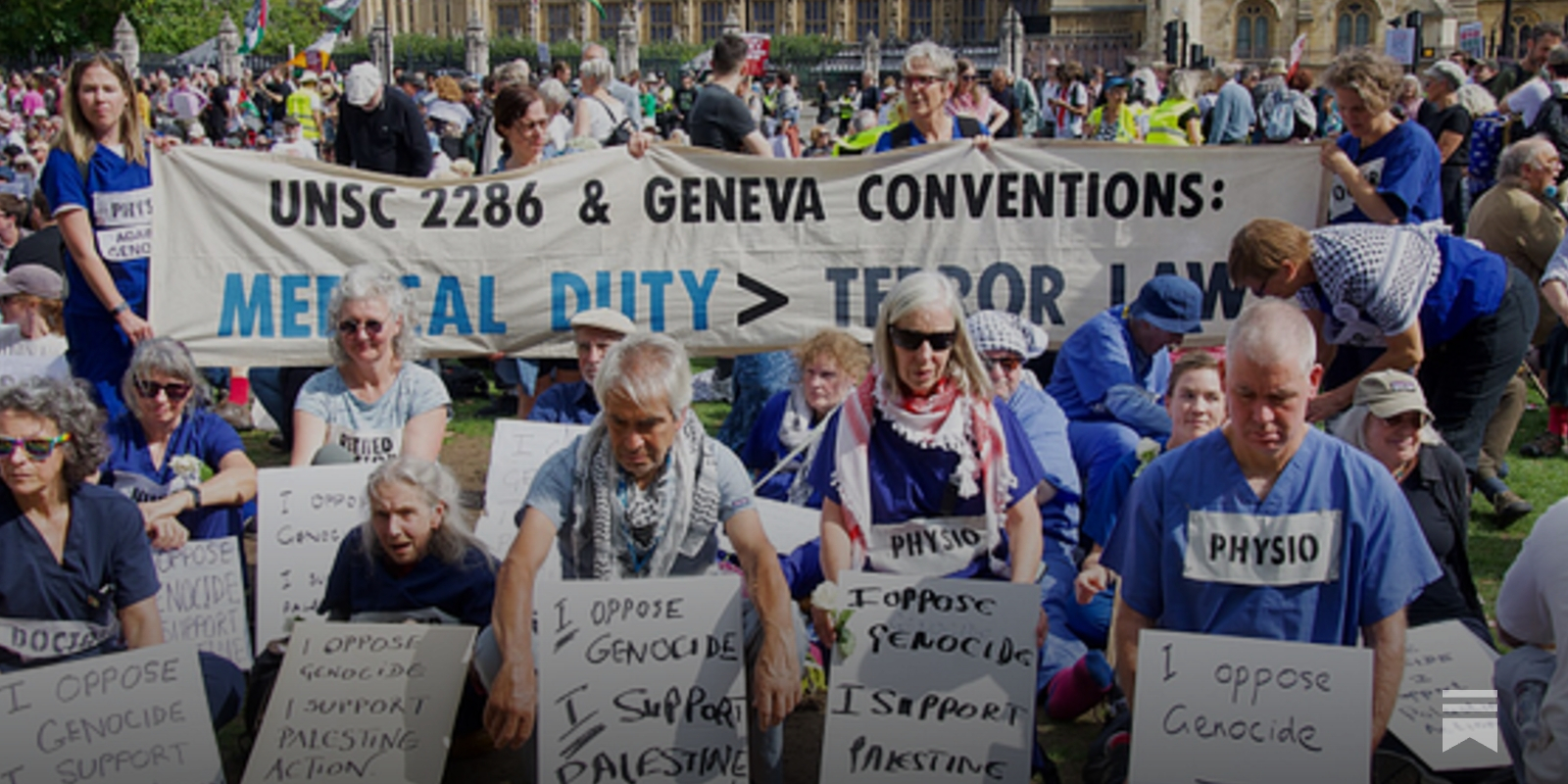
Palestine Action

The Money Behind Hakeem Jeffries

Child Predators Turn to Open-Source AI to Make Unlimited Illegal Images

A senator tried to ban gambling on prediction markets—now she's a Kalshi lobbyist

Mac Users Reclaim 12GB+ of Storage With Apple Intelligence Removal Tool

Revealed: Britain's contracts with Palantir hit £1bn