


The catastrophic collapse of norms against the use of force.
Norm Dynamics: Interdisciplinary Perspectives on Social Norm Emergence, Persistence, and Change
Social norms are the glue that holds society together, yet our knowledge of them remains heavily intellectually siloed. This article provides an interdisciplinary review of the emerging field of norm dynamics by integrating research across the social sciences through a cultural-evolutionary lens. After reviewing key distinctions in theory and method, we discuss research on norm psychology—the neural and cognitive underpinnings of social norm learning and acquisition. We then overview how norms emerge and spread through intergenerational transmission, social networks, and group-level ecological and historical factors. Next, we discuss multilevel factors that lead norms to persist, change, or erode over time. We also consider cultural mismatches that can arise when a changing environment leads once-beneficial norms to become maladaptive. Finally, we discuss potential future research directions and the implications of norm dynamics for theory and policy.

Leave Tyrants in the Ground
By unhooking ourselves from fossil fuels, we release ourselves from a world of harm.

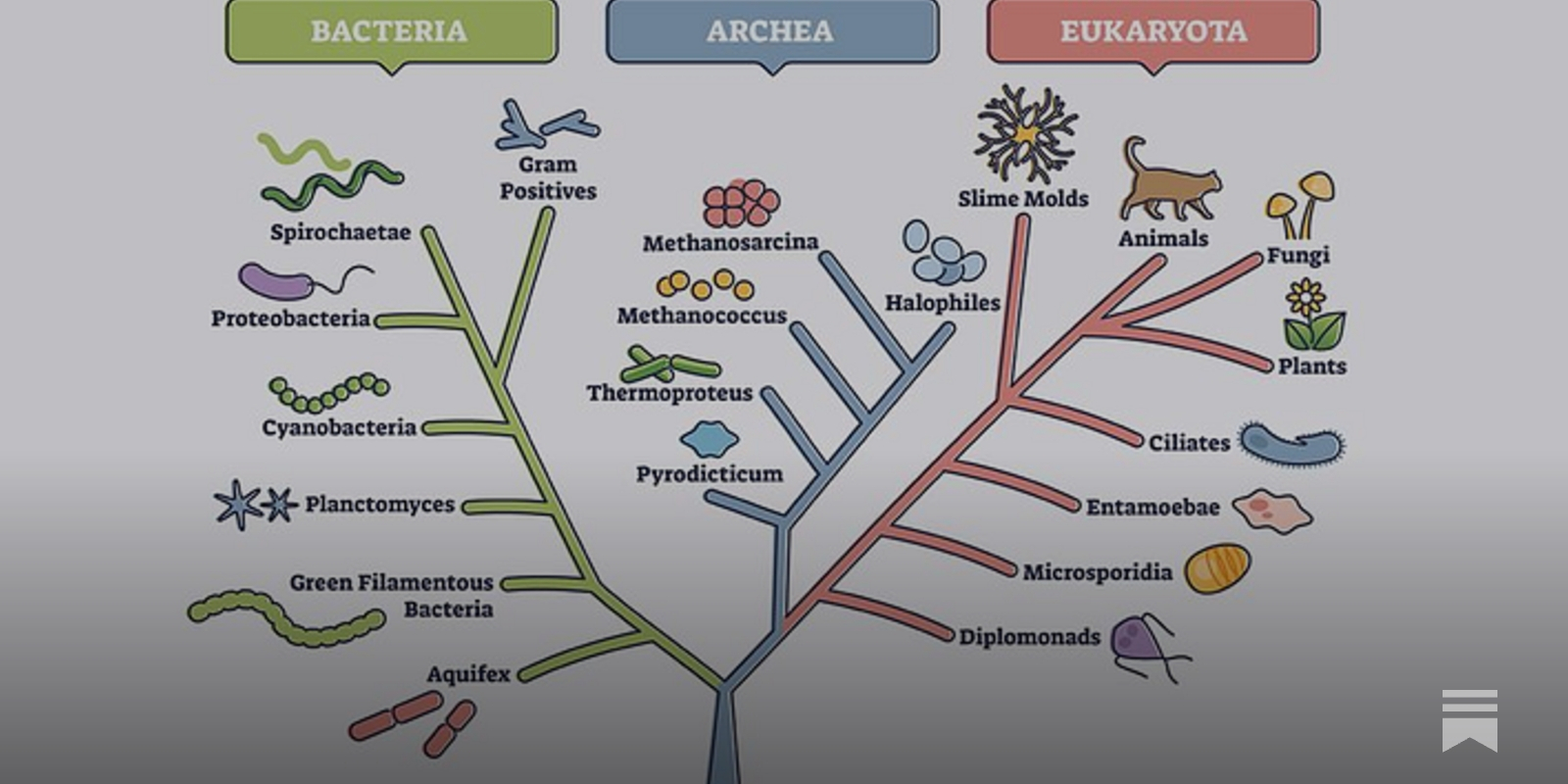
Norms: An Integrated Framework
Norms are a foundational concept in sociology. Following a period of skepticism about norms as overly deterministic and as paying too little attention to social conflict, inequalities, and agency, the past 20 years have seen a proliferation of norms research across the social sciences. Here we focus on the burgeoning research in sociology to answer questions about where norms come from, why people enforce them, and how they are applied. To do so, we rely on three key theoretical approaches in the literature—consequentialist, relational, and agentic. As we apply these approaches, we explore their implications for what are arguably the two most fundamental issues in sociology—social order and inequality. We conclude by synthesizing and building on existing norms research to produce an integrated theoretical framework that can shed light on aspects of norms that are currently not well understood—in particular, their change and erosion.

The Crooked Timber of AI
The philosophical perils of conflating discoveries and inventions, and how to overcome them

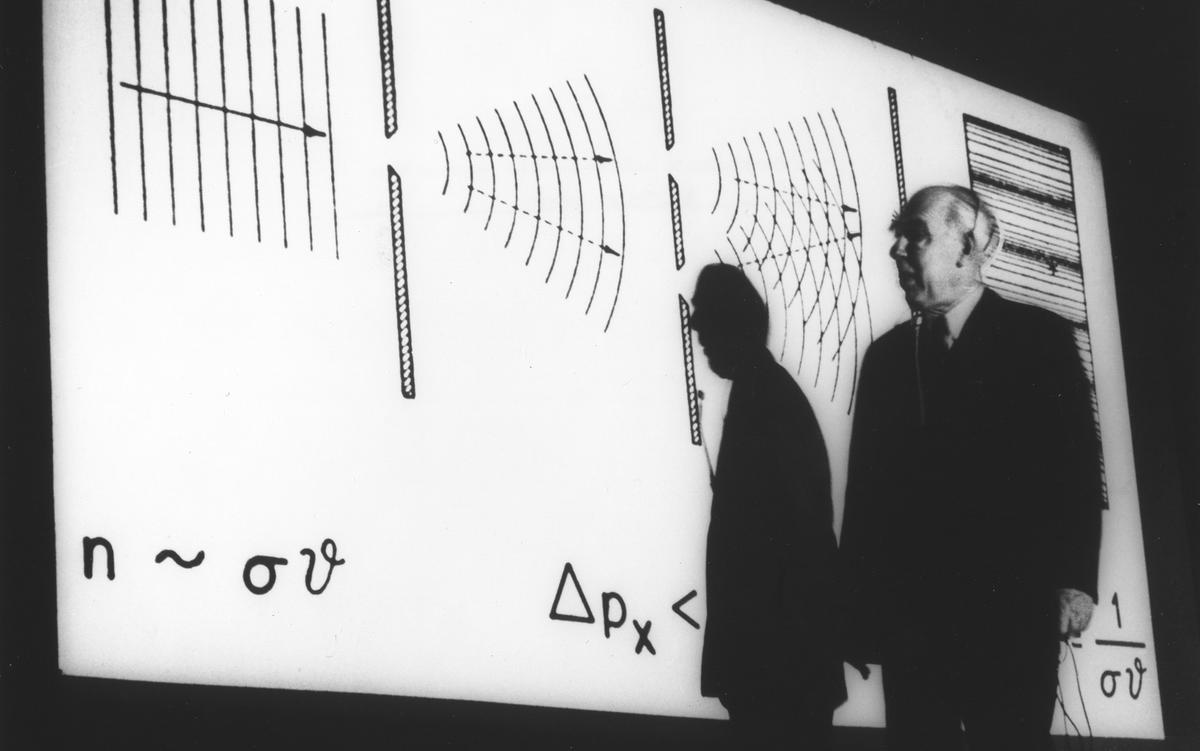
‘Shut up and calculate’ does a disservice to quantum mechanics | Aeon Essays
The cliché has it that the Copenhagen interpretation demands adherence without deep enquiry. That does physics a disservice
The one science reform we can all agree on, but we're too cowardly to do
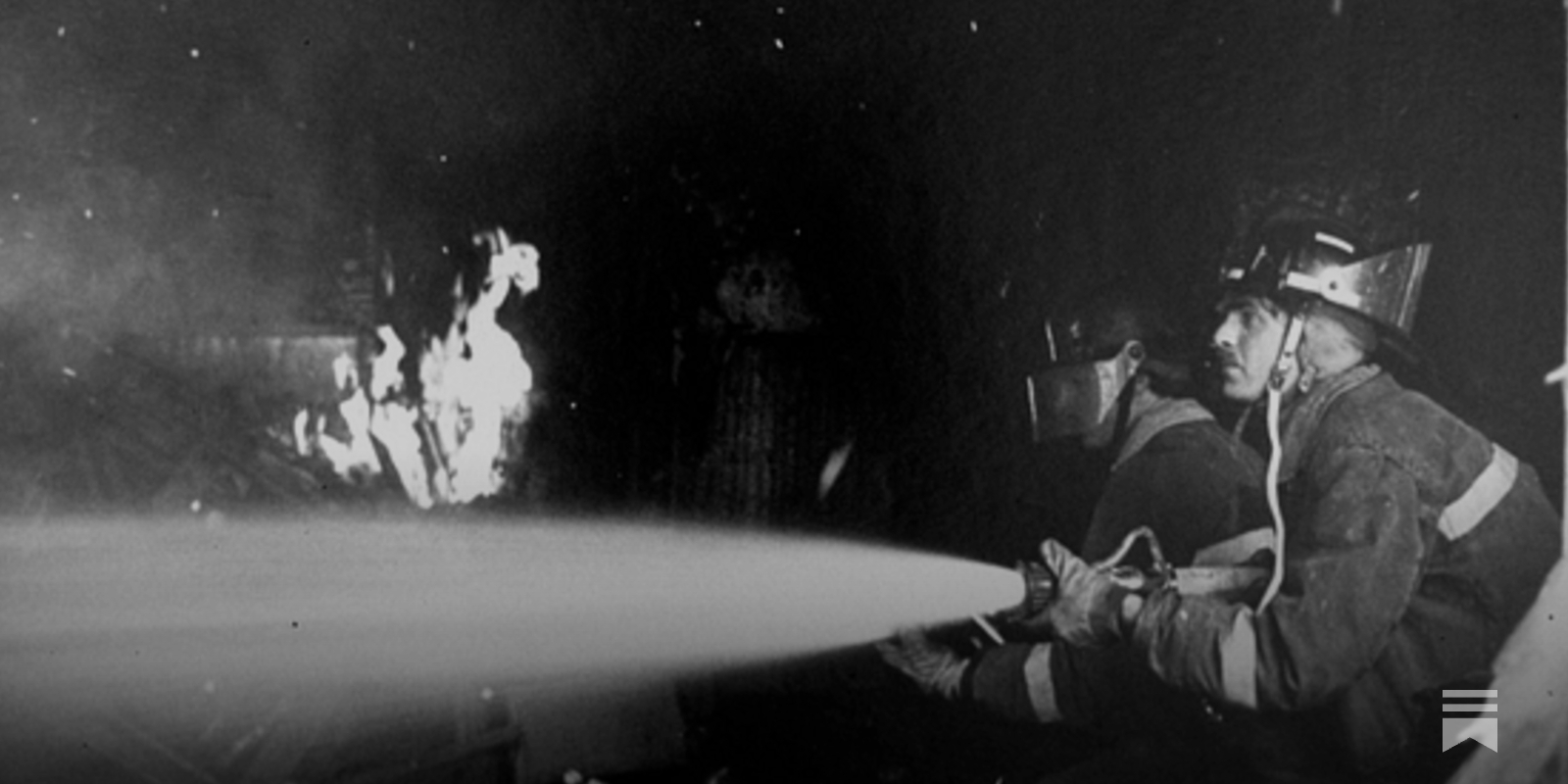
OR: the long overdue forest fire
The Ambidextrous Universe
The Ambidextrous Universe is a popular science book by Martin Gardner, covering aspects of symmetry and asymmetry in human culture, science and the wider universe. It culminates in a discussion of whether nature's conservation of parity is ever violated, which had been proven experimentally in 1956.

Grow like Trees: An Organic Approach to Societal Regrowth
2026 is the year that system breakdown became impossible to deny. Democratic norms, societal norms, rule of law, the fabric of the social contract tearing as we watch. Or hide, unwilling or unable to face the unravelling. The hopeful among us see opportunity through the dark. Tentatively or boldly we

Kill Math
The power to understand and predict the quantities of the world should not be restricted to those with a freakish knack for manipulating abstract symbols.
‘Self-termination is most likely’: the history and future of societal collapse
An epic analysis of 5,000 years of civilisation argues that a global collapse is coming unless inequality is vanquished

"Powerful AI can statically help human decision-makers, but can harm collective knowledge building... it can lead to what we call “knowledge collapse” whereby in the long-run all human knowledge is ultimately destroyed.” economics.mit.edu/sites/default/files/2026-02/A…
"what if engineering a scientific revolution is, at least in part, a problem of organizing humans and coordinating effort?" uniconq.substack.com/p/the-ground-truth-institute h/t @ranganaut.bsky.social

The Ground Truth Institute
uniconq.substack.comHere’s relevant paper on #metascience lit from 2018, 7 years and a pandemic ago. This hasn’t been hypothetical or hard to see. During the pandemic science reform was weaponized by Ioannidis, Prasad, Bhattacharya, etc and lives were lost. pnas.org/doi/10.1073/pnas.1708276114

Crisis or self-correction: Rethinking media narratives about the well-being of science | PNAS
www.pnas.org


