

Strategic interdependence is rewiring the global economy
It is no longer sufficient for the US-China trade relationship to be driven solely by cost and efficiency

Trump’s tariffs: Disregarding lessons from history and scenarios and probable outcomes
History is full of evidence that tariffs harm economic performance. This column assesses the two waves of globalisation in modern history and how they were interrupted by barriers to trade. The first wave started in the mid-19th century and lasted until WWI, while the second wave started after WWII and lasted until the Global Crisis of 2008-09. The most likely scenario going forward will feature tariffs around 12-14% on average, a mild recession, and a small hit to US longer-run potential. However, achieving diplomatic normalcy may take years of good US behaviour, and it is unlikely during the Trump administration.
America's been arguing over trade for more than 250 years
As the United States marks the 250th anniversary of declaring its independence from Britain, Americans continue a tradition begun even longer ago: debating trade and tariffs. In recent years, disagreements over the US role in the world economy have grown particularly intense amid rising geopolitical tensions. A brief look at history offers an opportunity to reflect on the importance of international trade to the US economy over time.
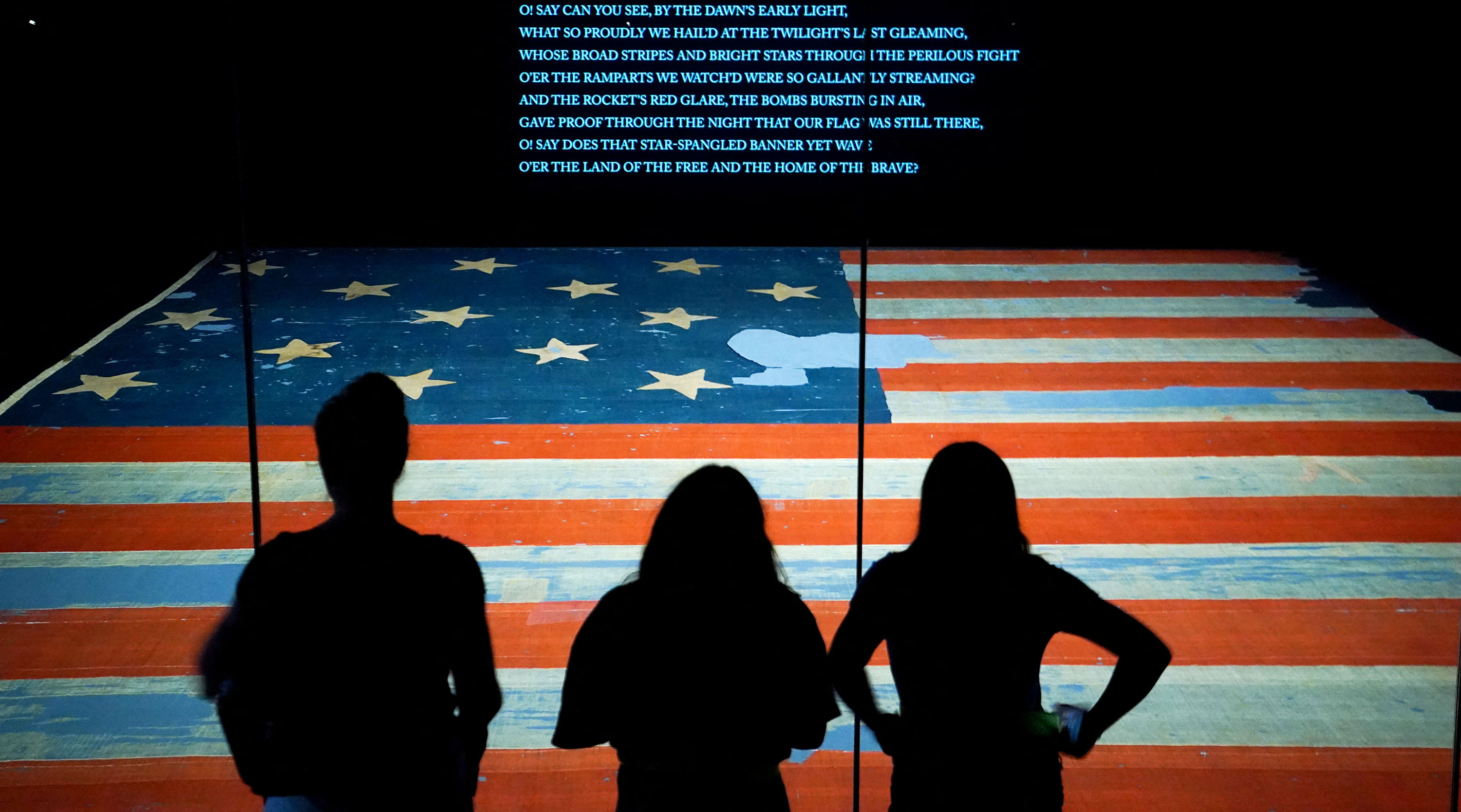
L'ère de la fragmentation opportuniste : penser la finance du développement après Trump | Le Grand Continent
« America First is not America alone ». Sur le multilatéralisme et les institutions de Bretton Woods, Washington tente par tous les moyens de tordre à son avantage le système — sans en sortir complètement. La finance du développement pourrait être à un tournant. En cartographiant cette mutation, Martin Kessler formule des hypothèses sur la forme que prendrait le nouvel ordre.
The bazooka diplomacy of Trump’s tariffs
President Trump’s recent pronouncements on tariffs have received considerable attention from analysts, policymakers, and commentators. This column takes a step back and considers some of the broader arguments for raising tariffs – revenue, restriction, and reciprocity – and the potential repercussions. Even if Trump does not proceed with (all of) the announced tariffs, the increased uncertainty is likely to put off firms from trading with or from the US, lowering US exports and imports beyond the imposition of higher tariffs. In the longer term, we can expect a gradual decoupling of trade between the US and other countries.
European strategic autonomy as a double-edged sword? US perspectives in an Era of Sino-American competition
As the United States seeks to prioritise ‘competition with China’, debates have emerged about how this affects US engagements elsewhere. Europe occupies a contested role in this discussion. Traditi...

The Predatory Hegemon
Ever since Donald Trump first became U.S. president, in 2017, commentators have searched for an adequate label to describe his approach to U.S. foreign relations. Writing in these pages, the political scientist Barry Posen suggested in 2018 that Trump’s grand strategy was “illiberal hegemony,” and the analyst Oren Cass argued last fall that its defining essence was a demand for “reciprocity.” Trump has been called a realist, a nationalist, an old-fashioned mercantilist, an imperialist, and an isolationist.

How Xi sparked China’s electricity revolution
Beijing’s aggressive pursuit of energy self-sufficiency could give it the upper hand in the trade war with the US

We need an international alliance against the US and its tech industry
The United States must face consequences for economic warfare

The long game: China's grand strategy to displace American order | Brookings
What are China’s ambitions, and does it have a grand strategy to achieve them? If it does, what is that strategy, what shapes it, and what should the United States do about it? Rush Doshi attempts to provide an answer in his new book, "The Long Game."
Welcome to the new age of geoeconomics
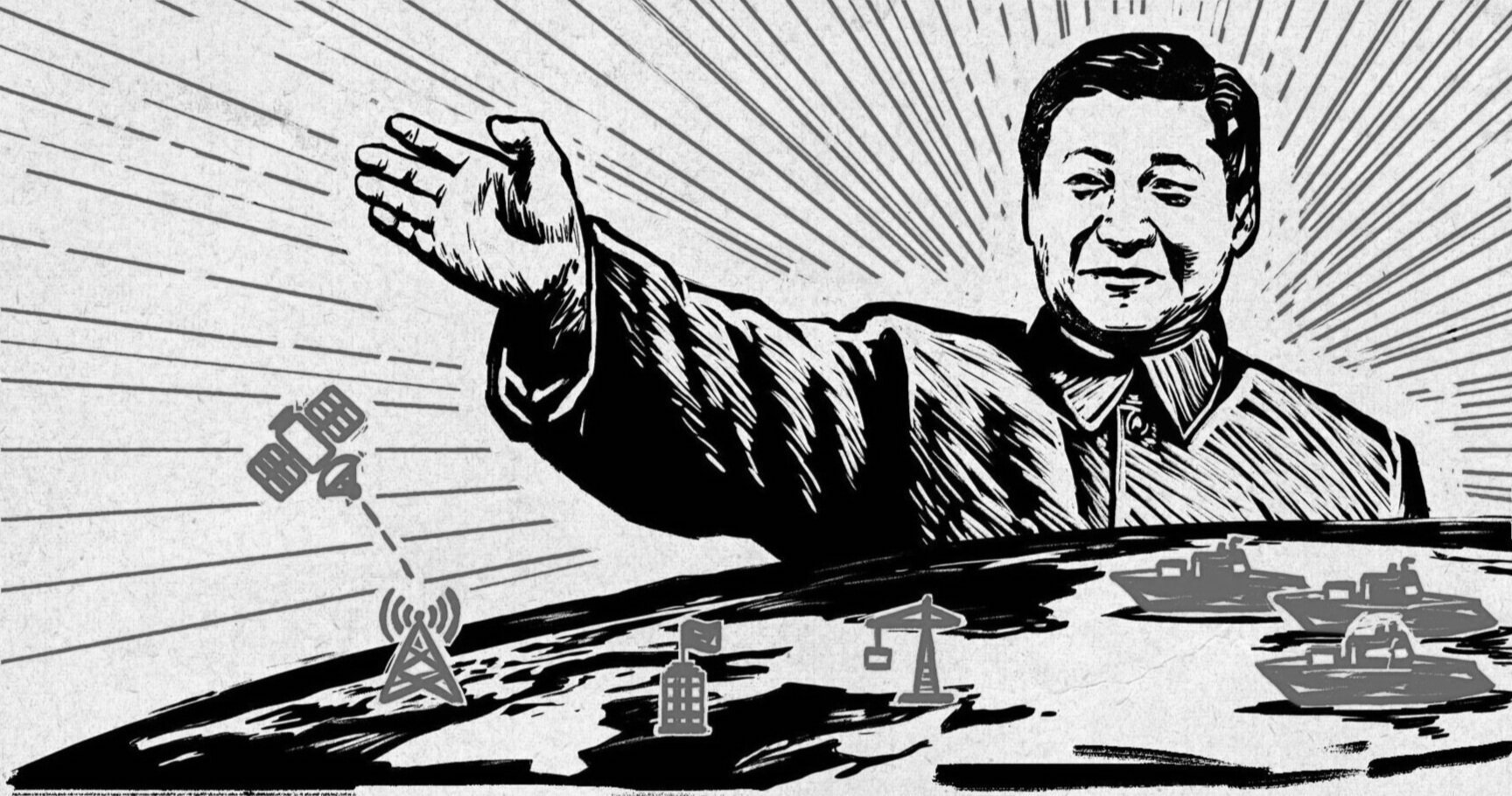
Tech, trade, finance and military policies are mingling in a manner not seen during the neoliberal era

How to Hide an Empire: A History of the Greater United …
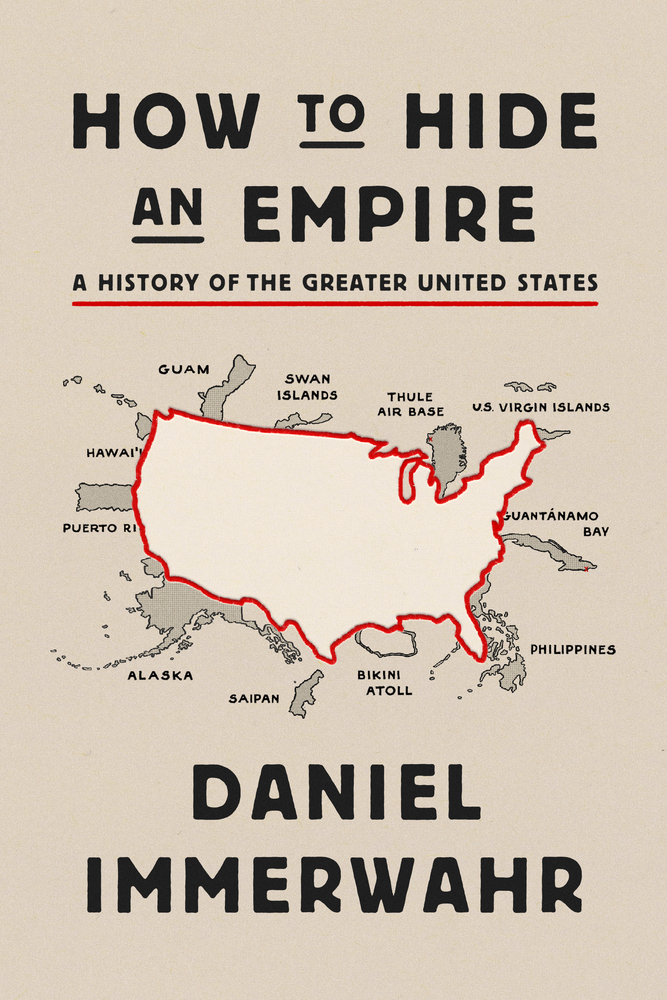
A pathbreaking history of the United States' overseas p…
Regime Change: Inside the Imperial Presidency of Donald Trump
INSTANT #1 NEW YORK TIMES BESTSELLER “Regime Change is exceptional. It transcends its genre...the book is packed with news that will stay news...This is reporting of consequence.” —David Remnick, The New Yorker “A flabbergasting feat of political reporting.” —Tina Brown “Riveting and richly textured...What the authors add is the vivid detail that makes these events feel actual. They wrest reality itself back from the distorted world of entertainment, illusion, fantasy, and denial that Trump has generated around himself. It is this flood of provocation, atrocity, self-dealing, and fabrication that makes Haberman and Swan’s counternarrative so vital.” —Fintan O’Toole, The New York Times A riveting, intimate, and revelatory account of the most radical and consequential presidency of our time.From the two reporters who have covered him more closely than perhaps anyone else over the past decade comes this definitive portrait of Donald Trump in the White House. Regime Change covers the first year of Trump’s second presidency—a term liberated from every constraint that defined his first. The generals who once told him “no” are gone, and the lawyers who remain have learned to pick their battles. His administration has flouted court orders and he has claimed powers that Congress once checked. What remains is a President willing to take enormous risks that have upended global markets and toppled heads of state; an imperial President operating almost entirely on instinct alone. Based on hundreds of interviews and unprecedented reporting from deep within the administration’s most closely guarded rooms, Regime Change takes the reader inside the Situation Room and into the secret Oval Office deliberations that have launched a new war in the Middle East and seen Trump seal the border, surge National Guard troops into cities, and send immigration agents into deadly clashes with protestors. Maggie Haberman and Jonathan Swan bring us behind the scenes of a presidency that has transformed the culture, turned the Justice Department into an agent of retribution against the President’s enemies and the office itself into a brazen vehicle for profit. They reveal a second term propelled by a historical irony that Trump himself has come to understand: that the indictments, the convictions, the assassination attempts, and four years of exile made him not weaker but far more powerful, more vengeful, and more willing to gamble than any President in modern history. This is the story of how Trump has used that power, who has tried to stop him, and why nearly all of them have failed. It is also the story of something American journalists are more accustomed to chronicling in distant capitals than in their own: a President who has fundamentally altered the nature of the office he holds—and, with it, how the rest of the world understands American power. It is an account of Regime Change right here in America—a landmark real-time history of a modern presidency like no other.
The Triumph of Broken Promises — Harvard University Press
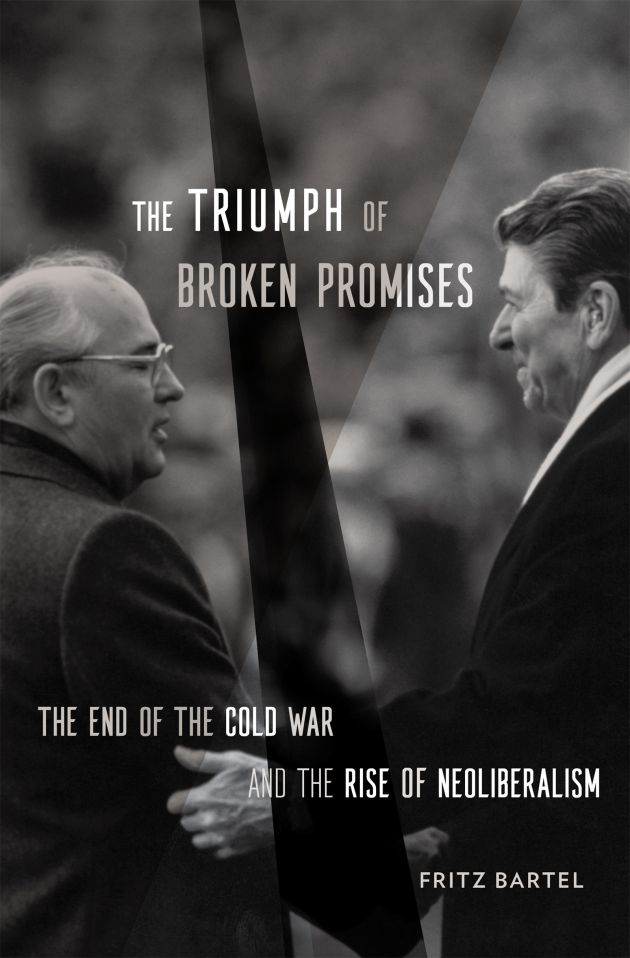
A powerful case that the economic shocks of the 1970s hastened both the end of the Cold War and the rise of neoliberalism by forcing governments to impose austerity on their own people.Why did the Cold War come to a peaceful end? And why did neoliberal economics sweep across the world in the late twentieth century? In this pathbreaking study, Fritz Bartel argues that the answer to these questions is one and the same. The Cold War began as a competition between capitalist and communist governments to expand their social contracts as they raced to deliver their people a better life. But the economic shocks of the 1970s made promises of better living untenable on both sides of the Iron Curtain. Energy and financial markets placed immense pressure on governments to discipline their social contracts. Rather than make promises, political leaders were forced to break them.In a sweeping narrative, The Triumph of Broken Promises tells the story of how the pressure to break promises spurred the end of the Cold War. In the West, neoliberalism provided Western leaders like Ronald Reagan and Margaret Thatcher with the political and ideological tools to shut down industries, impose austerity, and favor the interests of capital over labor. But in Eastern Europe, revolutionaries like Lech Walesa in Poland resisted any attempt at imposing market discipline. Mikhail Gorbachev tried in vain to reform the Soviet system, but the necessary changes ultimately presented too great a challenge.Faced with imposing economic discipline antithetical to communist ideals, Soviet-style governments found their legitimacy irreparably damaged. But in the West, politicians could promote austerity as an antidote to the excesses of ideological opponents, setting the stage for the rise of the neoliberal global economy.
AI, Geopolitics, and National Security (Chapter 8)
Artificial intelligence is reshaping geopolitics by transforming how states generate, interpret, and project power. Rather than producing a single new weapon, AI operates as a general-purpose technology that scales perception, prediction, and decision-making across military, civilian, and informational domains. This chapter argues that AI rivalry increasingly depends on control over material and organizational foundations, including semiconductors, compute infrastructure, data centers, industrial coordination, and institutional adoption. It examines battlefield integration, U.S.–China competition, semiconductor statecraft, cyber operations, information power, and governance. The chapter shows that AI capabilities diffuse rapidly through commercial platforms, open-source ecosystems, and wartime experimentation, while frontier development remains constrained by infrastructure and supply-chain chokepoints. Because AI capability is difficult to measure or verify, governance is shifting away from traditional arms-control models toward export controls, standards, voluntary commitments, and multistakeholder coordination.

When Washington announced a “framework deal” with China in June, it marked a silent shifting of gears in the global political economy. This was not the beginning of U.S. President Donald Trump’s imagined epoch of “liberation” under unilateral American greatness or a return to the Biden administration’s dream of managed great-power rivalry. Instead, it was the true opening of the age of weaponized interdependence, in which the United States is discovering what it is like to have others do unto it as it has eagerly done unto others.