


Righteous victimhood fueled the War on Terror. 25 years later, we also have to remember all of those slain under its banner
“We’ve Been Told There’s Another Plane in the Air and It’s Heading Here”
A 9/11 remembrance and thank you.

Mistakes, mistrust and misdirection: 25 years after 9/11, its dark legacy continues to unfold
The world’s most powerful country responded to the worst terrorist attack in its history by inflicting terror of its own – around the world, and at home

Trump and Hegseth use 9/11 memorial remarks at Pentagon to defend war on Iran
President and defense secretary try to link worst terrorist attack in US history to current unpopular war

Cancer’s toll on 9/11 survivors is accelerating 25 years later
The number of victims receiving aid has tripled in recent years, a Post analysis finds, as the illness’s toll becomes more apparent.

npj on Twitter / X
> The genocide hasn’t jolted the West into either awareness or guilt; there is only the instinct for self-preservation. It’s similar to what Karl Kraus observed about the First World War: “What is revealing is not the occurrence itself, but the numbing that supports and allows… https://t.co/Q0i4dex0Fh— npj (@TiltingatM3) April 30, 2026
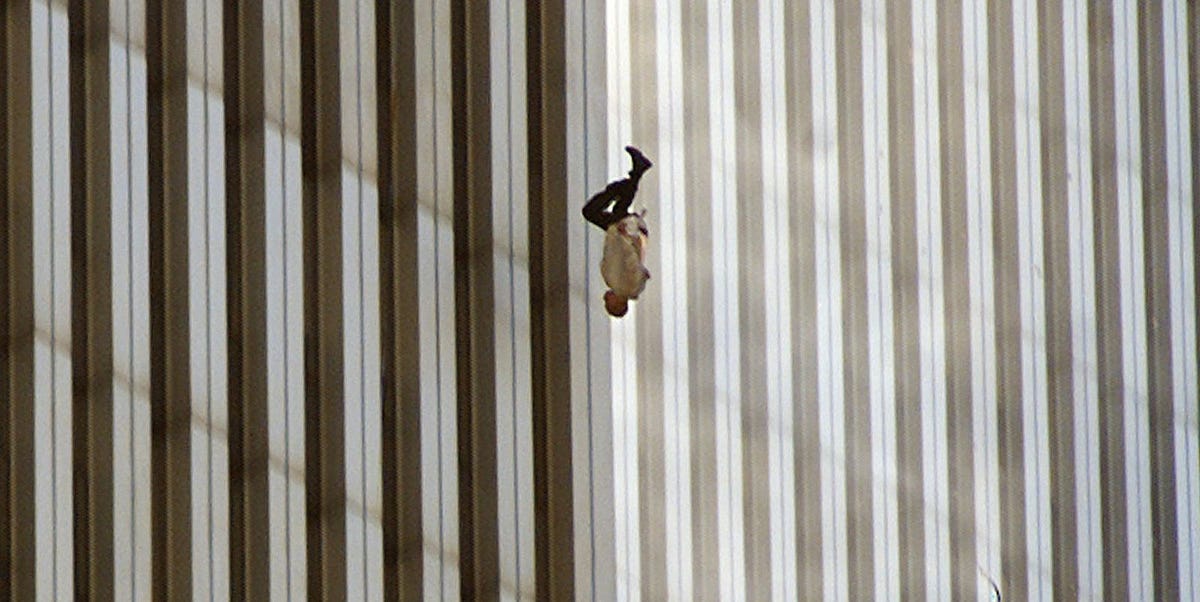
The Falling Man
Do you remember this photograph? In the United States, people have taken pains to banish it from the record of September 11, 2001. The story behind it, though, and the search for the man pictured in it, are our most intimate connection to the horror of that day.
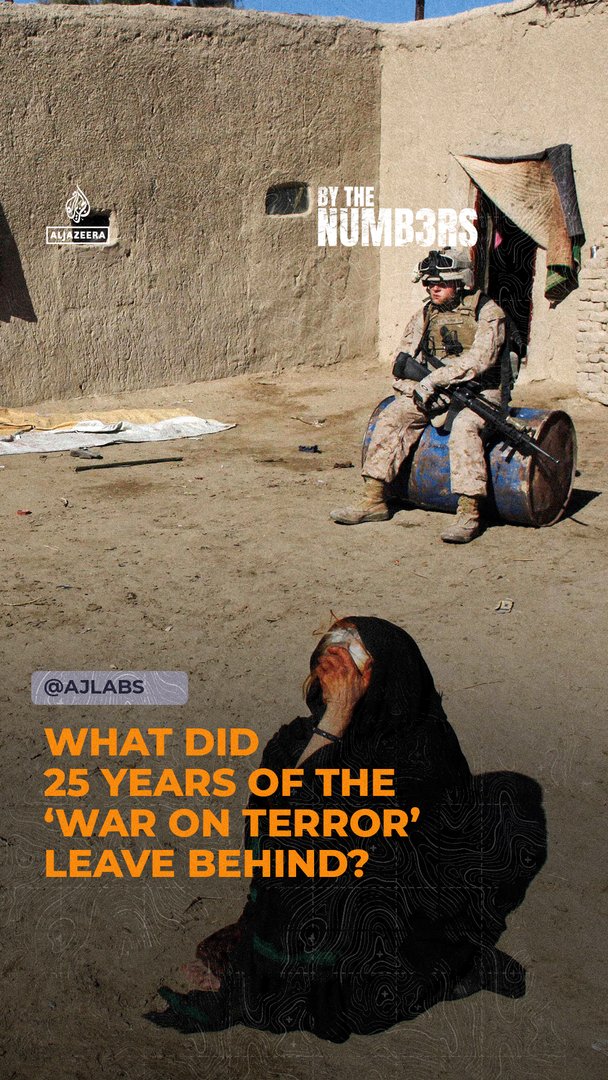
‘War on terror’: How 9/11 changed the language of conflict
The events of September 11, 2001 spawned a new lexicon which effectively sanitised the erosion of human rights.
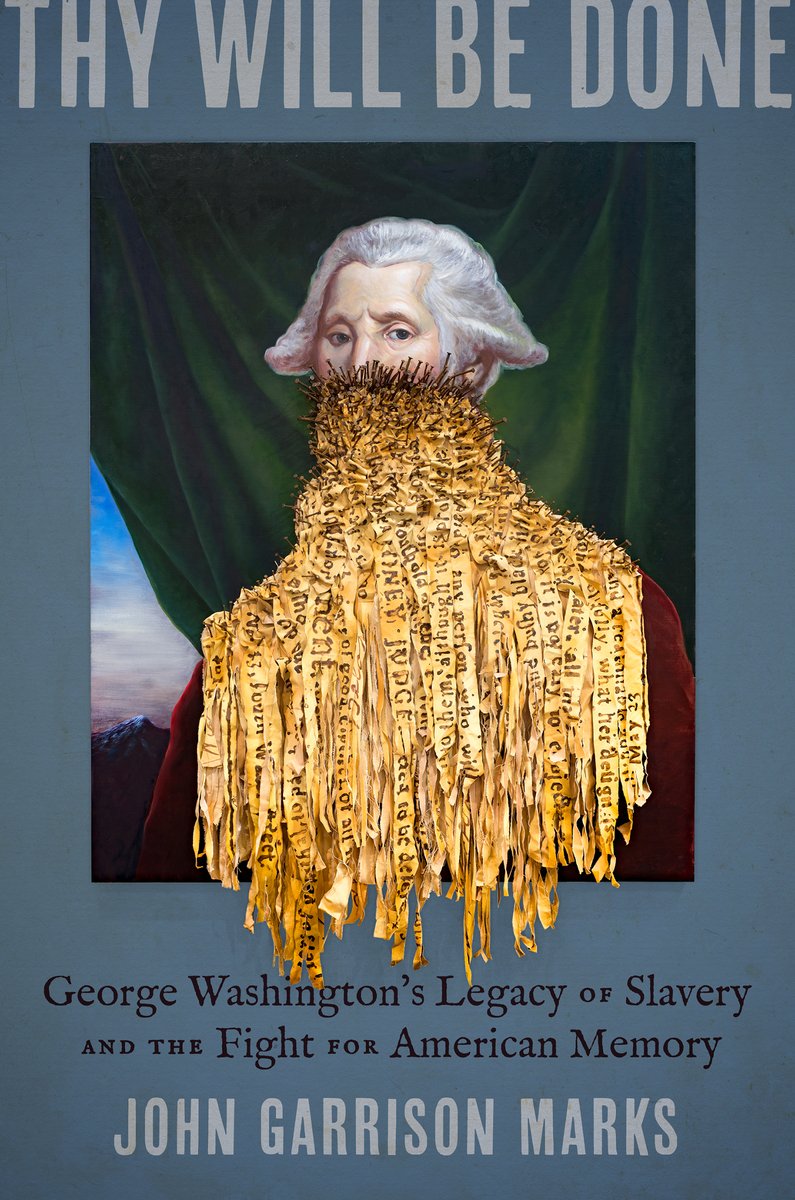
Thy Will Be Done: George Washington's Legacy of Slavery and the Fight for American Memory
George Washington's Legacy of Slavery and the Fight for American Memory
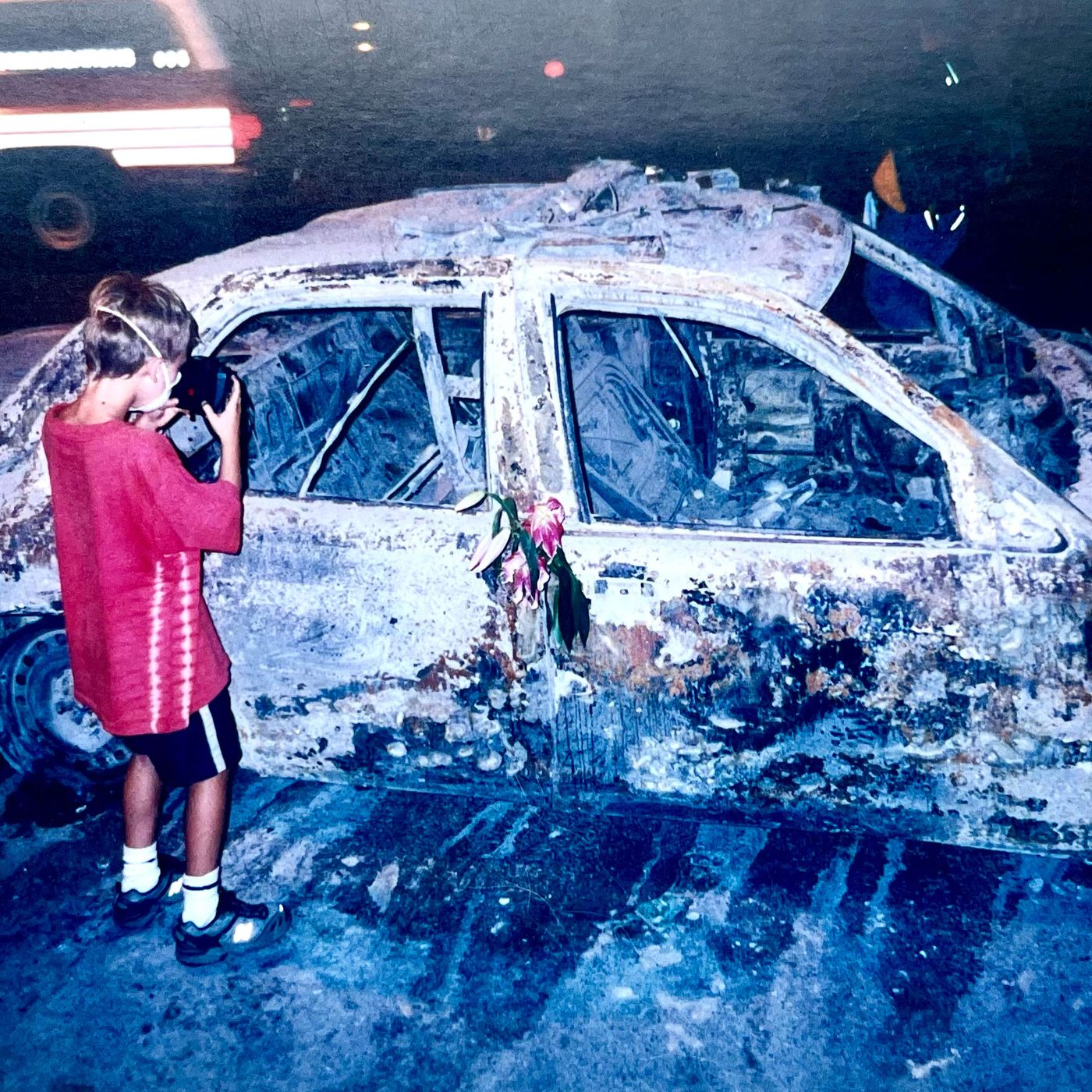
The Other Victims of 9/11
Twenty-five years after the attack, tens of thousands of people have gotten sick. I am one of them.
25 years after 9/11, our definition of terrorism continues to expand : Code Switch
In the 25 years since 9/11, we've seen the definition of terrorism expand. The Trump administration has called more and more groups “terrorists,” from “narco-terrorists” in Ecuador to people who protest ICE to the entire Democratic party. This week, our conversation with Saher Selod, an expert on the surveillance of Muslims, about the effects of the war on terror after 9/11, and historian Alex Lubin about how the word “terrorist” has been used to enact violence and surveillance.Support public media with NPR+ and enjoy perks for over 25 podcasts like this one. This show’s perks include sponsor-free listening. Learn more at plus.npr.org.
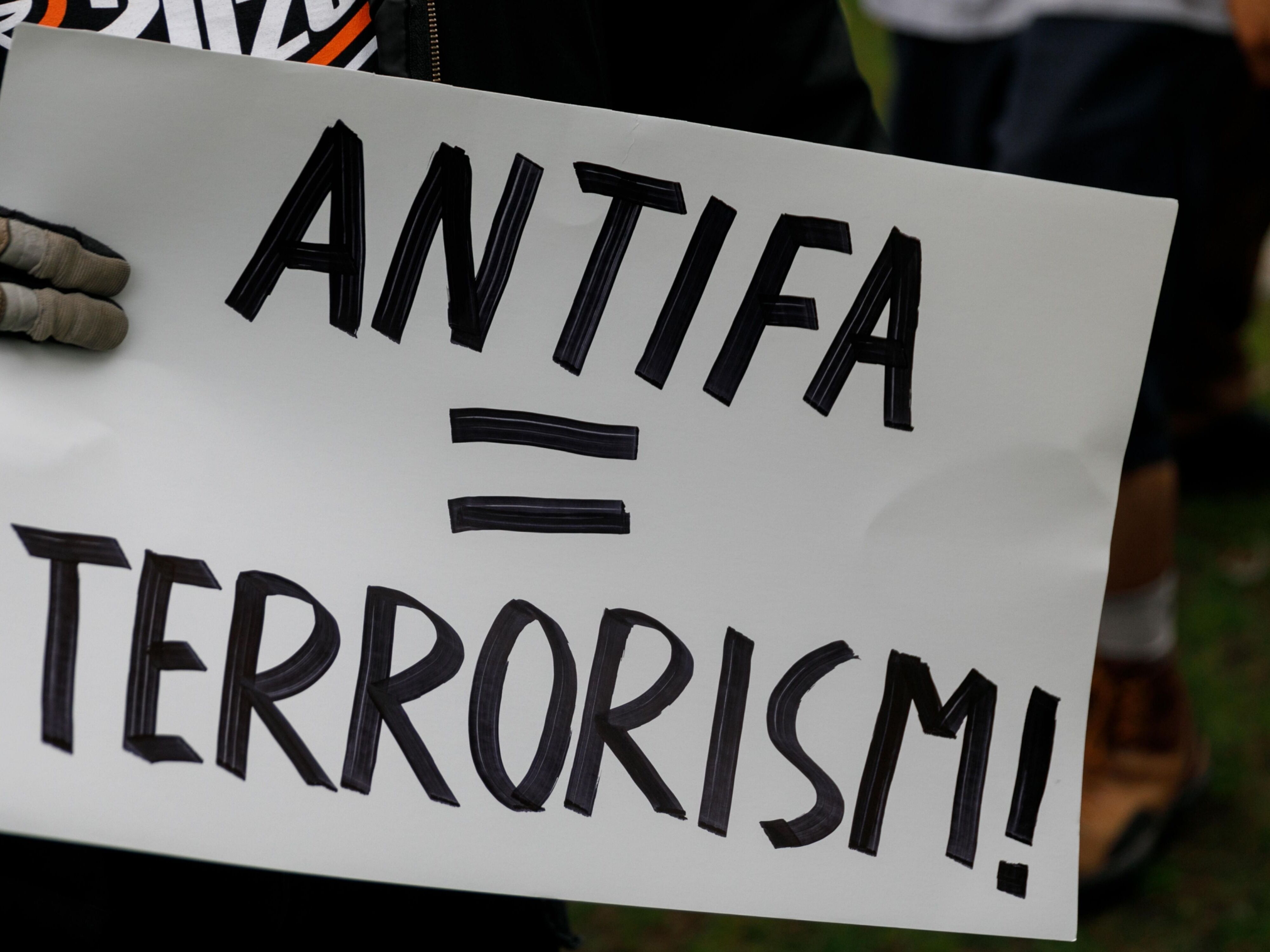
Decapitation and the End of Politics
How Targeted Killings Are Reshaping Modern Warfare
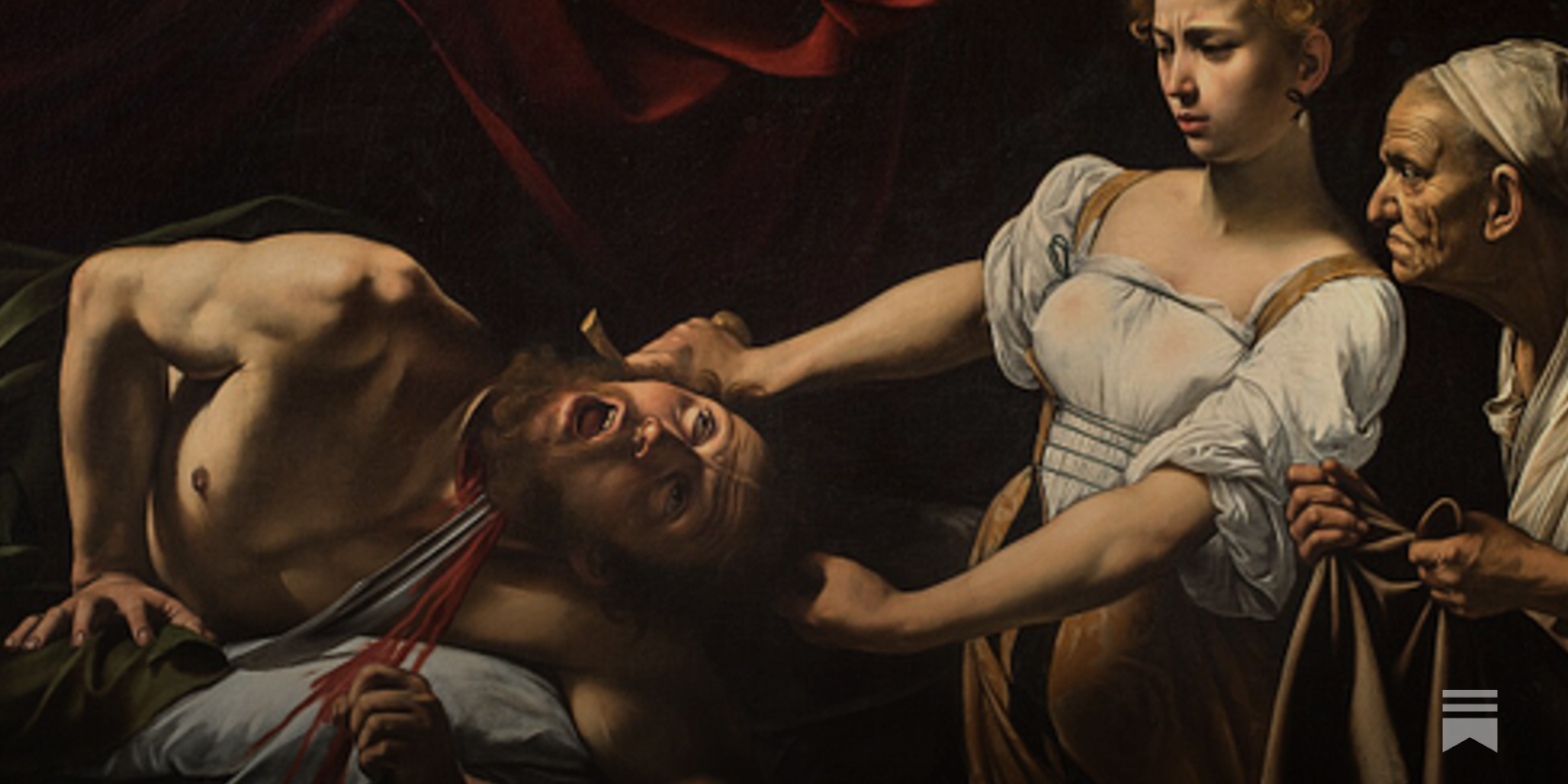
Transcript: 25 Years Later, Mamdani Adminstrtation Opens City's 9/11 Records to the Public and Settles Multi-Year Legal Battle
Mayor Zohran Kwame Mamdani: Good morning, everyone. I want to thank all those who have joined us this morning at City Hall: the survivors of the horrific Sept. 11 terror attack; the first responders who gave so much to so many for so long; the advocates and activists who have fought passionately on their behalf; the elected officials who carried their voices into the halls of power; and the families of those who fell ill from 9/11-related health complications.
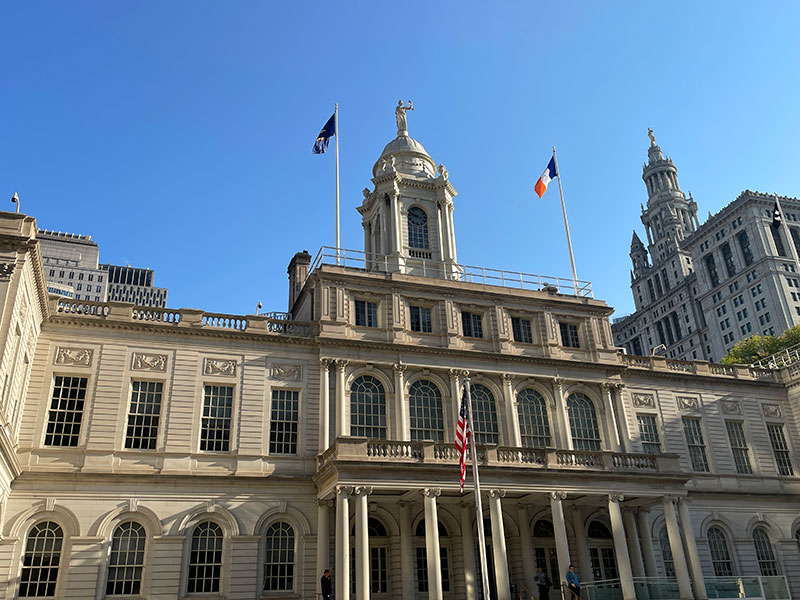
The Trump administration’s global campaign against ‘radical left terrorism’ is built on a national security memo without congressional approval
Almost a year after President Trump authorized preemptive law enforcement measures based on political or ideological beliefs, a wave of terrorism prosecutions against left-wing protesters has begun.
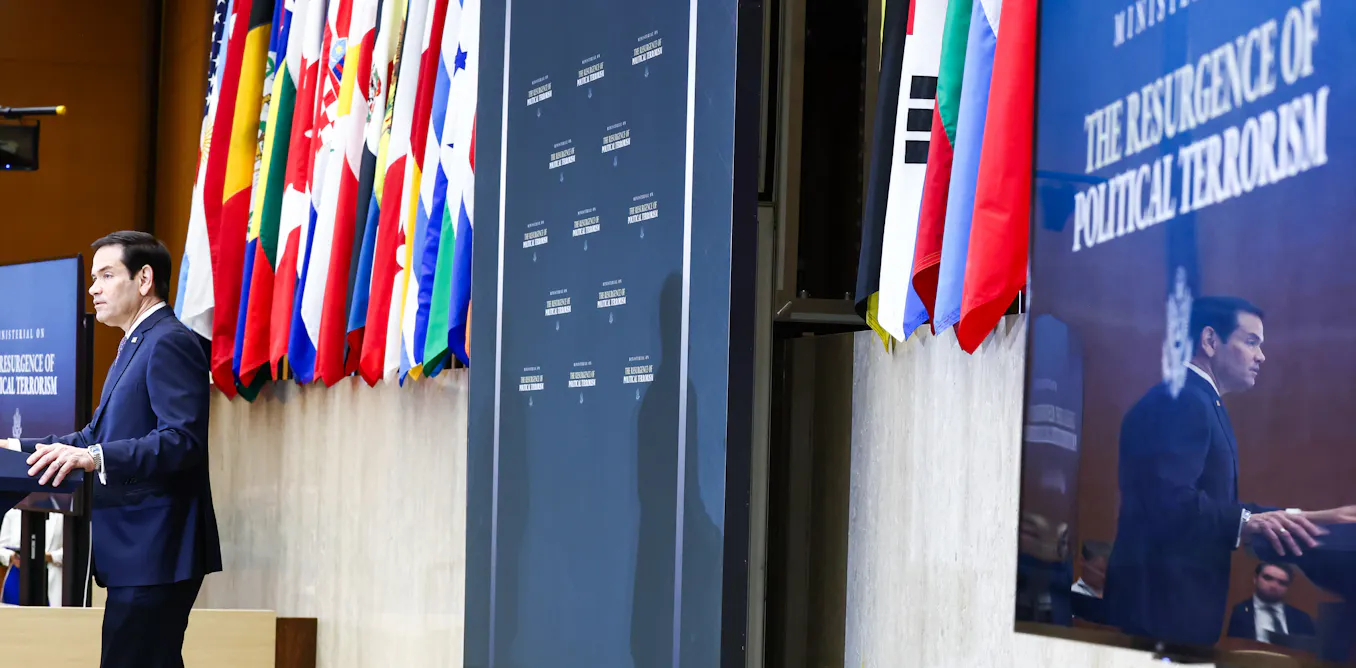
The Trump administration’s global campaign against ‘radical left terrorism’ is built on a national security memo without congressional approval
Almost a year after President Trump authorized preemptive law enforcement measures based on political or ideological beliefs, a wave of terrorism prosecutions against left-wing protesters has begun.
Opinion | 9/11 took Islamophobia mainstream in America – and things have only gotten worse
Although I have always had kind and mostly tolerant neighbors, the effects of widespread Islamophobia have touched my life intimately.

