

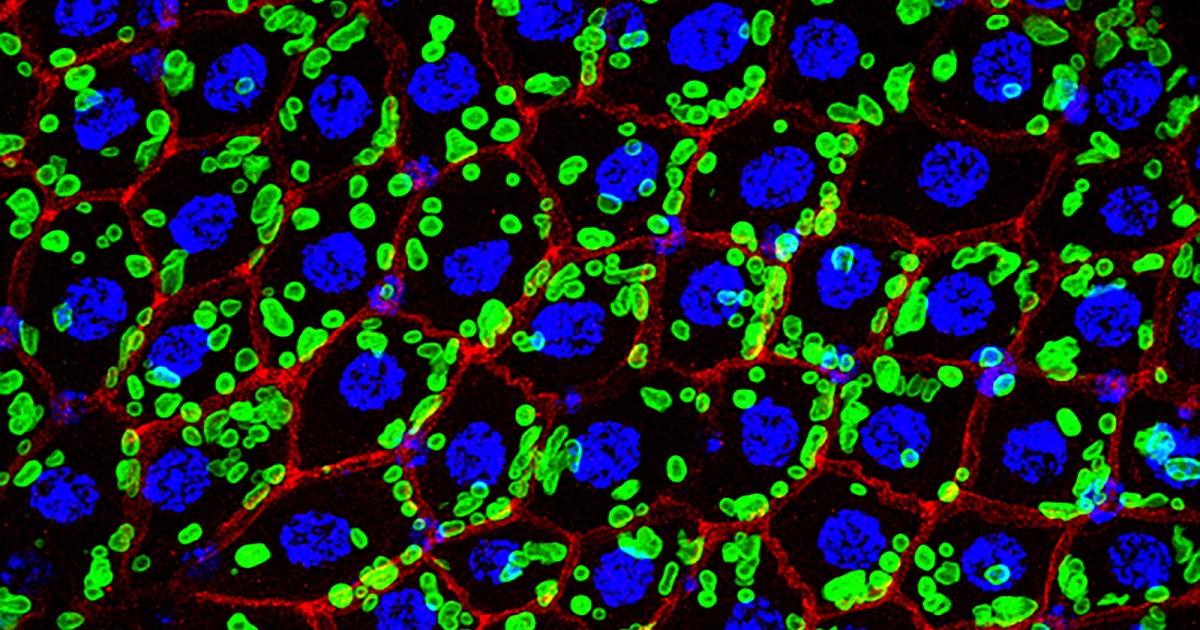
Found in fruit fly guts, the organelle is the first found that stores phosphate.

Cell membranes behave like cornstarch and water
(PhysOrg.com) -- Surprising discovery by physicists at the University of Oregon overturns a long-held belief, and raises fresh new scientific questions about the biology that regulates lipid and protein ...

Symbiotic organs in insects: diversity, functional implications, and terminology
Abstract With over a million described species, insects represent the most successful group of animals on Earth. One of the drivers of insect diversity is their ability to engage in multifold beneficial symbioses with microorganisms, often involving specialized host organs to accommodate intra- or extracellular symbionts. The existence of such organs and their importance for sustaining and transmitting beneficial symbionts has been known for over a century, and specific terms have been established for categorizing organs harbouring intracellular bacteria (bacteriomes) or fungi (mycetomes), or cuticular crypts containing extracellular fungi (mycetangia). For others, however, general terms are lacking, e.g. organs containing extracellular bacteria associated with the cuticle or with the digestive tract. Furthermore, previously established terms have been misused in other contexts. Notably, ‘bacteriome’ has been increasingly employed in the microbiome field to refer to bacterial communities, instead of the term’s original meaning of specialized organs housing intracellular bacterial symbionts. Here, we review and categorize the diversity of symbiotic organs in insects and propose a unified terminology. Our hope is that this common language will facilitate communication and thereby support the field of symbiosis research in unravelling commonalities and differences in the evolution, ecology, development, physiology and molecular basis across symbiotic interactions. This article is part of the theme issue ‘Life in natural microcosms’.

Where the heck did all those structures inside complex cells come from?
There are competing theories about the origin of the nucleus and endoplasmic reticulum.
New Microscope Reveals Ultrastructure of Cells - Slashdot
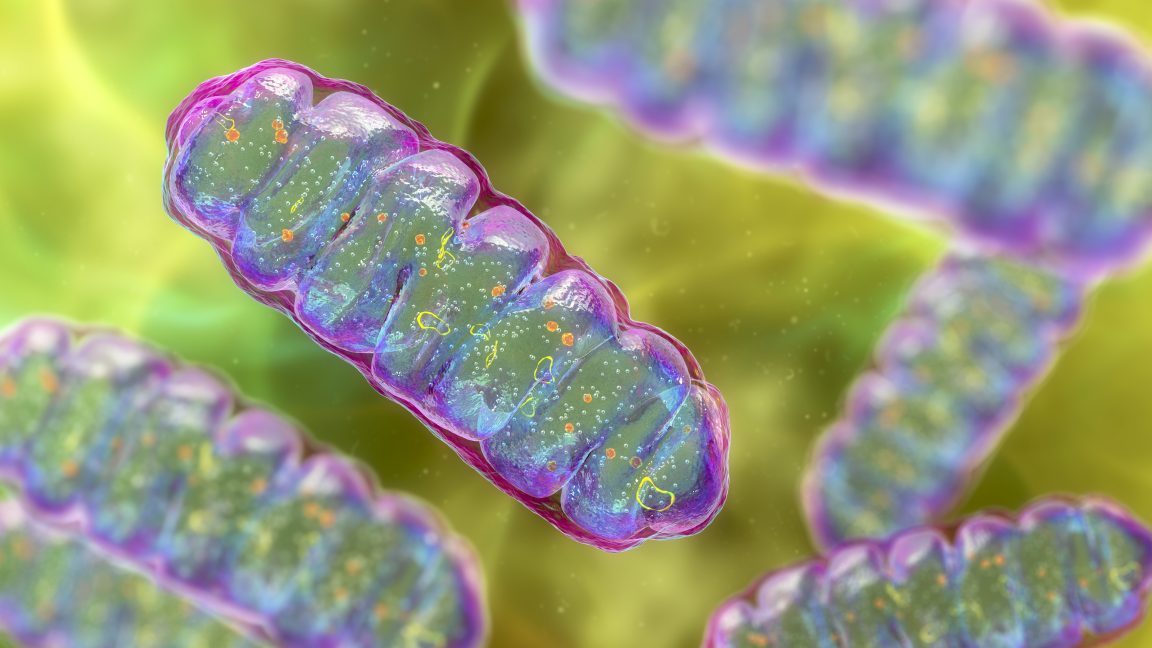
An anonymous reader writes "For the first time, there is no need to chemically fix, stain or cut cells in order to study them. Instead, whole living cells are fast-frozen and studied in their natural environment. The new method delivers an immediate 3-D image, thereby closing a gap between conventio...

The cell membrane as the ‘missing link’ for the evolution of consciousness
While Prof. Torday agrees with Federico Faggin that quantum mechanics is salient to consciousness, he maintains that the role of the cell membrane—which separates an organism from its environment—is key to the selective assimilation or mirroring of the quantum properties of the cosmos into the differentiated consciousness of the organism. This essay is short, dense, and may be difficult to unpack. But it handsomely rewards the effort of the patient and determined reader. The many literature citations in the essay also provide rich ground for further exploration.

Organism without a brain creates external memories for navigation
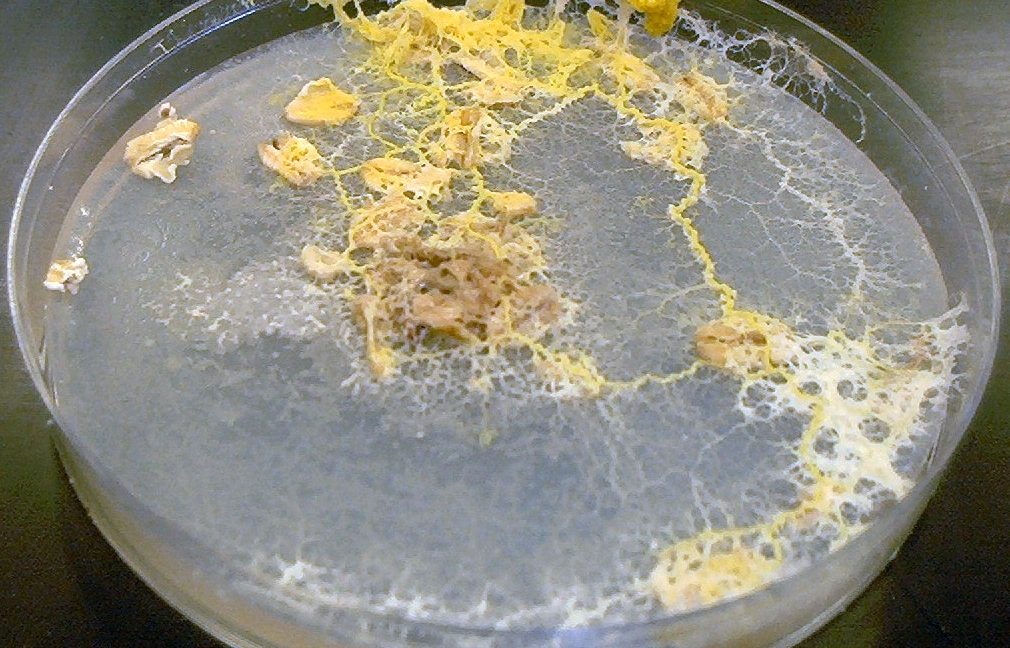
The slime mold stores a record of where it's been using, well, slime.
A Complex Hierarchy of Avoidance Behaviors in a Single-Cell Eukaryote
Dexter et al. replicate the disputed, century-old observations of Jennings, confirming by video microscopy and statistical analysis that the single-cell ciliate Stentor roeseli exhibits a hierarchy of avoidance behaviors. They show further that each organism’s decision between contracting and detaching resembles a fair coin toss.

Scientists glean new insights into how tardigrades can survive dehydration
Proteins form gel-like filaments that stiffen into networks to support dried-out cells.

🔎 atproto sqlite store - Google Search

"Magnetic Cells" Isolated For First Time - Slashdot
sciencehabit writes "For the first time, researchers have isolated magnetic cells in an animal. The cells--found in this case in rainbow trout--may help the fish respond to Earth's magnetic fields, allowing it to find its way home after spending 3 years at sea and traveling up to 300 kilometers away...

atproto

Collection of collections of everything related to atproto
Discontinued AT projects (by Victoria) — Semble
AT Status (by Victoria) — Semble
AT Protocol status pages (by あ) — Semble
atproto explainers (by Ronen Tamari) — Semble
⁂ Standarding yo site (by Tynan Purdy ⁂) — Semble
blog-to-atproto (by Ariel M. (she/her)) — Semble