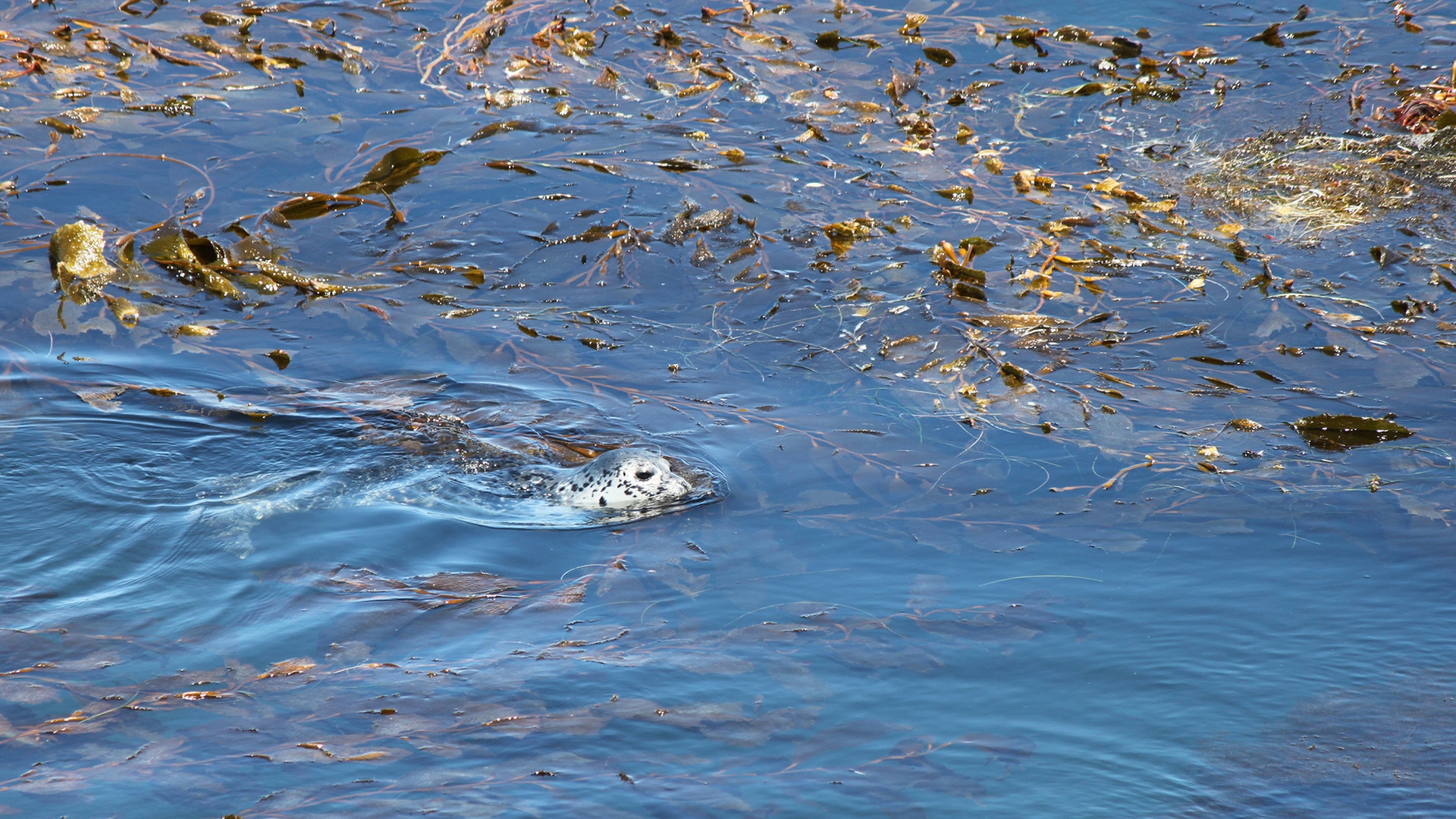
Kelp forests dominate the rocky coasts of temperate Australia and are the foundation of the Great Southern Reef. Much like terrestrial forests, these marine forests create complex habitat for diverse communities of flora and fauna. Kelp forests also support coastal food-webs and valuable fisheries and provide a suite of additional ecosystem services. In many regions of Australia and around the world, kelp forests are in decline due to ocean warming, overgrazing, and pollution. One potential tool in the conservation and management of these important ecosystems is habitat restoration, the science and practice of which is currently undergoing substantial expansion. We summarise the present state of Australian kelp forests and emphasise that consideration of the initial drivers of kelp decline is a critical first step in restoration. With a focus on Australian examples, we review methods, implementation and outcomes of kelp forest restoration, and discuss suitable measures of success and the estimated costs of restoration activities. We propose a workflow and decision system for kelp forest restoration that identifies alternative pathways for implementation and acknowledges that under some circumstances restoration at scale is not possible or feasible. As a case study, we then apply the Society of Ecological Restoration’s 5-star evaluation to Operation Crayweed, Australia’s primary example of kelp forest restoration. Overall, no single method of kelp forest restoration is suitable for all situations, but outcomes can be optimised by ameliorating the driver(s) of kelp decline and achieving ongoing natural recruitment of kelp. Whilst scalability of kelp forest restoration to the seascape-scale remains a considerable challenge, the present review should provide a platform for future restoration efforts. However, it is also crucial to emphasise that the challenges of restoration place a high value on preventative conservation and protection of existing kelp forest ecosystems – prevention is invariably better than cure.
Pacific kelp forests are far older than we thought - Berkeley News
The unique underwater kelp forests that line the Pacific Coast support a varied ecosystem that was thought to have evolved along with the kelp over the past 14 million years. But a new study shows that kelp flourished off the Northwest Coast more than 32 million years ago, long before the appearance of modern groups […]
Combating ecosystem collapse from the tropics to the Antarctic
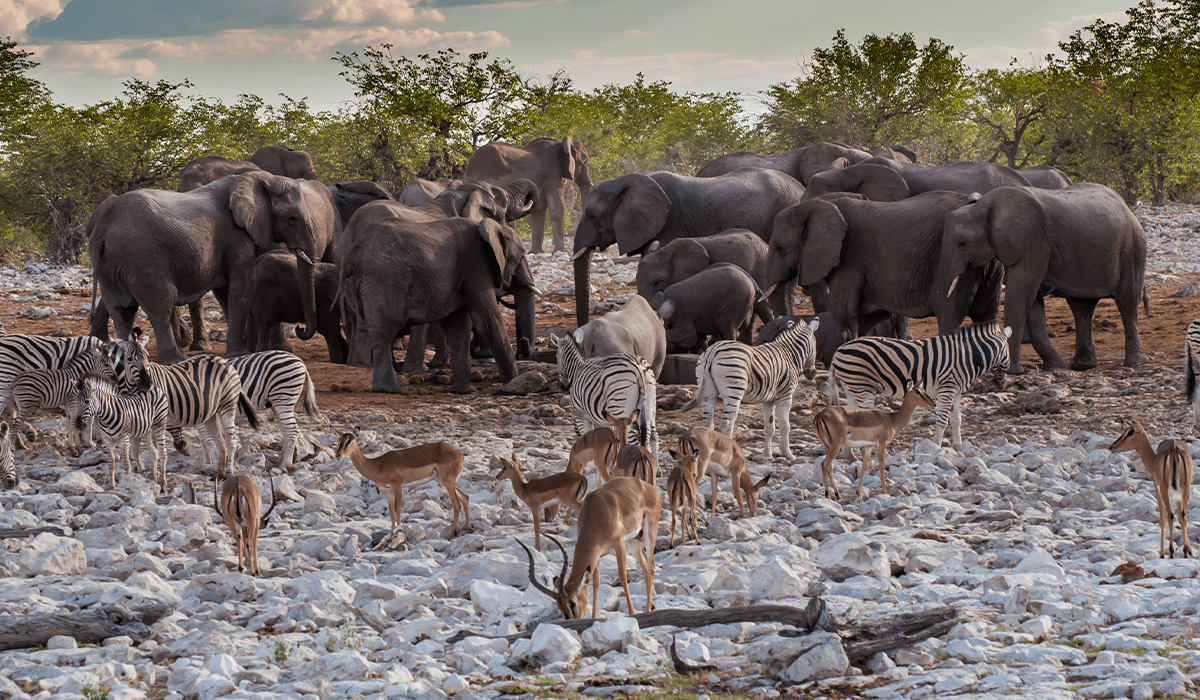
Abstract Globally, collapse of ecosystems—potentially irreversible change to ecosystem structure, composition and function—imperils biodiversity, human health and well‐being. We examine the current state and recent trajectories of 19 ecosystems, spanning 58° of latitude across 7.7 M km 2 , from Australia's coral reefs to terrestrial Antarctica. Pressures from global climate change and regional human impacts, occurring as chronic ‘presses’ and/or acute ‘pulses’, drive ecosystem collapse. Ecosystem responses to 5–17 pressures were categorised as four collapse profiles—abrupt, smooth, stepped and fluctuating. The manifestation of widespread ecosystem collapse is a stark warning of the necessity to take action. We present a three‐step assessment and management framework (3As Pathway Awareness , Anticipation and Action ) to aid strategic and effective mitigation to alleviate further degradation to help secure our future.

10 Vital ecosystem services: sustaining life on Earth
Discover the importance of 10 vital ecosystem services that sustain life on Earth, mostly provided by forests, for a resilient and sustainable future.
Marine Biodiversity Observation Network
A global collaborative initiative contributing to the effective management of marine biodiversity and ecosystem services. A thematic node of GEO BON.
IPBES Transformative Change Assessment : Full report
Thematic assessment of the underlying causes of biodiversity loss, determinants of transformative change and options for achieving the 2050 Vision for Biodiversity of the Intergovernmental Science-Policy Platform on Biodiversity and Ecosystem Services (IPBES) is composed of 1) a Summary for Policymakers (SPM), and 2) a set of five Chapters. All products of the assessment are available on Zenodo. Find all the links on the side bar "has part"
Conservation Evidence - Site
This resource is designed to support anyone making decisions about how to maintain and restore biodiversity.

Assessing nature's contributions to people
Recognizing culture, and diverse sources of knowledge, can improve assessments , A major challenge today and into the future is to maintain or enhance beneficial contributions of nature to a good quality of life for all people. This is among the key motivations of the Intergovernmental Science-Policy Platform on Biodiversity and Ecosystem Services (IPBES), a joint global effort by governments, academia, and civil society to assess and promote knowledge of Earth's biodiversity and ecosystems and their contribution to human societies in order to inform policy formulation. One of the more recent key elements of the IPBES conceptual framework ( 1 ) is the notion of nature's contributions to people (NCP), which builds on the ecosystem service concept popularized by the Millennium Ecosystem Assessment (MA) ( 2 ). But as we detail below, NCP as defined and put into practice in IPBES differs from earlier work in several important ways. First, the NCP approach recognizes the central and pervasive role that culture plays in defining all links between people and nature. Second, use of NCP elevates, emphasizes, and operationalizes the role of indigenous and local knowledge in understanding nature's contribution to people.

GainForest — Biodiversity Observations & Nature Projects
Explore field observations, biodiversity records, and nature projects from communities and organizations using GainForest.
GainForest — Biodiversity Observations & Nature Projects
Explore field observations, biodiversity records, and nature projects from communities and organizations using GainForest.
GainForest — Biodiversity Observations & Nature Projects
Explore field observations, biodiversity records, and nature projects from communities and organizations using GainForest.
Importance of Indigenous Peoples’ lands for the conservation of Intact Forest Landscapes
Intact Forest Landscapes ( IFL s) are critical strongholds for the environmental services that they provide, not least for their role in climate protection. On the basis of information about the distributions of IFL s and Indigenous Peoples’ lands, we examined the importance of these areas for conserving the world's remaining intact forests. We determined that at least 36% of IFL s are within Indigenous Peoples’ lands, making these areas crucial to the mitigation action needed to avoid catastrophic climate change. We also provide evidence that IFL loss rates have been considerably lower on Indigenous Peoples’ lands than on other lands, although these forests are still vulnerable to clearing and other threats. World governments must recognize Indigenous Peoples’ rights, including land tenure rights, to ensure that Indigenous Peoples play active roles in decision‐making processes that affect IFL s on their lands. Such recognition is critical given the urgent need to reduce deforestation rates in the face of escalating climate change and global biodiversity loss.

Report suggests nature restoration matters most right near where people live | CBC News
Restoration is the key to Canada’s efforts to reverse biodiversity loss — now a part of the country’s international obligations, after the COP15 UN biodiversity conference which was hosted in Montreal last December.

Creating A Shared Vision For the Restoration Of The Ericht Catchment - Catchment Restoration Initiative
Our project’s ‘Pioneer’ status means that we are being offered some fantastic opportunities to pilot new ways of working to restore nature at landscape scale. One of those is the opportunity to work with ETH Zurich on trialing a new tool for our next project milestone which is the development of the restoration vision – […]

Summary for policymakers of the global assessment report on biodiversity and ecosystem services
IPBES is an independent intergovernmental body comprising over 130 member Governments. Established by Governments in 2012, IPBES provides policymakers with objective scientific assessments about the state of knowledge regarding the planet’s biodiversity, ecosystems and the contributions they make to people, as well as options and actions to protect and sustainably use these vital natural assets. The IPBES Global Assessment of Biodiversity and Ecosystem Services represents the landmark product of the first work programme of IPBES (2014-2018). The Global Assessment was initiated following a decision from the IPBES Plenary at its fourth session (IPBES 4, Kuala Lumpur, 2016), and considered by the IPBES Plenary at its seventh session (IPBES 7, Paris, 2019). It is composed of a summary for policymakers, which was approved at IPBES 7, and six chapters, which were accepted at IPBES 7.
Food system impacts on biodiversity loss
Global food production is the key driver of accelerating biodiversity loss. This paper introduces three levers for reducing pressures on land and creating a more sustainable food system.

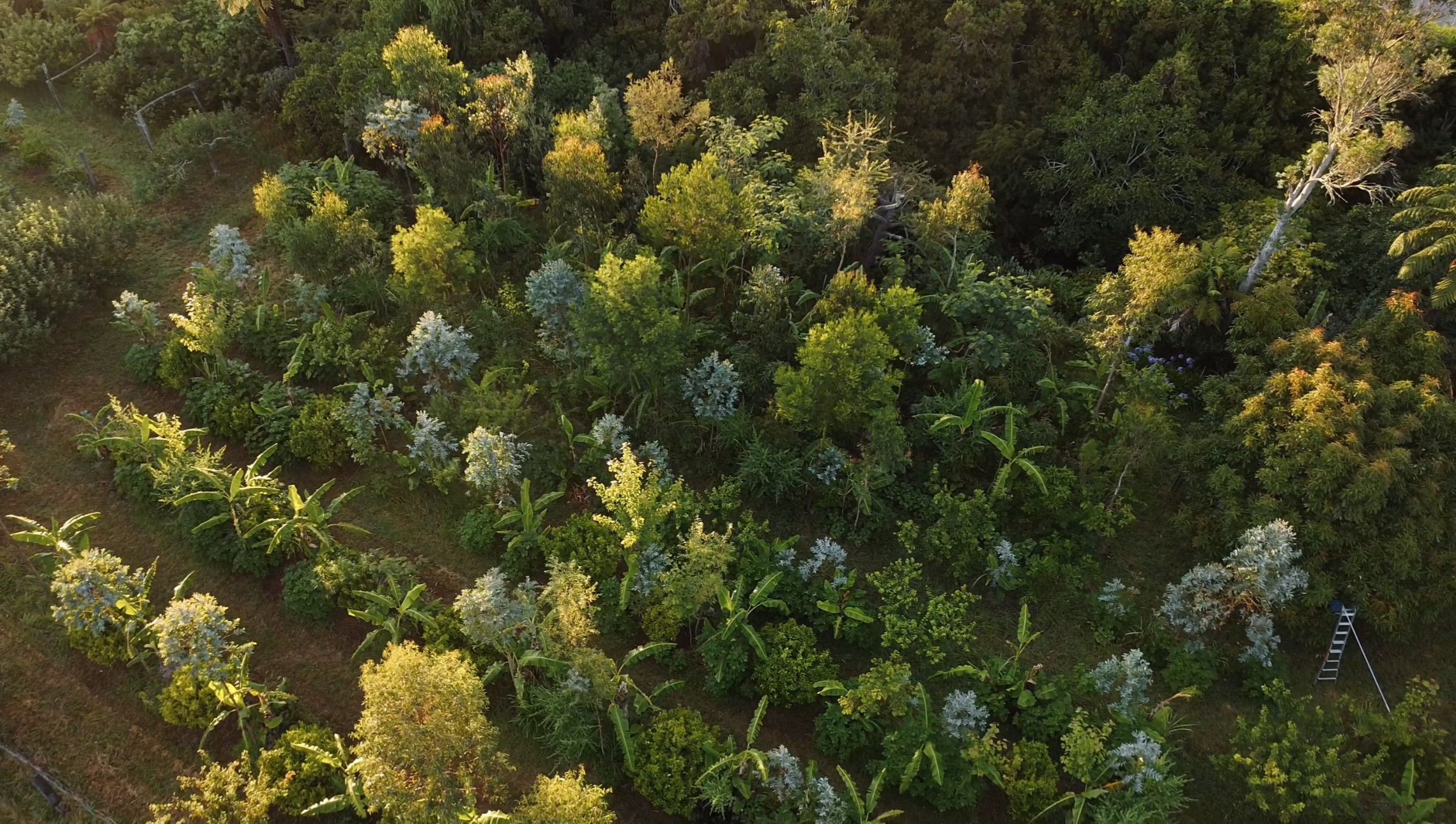
Food Forest Consulting, Installation & Events
Grow a thriving food forest with expert guidance. We design, install, and manage resilient, high-yield landscapes using cutting-edge syntropic agroforestry. From urban backyards to regenerative farms and orchard retrofits, we create abundant, self-sustaining systems tailored to your land and vision. Serving New Zealand, Australia, USA & beyond at FOOD-FORESTRY.com