


Spiral phyllotactic patterning is the result of intricate auxin transport relationships in the shoot apical meristem (SAM) that act to place auxin maxima at the future sites of leaf initiation. Inherent to this process is a bias in auxin distribution in leaf primordia, such that increased auxin is found on the descending side of the leaf (towards the older neighbor) compared to the ascending side (towards the younger neighbor), creating phyllotactically-dependent leaf asymmetry. Separate from phyllotactic-dependent asymmetry is handedness in plants—that is, genetically encoded, fixed chirality, such as the twining of certain vines and the torsions induced by microtubule mutations. Here, we perform a morphometric analysis on the resupinate leaves of Alstroemeria psittacina. Interestingly, the twist in leaves always occurs in a single direction, regardless of the phyllotactic direction of the plant. Because of the resupination, leaves in this species possess an inherent handedness. However, this asymmetry is modulated in a phyllotactic-dependent manner, consistent with the known developmental constraints of phyllotaxis upon leaf morphology. This creates the interesting circumstance in A. psittacina that leaves arising from plants with a counter-clockwise phyllotactic direction are 1) more asymmetric, 2) larger, and 3) possess symmetrical shape differences relative to leaves from plants with clockwise phyllotaxis. The mechanism underlying these differences likely involves a developmental delay in clockwise leaves caused by the conflict between the phyllotaxis-dependent asymmetry and asymmetry resulting from resupination. The evolutionary implications of a dimorphic population without a genetic basis for selection to act upon are discussed.
Computational modeling of plant root development: the art and the science
Plant root development, like any developmental process, arises from the interplay between processes like gene expression, cell-cell signaling, cell growth and division, and tissue mechanics, which unfold over a wide range of temporal and spatial scales. Computational models are uniquely suited to integrate these different processes and spatio-temporal scales to investigate how their interplay determines developmental outcomes and have become part of mainstream plant developmental research. Still, for non-modeling experts, it often remains unclear how models are built, why a particular modeling approach was chosen, and how to interpret and value model outcomes. This review attempts to explain the science behind the art of model building, illustrating the simplifications that are often made to keep models simple to understand and when these are and are not justified. Similarly, it discusses when it is safe to ignore certain processes like growth or tissue mechanics and when it is not. Additionally, this review discusses a range of major breakthrough modeling articles. Their approaches are linked to classical concepts and models in developmental biology like the French flag positional information gradient of Lewis Wolpert and the repetitive patterning mechanism proposed by Turing, in addition to highlighting the lessons they taught us on plant root development.

A Complex Hierarchy of Avoidance Behaviors in a Single-Cell Eukaryote
Dexter et al. replicate the disputed, century-old observations of Jennings, confirming by video microscopy and statistical analysis that the single-cell ciliate Stentor roeseli exhibits a hierarchy of avoidance behaviors. They show further that each organism’s decision between contracting and detaching resembles a fair coin toss.

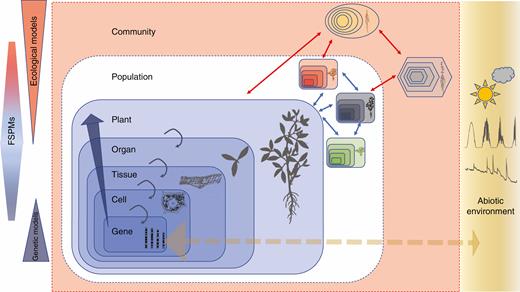
Two decades of functional–structural plant modelling: now addressing fundamental questions in systems biology and predictive ecology
AbstractBackground. Functional–structural plant models (FSPMs) explore and integrate relationships between a plant’s structure and processes that underlie
A common red algal origin of the apicomplexan, dinoflagellate, and heterokont plastids
The discovery of a nonphotosynthetic plastid in malaria and other apicomplexan parasites has sparked a contentious debate about its evolutionary origin. Molecular data have led to conflicting conclusions supporting either its green algal origin or red algal origin, perhaps in common with the plastid of related dinoflagellates. This distinction is critical to our understanding of apicomplexan evolution and the evolutionary history of endosymbiosis and photosynthesis; however, the two plastids are nearly impossible to compare due to their nonoverlapping information content. Here we describe the complete plastid genome sequences and plastid-associated data from two independent photosynthetic lineages represented by Chromera velia and an undescribed alga CCMP3155 that we show are closely related to apicomplexans. These plastids contain a suite of features retained in either apicomplexan (four plastid membranes, the ribosomal superoperon, conserved gene order) or dinoflagellate plastids (form II Rubisco acquired by horizontal transfer, transcript polyuridylylation, thylakoids stacked in triplets) and encode a full collective complement of their reduced gene sets. Together with whole plastid genome phylogenies, these characteristics provide multiple lines of evidence that the extant plastids of apicomplexans and dinoflagellates were inherited by linear descent from a common red algal endosymbiont. Our phylogenetic analyses also support their close relationship to plastids of heterokont algae, indicating they all derive from the same endosymbiosis. Altogether, these findings support a relatively simple path of linear descent for the evolution of photosynthesis in a large proportion of algae and emphasize plastid loss in several lineages (e.g., ciliates, Cryptosporidium , and Phytophthora) .

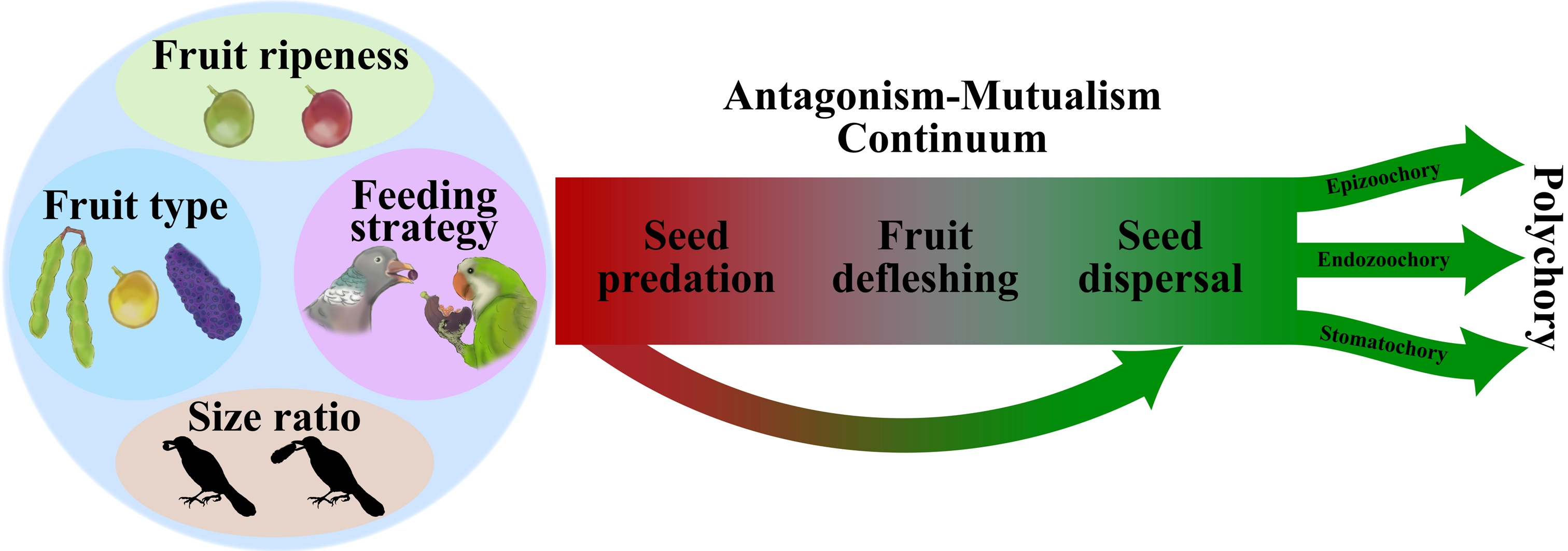
Embracing the complexity of plant–bird interactions to understand species’ roles within ecosystems
The context-dependent fate of seeds, shaped by birds that can act as both antagonists and mutualists, reveals a hidden variability of functions and seed dispersal mechanisms, underscoring the need for stronger empirical evidence to accurately understand seed dispersal ecology.
phonology-202409
Tangut tones are a more complex issue than what is presented here. However, it is generally accepted that most characterswere categorized by native Tangut phonologists into two tones:

L’entrée dans la carrière des enseignants-chercheurs – 2026
Ce document présente les évolutions de différents indicateurs relatifs à l'entrée dans la carrière des enseignants-chercheurs.

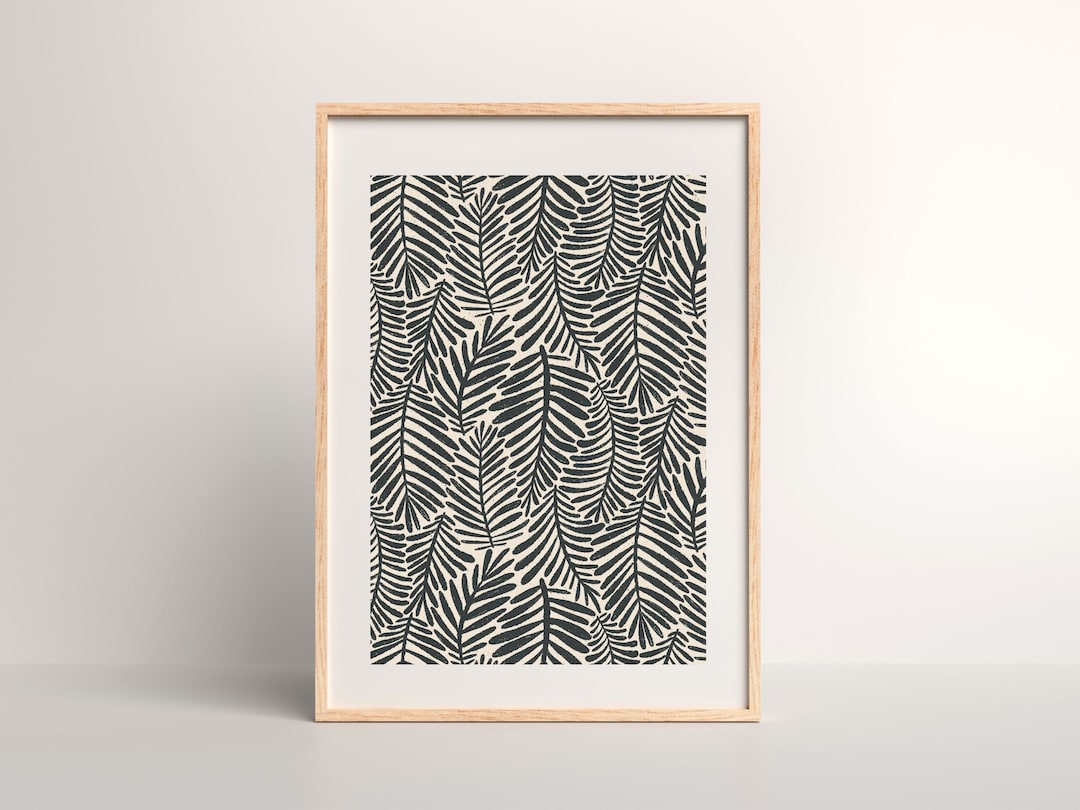
Black and Tan Floral Leaves Seamless Hand Drawn Flowers Botanical Art Mid Century Modern Wall Decor Digital Download - Nieuwe Market©
Add a Touch of Modern Organic Elegance to Your Space with Digital Download Wall Art Welcome to Nieuwe Market, where art meets convenience! Elevate your decor effortlessly with our captivating digital download wall art. Our modern organic collection features stunning abstract designs in black and tan, creating a natural ambiance that will transform any space. ⭐ Let us guide you through what you'll receive: ⭐ INSTANT DOWNLOAD PRODUCT: Digital Downloadable Wall Art DPI: 300 FILE SIZES: (in inches) - ISO - 11x14" - 4:5 RATIO FILE FOR PRINTING: 4x5, 8x10, 12x15, 16x20, 20x25, 24x30 - 3:4 RATIO FILE FOR PRINTING: 6x8, 9x12, 12x16, 18x24, 24x32 - 2:3 RATIO FILE FOR PRINTING 4x6, 6x9, 8x12, 10x15, 12x18, 16x24, 20x30, 24x36 Immerse yourself in the allure of our digital art prints, carefully crafted to bring visual delight to your surroundings. Here's why buying digital art prints is the perfect choice: 💫 High-Quality Digital Files: Instantly access professionally designed digital art files with exceptional clarity and detail. Upon purchase, you'll receive instant access to professionally designed digital art files. These files are meticulously crafted with attention to detail, ensuring stunning visuals and vibrant colors. 💫 Multiple Sizes for Easy Printing: Our art files come in a variety of sizes, including ISO, 2:3, 4:5, 3:4, and 11x14'. This allows you to choose the perfect dimensions that suit your frame and display preferences. This ensures a seamless fit for a wide range of frames and display options. 💫 Easy Ordering Process: Simply add the digital art print to your cart, complete the purchase, and the files will be available for instant download. No waiting for shipping or delivery. You can start decorating your space in minutes! 💫 Excellent Printing Results: Our files are optimized at 300 DPI (dots per inch), guaranteeing sharp and crisp prints with remarkable clarity. This high resolution ensures your wall art retains its stunning quality when printed professionally. 💫 Printing Recommendations: For the best results, we recommend printing your digital art at a professional print shop. They have the expertise and high-quality equipment to reproduce the intricate details and vibrant colors of our designs. Alternatively, you can use your home printer for a more convenient option. 👉 Please note: This listing is for an instant download of digital files only. No physical items will be shipped. The digital art files are for personal use only and may not be resold or redistributed. Colors may vary slightly depending on your monitor settings. Frames and props shown in the listing photos are for illustrative purposes only and are not included. 💖 Immerse yourself in the beauty of our modern organic digital art collection. Enhance your space with captivating black and white abstract designs that create a moody atmosphere. Experience the convenience of instant downloading and the freedom to print and frame your art in the sizes that suit your style and preferences. Begin your decor transformation today! 💖 If you have any questions or need assistance, feel free to reach out. We're here to help you create a stunning and personalized space that reflects your unique style. Thank you for considering our digital download wall art. If you have any questions or need assistance, feel free to reach out. We are here to help you create a beautiful and inspiring space!
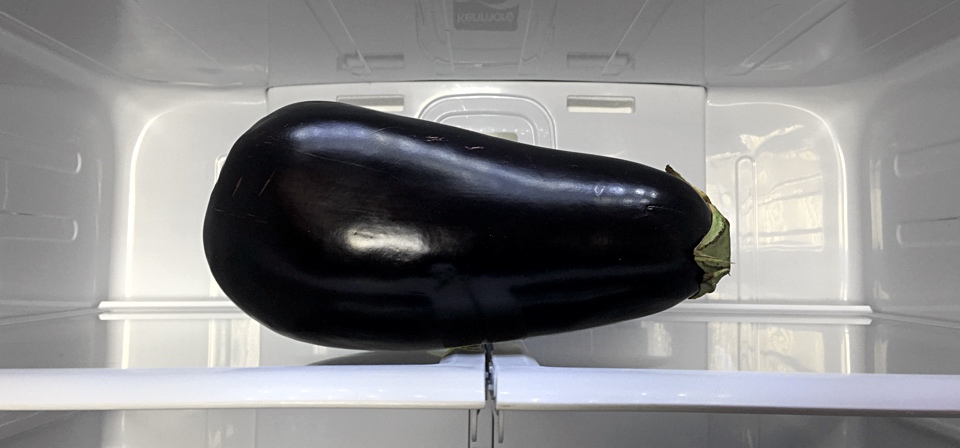
In the Cells of the Eggplant | Meta-rationality
An introduction to meta-rationality: ways of using rational systems more effectively by understanding how they relate to their contexts.
Crown shyness: are trees social distancing too? | Natural History Museum
If you look up in some forests, you might notice conspicuous gaps between the trees' branches. © Pongpawan Sethanant/ Shutterstock
Steering yourself by the bootstraps: how cells create their own gradients for chemotaxis
Chemotaxis, where cell movement is steered by chemical gradients, is a widespread and essential way of organising cell behaviour. But where do the instructions come from – who makes gradients, and how are they controlled? We discuss the emerging concept that chemotactic cells often create attractant gradients at the same time as responding to them. This self-guidance is more robust, works across greater distances, and is more informative about the local environment than passive responses. Several mechanisms can establish autonomous gradients.

Bluesky Mutual Siphonophore Viewer
Public mutuals rendered as an organic colony. Center node is the target profile, and outer bells are verified mutual accounts.
Bluesky Siphonophore Viewer
Posts now gather into a translucent siphonophore-like colony drifting through dark water. Oldest posts begin at one end of the spine and newer ones accumulate toward the other. Engagement thickens bells, membranes, and feeding clusters. Drag to orbit, mouse wheel to zoom, right-drag to pan, hover for a specimen overlay, click a segment to glide toward it, and double click the background to zoom to the whole organism.
Shadow Enhancers Are Pervasive Features of Developmental Regulatory Networks
Cannavò et al. examine redundant (shadow) enhancers genome wide, finding that the majority of loci have more than two elements with similar activity. Evolutionary analyses show evidence of pervasive stabilizing selection and an ability to buffer mutations, suggesting that shadow enhancers have complex and fundamental roles in developmental networks

monopodial -> sympodial growth apps -> ecosystems "Monopodials put all their energy into growing tall quickly, whereas the sympodial plants hedge with multiple different leading edges, which is more resilient. The next high-status career will be sympodial." substack.com/@davidlang/note/c-209012857?u…

David Lang (@davidlang)
substack.com