


A steady erosion of outdoor playtime is impairing the development of infants, say experts
Children today are suffering a severe deficit of play | Aeon Essays
Children today are cossetted and pressured in equal measure. Without the freedom to play they will never grow up
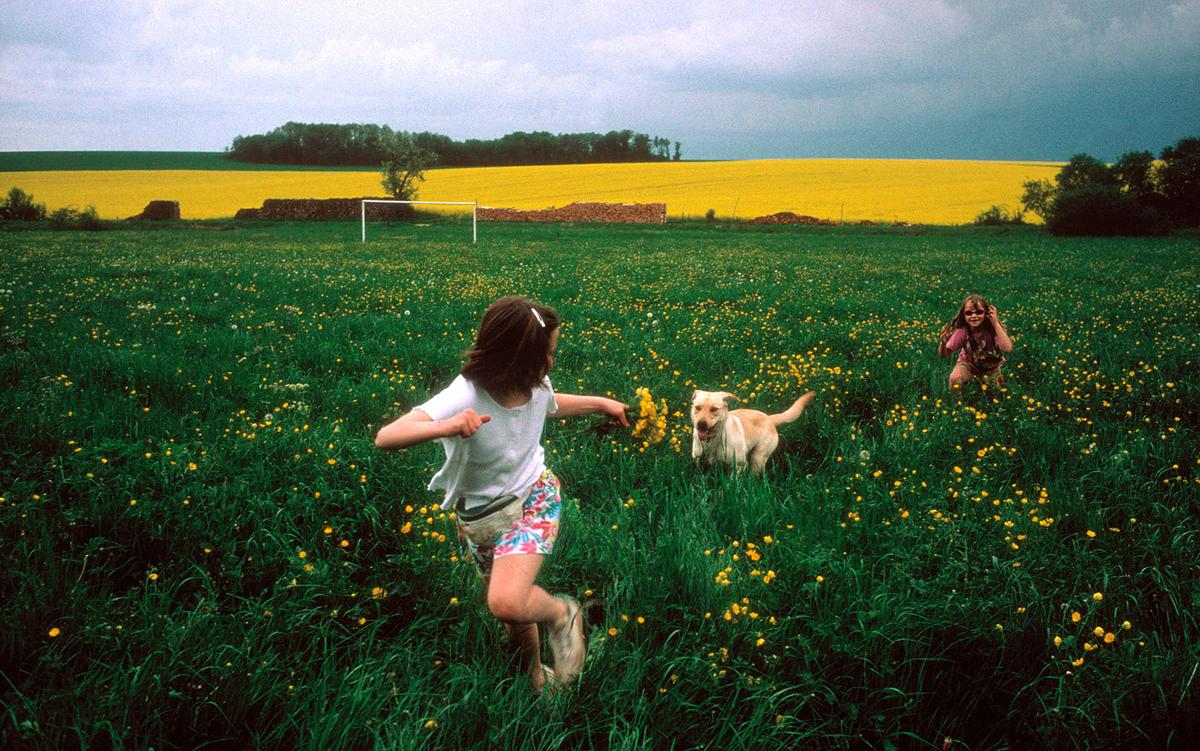
The Possibilities for Child Liberation
Children's liberation movements have challenged the notion that limited responsibilities for young people must come with limited rights.
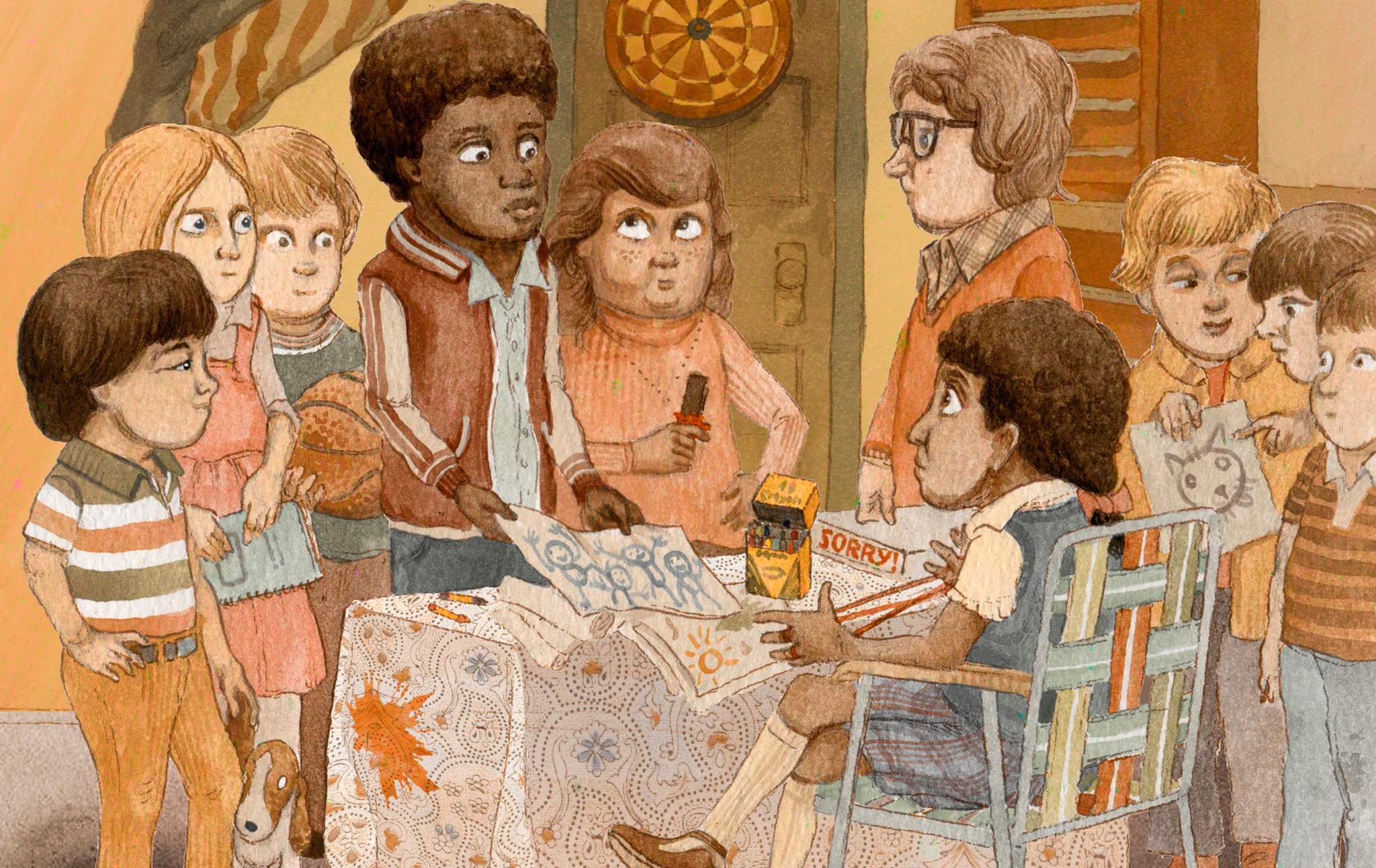
A Rule is to Break
Simply celebrating childhood: the joy, the wonder of discovery, the spontaneity, and strong emotions Wild Child is free to do as she pleases. <i>A Rule Is To Break: A Child's Guide to Anarchy</i> follows Wild Child as she learns about just being herself and how that translates into kid autonomy. It presents the ideas of challenging societal expectations and tradition and expressing yourself freely in kid-terms that are both funny and thought provoking—it even functions as a guidebook for adults to understand what it is to be a critically thinking, creative individual. Wild Child is <i>the</i> role model for disobedience that is sometimes civil.<br><br> Mostly pictures (that are cute!) and a little text, and looks good, but don't expect much of a lesson in real anarchy! For ages 4 and up!

Children’s Sense of Fairness as Equal Respect
One influential view holds that children’s sense of fairness emerges at age 8 and is rooted in the development of an aversion to unequal resource distributions. Here, we suggest two amendments to this view. First, we argue and present evidence that children’s sense of fairness emerges already at age 3 in (and only in) the context of collaborative activities. This is because, in our theoretical view, collaboration creates a sense of equal respect among partners. Second, we argue and present evidence that children’s judgments about what is fair are essentially judgments about the social meaning of the distributive act; for example, children accept unequal distributions if the procedure gave everyone an equal chance (so-called distributive justice). Children thus respond to unequal (and other) distributions not based on material concerns, but rather based on interpersonal concerns: they want equal respect.
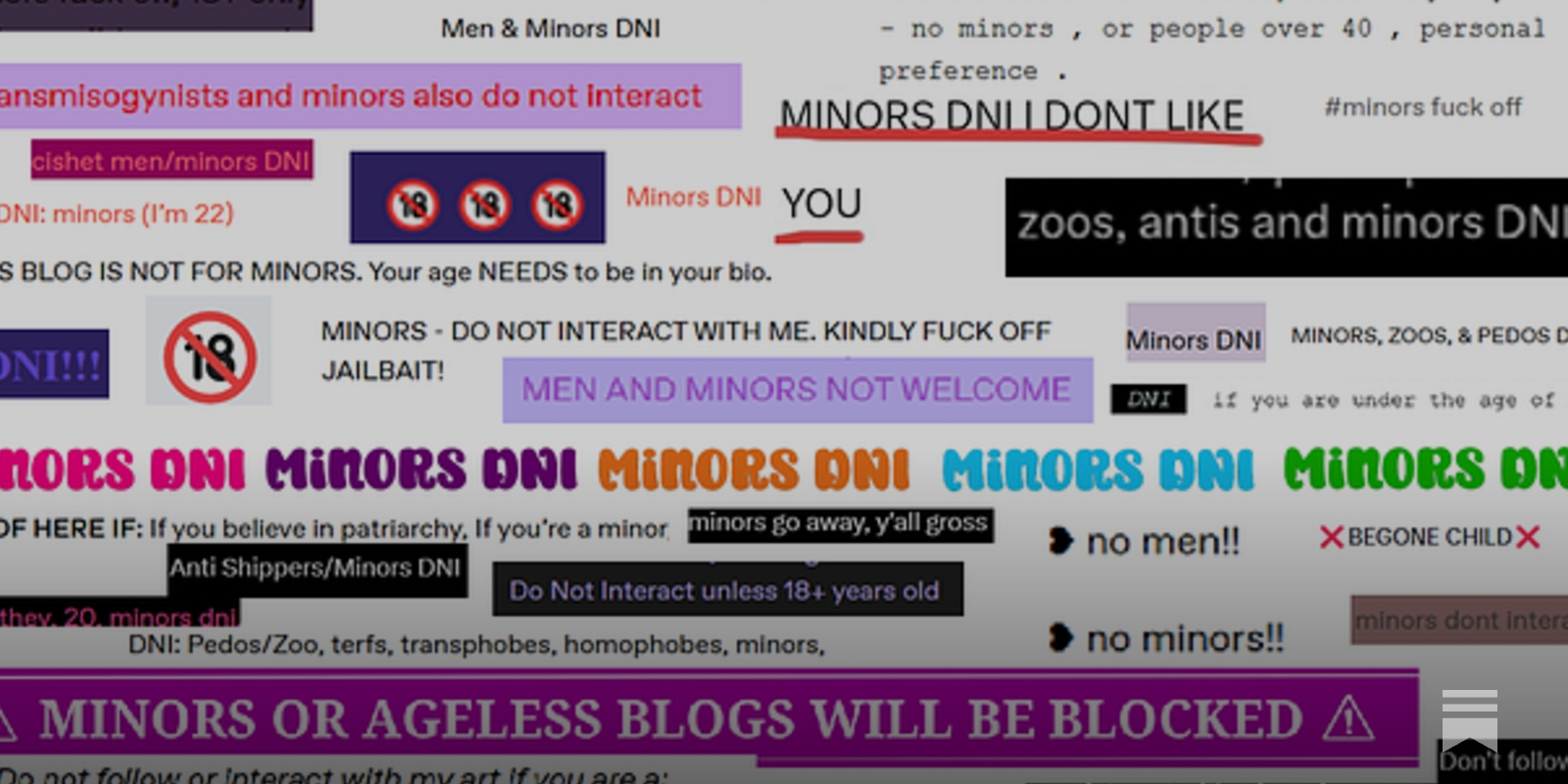
Why Does Everyone Hate Children?
Why Does Everyone Hate Children?

Parenting - Fable | Stories for everyone
Delivering the world’s best social experience with exceptional stories in service of mental wellness.

Why Protecting Kids from Social Media May Make Things Worse — Douglas Rushkoff
I’m supposed to give a talk next week about kids and social media and the need for more media literacy education, more regulation of platforms, and more substantive discussion about how to keep our kids from media-induced self-harm. The whole event is well-meaning, but is characterized by a sense of worry and protection. And for some reason, after years of making those sorts of arguments in my articles and documentaries, I have a strong impulse to pivot the other way.
A 2024 Review of Child Care and Early Learning in the United States
Updated data on child care and early learning in the United States illustrate the urgent need for holistic public policymaking and robust investments that support young children, families, and early educators.
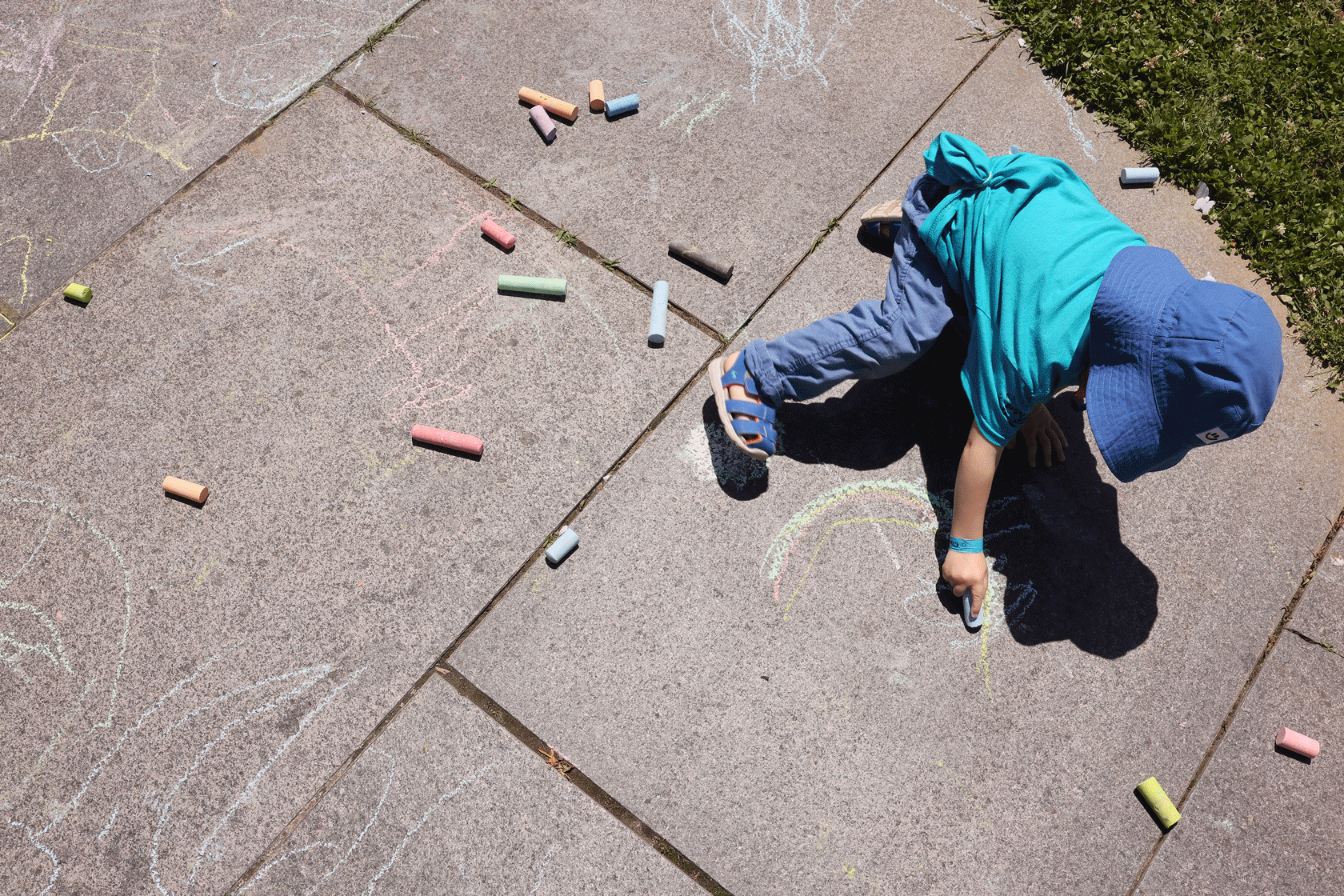
Children's Acquisition and Application of Norms
All human societies are permeated by collectively shared entities that govern daily social interactions and promote coordination and cooperation: norms. While the study of norm development is not new to developmental psychology, it has only recently been the target of an interdisciplinary wave of research using new methodologies and (often) complementary theoretical accounts to describe and explain the origins and potentially species-unique aspects of human norm psychology. Here we review recent developmental research showing that young children swiftly acquire and infer norms in a variety of social contexts. Moreover, children actively enforce these norms, even as unaffected bystanders, when third parties do things the wrong way. This research suggests that the foundations of human norm psychology can be found in early childhood. Deeper insights into the ontogenetic roots of norm psychology may contribute to understanding the evolutionary emergence of human cooperation and its maintenance in the contemporary world.
Childhood and Education #20: Phones and Screens
We have a respite, so I thought I’d tackle various thoughts on children, phones and screens.
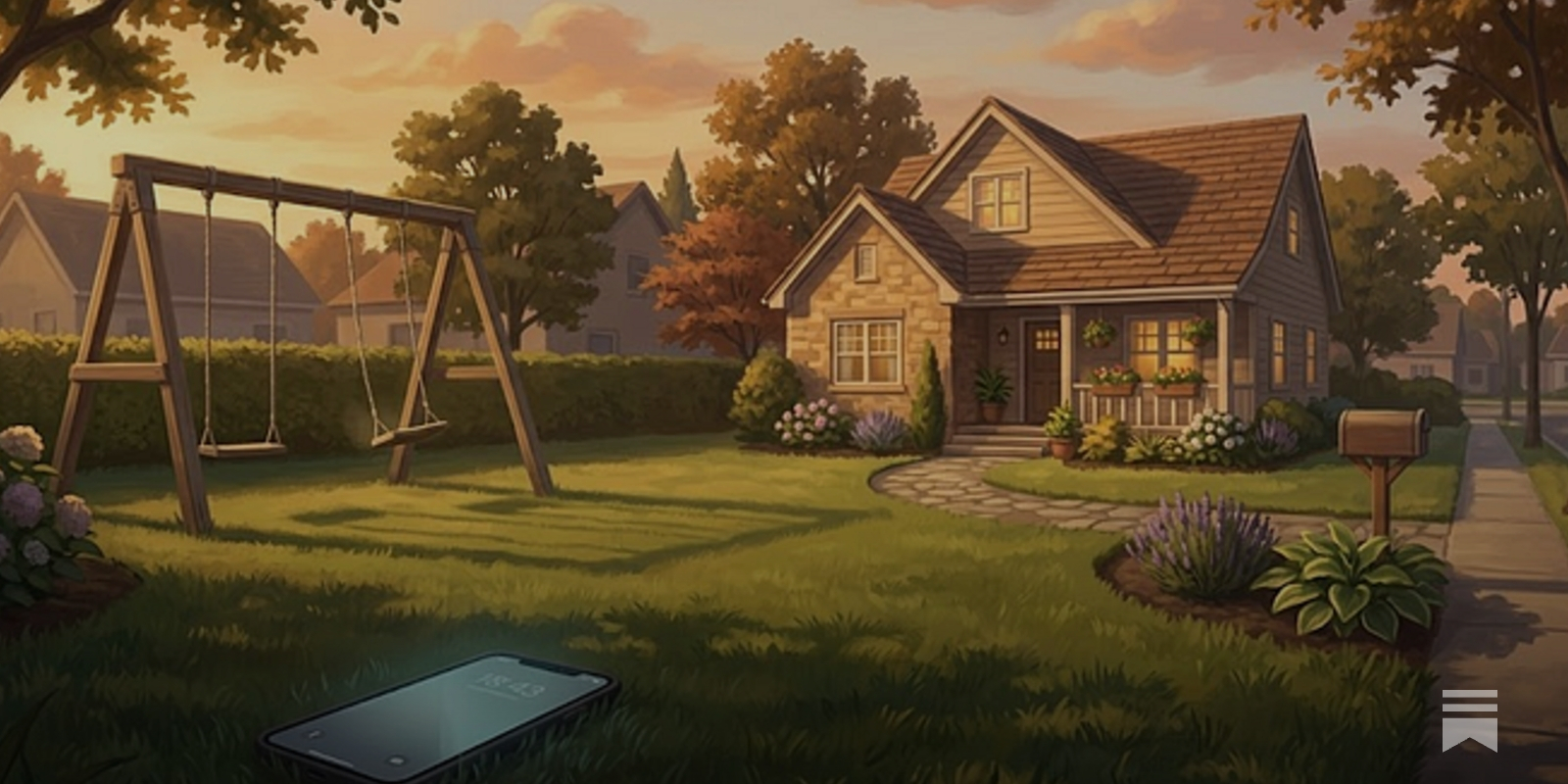
What if we stopped treating social care like a service? A small village community in Yorkshire showed me another way
A visit to my friend in a remote Yorkshire village led me into a three-month immersion in one of Britain’s most remarkable forms of social care.
Growing up in the online world: a national consultation
We are consulting on further measures to prepare children for the future in an age of rapid technological change. This includes potential age restrictions on social media and other services such as gaming sites and AI chatbots, restrictions on addictive design features and risky functionalities, and better support for parents and families.

Opinion | All Children Should Be Delinquents (Published 2014)
It’s how they learn right from wrong.
