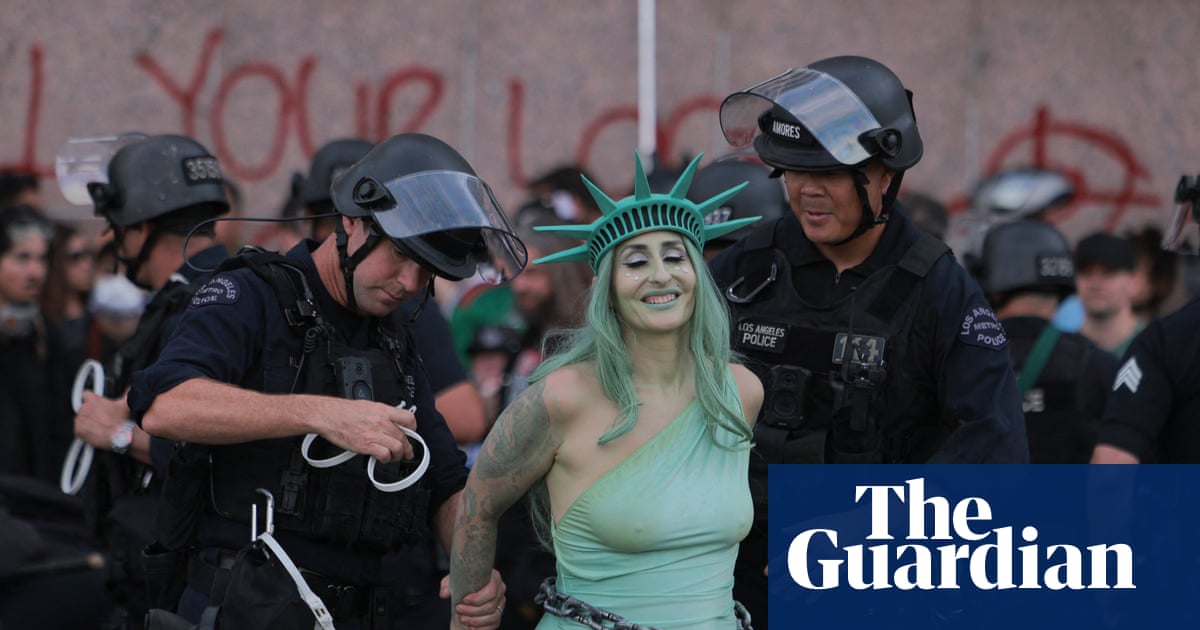
Under Trump an ultra-wealthy clique has infiltrated government, raising concerns about democratic integrity
Billionaires Gone Wild
Understanding the oligarchs’ power grab and the dire threat to American democracy
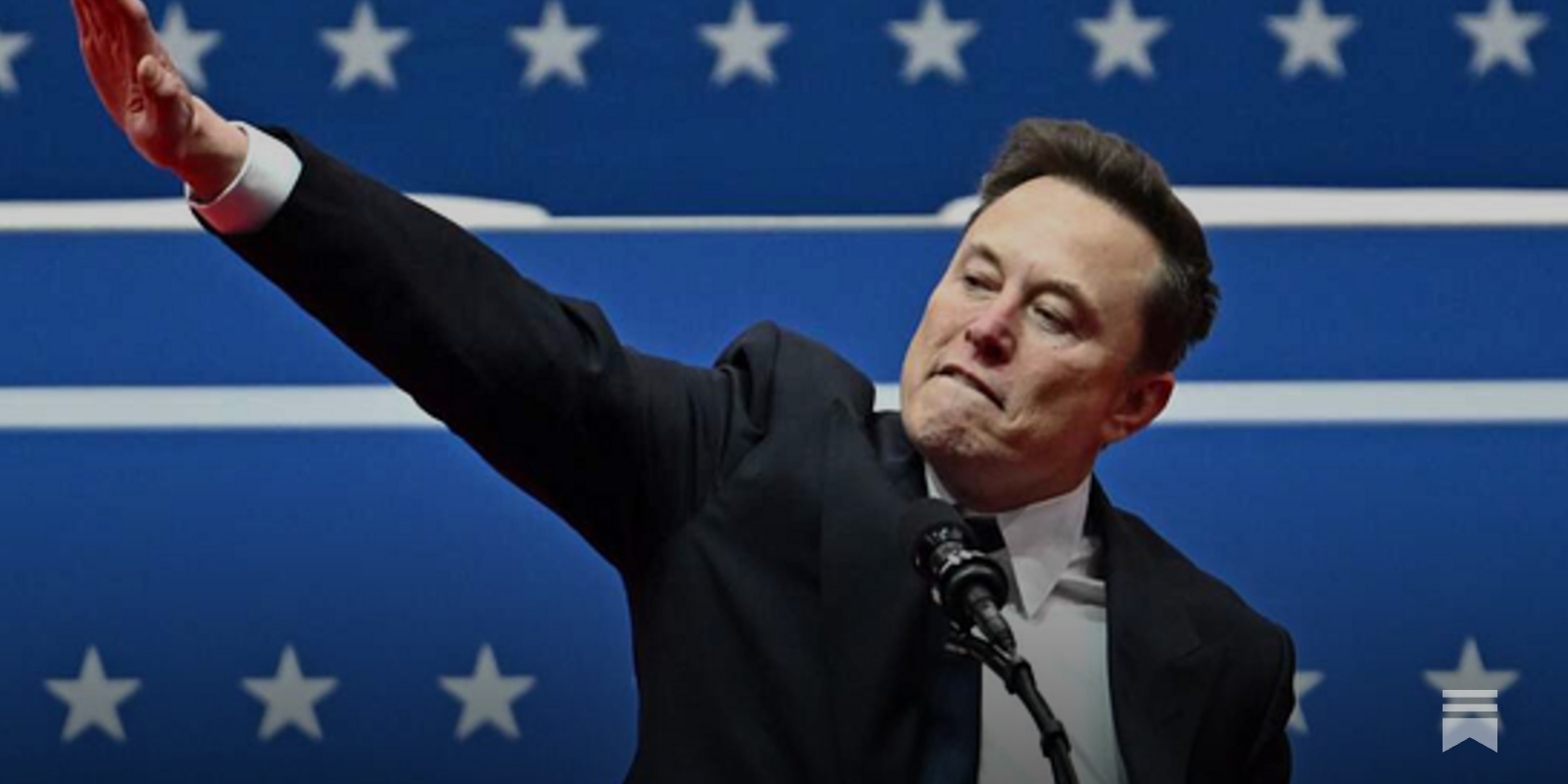

The Oligarchs' Coup Against the Free Press Is Happening Now
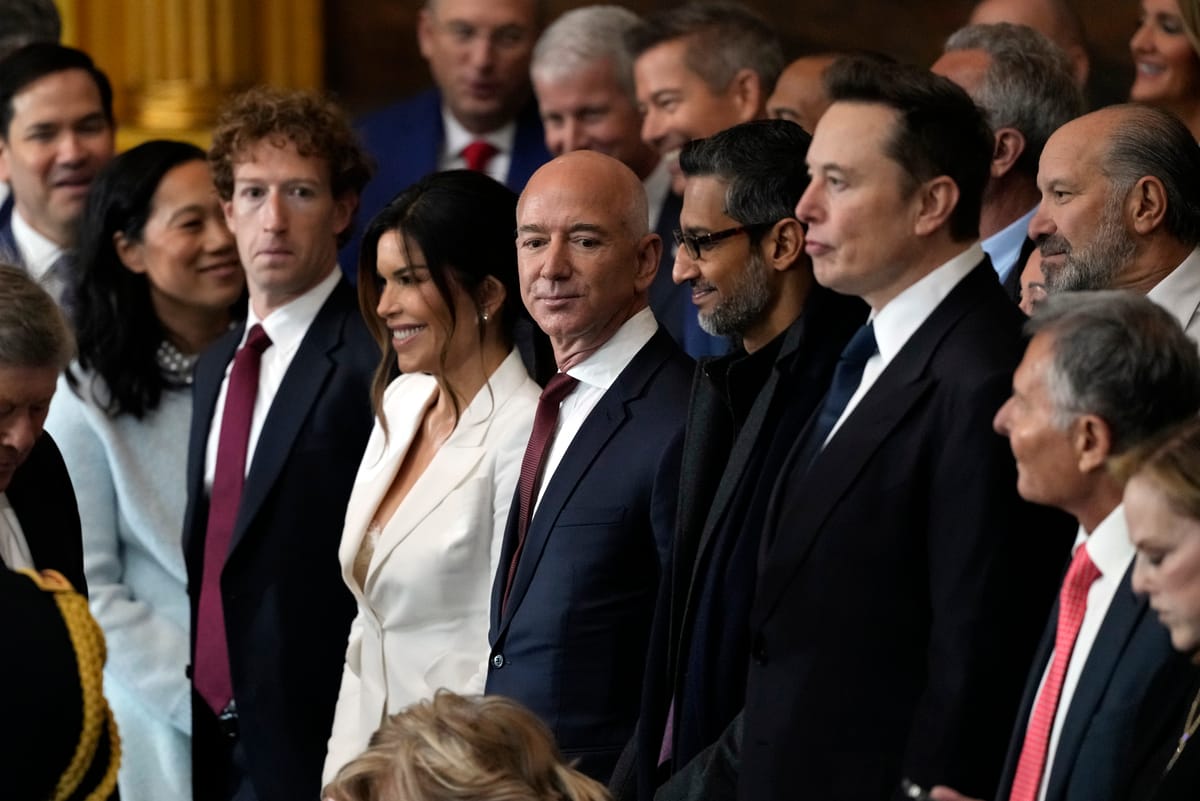
The American information space is not merely changing; it is undergoing a hostile takeover. It is a deliberate, coordinated campaign by a new class of oligarchs out of Silicon Valley that includes Jeff Bezos, Elon Musk, Larry Ellison, and Mark Zuckerberg acting in concert with a Trump-led authoritarian political project.
The Authoritarian Stack
How Tech Billionaires Are Building a Post-Democratic America — And Why Europe Is Next
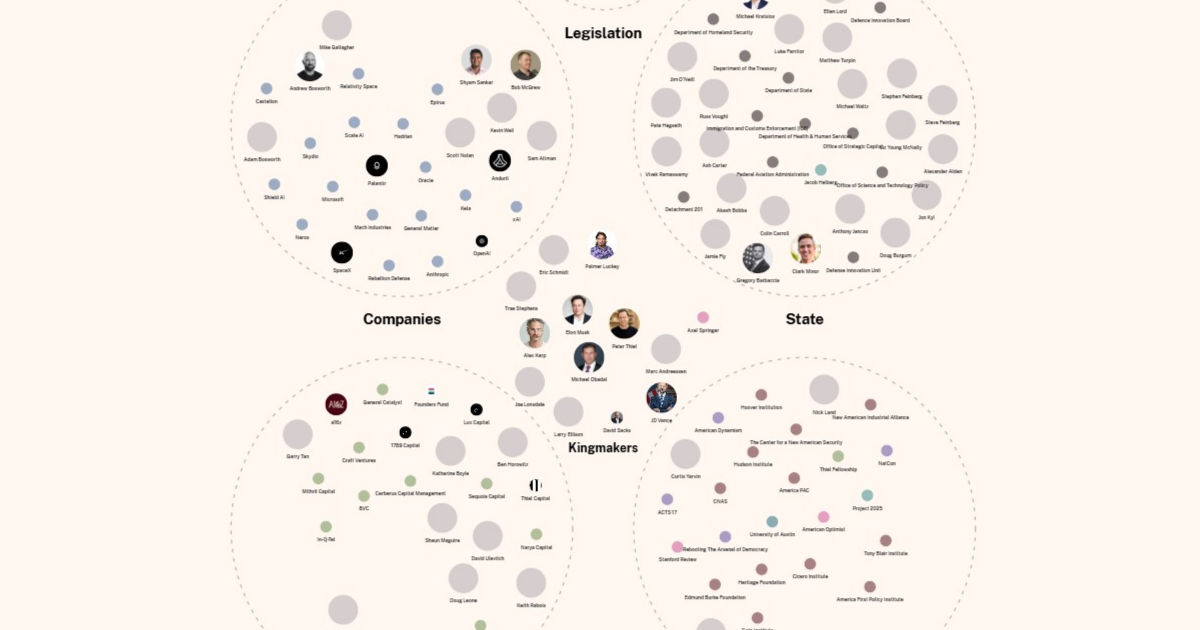
The Authoritarian Stack
How Tech Billionaires Are Building a Post-Democratic America — And Why Europe Is Next
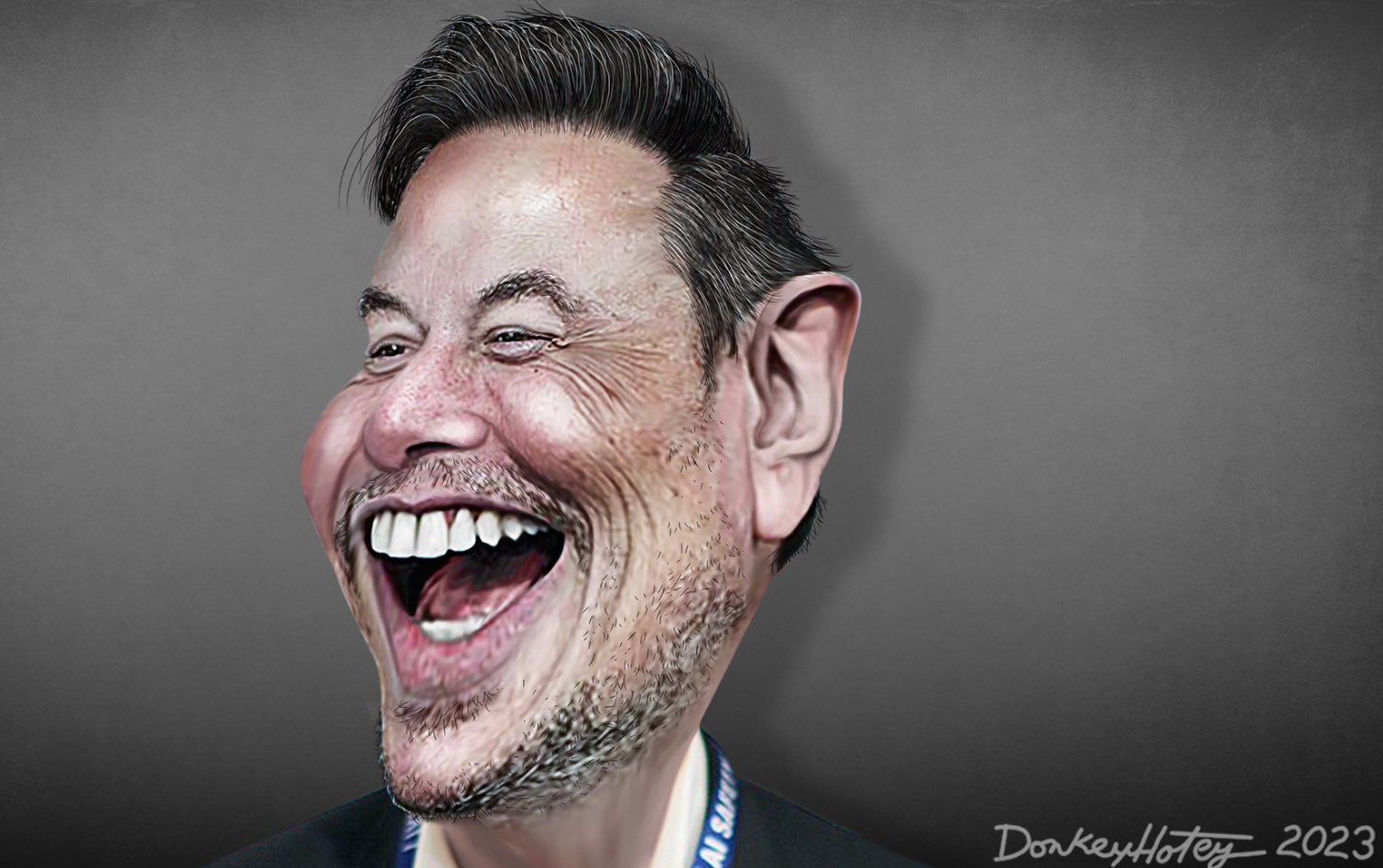
Elon Musk: The Normalizer of Fascism
The world's richest man needs you to believe fascist parties are part of the democratic spectrum
Regime Change: Inside the Imperial Presidency of Donald Trump
INSTANT #1 NEW YORK TIMES BESTSELLER “Regime Change is exceptional. It transcends its genre...the book is packed with news that will stay news...This is reporting of consequence.” —David Remnick, The New Yorker “A flabbergasting feat of political reporting.” —Tina Brown “Riveting and richly textured...What the authors add is the vivid detail that makes these events feel actual. They wrest reality itself back from the distorted world of entertainment, illusion, fantasy, and denial that Trump has generated around himself. It is this flood of provocation, atrocity, self-dealing, and fabrication that makes Haberman and Swan’s counternarrative so vital.” —Fintan O’Toole, The New York Times A riveting, intimate, and revelatory account of the most radical and consequential presidency of our time.From the two reporters who have covered him more closely than perhaps anyone else over the past decade comes this definitive portrait of Donald Trump in the White House. Regime Change covers the first year of Trump’s second presidency—a term liberated from every constraint that defined his first. The generals who once told him “no” are gone, and the lawyers who remain have learned to pick their battles. His administration has flouted court orders and he has claimed powers that Congress once checked. What remains is a President willing to take enormous risks that have upended global markets and toppled heads of state; an imperial President operating almost entirely on instinct alone. Based on hundreds of interviews and unprecedented reporting from deep within the administration’s most closely guarded rooms, Regime Change takes the reader inside the Situation Room and into the secret Oval Office deliberations that have launched a new war in the Middle East and seen Trump seal the border, surge National Guard troops into cities, and send immigration agents into deadly clashes with protestors. Maggie Haberman and Jonathan Swan bring us behind the scenes of a presidency that has transformed the culture, turned the Justice Department into an agent of retribution against the President’s enemies and the office itself into a brazen vehicle for profit. They reveal a second term propelled by a historical irony that Trump himself has come to understand: that the indictments, the convictions, the assassination attempts, and four years of exile made him not weaker but far more powerful, more vengeful, and more willing to gamble than any President in modern history. This is the story of how Trump has used that power, who has tried to stop him, and why nearly all of them have failed. It is also the story of something American journalists are more accustomed to chronicling in distant capitals than in their own: a President who has fundamentally altered the nature of the office he holds—and, with it, how the rest of the world understands American power. It is an account of Regime Change right here in America—a landmark real-time history of a modern presidency like no other.
Jeff Bezos Is Afraid Of What Comes Next
What comes after authoritarianism and the golden age of corruption? Billionaires are desperate to abuse their control of mass media to convince you it's anything other than good faith, popular, progressive reform.
How’s That Open Source Governance Working for You? | HackerNoon
Isn’t it weird that the radically democratic miracle of open-source collaboration is so full of monarchical dictatorships?
The Game of Oligarchy | Brewster Kahle's Blog
I just invented and played a game today with my family, and it worked great– it was fun and we learned an important lesson. Similar to the game “Monopoly” which shows that one person ends up monopolizing even though you think the rules are “fair,” the game of Oligarchy shows that the “free market” leads inexorably to one person getting all the money and everyone else going broke. And fast.
The 1% hide their money offshore – then use it to corrupt our democracy | Aditya Chakrabortty
From US billionaires to City barons, the super-rich are buying political influence as never before. Our politicians now work for them, not for us

'The Nerd Reich' tracks the 'unmasking of Silicon Valley's true politics'
Journalist Gil Durán argues that a small circle of Silicon Valley billionaires and venture capitalists have concluded that democracy is in their way — and that they should be governing in its place.

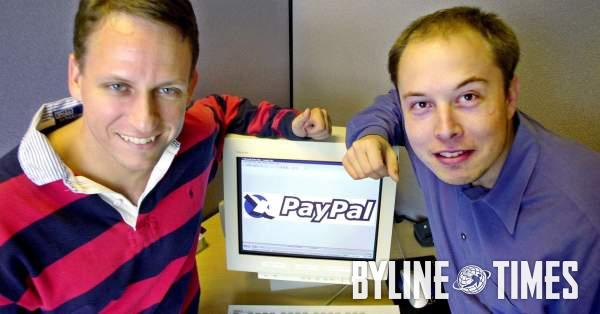
How Elon Musk and the Tech Billionaires Hijacked the State and Our Minds
Historian Quinn Slobodian tells Byline Times that Elon Musk's rise tells a deeper story—of fortunes built on state power, and a new politics where humans are treated less as citizens than as systems to be optimised
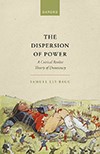
The Dispersion of Power: A Critical Realist Theory of Democracy
Abstract The Dispersion of Power is an urgent call to rethink centuries of conventional wisdom about what democracy is, why it matters, and how to make it better. Drawing from history, social science, psychology, and critical theory, it explains why elections do not and cannot realize the classic ideal of popular rule, and why prevailing strategies of democratic reform often make things worse. Instead, Bagg argues, we should see democracy as a way of protecting public power from capture—an alternative vision that is at once more realistic and more inspiring. Despite their many shortcomings, real-world elections do prevent the most extreme forms of tyranny, and are therefore indispensable. In dealing with the vast inequalities that remain, however, we cannot rely on standard solutions such as electoral reform, direct democracy, deliberation, and participatory governance. Instead, Bagg shows, protecting and enriching democracy requires addressing underlying inequalities of power directly. In part, this entails substantive policies attacking the advantages of wealthy elites. Even more crucially, deepening democracy requires the organization of oppositional, countervailing power among ordinary people. Neither task is easy, but historical precedents exist in both cases—and if democracy is to survive contemporary crises, leaders and citizens alike must find ways to revive and reinvent these essential democratic practices for the twenty-first century.
What happened to Bernie Sanders
"Using uncovered documents and other primary sources, Beck shows that Bernie Sanders lost to Hillary Clinton because he never had a chance to win. He illustrates how a web of forces, emanating from elite interests through the mainstream media and Democratic political establishment, and fronted by the Democratic National Committee, operated to ensure that Clinton would secure the nomination. The story of the 2016 Democratic primaries is not one of being "stronger together" or "making America great again"; it is one of how corruption has critically eroded America's political institutions to the point of crippling democracy itself."--Back cover

Democracy indicators in US at lowest levels for 50 years, data shows
Trump administration undermining rule of law at home and worldwide, according to intergovernmental report