


It is no longer sufficient for the US-China trade relationship to be driven solely by cost and efficiency
The Weaponized World Economy
When Washington announced a “framework deal” with China in June, it marked a silent shifting of gears in the global political economy. This was not the beginning of U.S. President Donald Trump’s imagined epoch of “liberation” under unilateral American greatness or a return to the Biden administration’s dream of managed great-power rivalry. Instead, it was the true opening of the age of weaponized interdependence, in which the United States is discovering what it is like to have others do unto it as it has eagerly done unto others.

European strategic autonomy as a double-edged sword? US perspectives in an Era of Sino-American competition
As the United States seeks to prioritise ‘competition with China’, debates have emerged about how this affects US engagements elsewhere. Europe occupies a contested role in this discussion. Traditi...

China’s globalisation paradox.
How can China dominate abroad while becoming less export-dependent?
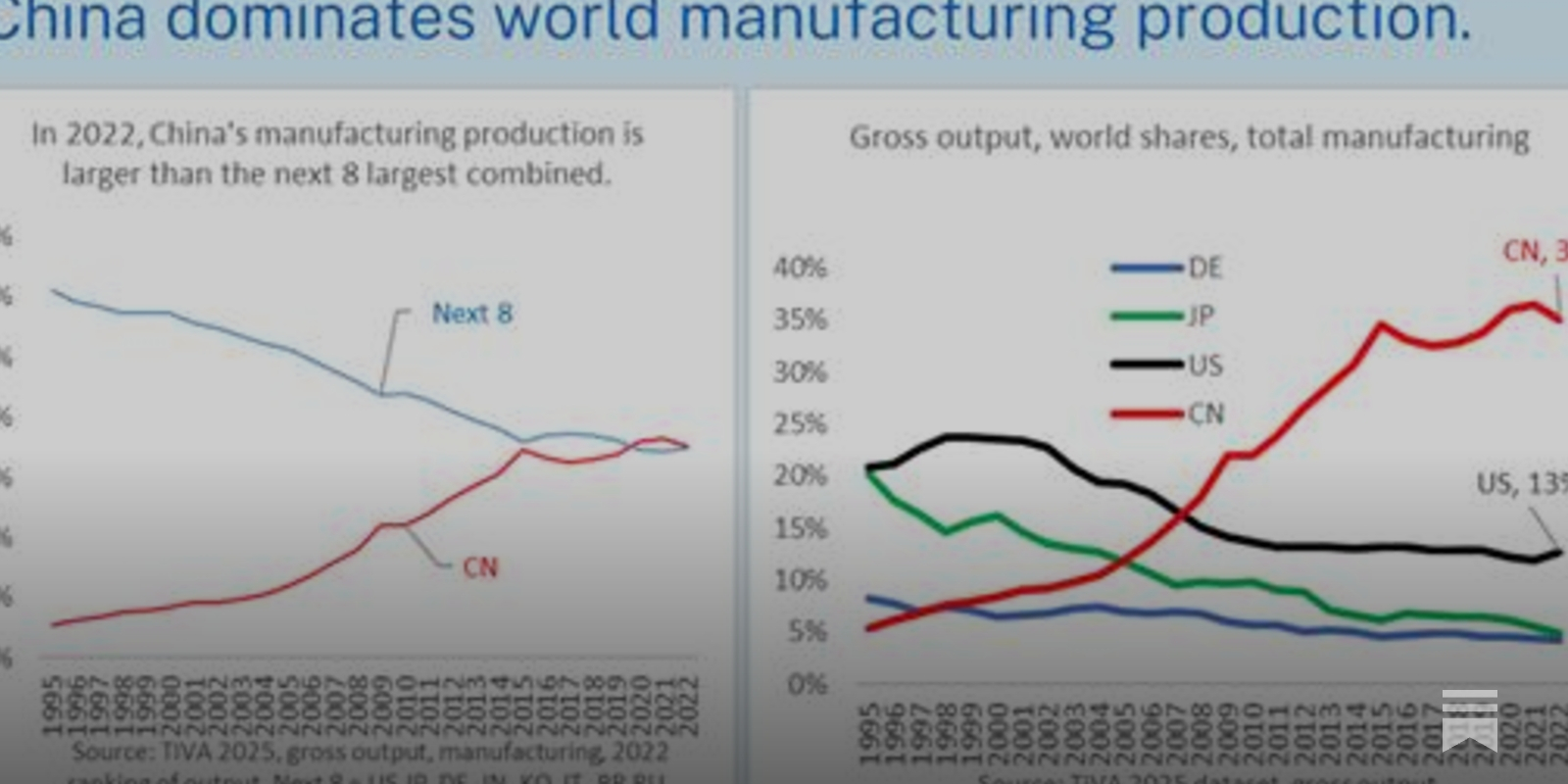
Le paradoxe de la mondialisation de la Chine
Traduction française du billet de blog "China’s globalisation paradox. How can China dominate abroad while becoming less export-dependent?" de Richard


We need an international alliance against the US and its tech industry
The United States must face consequences for economic warfare

The long game: China's grand strategy to displace American order | Brookings
What are China’s ambitions, and does it have a grand strategy to achieve them? If it does, what is that strategy, what shapes it, and what should the United States do about it? Rush Doshi attempts to provide an answer in his new book, "The Long Game."
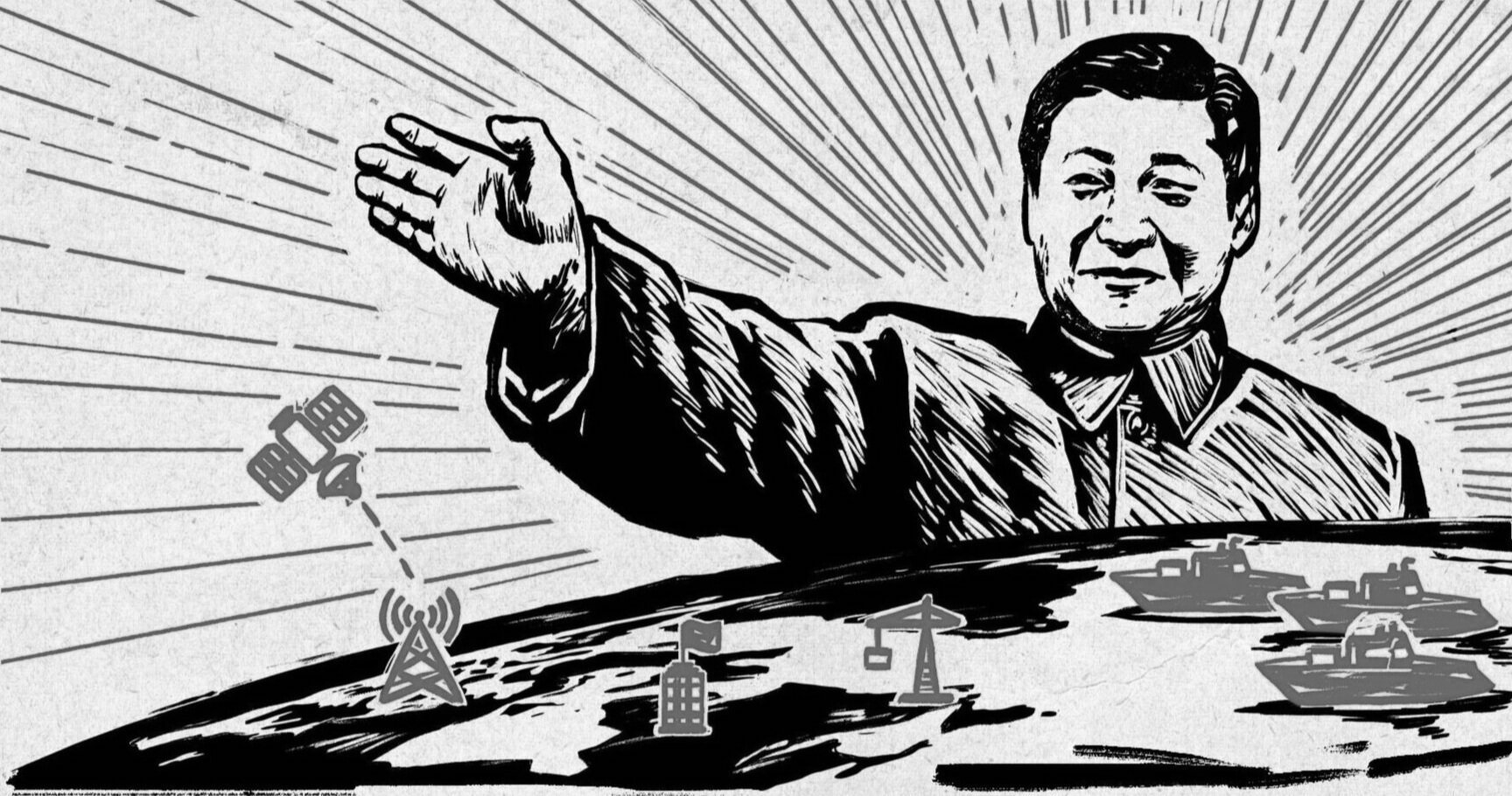
How Xi sparked China’s electricity revolution
Beijing’s aggressive pursuit of energy self-sufficiency could give it the upper hand in the trade war with the US

Trump’s tariffs: Disregarding lessons from history and scenarios and probable outcomes
History is full of evidence that tariffs harm economic performance. This column assesses the two waves of globalisation in modern history and how they were interrupted by barriers to trade. The first wave started in the mid-19th century and lasted until WWI, while the second wave started after WWII and lasted until the Global Crisis of 2008-09. The most likely scenario going forward will feature tariffs around 12-14% on average, a mild recession, and a small hit to US longer-run potential. However, achieving diplomatic normalcy may take years of good US behaviour, and it is unlikely during the Trump administration.
America's been arguing over trade for more than 250 years
As the United States marks the 250th anniversary of declaring its independence from Britain, Americans continue a tradition begun even longer ago: debating trade and tariffs. In recent years, disagreements over the US role in the world economy have grown particularly intense amid rising geopolitical tensions. A brief look at history offers an opportunity to reflect on the importance of international trade to the US economy over time.
China’s response to Belt and Road backlash
Many of the accusations serve geopolitical or economic purposes. They are not always logically coherent. Responsibilities of Chinese businesses are confused

The bazooka diplomacy of Trump’s tariffs
President Trump’s recent pronouncements on tariffs have received considerable attention from analysts, policymakers, and commentators. This column takes a step back and considers some of the broader arguments for raising tariffs – revenue, restriction, and reciprocity – and the potential repercussions. Even if Trump does not proceed with (all of) the announced tariffs, the increased uncertainty is likely to put off firms from trading with or from the US, lowering US exports and imports beyond the imposition of higher tariffs. In the longer term, we can expect a gradual decoupling of trade between the US and other countries.
China’s Solar Industry Is in Upheaval—The Effects Will Be Global
Rather than opening space for rivals, China’s solar industry shakeout is forging a more resilient core — embedding deeper into global value chains, securing a technological lead, and reshaping the industry’s future trajectory to its own long-term advantage.
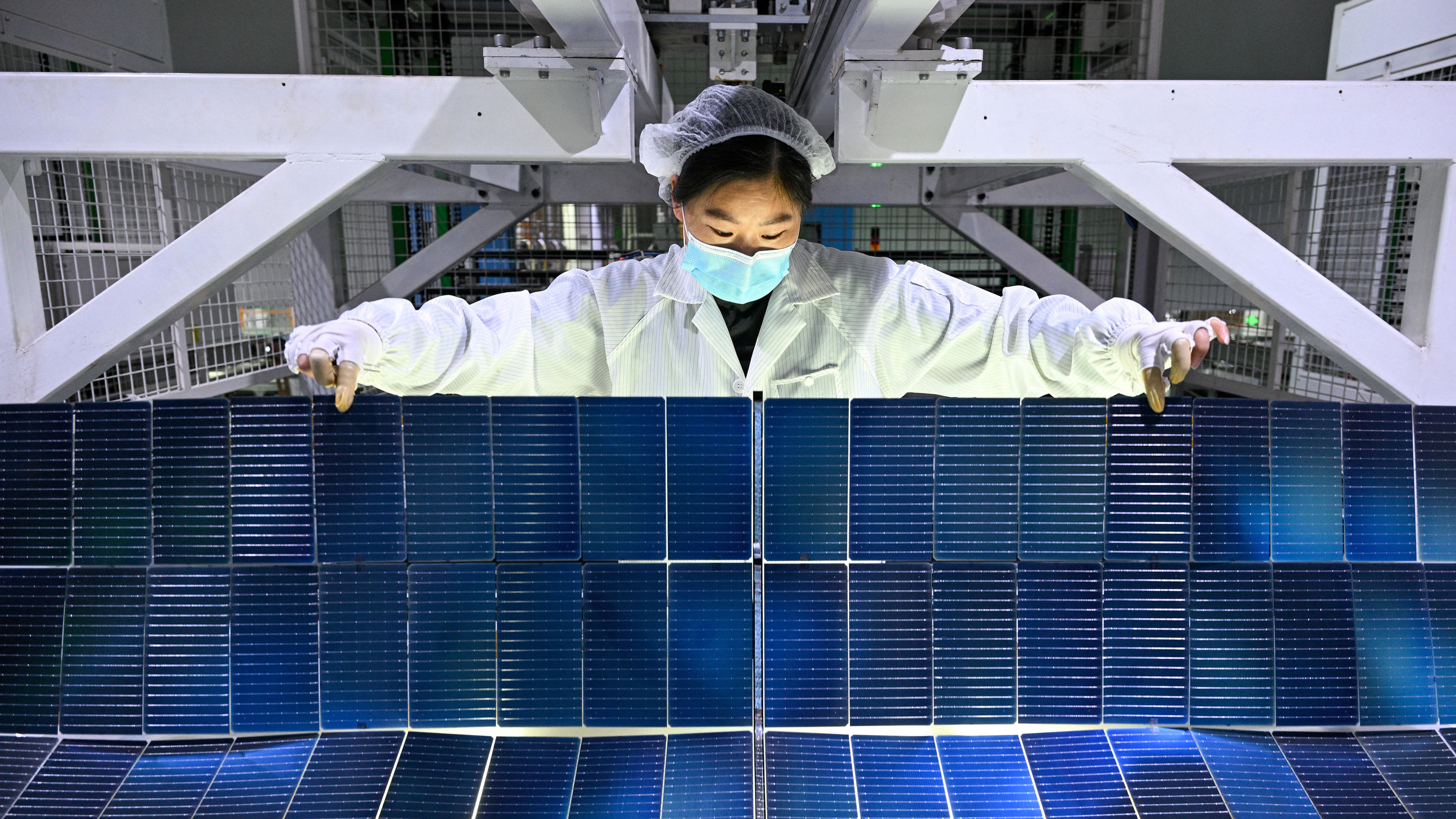
The Future, Made in China
Beijing is competing with the U.S. for tech supremacy. Who wins will have huge political implications.

China’s $143 billion push to dominate the global EV industry
After years of investing in Europe, Chinese EV and battery firms are turning to Asia, Africa, and Latin America

