Genomic language model has huge potential to redesign organisms such as bacteria
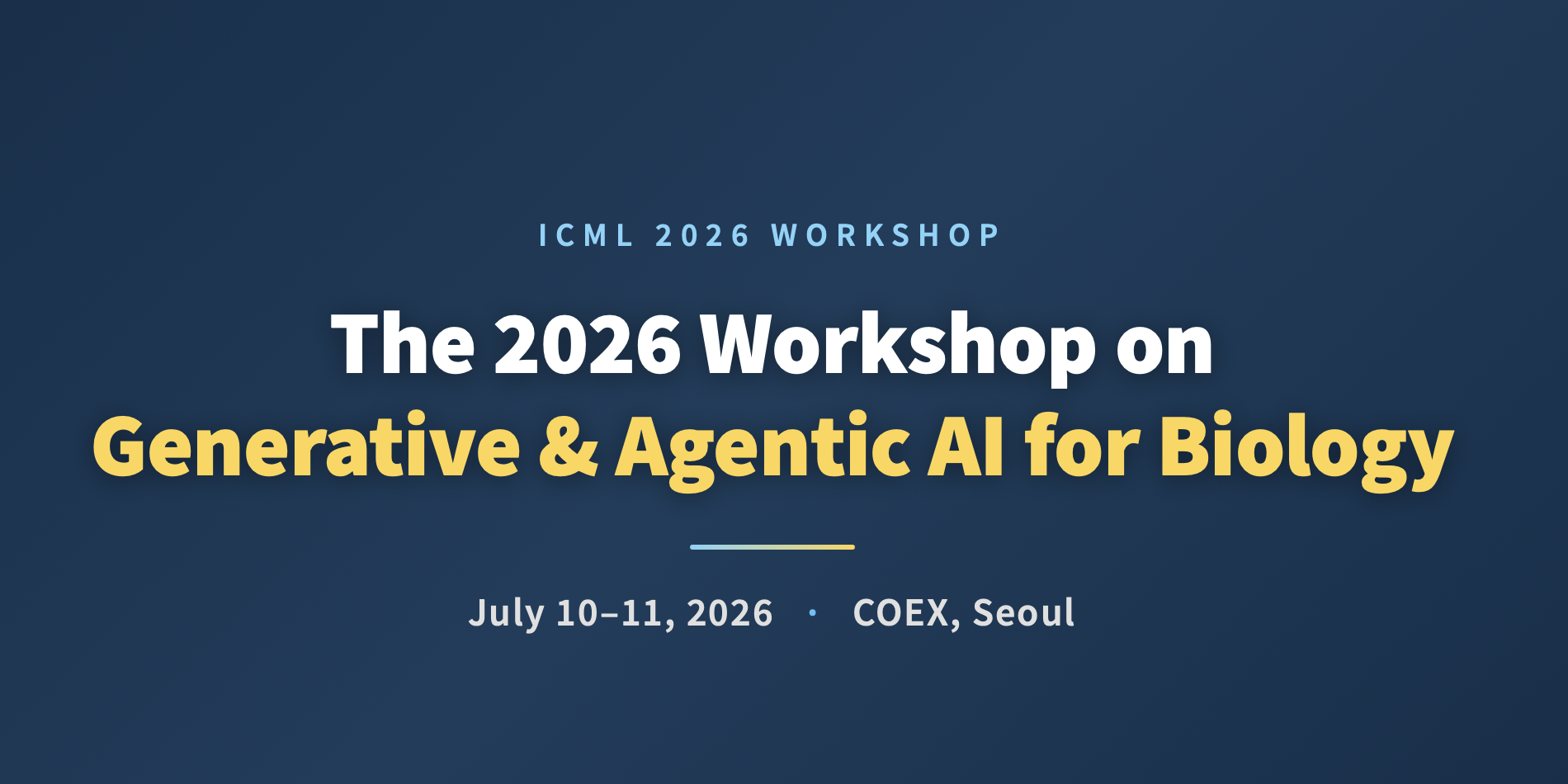
GenBio ICML Workshop 2026
The 2026 workshop on Generative and Agentic AI for Biology at ICML 2026, Seoul, South Korea.
Use of generative artificial intelligence | ÉPICBiodiversity
An alternative version of this document was initially drafted by Timothée Poisot with input from members of the Viral Emergence Research Initiative, and further revised based on a conversation with group members. For this reason, it is excluded from the CC BY-NC-SA license under which the rest of the website is published, and may not be reproduced without permission.
Import AI 467: Self-sustaining AI viruses; pacing AI progress; confusion about AI and creativity
When do we build the moon arcology?

The Thoughts The Civilized Keep
The hype around a new AI language generator reveals the sterility of mainstream thinking on AI today — and indeed on how we think about thinking itself.

David Bellamy on Twitter / X
I must be among an extremely small group of people (n=1?) that have both 1) trained a frontier LLM and 2) designed and synthesized custom viruses in a lab with my own two hands.And I think that the takes on AI killing us all by creating dangerous viruses is total bogus.— David Bellamy (@DavidRBellamy) September 13, 2026

AI is turning research into a scientific monoculture
Generative AI deserves scientific attention. But the rush to study it is producing a feedback loop of topical and methodological convergence, flattening scientific imagination and crowding out the pluralism needed to keep research adaptive, resilient, and intellectually generative.

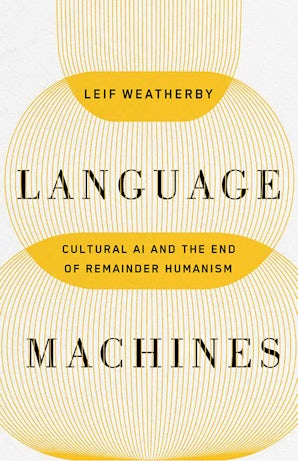
Language Machines
How generative AI systems capture a core function of language Looking at the emergence of generative AI, Language Machines presents a new theory of meaning i...
Import AI 459: AI oversight is difficult; scaling laws for protein folding models; and pricing the extinction risk of AI systems
Do you feel as though you are living in a revolution?

Why so many game developers don't want to use generative AI
With credits ranging from Dispatch and Marvel Rivals to Uncharted and Dragon Age, over 30 devs share their thoughts on gen AI

Agentic AI and the next intelligence explosion
For decades, the artificial intelligence (AI) “singularity” has been heralded as a single, titanic mind bootstrapping itself to godlike intelligence, consolidating all cognition into a cold silicon point. But this vision is almost certainly wrong in its most fundamental assumption. If AI development follows the path of previous major evolutionary transitions or “intelligence explosions,” our current step-change in computational intelligence will be plural, social, and deeply entangled with its forebears (us!).

Synthetic Biology of Plants and Microbes for Agriculture, Environment, and Future Applications
Agriculture is under pressure to provide food for a growing population and the feedstock required to drive the bioeconomy. Methods to breed and genetically modify plants are inadequate to keep pace. When engineering crops, traits are painstakingly introduced into plants one-at-a-time, combine unpredictably, and are continuously expressed. Synthetic biology is changing these paradigms with new genome construction tools, computer aided design (CAD), and artificial intelligence (AI). “Smart plants” contain circuits that respond to environmental change, alter morphology, or respond to threats. Further, the plant and associated microbes (fungi, bacteria, archaea) are now being viewed by genetic engineers as a holistic system. Historically, plant health has been enhanced by many natural and laboratory-evolved soil microbes marketed to enhance growth or provide nutrients, or pest/stress resistance. Synthetic biology has expanded the number of species that can be engineered, increased the complexity of engineered functions, controlled environmental release, and can assemble stable consortia. New CAD tools will manage genetic engineering projects spanning multiple plant genomes (nucleus, chloroplast, mitochondrion) and the thousands of genomes of associated bacteria/fungi. This review covers advanced genetic engineering techniques to drive the next agricultural revolution, as well as push plant engineering into new realms for manufacturing, infrastructure, sensing, and remediation.

AI-designed nucleases build on nature’s design
Researchers used AI to create variants of a CRISPR-Cas12-like nuclease, some of which show increased editing activity

Strengthening biosecurity in the era of AI
AI is reshaping biology, unlocking breakthroughs while raising new risks. Learn how smarter safeguards can strengthen biosecurity without slowing innovation.

Microsoft’s AI Red Team Has Already Made the Case for Itself
Since 2018, a dedicated team within Microsoft has attacked machine learning systems to make them safer. But with the public release of new generative AI tools, the field is already evolving.

Import AI 475: Swarm scaling; Google DeepMind watermarks biology; and the AI science economy
Who chooses what AI gets to do?