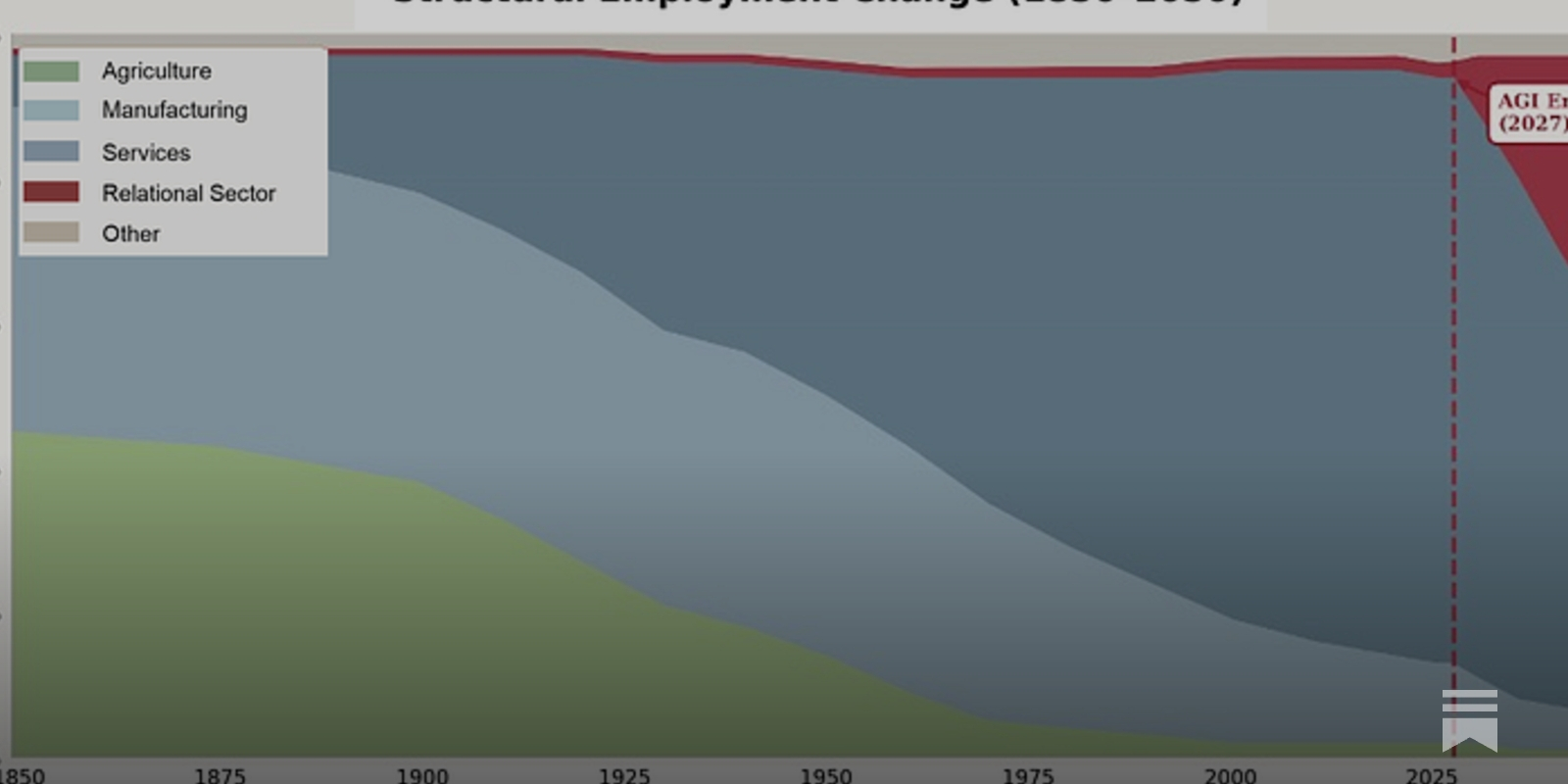
Tech, trade, finance and military policies are mingling in a manner not seen during the neoliberal era
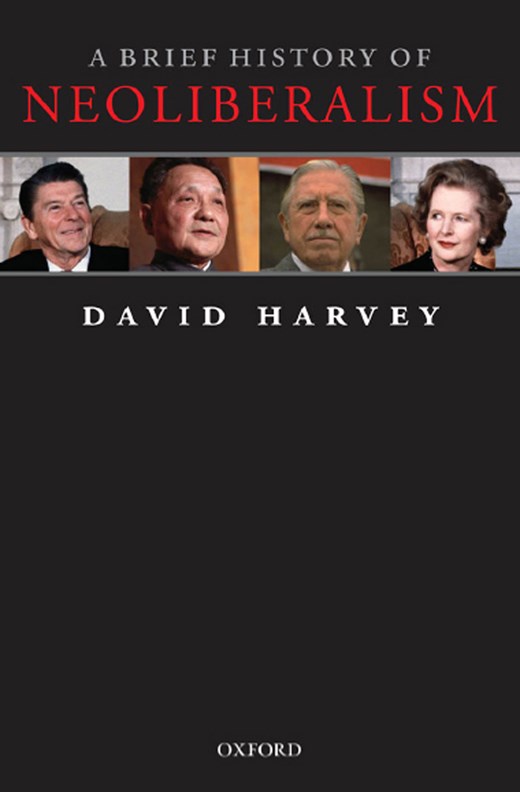
A Brief History of Neoliberalism
Abstract. Neoliberalism--the doctrine that market exchange is an ethic in itself, capable of acting as a guide for all human action--has become dominant in
Exocapitalism: economies with absolutely no limits
There is a touch of destiny with this one. We have real…

Imperial State Capitalism
A new geopolitics is shaping the development of AI and the energy transition.

The Weaponized World Economy
When Washington announced a “framework deal” with China in June, it marked a silent shifting of gears in the global political economy. This was not the beginning of U.S. President Donald Trump’s imagined epoch of “liberation” under unilateral American greatness or a return to the Biden administration’s dream of managed great-power rivalry. Instead, it was the true opening of the age of weaponized interdependence, in which the United States is discovering what it is like to have others do unto it as it has eagerly done unto others.

Neoliberalism – the ideology at the root of all our problems
Financial meltdown, environmental disaster and even the rise of Donald Trump – neoliberalism has played its part in them all. Why has the left failed to come up with an alternative?
The Quiet Rewiring of American Finance
Stablecoins, Treasury markets, and the most significant shift in financial infrastructure that almost nobody is discussing.

annotations: Introduction à la géoéconomie
Traduction française de l'article "Geoeconomics" de Cathrin Mohr & Christoph Trebesch
Preface | The World After Capital
Since publishing the previous version of The World After Capital, I have met with people across the political spectrum to discuss the ideas from the book. When I present these in person, I emphasize that the ideas are neither left nor right but forward (credit to Scott Santens who first used this phrase about Universal Basic Income). My writing, however, at times has alienated readers who identify as being more on the right. In this new edition, I am therefore making an extra effort to emphasize how both my diagnosis of where we are at and my suggestions for how to move forward do not map onto the existing political divides. Instead this is a new way of understanding our challenges and opportunities that can be the basis for movements and parties that are not trapped in Industrial Age ideology.
Toward a Critical Technical Practice
This is a chapter in Geof Bowker, Les Gasser, Leigh Star, and Bill Turner, eds, Bridging the Great Divide: Social Science, Technical Systems, and Cooperative Work, Erlbaum, 1997.
Toward a Critical Technical Practice
This is a chapter in Geof Bowker, Les Gasser, Leigh Star, and Bill Turner, eds, Bridging the Great Divide: Social Science, Technical Systems, and Cooperative Work, Erlbaum, 1997.
New Latin American Perspectives on the History of Neoliberalism — History & Political Economy Project
A roundtable discussion with César Castillo-García, Matilde Ciolli, and José Antonio Galindo Domínguez

The Triumph of Broken Promises — Harvard University Press
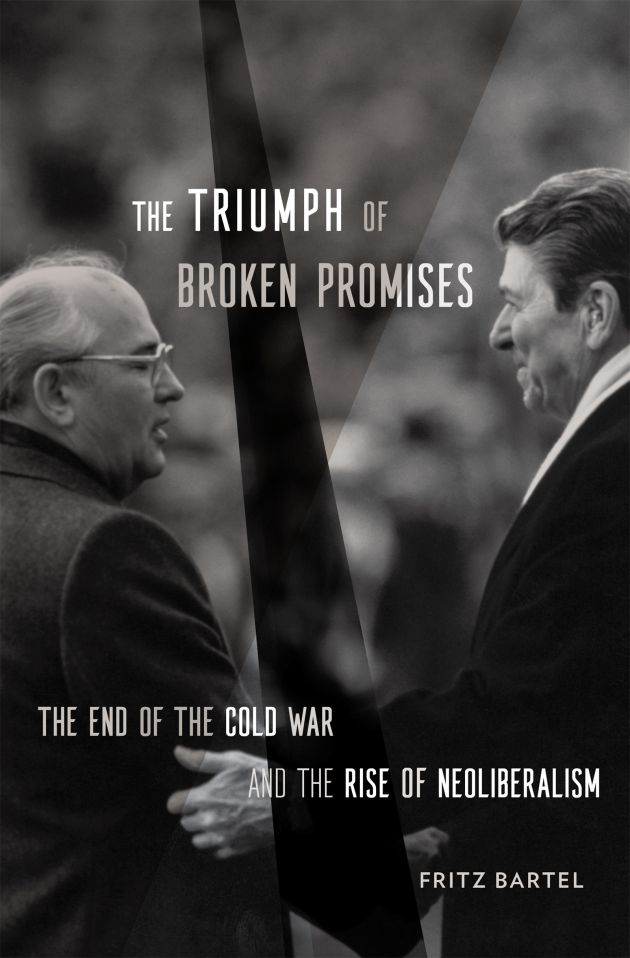
A powerful case that the economic shocks of the 1970s hastened both the end of the Cold War and the rise of neoliberalism by forcing governments to impose austerity on their own people.Why did the Cold War come to a peaceful end? And why did neoliberal economics sweep across the world in the late twentieth century? In this pathbreaking study, Fritz Bartel argues that the answer to these questions is one and the same. The Cold War began as a competition between capitalist and communist governments to expand their social contracts as they raced to deliver their people a better life. But the economic shocks of the 1970s made promises of better living untenable on both sides of the Iron Curtain. Energy and financial markets placed immense pressure on governments to discipline their social contracts. Rather than make promises, political leaders were forced to break them.In a sweeping narrative, The Triumph of Broken Promises tells the story of how the pressure to break promises spurred the end of the Cold War. In the West, neoliberalism provided Western leaders like Ronald Reagan and Margaret Thatcher with the political and ideological tools to shut down industries, impose austerity, and favor the interests of capital over labor. But in Eastern Europe, revolutionaries like Lech Walesa in Poland resisted any attempt at imposing market discipline. Mikhail Gorbachev tried in vain to reform the Soviet system, but the necessary changes ultimately presented too great a challenge.Faced with imposing economic discipline antithetical to communist ideals, Soviet-style governments found their legitimacy irreparably damaged. But in the West, politicians could promote austerity as an antidote to the excesses of ideological opponents, setting the stage for the rise of the neoliberal global economy.
L'ère de la fragmentation opportuniste : penser la finance du développement après Trump | Le Grand Continent
« America First is not America alone ». Sur le multilatéralisme et les institutions de Bretton Woods, Washington tente par tous les moyens de tordre à son avantage le système — sans en sortir complètement. La finance du développement pourrait être à un tournant. En cartographiant cette mutation, Martin Kessler formule des hypothèses sur la forme que prendrait le nouvel ordre.
Attention Is All You Need #2: This Time Is Different
What can we learn from the 2007 Global Financial Crisis and the 1990’s dot-com bubble?


What will be scarce?
The economics of structural change and the post-commodity future of work