

COPPA imposes certain requirements on operators of websites or online services directed to children under 13 years of age, and on operators of other websites or online services that have actual knowledge that they are collecting personal information online from a child under 13 years of age.
U.S. Social Media Regulations for Minors
The digital lives of American children and teenagers have become a focal point of intense national debate and legislative action. ContentsThe Federal Foundation: The Children’s Online Privacy Protection Act (COPPA)The State-Level Surge: A Patchwork of New RulesThe Next Generation of Federal Law: Congress Weighs InThe Constitutional Crossroads: Free Speech vs. State RegulationThe Great Debate: Voices […]

The KIDS Act Would Require Age Checks To Get Online
Buried inside the KIDS Act are provisions that will push online services to verify all users’ ages, require government-directed moderation policies for online speech, and even create new rules about
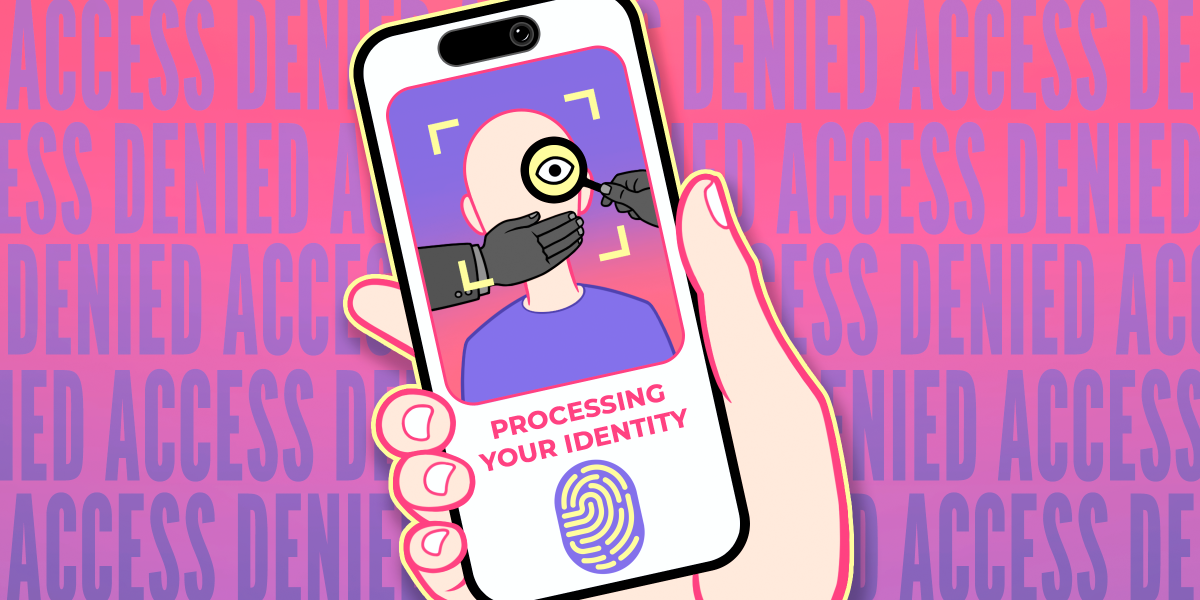
Online age verification systems fail to protect children | Proton
Do online age verification systems improve child safety? See how age restrictions and age checks fall short, and what that means for privacy and protection.

Commission publishes guidelines on the protection of minors
On 14 July 2025, the Commission has published its guidelines on the protection of minors under the DSA to ensure a safe online experience for children and young people.
Teen and Parent Perspectives on Approaches to Age Verification
Age verification (AV) is being rolled out by online services to comply with new laws in Europe and across states in the United States. Proposed legislation at the federal level in the U.S., such as the Kids Off Social Media Act and the Kids Online Safety Act, may also result in increased adoption of AV […]

The Dangers of Age Verification Provisions
One proposed solution to ensuring safe youth online experiences is age verification provisions, which require platforms to confirm the ages

#cybersafety #ageverification #privacy #minors #ai | Parry Aftab
Internet Age-Verification Causing More Risks than It’s Worth This is not a new issue. Regulators and policymakers have raised it for the last 28 years as the way the keep kids safer online. They compare it to having to flash an ID to purchase regulated content or items (porn, cigarettes, alcohol, restricted medications, age-restricted movies, amusement rides, etc.) But verification online is very different and vastly riskier than flashing an ID in real life. For one, it’s collecting personally-identifiable information about our kids. For two, it puts that information in the too-often untrustworthy digital hands of tech companies. For three, while porn, alcohol and regulated drugs may be a clear-cut case for restricting access to adults, access to the Internet is very different. Yet, regulations begun in the UK and adopted globally have begun a weighted cybersafety approach that, in my humble opinion, prefers excluding young people from digital technology over teaching the cybersafety and digital life skills. That, in my 32 years of work in the fields of cybersafety and protection of minors online, was and remains a mistake. One of my best known quotes, repeated in Congressional and state legislative testimony and in the media is: “The greatest single risk our children face online is being denied access. We have solutions for everything else.” (my testimony before the FTC) Some proponents of age-verification have opted to denying them access unless they give up confirmable personally-identifiable info, such as selfies, feeding AI with PII, and govt or school credentials. I argue that this gives social networks, game providers and digital app operators a wealth of PII to be used for profiling, marketing and collecting far too much. With their privacy at stake, too often incompetent, malicious and greedy producers and mega-tech industry players, can’t and shouldn’t be trusted with the personal info of our most vulnerable - our kids. And AI will now be tasked with collecting everything it can find about our kids to be able to “age-verify.” (It’s ability to age-verify is less reliable with youth as their data-sets are more limited.) I served on a task force appointed by 49 state attorneys general, charged to research and weigh-in on this issue. We concluded that age-verification wasn’t feasible. While this task force was formed many years ago, with the exception of a fortified AI, not much as changed. Our children’s privacy remains, or should remain, paramount. We have robust filtering and blocking technologies. The adult industry has adopted an age-gated model. And parents can restrict access using device-specific tools. And, many well-intentioned age-verification laws were adopted too quickly for thoughtful discourse. Or by governments more prone to censorship/content restrictions. I fear in our quest to protect our kids we have thrown our babies out with the bath water. #cybersafety #ageverification #privacy #minors #AI

Supreme Court Upholds Age Verification: A Game-Changer for Child Online Safety Laws – Public Interest Privacy Center
The "Segregate-and-Suppress" Approach to Regulating Child Safety Online
<div> In an effort to protect children online, regulators around the country and the world are enacting laws that compel Internet publishers to age-authenticat

What Would Online Age Verification Mean for Speech, Privacy, and Youth Online Safety?
Age assurance across Europe: how countries are safeguarding minors online
In 2024, regulators and online service providers fully aligned around the Digital Services Act (DSA), a groundbreaking piece of legislation that regulates the provision of online services within the EU, regardless of whether the provider is based in Europe or not. This year, the focus has shifted to implementing these legislative principles in practice. In particular, measures aimed at safeguarding minors have gained significant momentum, with age verification being a key example.

Online age-verification tools spread across U.S. for child safety, but adults are being surveilled
New age-verification laws and tools are designed for child safety on social media and the internet, but adults are in the crosshairs, say privacy experts.

Age verification: Child protection or privacy risk?
With more platforms and governments asking for age verification, we look at the options and the implications.

Children’s Online Privacy Protection Act
Children's Online Privacy Protection Act, addresses the collection, use, and disclosure of personal information about children collected from children through websites or other online services.

Age Verification Mandates Would Undermine Anonymity Online
Age verification systems are surveillance systems. Mandatory age verification, and with it, mandatory identity verification, is the wrong approach to protecting young people online. It would force

Children’s Rights and Online Age Assurance Systems
Abstract Age assurance is a way to prevent children accessing content, products or services that are potentially harmful to them, ranging from gambling services or alcohol or tobacco or, increasingly, certain products and services online. Now that children’s lives are mediated by digital technologies, policymakers are deliberating over the legal, technical and practical challenges. These have been little examined from the perspective of children’s rights. By combining legal and social research methods, this article examines the legal requirements for age assurance in Europe, assesses compliance by companies and reveals the consequences for family life. In law and practice, we show that age assurance is often ineffective in protecting children from online risk of harm. Further, as currently implemented it risks children’s other rights – to non-discrimination, privacy, to be heard, and their civil rights and freedoms, and remedy. We identify promising directions for the use of age assurance in child online protection, focusing on European policy, regulators and civil society actors.
