Perhaps you are a skilled technologist. But beware: If your personality is as scintillating as a dish rag, you could jeopardize your open source projects.
The Minimally-nice Open Source Software Maintainer
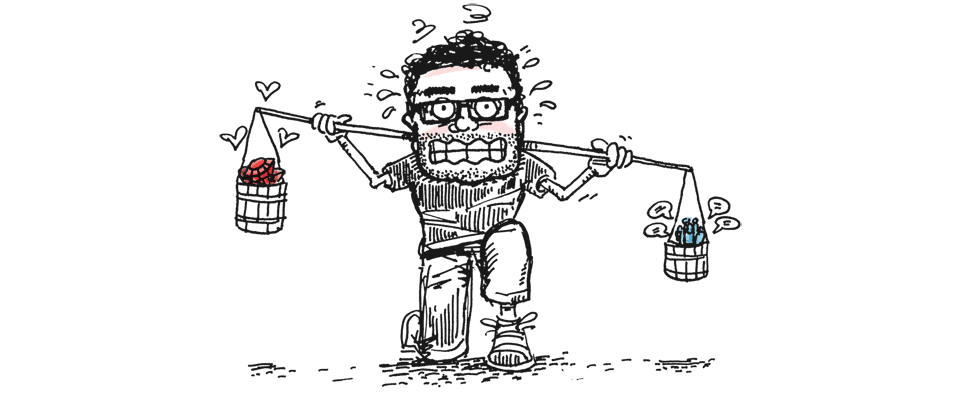
Being involved in open source software is rewarding, yeah? You start off contributing to your favorite project, and it feels so heartwarming when that project’s maintainers recognize your effort. Then a few years later you somehow end up responsible for that project, and maybe some satellite projects, and people are clamoring for your attention, and your inbox is never empty, and it’s exhausting and terrifying, and the skills necessary to cope with all the personalities involved are entirely different from the skills you used to get your foot in the door in the first place.
Making your open source project newcomer-friendly
One reason I really like open source is that it offers a lot of great opportunities for newish programmers to get some hands-on experience with real world problems. There’s only so much one can learn …

Open Source Guilt & Passion
I was on In Beta a while ago, and we talked about the “guilt” that comes with maintaining open source projects. I feel both intensely passionate and exceptionally guilty with how I contribute to open source. I love getting patches into new projects, and the needs of existing projects …
Open Source Explained — Open Indie
Musings on the concept of ‘open source’, in the broadest possible definition of the term. Also an invitation to become a participant in ...

Why open source: 25 reasons to embrace it | Ben Balter
Open source isn't a fad. Here are twenty-five economic, moral, and personal reasons your organization should embrace it.
I Don’t Want to Know What “Open Source” Means
I am he as you are he as you are me and we are all on GitHub.

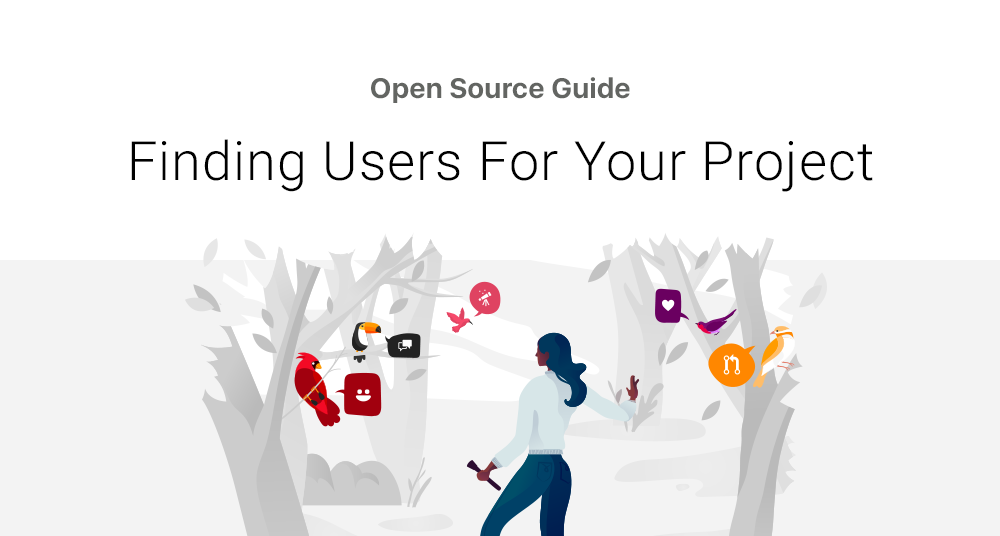
Finding Users for Your Project
Help your open source project grow by getting it in the hands of happy users.
Passive Open Source
I used to be an active contributor to open source projects, but that was when I was still in college - I had a lot of free time and it was some good learning experience. I even managed to get involved with several open source projects when I start my first job in a big company.
Non-Coding Contributors in Open Source
The tradition of privileging only technical skills triggers imbalance and inequality.

Degrees of Open Source
I realized that I never captured what I learned about the nature of open source projects anywhere, so here’s one attempt to rectify this omission. The way I understand the concept of “open source” …

Setting an Open Source Strategy
The majority of companies that use open source understand its business value and identify its advantages in efficiency, flexibility, interoperability, and speed of innovation. Yet only half of these companies report practicing basic open source management, such as community development, code maintenance, and the like, according to the latest Future of Open Source survey.
I hate the term “open source”
It doesn’t accurately reflect how people are building today anymore.

Why designing for open source can be so difficult
I design interfaces and ship the code myself. Portfolio and writing from Gilli Sigurdsson.
How to become an amazing contributor (to an open source project)
It's a busy morning here in New York City. My email inbox is full of pleasant surprises. The first is a patch for one of my open source projects. A second will appear this afternoon. A third should come late at night—or maybe tomorrow–from a new contributor. Alongside my day job, I contribute and manage open source projects. The number of projects I work on has grown from a couple of small tools to well over a dozen in the last three years. Open source has become a great way to learn new technology, experiment with modern software development practices, and, of course, meet other like-minded engineers. I find that seeing great contributors send working and tested code provides a unique feeling of accomplishment, as powerful as having many satisfied users of my own applications or strong revenues posted by the employer that pays my bills.