


We convene researchers, builders, and institutions to develop the funding mechanisms, governance systems, and coordination tools that public goods need in an age of AI.
Who Pays for the Commons?
Three and a half years after the emergence of generative AI as a new technology paradigm, there is broad agreement that AI companies have extracted enorm...

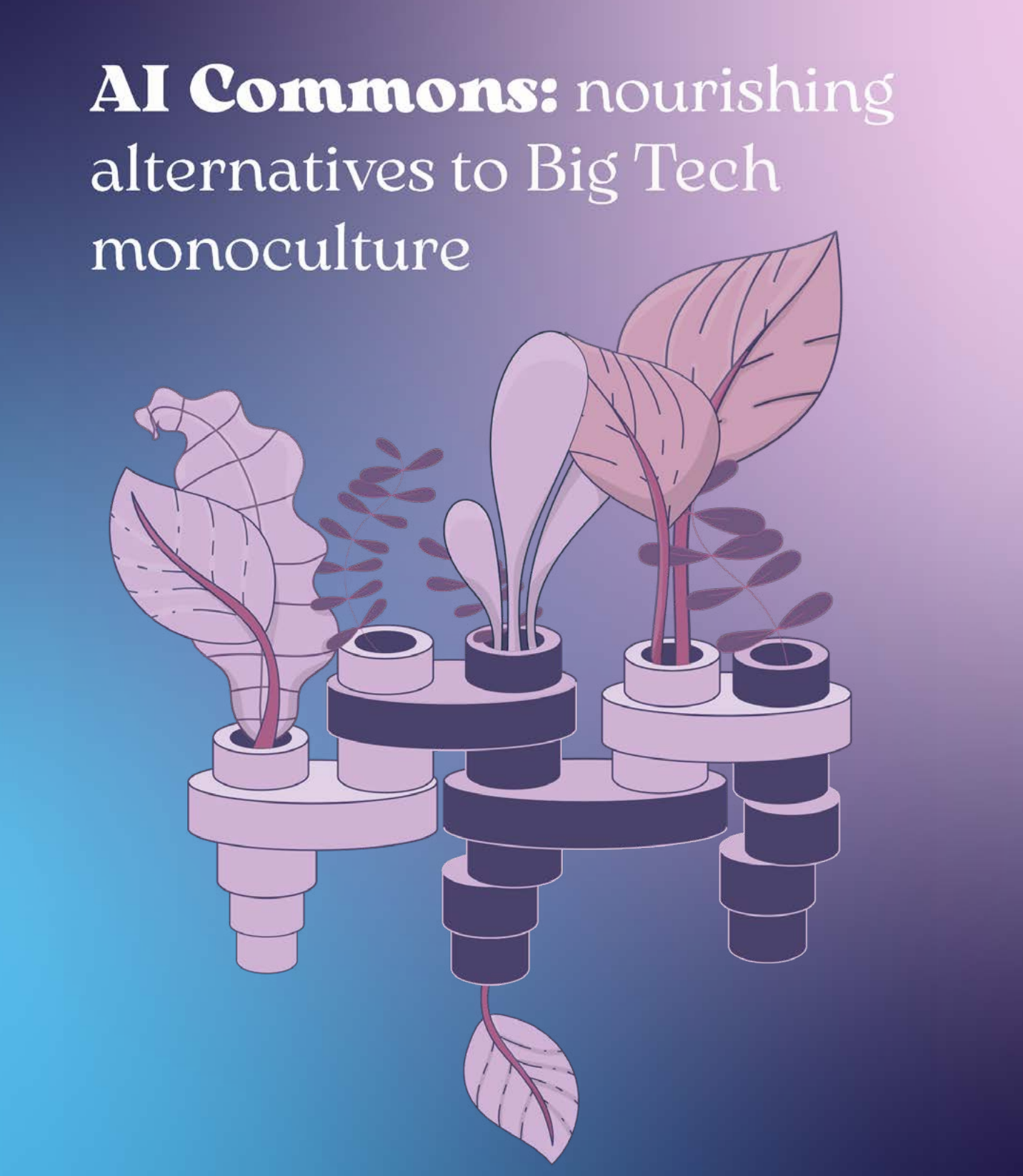
AI Commons - One Project
What if we could redefine AI? What if we could shift its development from a capitalist model to a more disruptive, inclusive, and decentralized one?
Reinventing Commons Governance in Modern Times | David Bollier
I gave the following remarks about commons governance on September 27 as part of the U!REKA Lab Lecture Series. U!REKA -- which stands for Urban Research and Education Knowledge Alliance -- is a consortium of eight European universities that studies urban commons. The subtitle of my talk was "Find Answers by Living the Questions."
Generative AI and the Digital Commons — The Collective Intelligence Project
The aim of this paper is to build models of governance for generative foundation models that enable broadly shared benefit. Our initial hypothesis is that data is a high-value lever of governance. Many of these models are trained on publicly available data and use public infrastructure, but 1) may d
Think Like a Commoner | A Short Introduction to the Life of the Commons
In our age of predatory markets and make-believe democracy, our troubled political institutions have lost sight of real people and practical realities. But if you look to the edges, ordinary people are reinventing governance and provisioning on their own terms. The commons is arising as a serious, practical alternative to the corrupt Market/State.
Elinor Ostrom’s 8 rules for managing the commons
The commons are those things that we all own together, that are neither privately owned, nor managed by the government on our behalf. Some are large scale and somewhat abstract, such as the English…

Elections and Activism: Case Studies
The Commons is an online library for the change makers of the world and for those interested in social change, activism, organising, advocacy and justice.
Unlocking the commons
"The most powerful and interesting media model will remain raising money from members who don't just permit but <em>insist</em> that the product be given away for free."

New to the Commons? | David Bollier
If you’re coming to the commons for the first time, it can be difficult to grok the idea because there are so many different ways to understand the commons. That’s because the commons is not so much a fixed, universal thing as a general concept describing durable, dynamic sets of social relationships for managing resources -- all sorts of resources: digital, urban, natural, indigenous, rural, cultural, scientific, to use some crude categories.
SCA - News and views from across our networks
Over the last few years, SCVO has been engaging with organisations across the voluntary sector to collect evidence on the issues and barriers faced around access to funding. The evidence collected clearly demonstrates the urgent need for Fair Funding. We, along with many of our intermediary network members have contributed to this work, providing case studies relating to Government priorities as well as sector wide themes, illustrating why implementing Fair Funding is an investment in Scotland’s essential voluntary sector for a sustainable future.
Public & Social Investments | Windfall Policy Atlas
How should governments allocate resources to maintain economic stability and ensure broad access to essential services during the AI transition?
Commons
The commons are the cultural and natural resources accessible to all members of a society, including natural materials such as air, water, and a habitable Earth. These resources are held in common even when owned privately or publicly. Commons can also be understood as natural resources that groups of people manage for individual and collective benefit. Characteristically, this involves a variety of informal norms and values employed for a governance mechanism. Commons can also be defined as a social practice of governing a resource not by state or market but by a community of users that self-governs the resource through institutions that it creates.

The Paradox of Reuse in 2026: A Case of Quasi-Enclosure, or "Subsidized Club Goods that Sort of Look Like Public Goods"
How we can understand, and react to, the complicated impacts of AI systems on online communities and knowledge commons

The Paradox of Reuse in 2026: A Case of Quasi-Enclosure, or "Subsidized Club Goods that Sort of Look Like Public Goods"
How we can understand, and react to, the complicated impacts of AI systems on online communities and knowledge commons
novel funding mechanisms

funding models that doesn't depend on VC. funding models that keep things accessible and open but yet provide enough incentive for people to pay
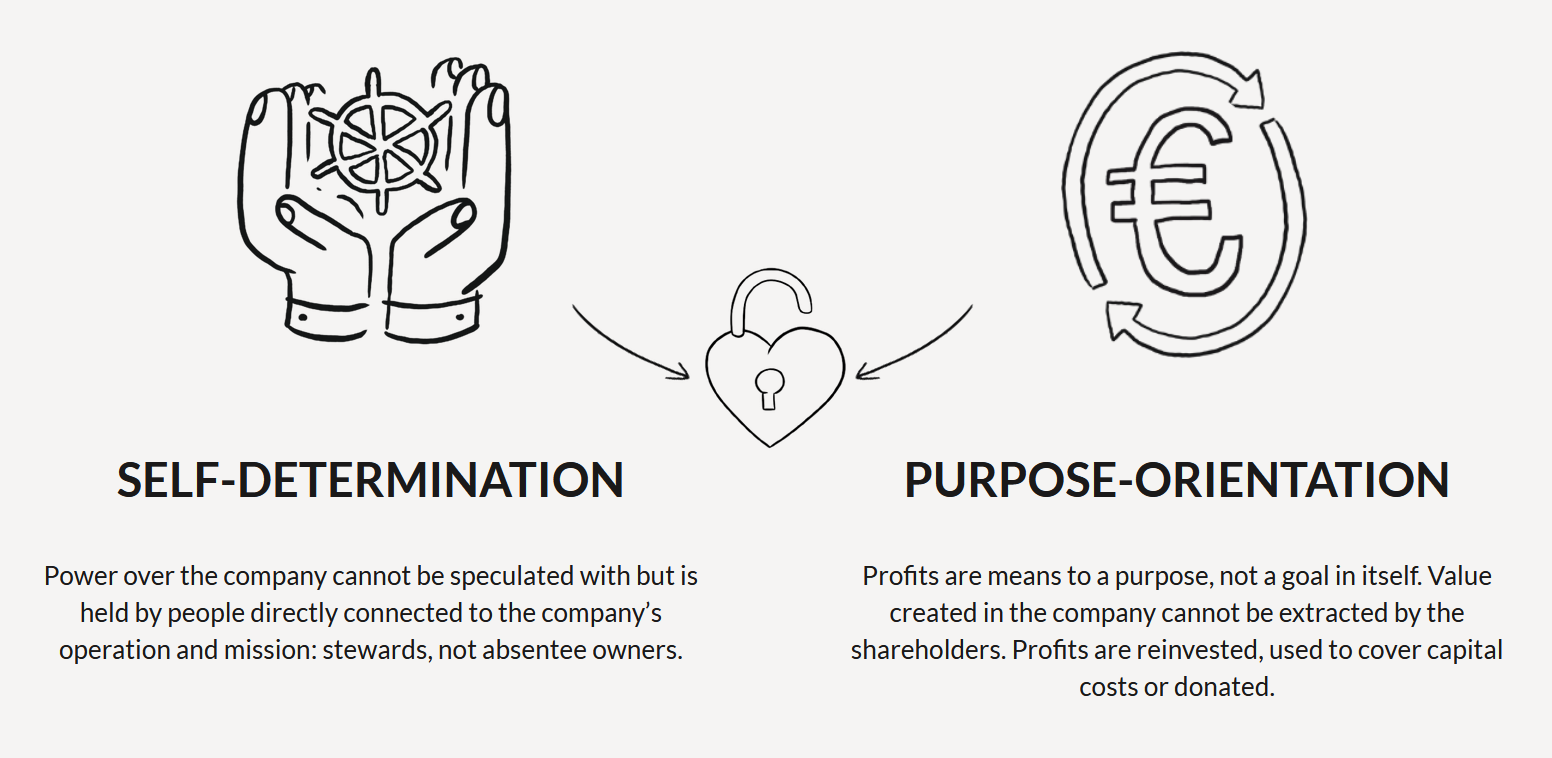
Company as a Commons

x402
Let's Talk Money - Interlinked

Home | Sovereign Tech Agency

The future is low-tech: lessons from the early 2000s ft. Jésabel DC | Config 2026
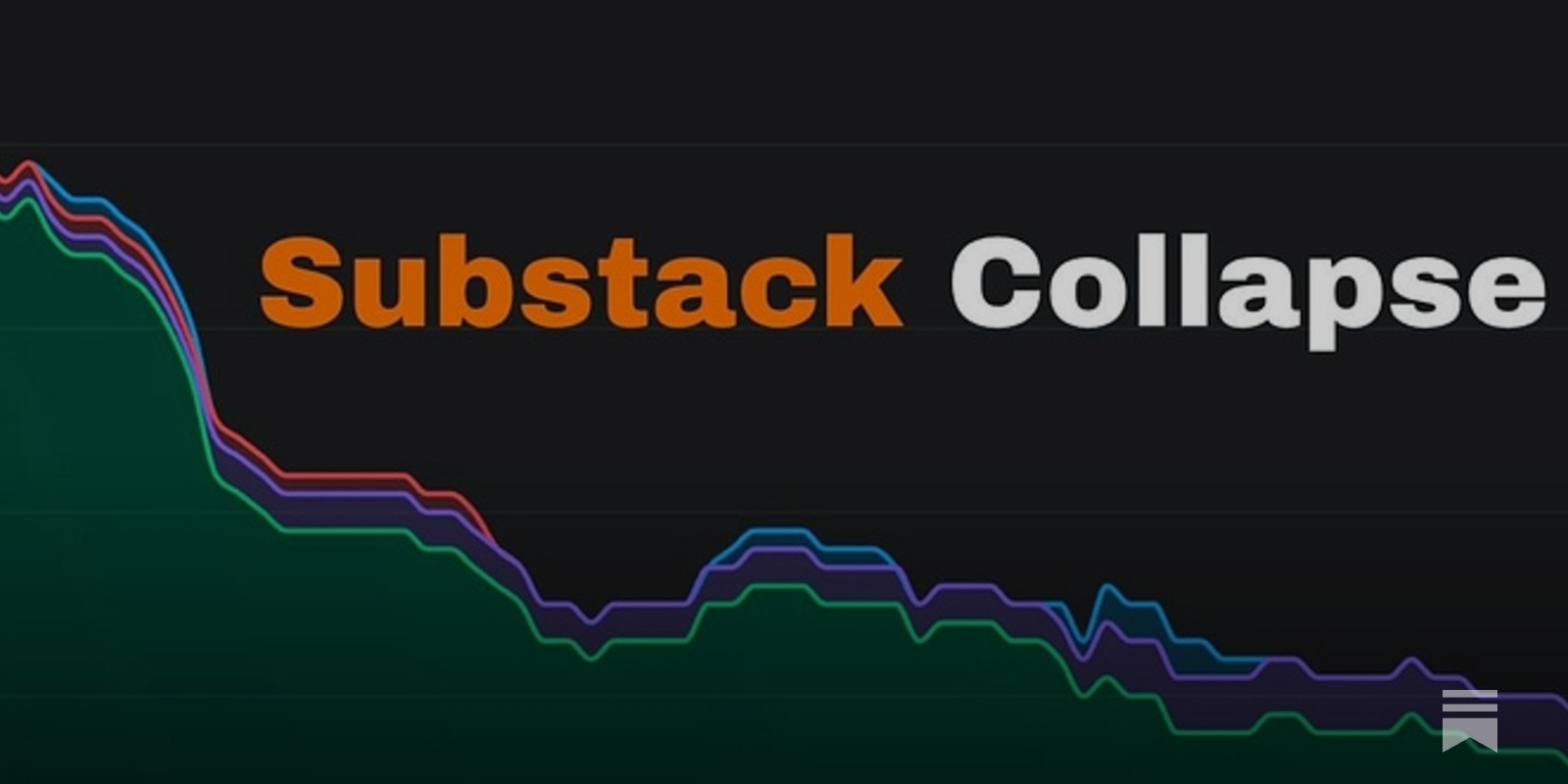
The Real Reason that Substack is Collapsing