
Employees are quitting in droves. Learn what's fueling the mass job change.
Quiet hiring and the endless quest to coin terms about work
From quiet quitting to the Great Resignation, why we won’t stop making up words about work.

Always be quitting - Julio Merino (jmmv.dev)
A good philosophy to live by at work is to “always be quitting”. No, don’t be constantly thinking of leaving your job 😱. But act as if you might leave on short notice 😎. …

Bored People Quit
Much has been written about employee motivation and retention. It's written by folks who actively use words like motivation and retention and generally don't ha
One resignation turned the embers of AI fear into a wildfire
Some quick notes on a truly weird week.
What Companies Still Get Wrong About Layoffs
Research has long shown that layoffs have a detrimental effect on individuals and on corporate performance. The short-term cost savings provided by a layoff are often overshadowed by bad publicity, loss of knowledge, weakened engagement, higher voluntary turnover, and lower innovation — all of which hurt profits in the long run. To make intelligent and humane staffing decisions in the current economic turmoil, leaders must understand what’s different about today’s larger social landscape. The authors also share strategies for a smarter approach to workforce change.

A Deceptively Simple Way to Find More Happiness at Work (Published 2019)
You don’t need to change everything about your job to see major benefits. A few changes here and there can be all you need.

Mass Layoffs and Absentee Bosses Create a Morale Crisis At Meta - Slashdot
An anonymous reader quotes a report from the New York Times: Mark Zuckerberg, Meta's chief executive, has declared that 2023 will be the "year of efficiency" at his company. So far, efficiency has translated into mass layoffs. He has conducted two rounds of cuts over the past six months, with two mo...


Layoffs That Don’t Break Your Company
Today layoffs have become companies’ default response to the challenges created by advances in technology and global competition. Yet research shows that job cuts rarely help senior leaders achieve their goals. Too often, they’re done for short-term gain, but the cost savings are overshadowed by bad publicity, loss of knowledge, weakened engagement, higher voluntary turnover, and lower innovation, which hurt profits in the long run. This article looks at better ways to handle changing workforce needs that make sparing use of staff reductions and ensure that if they do happen, the process feels fair and the affected parties have a soft landing. Most successful approaches begin with a philosophy that spells out a firm’s commitments and priorities, establish methods for exploring layoff alternatives (such as furloughs, retraining, and reassignments), and determine options for three scenarios: a healthy present, short-term volatility, and an uncertain future. As firms like AT&T, Michelin, Honeywell, and Nokia have learned, thoughtful planning helps organizations address workforce transitions and cope with a shifting economic landscape far better than layoffs do.

Layoff University, Vol. 2: Progress Made, Lessons Learned - excellent notes
Reflections from my first month of unemployment
Why I'm Worried About Job Loss + Thoughts on Comparative Advantage — LessWrong
David Oks published a well-written essay yesterday arguing that the current panic about AI job displacement is overblown. I agree with a few of his p…
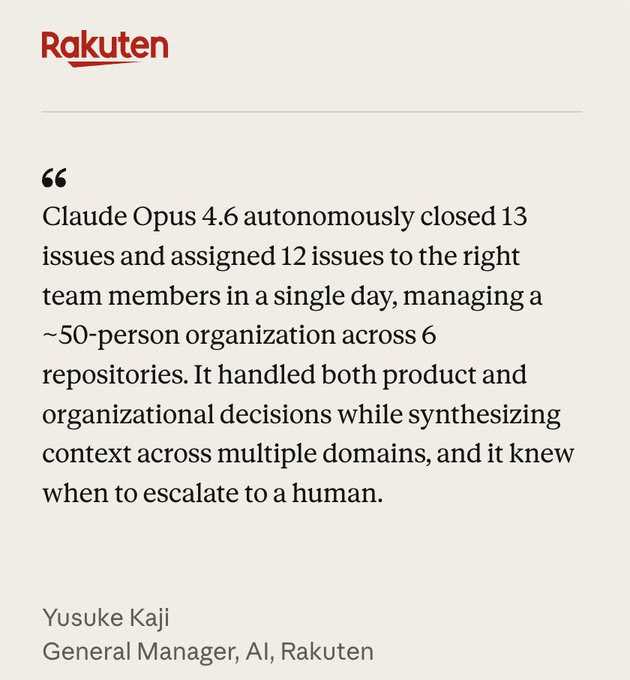
AI #186: The World Takes Notice
In the wake of Jacob Coxon’s resignation, and the resulting preference cascade, things have escalated quickly.

The Good, the Bad, and the Bye Bye: Why I Left My Tenured Academic Job · Yanick Fratantonio
About • Publications • Blog Service • Press
Distinguishing Labor from Work - Aaron Ross Powell
We should get rid of the former, if we can, but we should absolutely keep the latter.
Opinion | Let’s Be Less Productive (Published 2012)
The relentless drive for productivity may have some limits; if our economies don’t continue to expand, we risk putting people out of work.

The Job Hasn't Changed
Now is when our commitment to community, mutual aid, and each other matters more than ever