Examining the value, characteristics, and methods of integrating static narratives into otherwise procedurally generated environments.
Tarot Based Narrative Generation - Anne Sullivan [PROCJAM 2018]
4-Layers, A Narrative Design Approach
Introduction This blog post will be about a new way to approach narrative design in games - the 4 Layers Approach. It is based on a GDC ...

Food, foragers, and folklore: the role of narrative in human subsistence
Narrative is a species-typical, reliably developing, complex cognitive process whose design is unlikely to have emerged by chance. Moreover, the folklore record indicates that narrative content is consistent across widely divergent cultures. I have argued elsewhere that a storyteller may use narrative to manipulate an audience's representations of the social and/or physical environment to serve his or her own fitness ends. However, my subsequent research suggests that such manipulation results from a broader selection pressure which narrative effectively alleviates: information acquisition. By substituting verbal representations for potentially costly first-hand experience, narrative enables an individual to safely and efficiently acquire information pertinent to the pursuit of fitness in local habitats. If this hypothesis is true, narrative should be rich with information useful to the pursuit of fitness. One class of information integral to the accomplishment of this task is foraging knowledge. In this paper, then, I present evidence that foraging peoples use narrative to transmit subsistence information: specifically, I demonstrate how various narrative devices (e.g., setting, description, mimicry, anthropomorphism) are used to communicate foraging knowledge.
Fundamentals of Interactivity | Interactive Storytelling Tools for Writers | Chris Crawford
Integrating Narrative into Game Design: A Portal Post-Mortem
WRKSHP.tools | Storytelling Canvas
Create better stories and presentations in under 45 minutes using the Storytelling Canvas
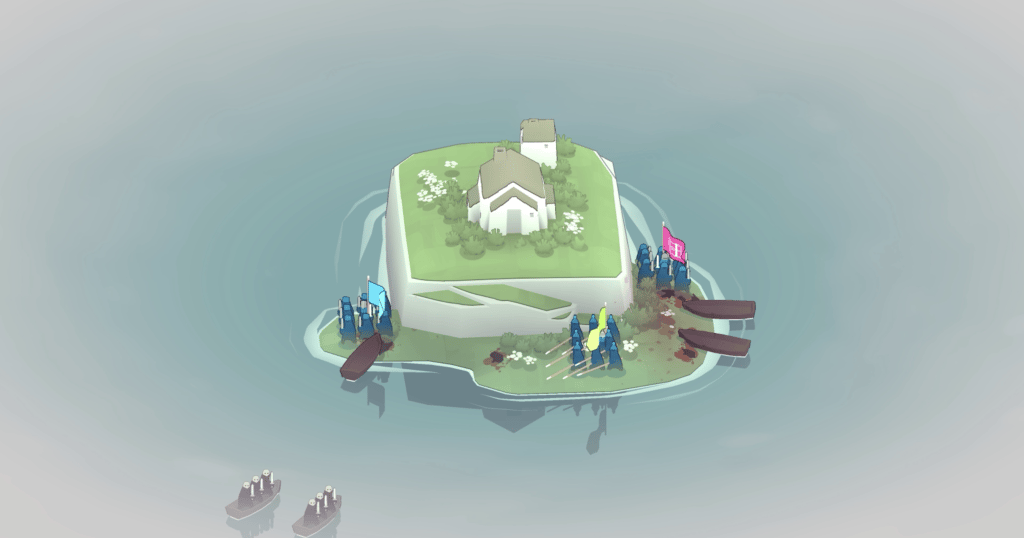
How Townscaper Works: A Story Four Games in the Making
Townscaper, the procedural town-building toy, has been a huge indie success story. I explain how the game can generate towns so easier and gain further insights thanks to my interviewing its creator Oskar Stalberg.
Home - FLI Worldbuilding Contest
It is frequently practiced by creative writers and scriptwriters, providing the context and backdrop for stories that take place in future, fantasy or alternative realities. Worldbuilding is a tool that can help us explore possible futures for our own world. It helps us better understand what sorts of worlds we may find more or less desirable, and how we might get to there. World builds don’t always have to be grounded in reality, but for our worldbuilding contest we asked contestants to make their imagined worlds plausible and aspirational. To better understand the constraints and ground rules that were used for this contest, visit the Rules page prior to exploring the worlds.
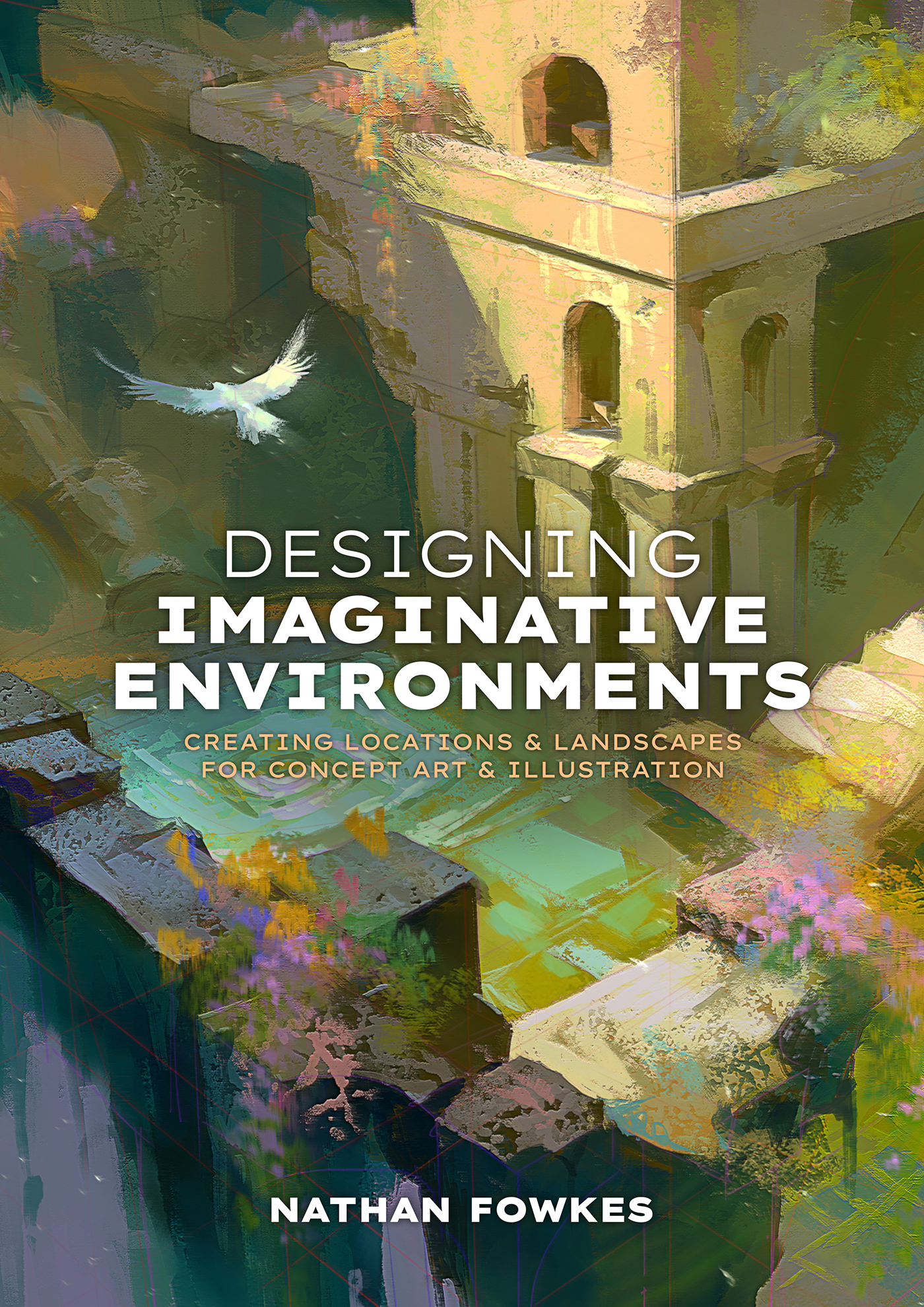
Designing Imaginative Environments by Nathan Fowkes
Join industry veteran Nathan Fowkes on a deep dive into the hows and whys of designing environments for entertainment. From creating mood with color and light, to exploring different biomes and weather, to crafting architecture and props, he will teach you how to design amazing environments that make your work stand out from the crowd.
MATT THOMPSON
As part of my EngD project, I am creating ways for story authors to easily write narratives with multiple branches, along the lines of the Choose Your Own Adventure stories from the 1990s. Typically, this kind of story authoring is hard, as the number of material that needs to be written increases exponentially with the number of decision points.
Embodied Experience Design: Thinking Through Tree Apprecation
Bringing together place-based technologies, embodied experience and trees


How storytelling can help articulate emotions that evolve as the climate changes
Creative works can represent emotions emerging so fast that our brains can’t quite catch up with them.

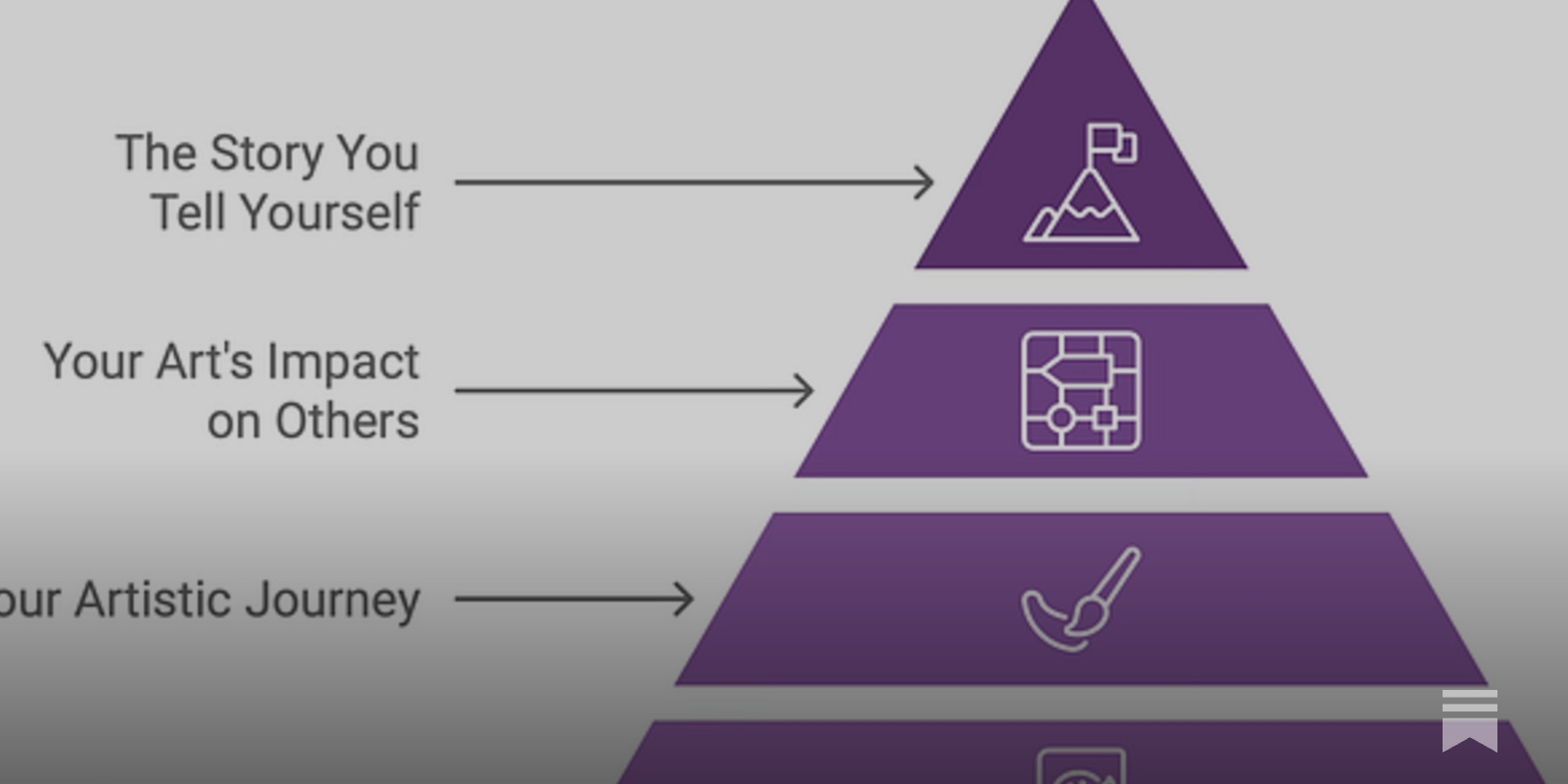
Master 4 Layers of Storytelling to Make Your Art Unforgettable
You think storytelling is just for writers? Wrong. The story you craft—not just on canvas, but in your journey, your impact, and in your own mind—could make your art impossible to ignore.