

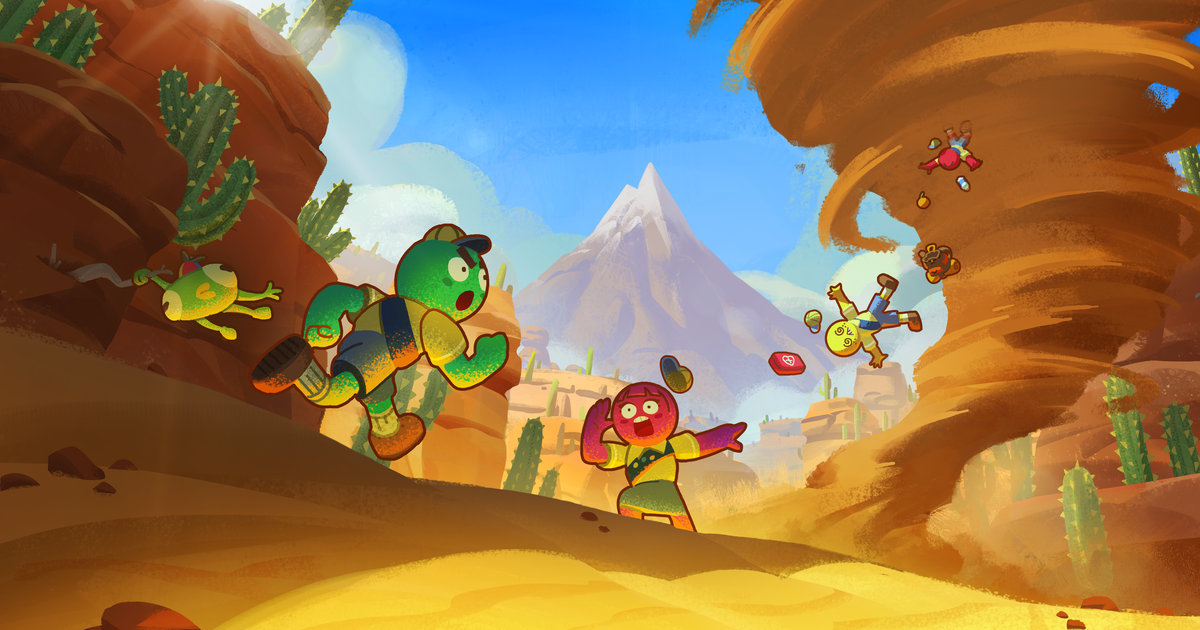
Where did the demand that every game must be continually updated come from – and is there a way to avoid the friction it causes?
Why old games never die (but new ones do)
It’s well known that video games today are disposable pieces of slop. Modern multiplayer games tend to fall into one of two categories: they’re abandoned after a while and the servers a…

Balancing “If it ain’t broke, don’t fix it” vs. “Release early and often”
Every organization faces a war between two schools of thought, with “If it ain’t broke, don’t fix it” on one side and “release early and often” on the other. This blog post looks for a way for enterprise consumers to embrace fast-paced changes in the software industry.

Building the Future of Games on ATProto | Birbhouse Games
Game platforms hold too much power over developers. We want to change that by decentralizing games with ATProto — devs own their data, players own their progress, and no payment processor can take it away.
Game Platforms | Game Developer
Explore the latest news and expert commentary on Game Platforms, brought to you by the editors of Game Developer

Developers spend most of their time figuring the system out
I am often asked what I mean when I say that developers spend most of their time figuring the system out. Let’s unpack the statement.
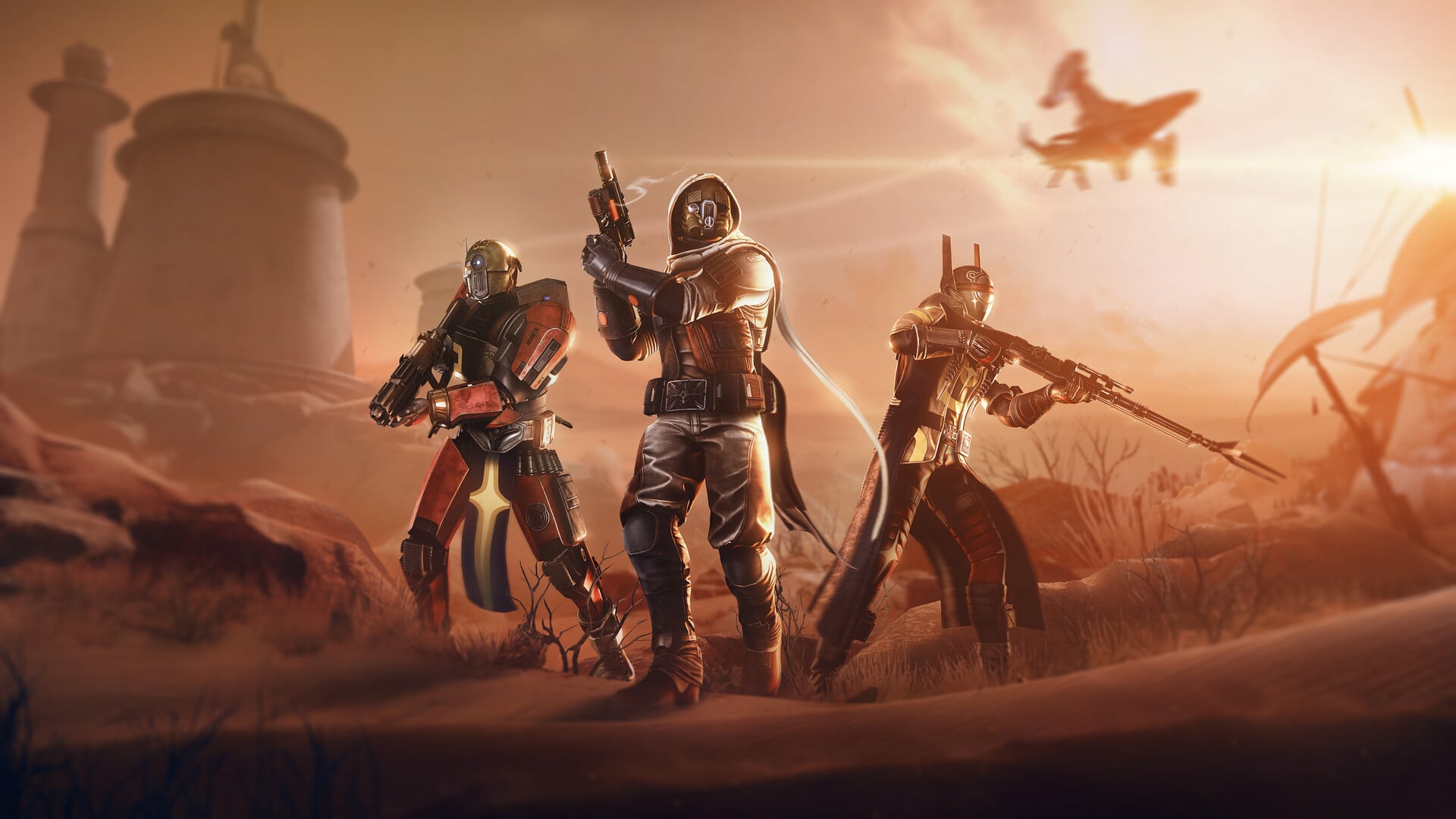
Bungie confirms it’s ending Destiny 2 updates to focus on new games | VGC
The end of Destiny updates follows declining player numbers…
The Game Dev Tree (Video Game) - TV Tropes
The Game Dev Tree is an Idle Game made in The Modding Tree by The Paper Pilot and released in 2020. In it, you are making your own game, releasing updates …

Games Done Quick's Long, Difficult Journey To A Better Gaming Future
Progress isn't linear, and there are no skips or shortcuts

Ico, disruptive game design, and experiences that live forever.
100 updates later. Why we enjoy games, why we stop, and how live game design might bring us back.

Matt Mullenweg Addresses Concerns That WordPress is Moving Too Fast
There are at least three major releases of WordPress per year where users can expect new features and major bug fixes about every four months. While this is great for users, some companies, plugin,…

r/incremental_games
Welcome! This subreddit is for us lovers of games that feature an incremental mechanism, such as unlocking progressively more powerful upgrades, or discovering new ways to play the game. This genre is growing at a break-neck pace, be part of the revolution!

r/incremental_games
Welcome! This subreddit is for us lovers of games that feature an incremental mechanism, such as unlocking progressively more powerful upgrades, or discovering new ways to play the game. This genre is growing at a break-neck pace, be part of the revolution!
The Case for ‘Developer Experience’
How are developers supposed to manage and coordinate fast-moving, heterogeneous systems including maintenance & operations — and free themselves to build?

Fast and Reliable Video Game Collections | Myrient
Experience an unmatched video game archive with fast downloads and no ads.
We Need More Open Source in Gaming | Andreessen Horowitz
When it comes to free software, there’s a sharp cultural divide between the tech world and the gaming world. It’s normal for a startup to make heavy use of open source, and it’s normal for a big tech company to give away huge codebases for free. This is because the tech world understands the benefits...

The optimistic view that indie games are in a golden age right now – How To Market A Game
It has been a rough couple of years in the games industry with layoffs and studio closures. However, from the perspective of a single-I or small team, we are in the middle of a golden age and most developers don’t realize it.