


OpenAI’s ChatGPT is everybody’s favorite new toy, giving anyone the power to generate reams of text about any topic in a matter of seconds. Whether or not the content is correct is another matter entirely. But it sounds human enough. Colleges and schools are already cracking down. Programmers are using it for coding. ChatGPT and other LLMs (large language models) are threatening to put anyone who types or writes anything for a living out of business. And that’s not even counting the artists, designers, and content owners threatened by AI-gen image systems like Stable Diffusion.
ChatGPT Images 2.0 is a breakthrough that could fundamentally reshape graphic generation
OpenAI is adding reasoning and web search to its ChatGPT Images 2.0 image generator. The model can now create up to eight consistent images from a single prompt and handles text in general, and especially in non-Latin scripts, significantly better.

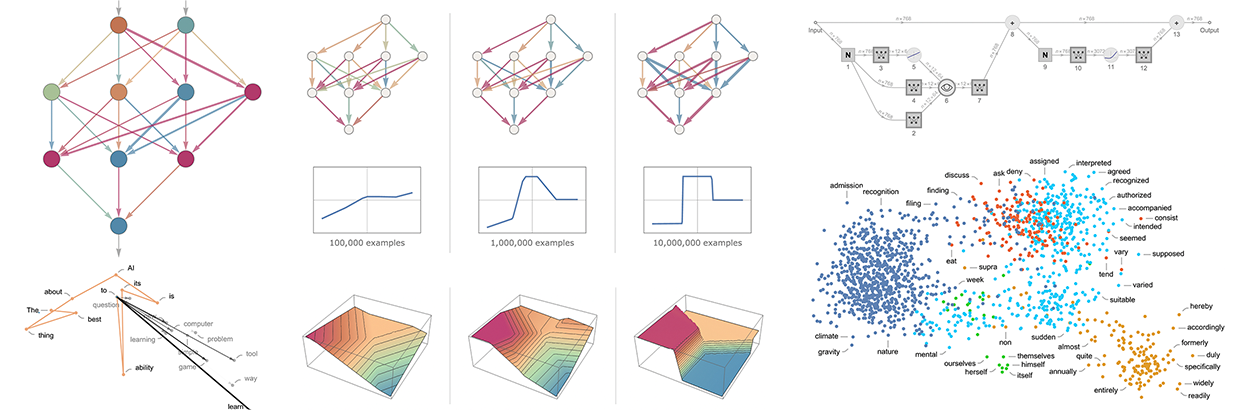
What Is ChatGPT Doing … and Why Does It Work?
Stephen Wolfram explores the broader picture of what's going on inside ChatGPT and why it produces meaningful text. Discusses models, training neural nets, embeddings, tokens, transformers, language syntax.
14 LLMs that aren’t ChatGPT
ChatGPT isn't your only option for generating content and insight from AI. Here are 14 large language models giving ChatGPT a run for its money.

ChatGPT Images 2.0 update combines reasoning, research, and design with 2K output
OpenAI launches ChatGPT Images 2.0 with reasoning, interactive editing, and improved multilingual text rendering.

All the best examples of ChatGPT, from OpenAI:
All the best examples of ChatGPT, from OpenAI:— Ben Tossell (@bentossell) December 1, 2022
What makes a great ChatGPT app | OpenAI Developers
How to build capabilities that make conversations better.
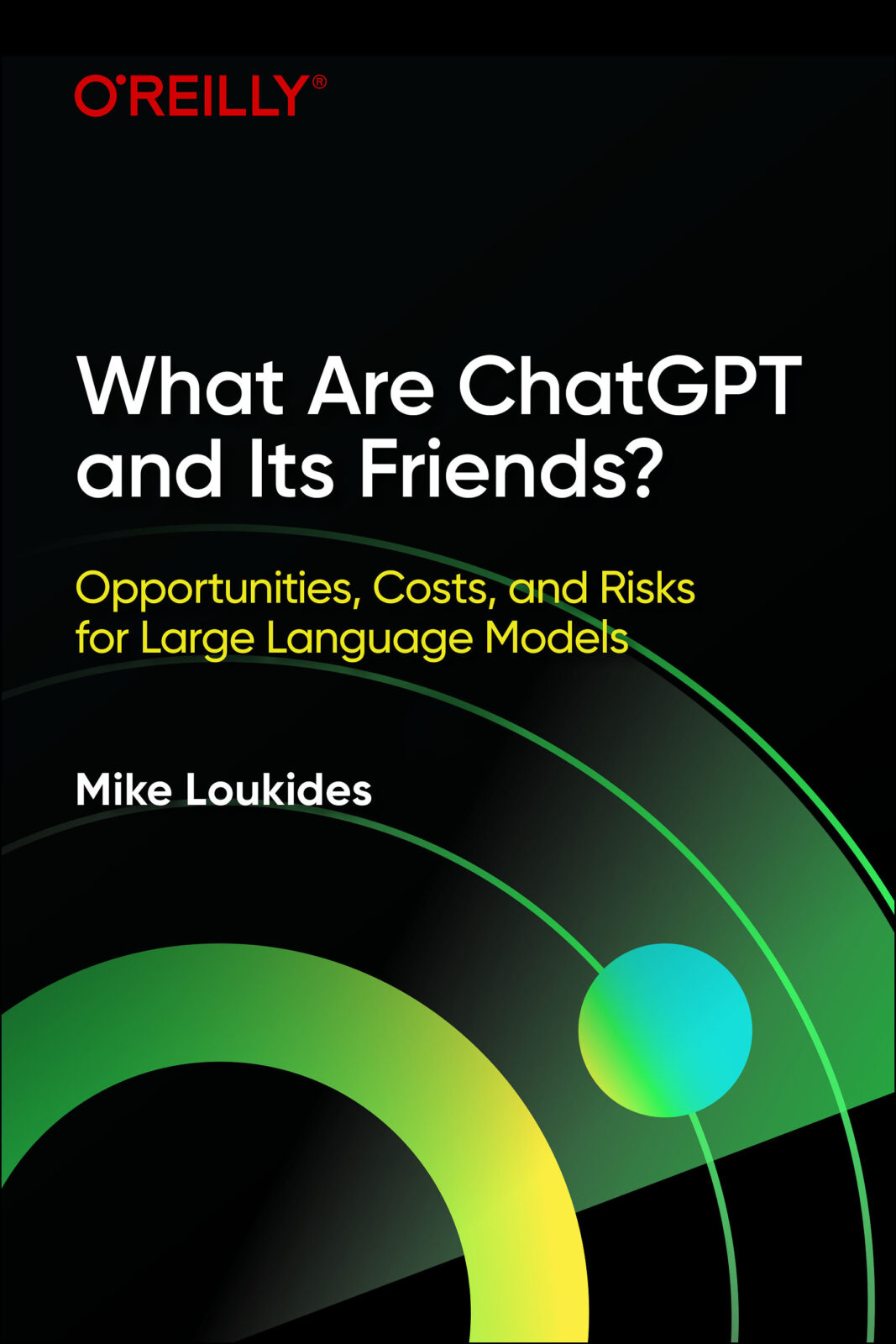
What Are ChatGPT and Its Friends?
Opportunities, Costs, and Risks for Large Language Models
ChatGPT Is a Gimmick
AI offers a tempting illusion to students—and evidently to some teachers.
If you’re not using ChatGPT for your writing, you’re probably making a mistake
How Ethan and Lilach Mollick learned to stop worrying and start using AI in their jobs.

ChatGPT is bullshit
Ethics and Information Technology - Recently, there has been considerable interest in large language models: machine learning systems which produce human-like text and dialogue. Applications of...

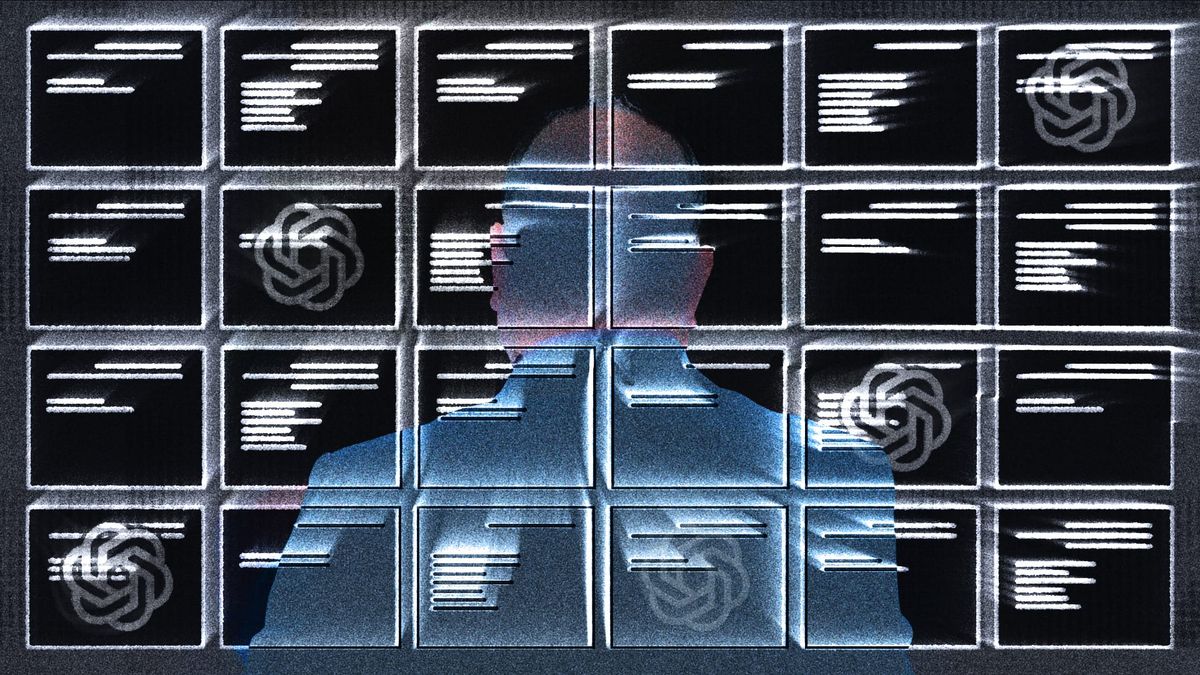
Inside ‘Project Lily’: The Humans Reading Your ChatGPT Chats
Humans are reading ChatGPT users’ prompts to improve OpenAI’s models, and those chats can include sensitive, personal information, according to leaked internal documents and real prompts seen by 404 Media.
How Does ChatGPT Actually Work? An ML Engineer Explains | Scalable Path
Discover the inner workings of ChatGPT, OpenAI's neural language model, and its impressive capabilities. Learn about its architecture, training process, and potential applications in this deep dive article.

Looking for AI use-cases — Benedict Evans
We’ve had ChatGPT for 18 months, but what’s it for? What are the use-cases? Why isn’t it useful for everyone, right now? Do Large Language Models become universal tools that can do ‘any’ task, or do we wrap them in single-purpose apps, and build thousands of new companies around that?

Platform Obscurantism
ChatGPT is a platform. The chatbot is infrastructure. Thousands of applications now build on OpenAI’s application programming interface, creating a dependent ecosystem of developers, startups, and enterprises. When OpenAI positions ChatGPT primarily as a conversational interface, it obscures this platform identity, one that extracts value not only from user data and app store partnerships, but ...

This is, at it's core why I hate what openai launched with ChatGPT. It's also why I think social agents are interesting and why Claude Code, as a power tool enabled interesting conversations with my collaborators.

tweety fish
there is a strong intellectual tradition in cognitive science (that goes well beyond Chalmers) around thinking of many of the tools we create (rulers, books, maps, whathaveyou) and a lot of our social interactions as necessarily integrated parts of our cognition and integral parts of our humanity
