Countries are rolling out digital identification schemes, but citizens are protesting about loss of privacy and misuse of data. They may have a point.
Digital ID: ORG warns of mission creep | Open Rights Group
On Monday December 8, MPs will debate the introduction of a national digital ID card.
Digital ID: What it means for the digitally excluded – Digital Poverty Alliance
By 2029, proving your right to work in the UK may no longer mean showing a passport or residence permit. Under Government proposals, it could require a digital

The UK’s War on Anonymity Has Come to America — Effort
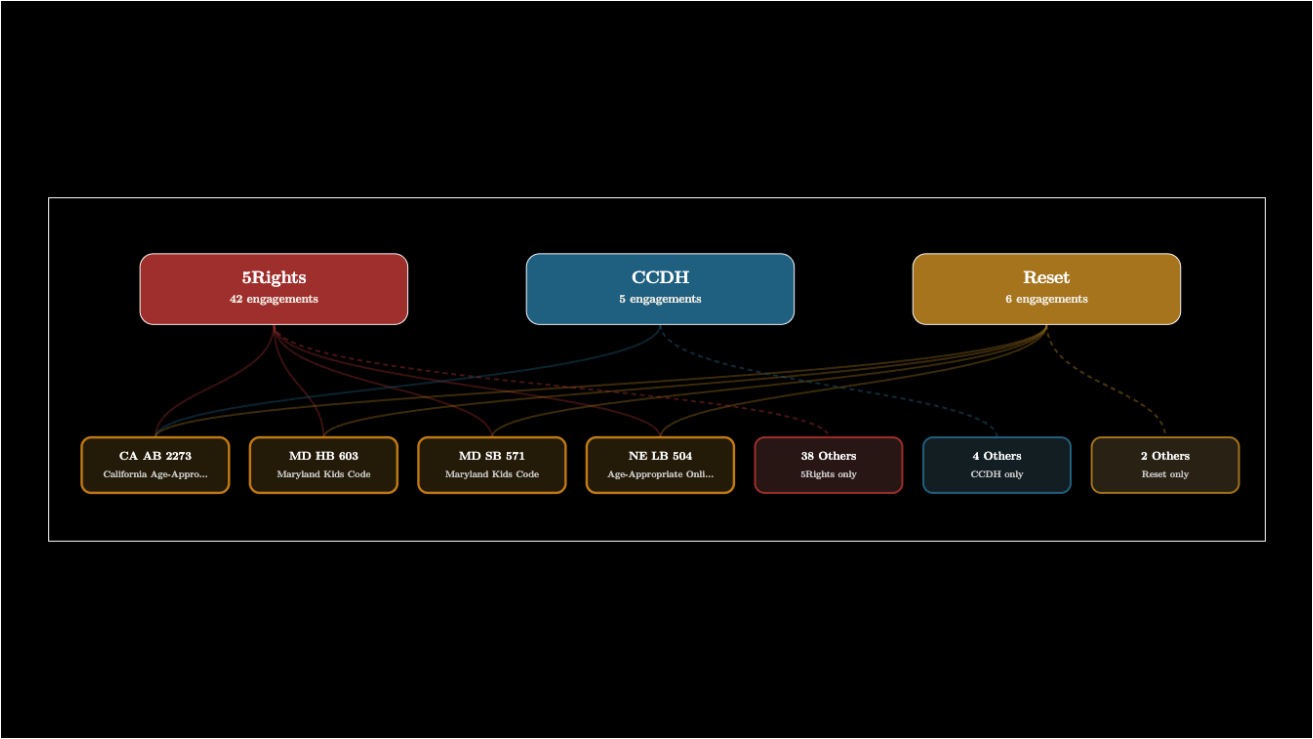
The NGOs Behind Britain's Digital ID Laws are Targeting American Statehouses
No2DigitalID — Big Brother Watch
A national digital ID system is not inevitable. We can stop Britain sleepwalking into becoming a database state. Support our campaign to create a legal right to use non-digital ID!

Zero Knowledge Proofs Alone Are Not a Digital ID Solution to
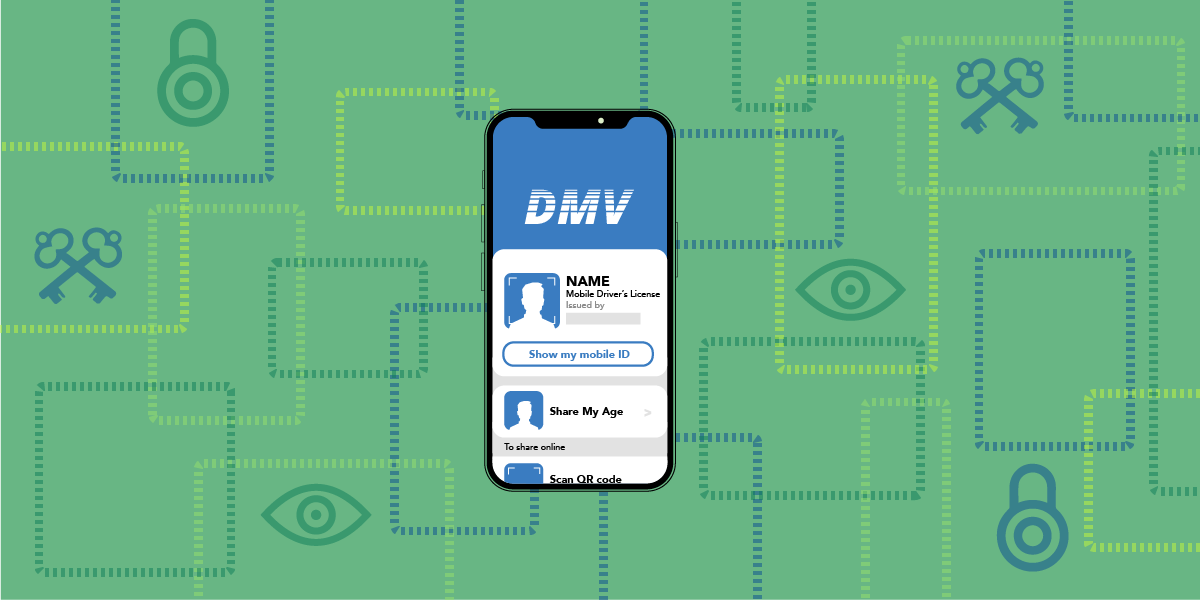
In the past few years, governments across the world have rolled out digital identification options, and now there are efforts encouraging online companies to implement identity and age verification
The Mask-Off Moment for Digital Identity
Our 18-month investigation reveals how digital identity systems create brittle societies. This foreword traces eight case studies that demonstrate the catastrophic failures of digital identity across Estonia, the US, Israel, Ukraine, and beyond.
Lessons from National Digital ID Systems for Privacy, Security, and Trust in the AI Age
CJ Larkin and Renée DiResta surface lessons from existing national ID schemes relevant to the evolution of digital identity in the age of AI.

There’s Only One State That is Asking the Right Questions About Digital Identity | ACLU
A digital ID system involves value-laden choices that should be made through explicit political discussion and debate
Digital Sovereignty
The term “digital sovereignty” has become an integral part of current political discourse. Across party lines and administrative levels, there is consensus: Being digitally sovereign is desirable and important. However, it often remains unclear what it actually means to be digitally sovereign and how this desirable state should be achieved.
Digitalization and Signatures: Evidence from a Survey among German Citizens
We assess the knowledge of two legal norms central to the digital transformation of the German population in representative population survey: the revised requi

The Age Verification Privacy Paradox: Why Document Uploads Hurt Everyone—and How World Solves It
Age verification is now required by many digital platforms worldwide, but most systems create new risks for user data and privacy. This article explores why document-based age verification exposes everyone to greater risk—and how privacy-first technology like World ID offers a safer path for consumers and platforms.

Online Age Verification: Government Legislation, Supplier Responsibilization, and Public Perceptions
There are widespread concerns about the online harms to children operating online. As such, governments have enacted laws to require online service providers to deploy age verification to prevent such harms. We investigate the following three research questions regarding this topic: (1) To what extent have different governments legislated age verification controls? (2) Do governments embrace a responsibilization strategy when it comes to online age verification? and (3) How does the UK public feel about online age verification legislation? We find that governments are applying a responsibilization strategy, which has led to widespread deployment of privacy-invasive or ineffective age verification. The former violates the privacy of underage users, with the latter undermining the overarching aims of the legislation. We have also found general disengagement and a lack of trust in the government amongst the public with regards to new online age verification laws within the UK. To conclude, despite governments globally looking to put more robust online age verification mechanisms in place, there remains a general lack of privacy preservation and affordable technological solutions. Moreover, the overarching aims of the online safety and age verification legislative changes may not be satisfied due to the general public stakeholder group's disengagement and lack of trust in their government.

In defense of the National ID and Digital ID
Having watched another round of the British NO2ID debate, which has opposed the introduction of a single national ID document since 2004, I cannot help but notice a rather drastic misconception of the
What is Digital Identity?
Who you are is hardly defined by your drivers license or passport. And yet, this is often how we understand ourselves and others.
"Pushed into the Shadows": Evidencing Digital Surveillance Chilling Effects and the Erosion of the Rights to Freedom of Assembly and of Association
SummaryThe United Nations Special Rapporteur on the Rights to Freedom of peaceful assembly and of association, Gina Romero, presents "Pushed into the Shadows: Evidencing digital surveillance chilling effects and the erosion of the rights to freedom of assembly and of association". This Global Study documents the profound impact that pervasive digital monitoring exerts on fundamental public freedoms. Moving beyond traditional privacy-centric narratives, the Study details how contemporary surveillance ecosystems induce serious chilling effects.

A Landscape Survey of Private Digital Credentials
CJ Larkin and Renée DiResta examine digital ID endeavors to understand what drives adoption, what facilitates trust, and how privacy and security trade off.