Our work begins by asking ourselves, “Is it free?” because our purpose is to respect your individual user needs, autonomy, and right to decide for yourself. We empower people to build a future built on free software that, above all, puts the user first. By supporting our work, you help support everyone's rights. Please help us reach our goal of $400,000 USD!
When Free Software Isn't (Practically) Superior - GNU Project - Free Software Foundation
The Open Source Initiative's mission statement reads, “Open source is a development method for software that harnesses the power of distributed peer review and transparency of process. The promise of open source is better quality, higher reliability, more flexibility, lower cost, and an end to predatory vendor lock-in.”
Why Open Source Misses the Point of Free Software - GNU Project - Free Software Foundation
The terms “free software” and “open source” stand for almost the same range of programs. However, they say deeply different things about those programs, based on different values. The free software movement campaigns for freedom for the users of computing; it is a movement for freedom and justice. By contrast, the open source idea values mainly practical advantage and does not campaign for principles. This is why we do not agree with open source, and do not use that term.
What is Free Software? - GNU Project - Free Software Foundation
Since 1983, developing the free Unix style operating system GNU, so that computer users can have the freedom to share and improve the software they use.
Open Source is a cost-allocation system
Because the right to use the software is not tied to payment, the license does not connect the people who benefit, the people who decide, and the people who bear the costs. Projects have to build those connections deliberately through governance.

When Free Software Depends on Nonfree - GNU Project - Free Software Foundation
When a program is free software (free as in freedom), that means it gives users the four freedoms, so that they control what the program does. In most cases, that is sufficient for the program's distribution to be ethical; but not always. There are additional problems that can arise in specific circumstances. This article describes a subtle problem, where upgrading the free program requires using a nonfree program.
What is open source?
Why the idealistic promise of collaborative software often falls short of its potential.

Why Open Source Software / Free Software (OSS/FS, FOSS, or FLOSS)? Look at the Numbers!
This paper provides quantitative data that, in many cases, open source software / free software is equal to or superior to their proprietary competition. The paper examines market share, reliability, performance, scalability, scaleability, security, and total cost of ownership; it also comments on non-quantitative issues and unnecessary fears.
In Thrall to Scarcity
As I’ve talked about in this space in the past, I’ve been coming to some conclusions about free software (open source, or whatever you want to call it): the economics of it, like anythi…

The Value of Open Source Software
The value of a non-pecuniary (free) product is inherently difficult to assess. A pervasive example is open source software (OSS), a global public good that play

It’s time to rethink Open Source
Why developers give away valuable work for free — and what can be done to take that money back.

More Money For Better Open-Source Software
Open Source is Not Enough
by James Halliday // The open source movement has fundamentally changed how software gets written. But in the process, corporations have been given a vast gift of free labor.
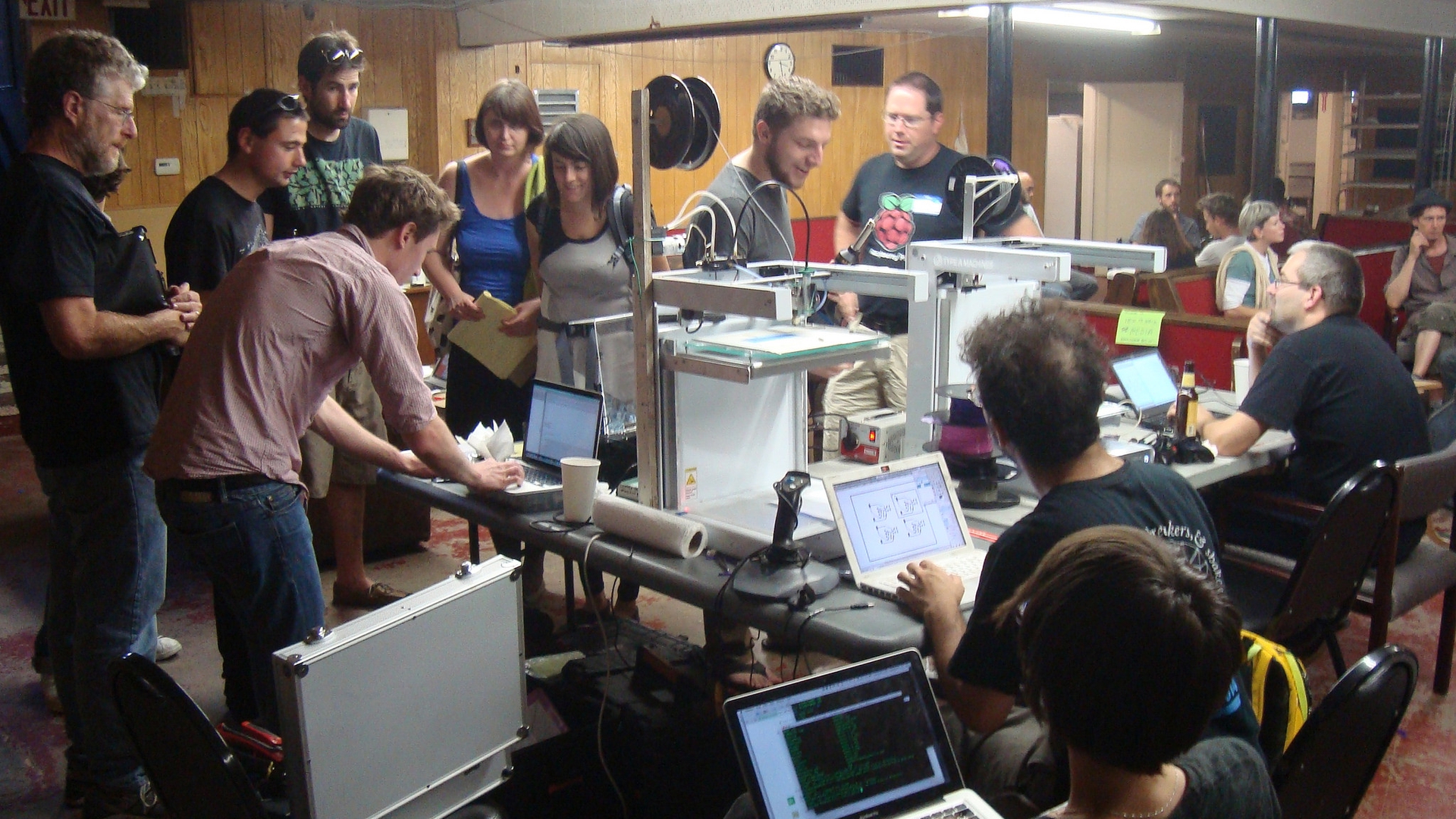
Money, Money, Money - Writing software, in a rich (wo)man's world by Russell Keith-Magee
The future of open source is still very much in flux
Free and open software have transformed the tech industry. But we still have a lot to work out to make them healthy, equitable enterprises.

Chapter 1. Introduction
Free software — open source software[3] — has become the backbone of modern information technology. It runs on your phone, on your laptop and desktop computers, and in embedded microcontrollers for household appliances, automobiles, industrial machinery and countless other devices that we too often forget even have software. Open source is especially prevalent on the servers that provide online services on the Internet. Every time you send an email, visit a web site, or call up some information on your smartphone, a significant portion of the activity is handled by open source software.
Open Source Hype Antidote
critical and alternative views on free and open source software