

Why Men Love War
Alfred Kazin wrote that war is the enduring condition of twentieth-century man. He was only partly right.

Osamu Dazai
Shūji Tsushima , known by his pen name Osamu Dazai , was a Japanese novelist and author. A number of his most popular works, such as The Setting Sun and No Longer Human, are considered modern classics.

Education in a Time Between Worlds: Essays on the Futur…
Our world is currently undergoing major transformations…


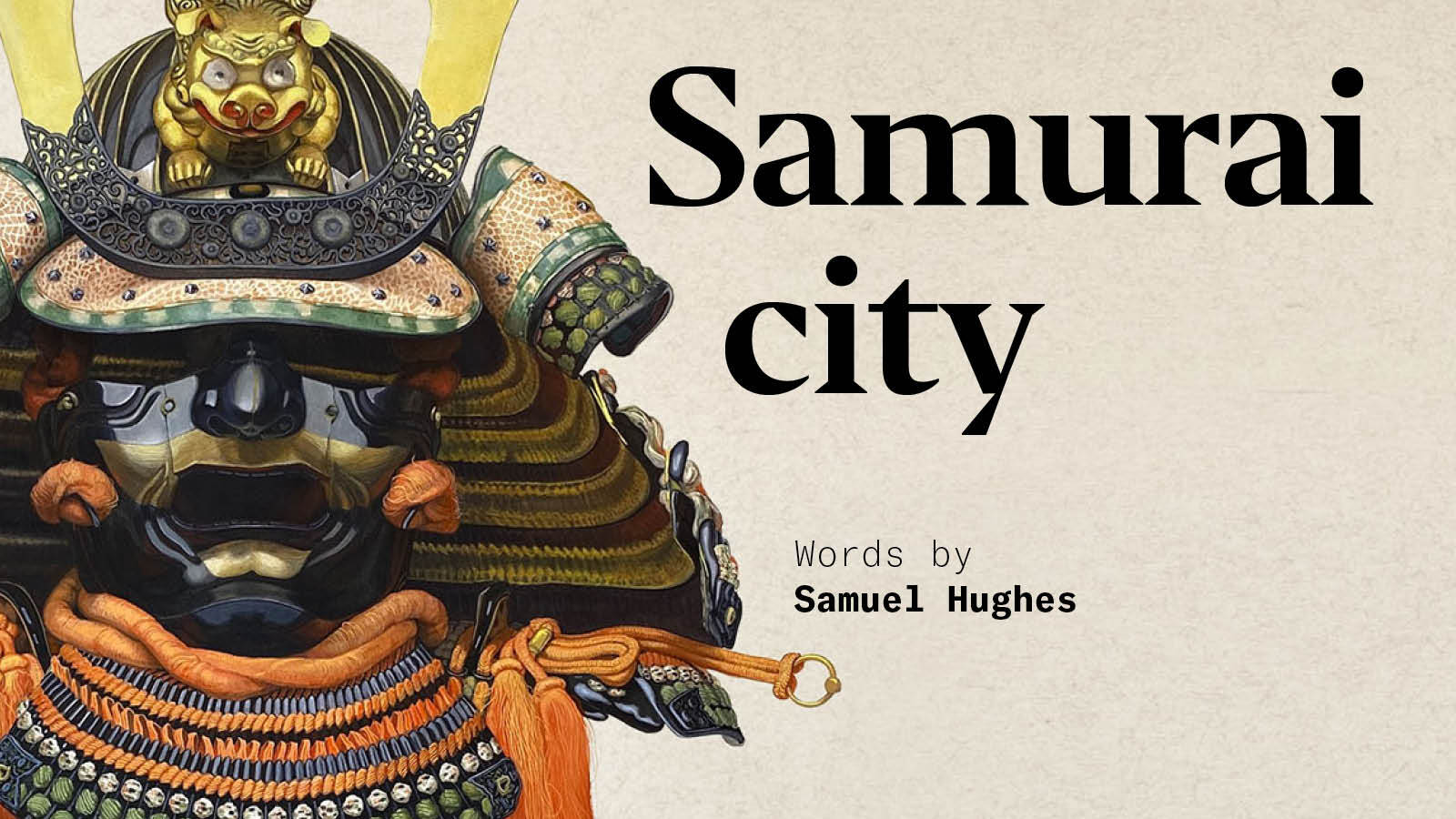
Samurai city - Works in Progress Magazine
For three hundred years, Japan enjoyed enviable stability and peace. All it took was locking up its warlike samurai elite in the world’s least efficient city.
The Fifth Book of Peace by Maxine Hong Kingston | East Bay Booksellers
A NEW YORK TIMES NOTABLE BOOK • From the National Book Award-winning author of China Men and The Woman Warrior comes a work weaving fiction and memoir into a luminous meditation on war and peace, devastation and renewal.
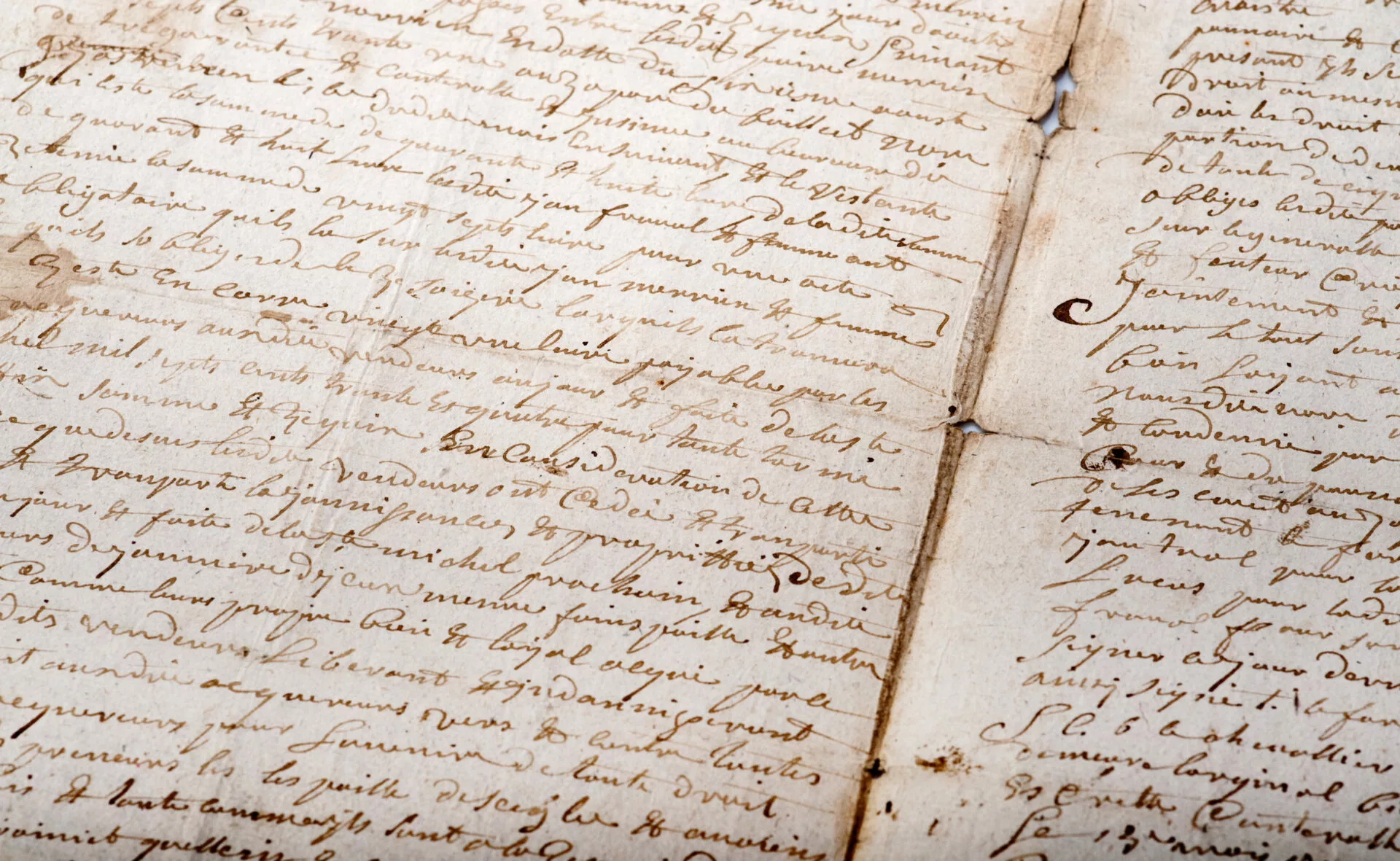
L’histoire par les textes - APHG
Antiquité Moyen Âge Période moderne Période contemporaine Thèmes transversaux Historiographie Liens utiles N.B. Les documents portant sur les séquences intermédiaires entre plusieurs ères (antiquité tardive, transition Moyen Âge / première modernité, période révolutionnaire) peuvent se trouver dans les deux pages concernées. Principes du projet et avertissements Pour valoriser et partager ces efforts conséquents, cette page […]
The Final Christian Generation? - Mockingbird
What we can learn from the century that saw the sun set on the “final” pagan generation

The Age of Extremes
The Age of Extremes: The Short Twentieth Century, 1914–1991 is a book by Eric Hobsbawm, published in 1994. In it, Hobsbawm comments on what he sees as the disastrous failures of state socialism, capitalism, and nationalism; he offers an equally sceptical take on the progress of the arts and changes in society in the latter half of the twentieth century.

2018年を探す - copy and destroy
三年日記 https://twitter.com/taizooo/status/949820509234974720 三年日記、この12月でちょうど3年分になる。2016/01/01から2018/12/31まで。1ページに2日分が縦に3年分で横罫の日記を90度回して縦書きにして使っている。なぜ縦書きにしたのかというと、…

The Hero with a thousand faces
The first popular work to combine the spiritual and psy…

Read The Work of Art in the Age of Mechanical Reproduction
1935 essay by Walter Benjamin; proposes that mechanical reproduction devalues the aura of an artwork, that—in the age of mechanical reproduction and traditional ritualistic value’s absence—art production would be inherently based on political praxis

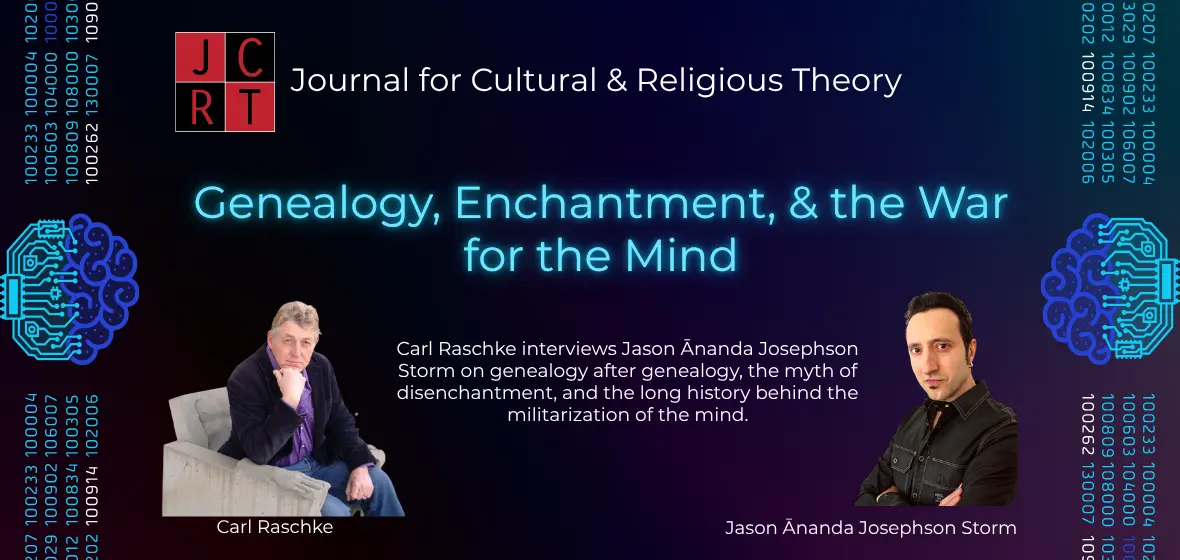
Genealogy, Enchantment, and the War for the Mind | The Journal for Cultural and Religious Theory | JCRT
Carl Raschke interviews Jason Ānanda Josephson Storm on genealogy after genealogy, the myth of disenchantment, and the long history behind the militarization of the mind.
The Myth of Allied Technological Inferiority
World War II, The Free Press, and the Problematic Use of History in Contemporary Media

Twenty-Five Hundred years ago, Sun Tzu wrote this class…