


Training a dog doesn’t need to be a painful or frustrat…
Our Duty - shepherds in the future
walking the path of acceleration means sticking together
Our Duty - shepherds in the future - sneptech writings
walking the path of acceleration means sticking together

On the virtues of eating dog food - in limited quantities
I've been fairly clear at various points that a big part of the reason I wrote Jacquard in the first place was because I was trying to write something else, ...

An Open Letter to the Female Hat-Wearing Dog From “Go Dog, Go” – The Ugly Volvo
I bought your book to help my son learn prepositions and adjectives and was, from the first read, inexorably drawn in by your heart-wrenching struggle for approval. Momentarily distracted by the humdrum parade of big dogs, little dogs, black and white dogs, I watched as you walked in, brimming with joy and confidence, and looked on as some total nobody, indistinguishable from most of the other dogs in this book, crushed you with his subtle rejection.
@bitemenewyorkcity on Instagram: "Had this spot on my list for a while. Was scouting nearby so popped in for a quick bite and holy God I cannot wait to get back. Some of the best dogs I ever ate. Natural casing dogs cooked slowly on a flat top. Result was not just a snap but an actual crunch when you bite into them. They were crispy dogs. A dab of cheese and mustard, crisp raw onions and chili with a serious kick just came together beautifully. And birch beer too? This spot was perfection. #HotDogs #NewJersey"
6 likes, 0 comments - bitemenewyorkcity on September 26, 2026: "Had this spot on my list for a while. Was scouting nearby so popped in for a quick bite and holy God I cannot wait to get back. Some of the best dogs I ever ate. Natural casing dogs cooked slowly on a flat top. Result was not just a snap but an actual crunch when you bite into them. They were crispy dogs. A dab of cheese and mustard, crisp raw onions and chili with a serious kick just came together beautifully. And birch beer too? This spot was perfection. #HotDogs #NewJersey".

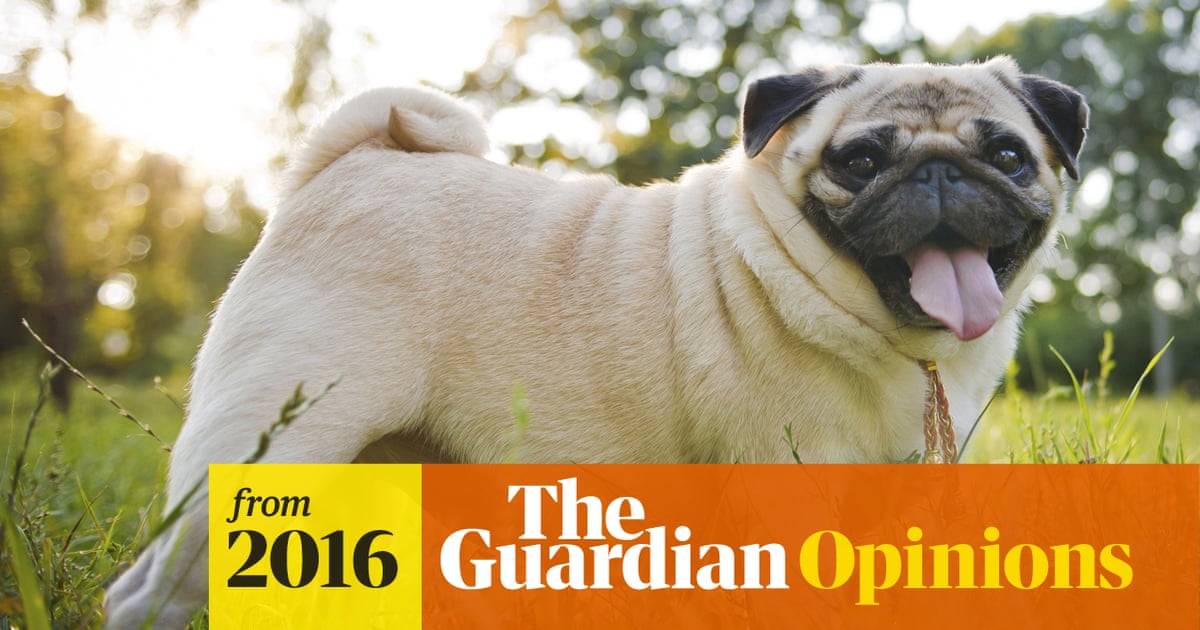
Pugs are anatomical disasters. Vets must speak out – even if it’s bad for business | Anonymous
Owners must be told some breeds are born to a lifetime of suffering, even if it means upsetting clients and putting livelihoods on the line
教官 中つ国Wiki & 野良犬の塒 (@drillmaster.bsky.social)
押井守ファンサイト『野良犬の塒』管理人にして『指輪物語』などのJ.R.R.トールキン作品を扱う中つ国Wiki管理人。退役したアニメ書籍系ライター。『ぼっち・ざ・ろっく!』とか『青ブタ』とか好き。軍事ネタとか宇宙物理学その他色々雑食。試験運用中

On Friday Deploys: Sometimes that Puppy Needs Murdering (xpost)
(Cross posted from its original source) ‘Tis the season that one of my favorite blog posts gets pulled out and put in rotation, much like “White Christmas” on the radio station. I’m speaking, of co…

教官 押井守情報サイト管理人 (@straydogs_roost) on X
趣味で非公式・押井守監督情報サイト『野良犬の塒』運営。サイト更新情報のほか軍事、天文宇宙物理学など個人的趣味についていい加減にツイート。元アニメ・ゲーム関係のライター。 note https://t.co/xUVY7jNm5K note質問箱 https://t.co/o0KkT69yk4
Puppy Eval Viewer
A compact browser for comparing model behavior across repeated actuator-use trials. Filter by model or outcome, inspect the exact assistant trajectory, and view tool calls and resulting world events in context.
Shaggy dog story
In its original sense, a shaggy-dog story or yarn is an extremely long-winded anecdote characterized by extensive narration of typically irrelevant incidents and terminated by an anticlimax. In other words, it is a long story that is intended to be amusing and that has an intentionally silly or meaningless ending.[1]

Convention leaders find out that lying to cover up a PR problem makes a bigger PR problem. #MephitZooGate dogpatch.press/2026/06/29/anthroverse-resign…

Anthroverse Vice Chair forced to resign, retract false claims in Mephit Furmeet zoophile coverup.
dogpatch.press