


"The notion that the civil rights movement in the southern United States was a nonviolent movement remains a dominant theme of civil rights memory and representation in popular culture. Yet in dozens of southern communities, Black people picked up arms to defend their leaders, communities, and lives. In particular, Black people relied on armed self-defense in communities where federal government officials failed to safeguard activists and supporters from the violence of racists and segregationists, who were often supported by local law enforcement. In We Will Shoot Back: Armed Resistance in the Mississippi Freedom Movement, Akinyele Omowale Umoja argues that armed resistance was critical to the efficacy of the southern freedom struggle and the dismantling of segregation and Black disenfranchisement. Intimidation and fear were central to the system of oppression in Mississippi and most of the Deep South. To overcome the system of segregation, Black people had to overcome fear to present a significant challenge to White domination. Armed self-defense was a major tool of survival in allowing some Black southern communities to maintain their integrity and existence in the face of White supremacist terror. By 1965, armed resistance, particularly self-defense, was a significant factor in the challenge of the descendants of enslaved Africans to overturning fear and intimidation and developing different political and social relationships between Black and White Mississippians. This riveting historical narrative relies upon oral history, archival material, and scholarly literature to reconstruct the use of armed resistance by Black activists and supporters in Mississippi to challenge racist terrorism, segregation, and fight for human rights and political empowerment from the early 1950s through the late 1970s."--Publisher's website
Between Threat and Reality: The National Association for the Advancement of Colored People and the Emergence of Armed Self-Defense in Clarksdale and Natchez, Mississippi, 1960-1965
Annelieke Dirks, Between Threat and Reality: The National Association for the Advancement of Colored People and the Emergence of Armed Self-Defense in Clarksdale and Natchez, Mississippi, 1960-1965, Journal for the Study of Radicalism, Vol. 1, No. 1 (Spring 2007), pp. 71-98
"We Will Shoot Back": The Natchez Model and Paramilitary Organization in the Mississippi Freedom Movement
Between 1965 and 1979, economic boycotts were a principal form of insurgency for Black activists in Mississippi. After 1964, in several communities, the boycott of White-owned commerce became the primary tactic utilized by human rights forces to disrupt the system of segregation. These boycotts relied upon paramilitary organization to protect the activities and leadership of the Mississippi freedom movement and the Black community in general and to sanction anyone in the Black community who wished to violate the boycott. This paradigm of economic boycotts supported by paramilitary organization was first utilized in 1965 in Natchez. Natchez is a commercial center in southwest Mississippi. The combination of economic boycott with armed resistance posed an effective coercive campaign to pressure the local White power structure for concessions demanded by the movement. The insurgent model of Natchez was replicated throughout the state, particularly in Black communities of southwest Mississippi.
Waging a good war: a military history of the civil rights movement, 1954-1968
"A new history of the Civil Rights Movement with an emphasis on its nonviolent use of military tactics and strategy"--

Why Mississippi Nixed Fixing Its Broken Public Defense System
With its refusal to impose oversight or consistent standards in local defense, Mississippi risks falling further behind the rest of the U.S., critics say.
Civil Rights Era (1950–1963) - The Civil Rights Act of 1964: A Long Struggle for Freedom | Exhibitions - Library of Congress
The Brown decision fueled violent resistance during which Southern states evaded the law. The Montgomery bus boycott began a campaign of nonviolent civil disobedience to protest segregation that attracted national and international attention. Media coverage of the use of fire hoses and attack dogs against protesters and bombings and riots in Birmingham compelled Kennedy to act, sending a civil rights bill to Congress.
The Pre-emption of Resistance: Occupy Oakland and the Evolution of State Power
Author(s): Behbehanian, Laleh | Advisor(s): Burawoy, Michael B | Abstract: This dissertation aims to contribute to our understanding of contemporary state strategies targeting social movements by examining the case of Occupy Oakland. Emphasizing how state strategies, both tactical and discursive, dynamically evolve through their iterative relation to movement strategies, it presents a detailed empirical account that is disaggregated into three “moments”, each of which are characterized by the predominance of a distinct state strategic repertoire. The objective is to highlight an underlying transformation through which the state’s strategies evolve from being highly reactive, indiscriminate and vulnerable to spectacularization to becoming increasingly pre-emptive, targeted and discursively buttressed.The first “moment” commences with the movement’s occupation of Oscar Grant Plaza. Faced with Occupy Oakland’s highly disruptive tactics and its firm rejection of any forms of negotiation or cooperation with City officials, the state resorts to a strategy of Naked Coercion (reactive, indiscriminate violence that is highly vulnerable to spectacularization) which backfires and results in an internationally televised disaster on the evening of October 25th. This creates an extraordinary window of opportunity for the movement, dramatically increasing public support and enabling it to undertake the first general strike in the U.S. since 1946. This fuels a process of adaptation as the struggle proceeds into the second “moment”, and the state shifts to a strategy of Targeted Repression that is increasingly pro-active, targeted and discursively buttressed so as to diminish the danger of its spectacularization. The new strategy succeeds in permanently dislodging the occupation of Oscar Grant Plaza, as well as criminalizing the tactic of occupation and excising it from movement’s repertoire. Still unsatisfied with the repression it had achieved, in the third and final “moment” the state introduces a strategy of Pre-emptive Neutralization that is pre-emptively oriented, targeted at high “risk” populations and discursively buttressed by powerful spectacles of “risk”. This enables a thorough incapacitation of the movement – fully neutralizing its potential for collective action by rendering Occupiers a target population that could no longer even publicly assemble without inciting highly militarized police responses that were now pre-emptively justified by the risk of “violence” they collectively posed.

Fighting Back: A Citizen’s Guide to Resistance
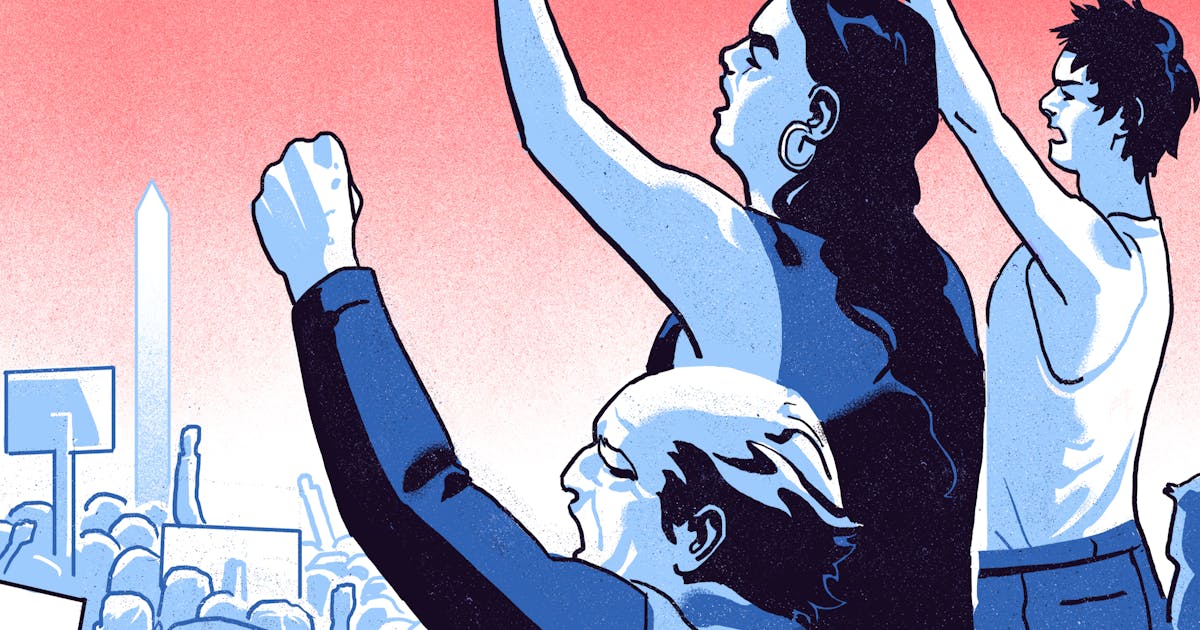
Ordinary people have more power than they know.
Mississippi - Sixth Amendment Center
The state of Mississippi delegates to its local governments all responsibility for funding and administering indigent defense service in adult criminal trials, except for some case types where the state provides services. The state has no commission providing oversight of indigent defense services.

Expert: The NAACP is Fighting to Keep Black Communities From Becoming AI’s Collateral Damage – The Root
Early violence is a bad teacher. But the mind can learn anew | Aeon Essays
A world of violence sustains itself through guns, poverty and other social ills, but also through the minds it creates
How You Start is How You Finish? The Slave Patrol and Jim Crow Origins of Policing
Though history books may say otherwise, policing in the United States has its roots in the slave patrols in the South. The institution of policing, and the larger justice system, must reconcile its past to evolve away from its racist roots.


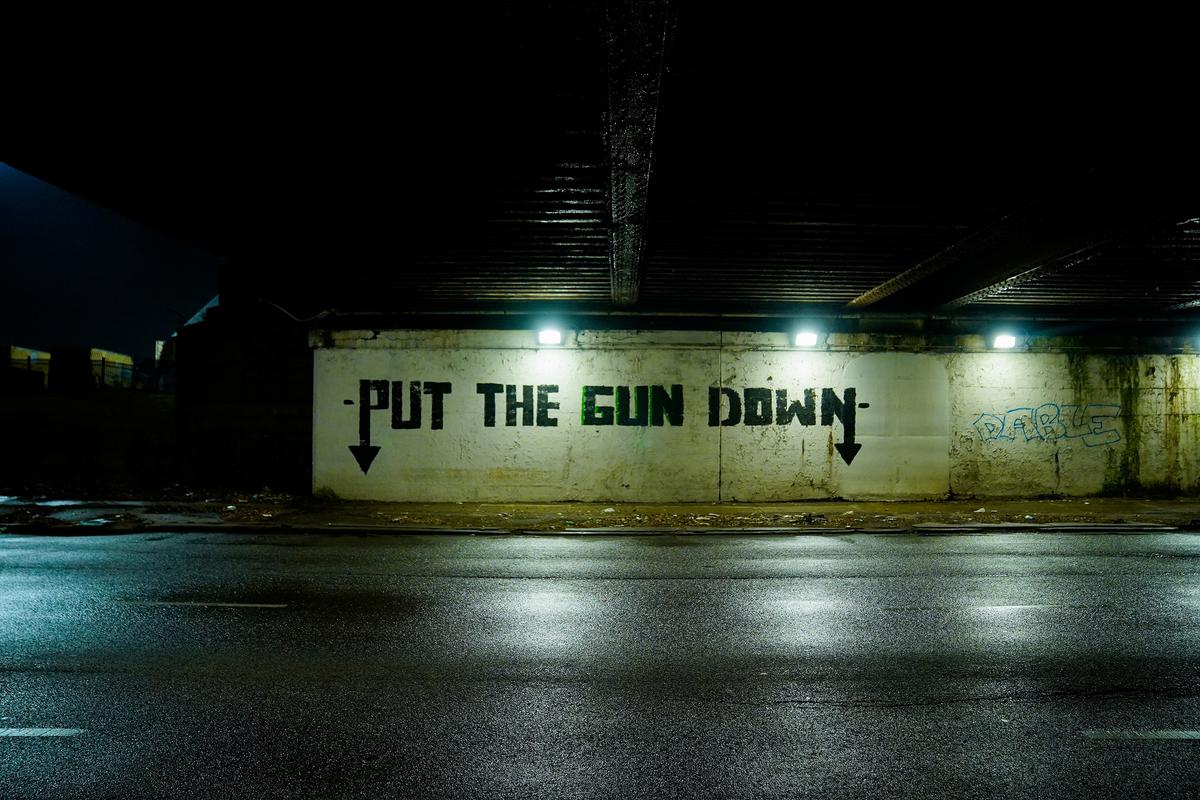
A Better Conversation on Guns
For the U.S. to make lasting progress against firearm violence, it must change the way it talks about — and talks to — people who carry.

Mississippi public defenders could curb incarcerations - Mississippi Today
What Mississippi needs is a state-level public defender mandate establishing clear, enforceable standards that apply in every jurisdiction: standards for compensation and expenses, for workload, for when counsel first meets a client, for continuity of representation through all stages of a case.

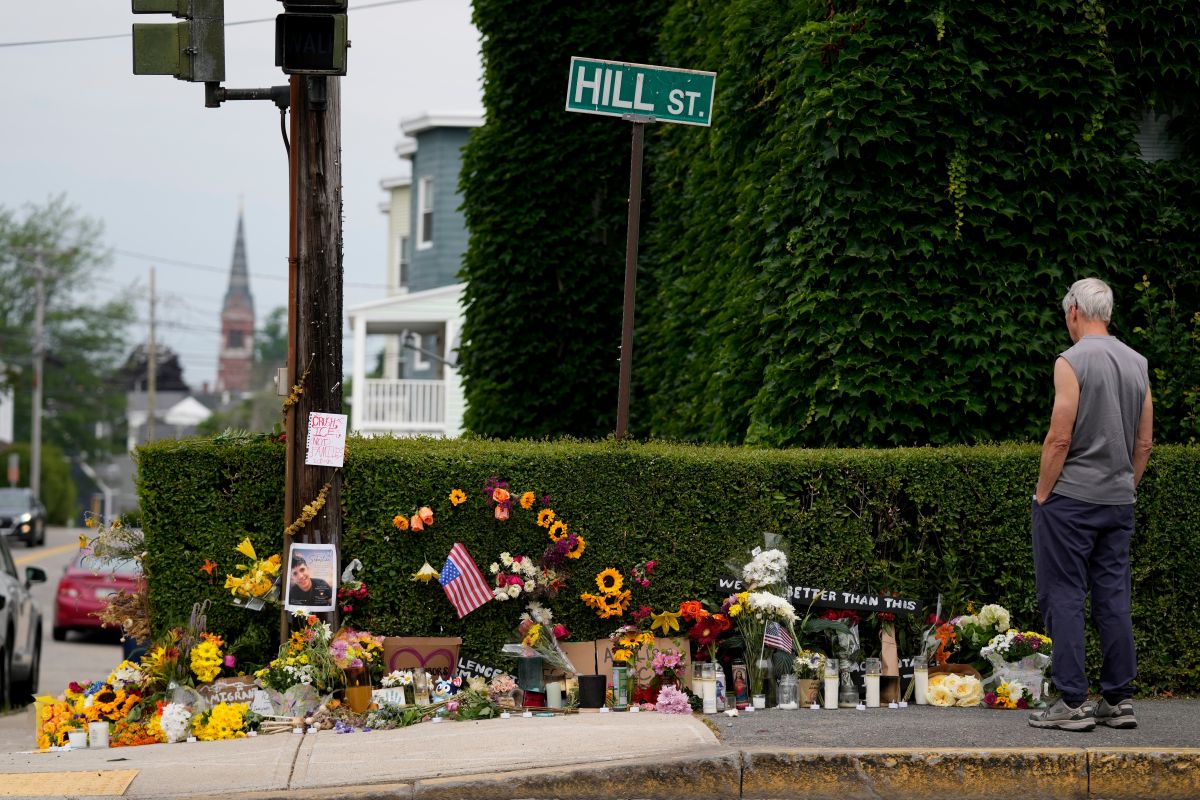
Biddeford shooting renews questions about ICE tactics, training
A review of previous Maine cases show how investigations into use of force often lean heavily on officers’ perception of potential harm.
#Charlestonsyllabus - AAIHS
Here is a list of readings that educators can use to broach conversations in the classroom about the horrendous events that unfolded in Charleston, South Carolina on the evening of June 17, 2015. These readings provide valuable information about the history of racial violence in this country and contextualize the history of race relations in South
