"The successful 1776 revolt against British rule in North America has been hailed almost universally as a great step forward for humanity. But the Africans then residing in the colonies overwhelmingly sided with London. In this trailblazing book, Gerald Horne complements his earlier celebrated Negro Comrades of the Crown, by showing that in the prelude to 1776, the abolition of slavery seemed all but inevitable in London, delighting Africans as much as it outraged slaveholders, and sparking the colonial revolt. In the prelude to 1776, more and more Africans were joining the British military, and anti-slavery sentiments were deepening throughout Britain. And in the Caribbean, rebellious Africans were chasing Europeans to the mainland. Unlike their counterparts in London, the European colonists overwhelmingly associated enslaved Africans with subversion and hostility to the status quo. For European colonists, the major threat to security in North America was a foreign invasion combined with an insurrection of the enslaved. And as 1776 approached, London-imposed abolition throughout the colonies was a very real and threatening possibility--a possibility the founding fathers feared could bring the slave rebellions of Jamaica and Antigua to the thirteen colonies. To forestall it, they went to war. The so-called Revolutionary War, Horne writes, was in large part a counter-revolution, a conservative movement that the founding fathers fought in order to preserve their liberty to enslave others--and which today takes the form of a racialized conservatism and a persistent racism targeting the descendants of the enslaved. The Counter-Revolution of 1776 drives us to a radical new understanding of the traditional heroic creation myth of the United States."--Publisher's description
How Indigenous West African Communities Resisted the European Slave Trade
Compelling evidence of massive African resistance to Atlantic slavery can be found from the very onset of the European colonial arrival on the con-tinent. When the Portuguese gained control of the …
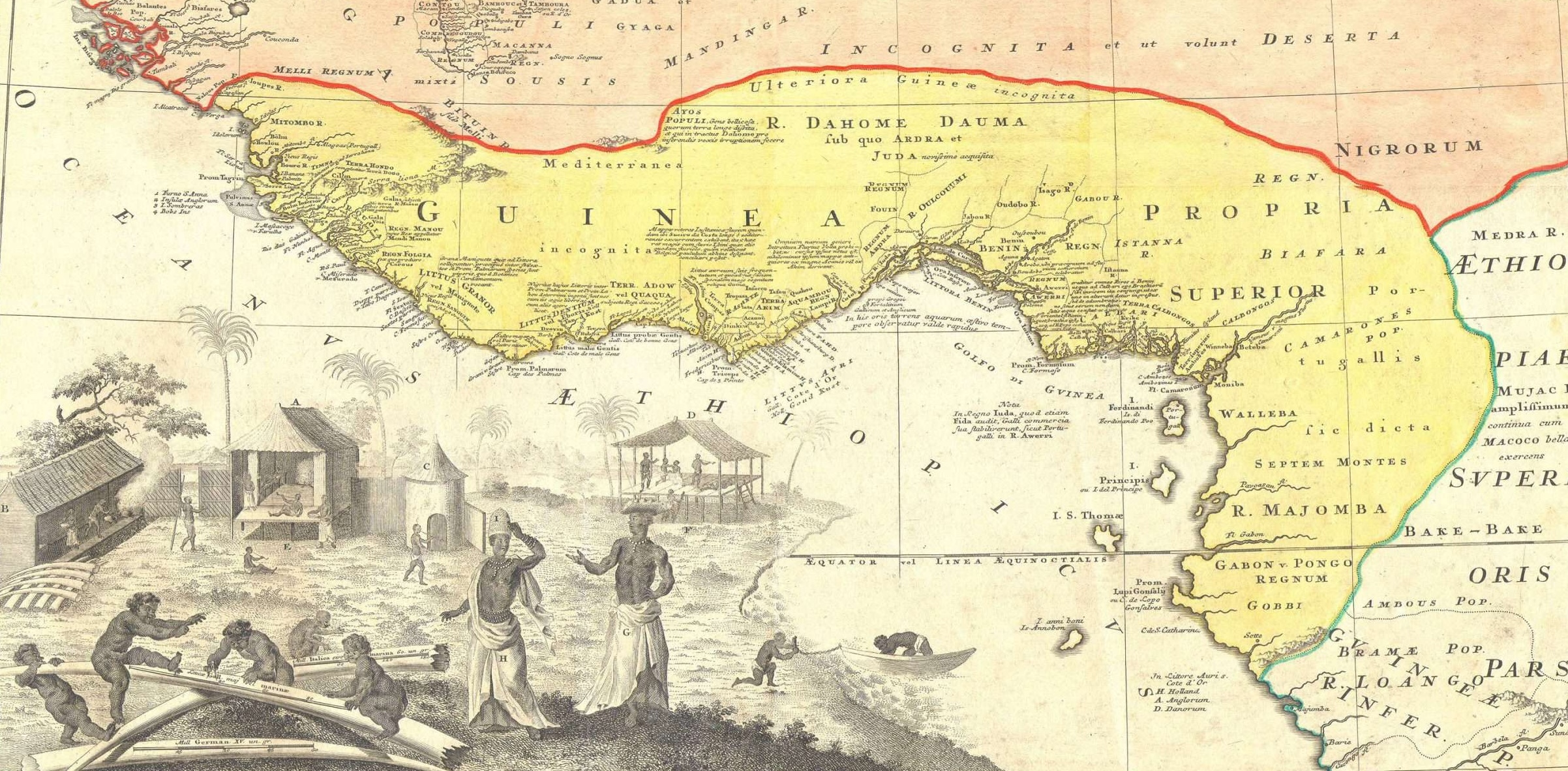
The Chesapeake Slave Trade:Regional Patterns, African Origins, and Some Implications | History Cooperative
THE movement of peoples from the Old World to the New and the resulting transfers or transformations of homeland cultures in new physical and social environments has been a central theme of early American history. Overwhelmingly, historians have written on the transfers of peoples from sixteenth- through eighteenth-century Europe and sub-Saharan Africa to various American destinations in isolation from one another. When these two contemporary migration flows are considered together, sheer numbers demonstrate that, up to 1776, the majority of men, women, and children transported from the Old World to British North America were, to varying degrees, unfree. And increasingly throughout most of the eighteenth century, those migrants came from Africa and were permanently enslaved.
Anarchism and The Black Revolution and Other Essays
An analysis of white supremacy vs the black struggle an…

Thy Will Be Done: George Washington's Legacy of Slavery and the Fight for American Memory
George Washington's Legacy of Slavery and the Fight for American Memory
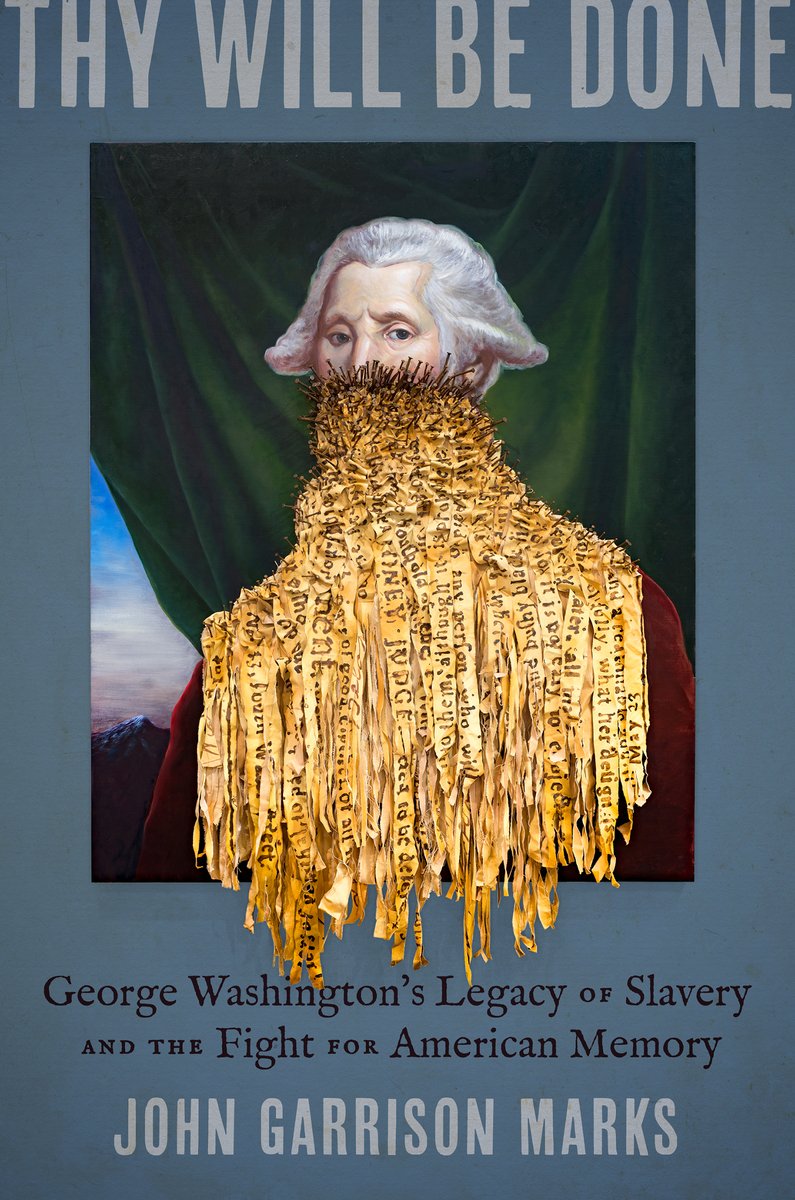
Malcolm X's Speech After the Firebombing (Feb. 14, 1965)
Tonight one of the things that has to be stressed is that which has not only the United States very much worried but which also has France, Great Britain, and most of the powers, who formerly were known as colonial powers, worried also, and that primarily is the African revolution. They are more concerned with the revolution that's taking place on the African continent than they are with the revolution in Asia and in Latin America.
America, América: a new history of the New World
"The story of how the United States' identity was formed is almost invariably told by looking east to Europe. But as Greg Grandin vividly demonstrates, the nation's unique sense of itself was in fact forged facing south-no less than Latin America's was indelibly stamped by the looming colossus to the north. In this stunningly original reinterpretation of the New World Grandin reveals how North and South emerged from a constant, turbulent engagement with each other. America, América traverses half a millennium, from the Spanish Conquest-the greatest mortality event in human history-through the eighteenth-century wars for independence, the Monroe Doctrine, the coups and revolutions of the twentieth century, and beyond. Grandin shows, among other things, how royalist Spanish America, by sending troops and supplies, helped save the republican American Revolution; how in response to U.S. interventions, Latin Americans remade the rules, leading directly to the founding of the United Nations; and how the Good Neighbor Policy allowed FDR to assume the moral authority to lead the fight against world fascism. Grandin's book sheds new light on well-known historical figures like Bartolomé de las Casas, Simón Bolívar, and Woodrow Wilson, as well as lesser-known actors such as the Venezuelan Francisco de Miranda, who almost lost his head in the French Revolution and conspired with Alexander Hamilton to free America from Spain; the Colombian Jorge Gaitán, whose unsolved murder inaugurated the rise of Cold War political terror, death squads, and disappearances; and the radical journalist Ernest Gruening, who in championing non-interventionism in Latin America, helped broker the most spectacularly successful policy reversal in United State history. This is a monumental work of scholarship that will fundamentally change the way we think of slavery and racism, the rise of universal humanism, and the role of social democracy in staving off extremism. At once comprehensive and accessible, America, América shows that centuries of bloodshed and diplomacy not only helped shape the political identities of the United States and Latin America but also the laws, institutions, and ideals that govern the modern world. A culmination of a decades-long engagement with hemispheric history, drawing on a vast array of sources, and told with authority and flair, this is a genuinely new history of the New World"-- Provided by publisher

The Rebel: An Essay on Man in Revolt | Philopedia
Overview of Albert Camus’s The Rebel, exploring metaphysical and historical rebellion, nihilism, revolution, and the limits of political violence.

Marxism & the Global South
A critical history of imperialism and dependency theory, from Marx on colonialism and Eurocentrism to Baran, Frank, Wallerstein, and Samir Amin.
Marxism & the Global South
A critical history of imperialism and dependency theory, from Marx on colonialism and Eurocentrism to Baran, Frank, Wallerstein, and Samir Amin.
John Brown, abolitionist : the man who killed slavery, sparked the Civil War, and seeded civil rights : Reynolds, David S., 1948-
Includes bibliographical references and index


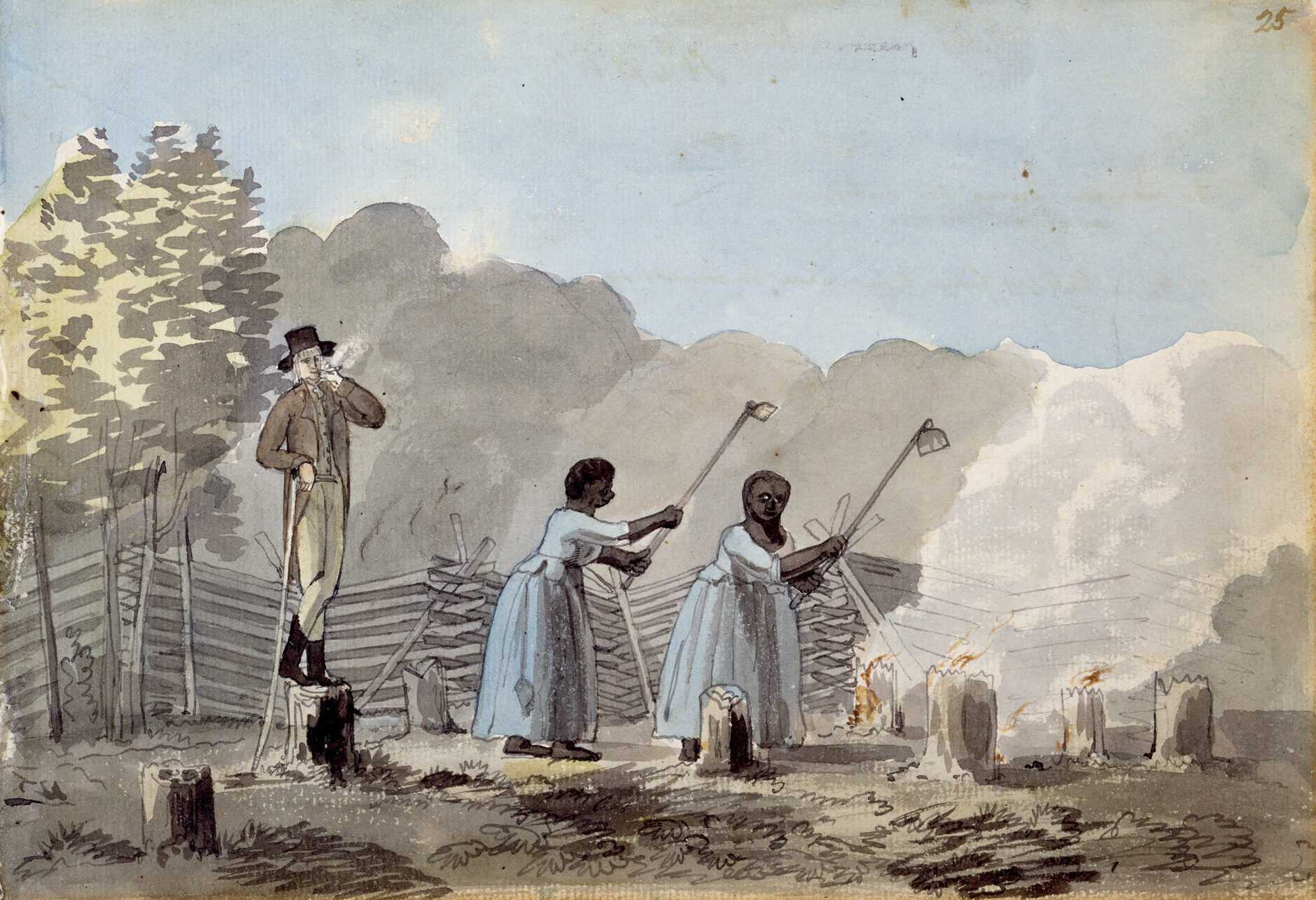
The Chesapeake: Making Race
When the Chesapeake region began taking shape, race and class were ill-defined. But Africans quickly became enslaved for life.
Deeds, Not Words: The Myth of Polite Revolution
A refusal of the sanitized story that rights were won by asking nicely. The suffragettes bombed Westminster Abbey. The Deacons for Defense guarded MLK. Man…
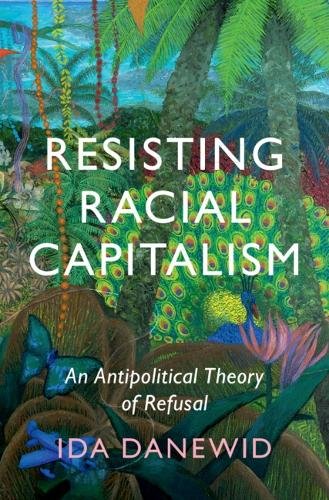
Resisting Racial Capitalism: An Antipolitical Theory of Refusal
An Antipolitical Theory of Refusal
Les Résistantes 2025 : il ne suffit pas de ne pas être racistes pour être antiracistes
1. Introduction — Merci 2. Antiracisme et théorie décoloniale 2.1. Se repérer dans les courants a. L’anticolonialisme b. Le postcolonialisme c. Le mouvement décolonial 2.2. Critiques du mouvement d…

Imperialism in the Twenty-First Century - Monthly Review
John Smith teaches international political economy at Kingston University in London. This paper has been abstracted from his book Imperialism in the Twenty-First Century, forthcoming from Monthly Review Press in... READ MORE