The Textbook behind the Foundational Principles of Recu…
Revenue Models (2026): 19 Different Ways to Make Money [B2B & B2C] - Gust de Backer
So many different revenue models... But, which one fits your business? Over the past few decades, many new revenue models have proven to be profitable. That's why I'm going to show you 16 different revenue models so you can evaluate if there might be a better way to monetize the value you deliver to your customer. Let's start... What is…

Why We're Building Recurring Payments Differently - ATProtoFans Blog
Part 1 of our "Building Recurring Payments in Public" series where we give some context about what we're trying to do and why it matters.
Revenue-based financing
Revenue-based financing (also known as royalty financing[1] or royalty-based financing[2]) is a type of financial capital provided to growing businesses in which investors inject capital (sometimes called an advance) into a business in return for a fixed percentage of ongoing gross revenues (called royalties), with payment increases and decreases based on business revenues, typically measured as monthly revenue.[1][3]
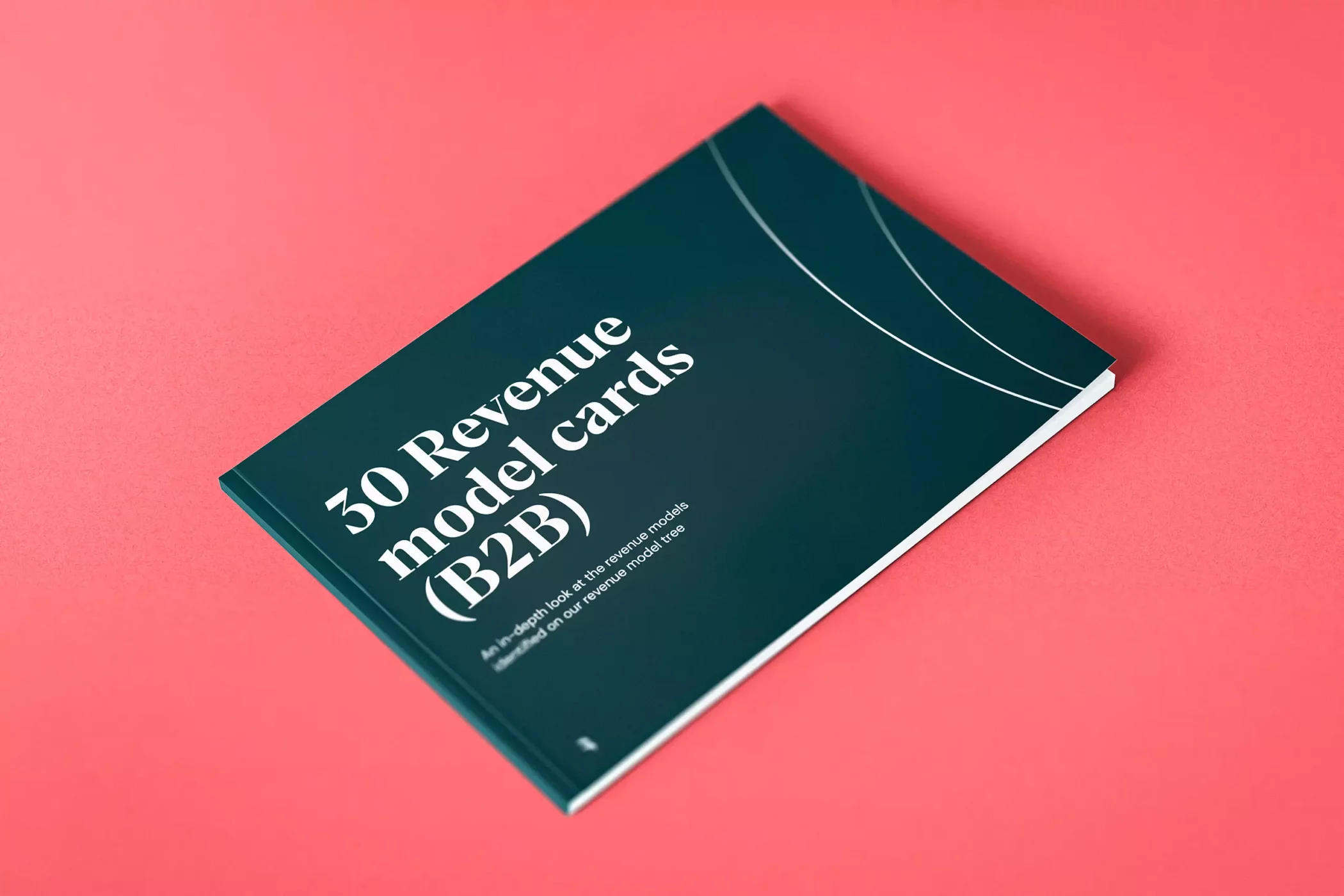
30 Revenue model cards (B2B)
Explore these revenue model examples for B2B, and find new ways your organization could be making money.
The corporation—a return to origins?
This paper contributes to contemporary debates in political theory about the power of business corporations by offering a genealogy of the corporation through the lens of a series of historical mutations of the corporate form. Originally, there were two corporate forms, both non-profit: member corporations (today's associations) and property corporations (today's charitable foundations). The contemporary business corporation arguably is a hybrid of both of these original forms, introducing unique commercial features (shares with profit distribution rights that are transferable). These commercial features are largely responsible for the corporation's extractive nature, that is, its tendency to prey on non-shareholder interests. The future of the corporation may well lie in a partial return to the two original non-profit forms. Two corporate forms developed in the nineteenth century can provide the format for such a return: cooperatives (which reinforce the idea of membership) and foundation-owned companies. The cooperative structure is a halfway house between a business corporation and a member corporation (association), and in a parallel fashion, a foundation-owned company is a halfway house between a business corporation and a property corporation (foundation). If we want to reduce corporations’ extractive nature, facilitating the spread of cooperatives and foundation-owned companies seems the way forward.

Revenue Streams
Keeping in mind profit potential, what revenue(s) are you generating from each stakeholder segment for your value?
Denizen / Post-Growth Economics (Deep Dive)
Rather than money accumulating into fewer private hands, not-for-profit businesses loop their profits back into the economy. Rather than money going into someone’s bank account, it comes back into the system. This is not the same as a non-profit, which may not have a business model. These are businesses that make a profit but do not extract that capital but rather circulate it
Chief Revenue Officer Program (CRO)
This C-suite role works closely with the executive team and is at the center of all revenue-related functions, including marketing, sales, customer support, pricing, and revenue operations management.

Demystifying Revenue Leadership: The Role of a CRO in Differing Stages of a Startup - Eric Janssen
Exploring the changing role of a CRO in different stages of a startup's growth. - Sales by Eric Janssen
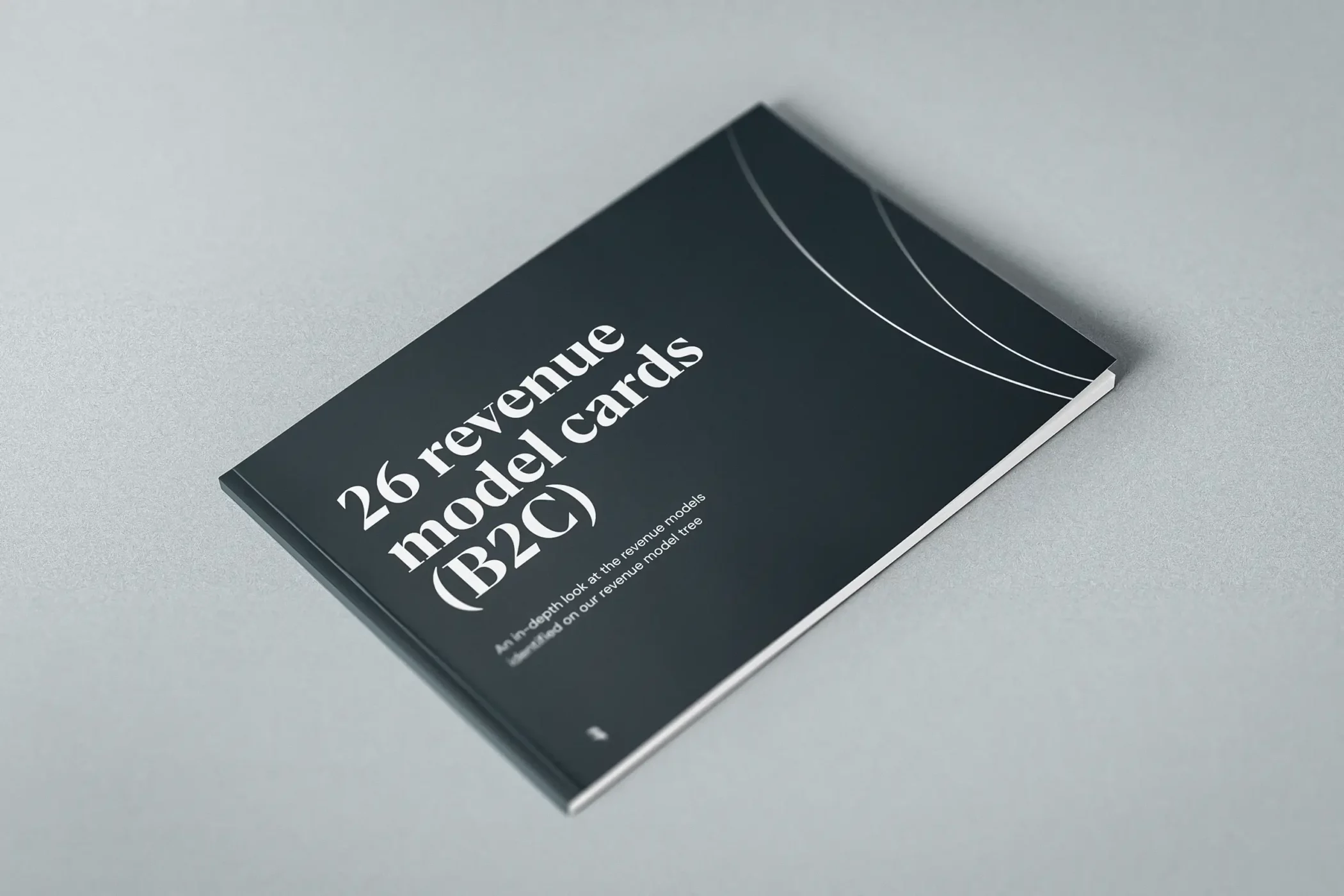
26 Revenue model cards (B2C)
Explore these revenue model examples for B2C, and find new ways your organization could be making money.
The Rules of Recurring Payments: Every Constraint Has a Story - ATProtoFans Blog
Part 2 of our "Building Recurring Payments in Public" series where we give some context the behaviors, constraints, and definitions of recurring payments.
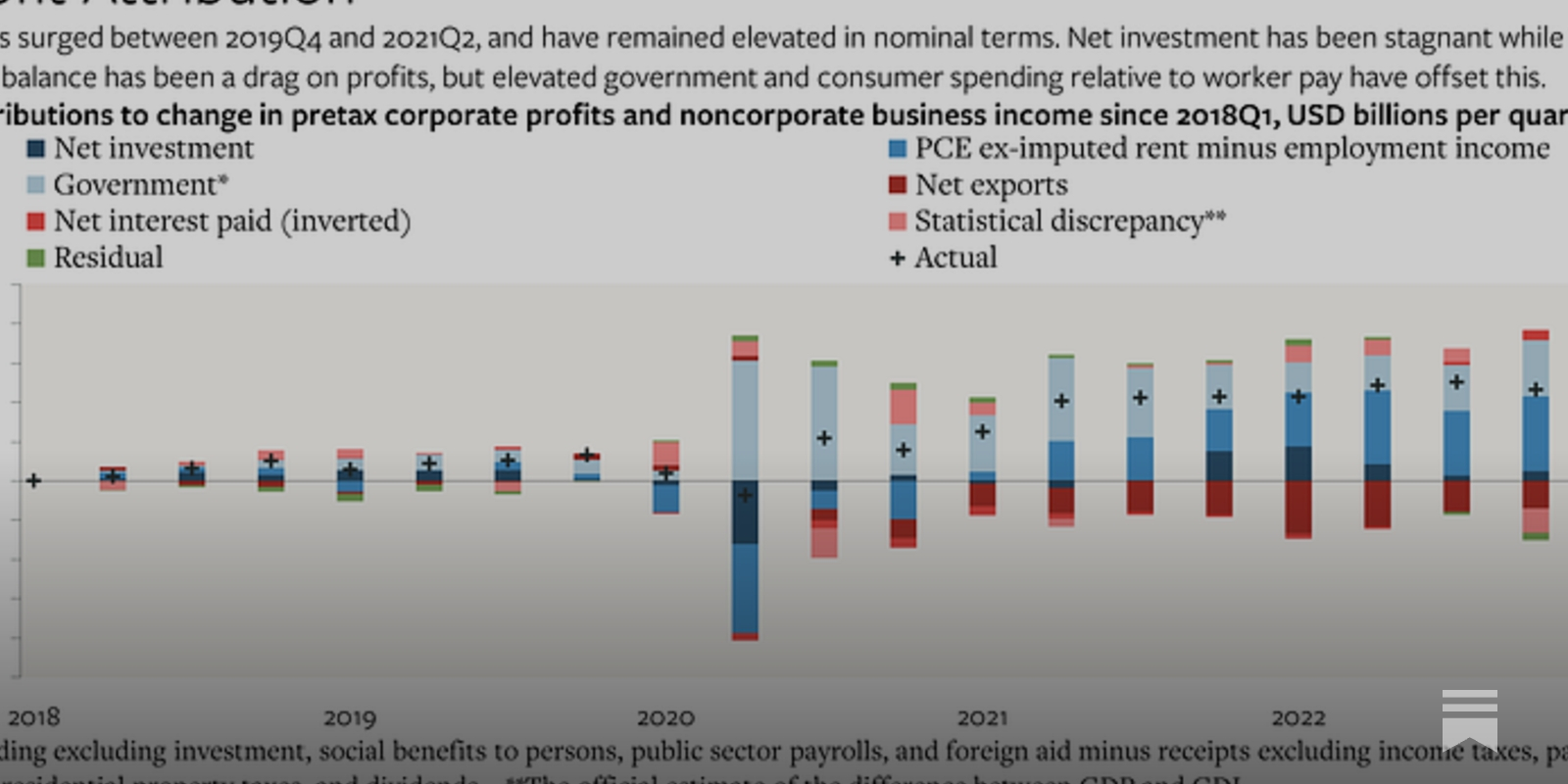
"Greedflation" and the Profits Equation
The assumption behind the "greedflation" thesis is that companies are choosing to squeeze volumes because they care more about unit margins than total profits. There are other possibilities.
Regenerative Economics - Principles
Our hope is that the Regenerative Economics materials act like a wildflower, taking root in even the smallest of cracks and spreading seeds to change the way economics is understood by young people around the world. The guiding principles: Facilitate change from the ground up: We recognise the

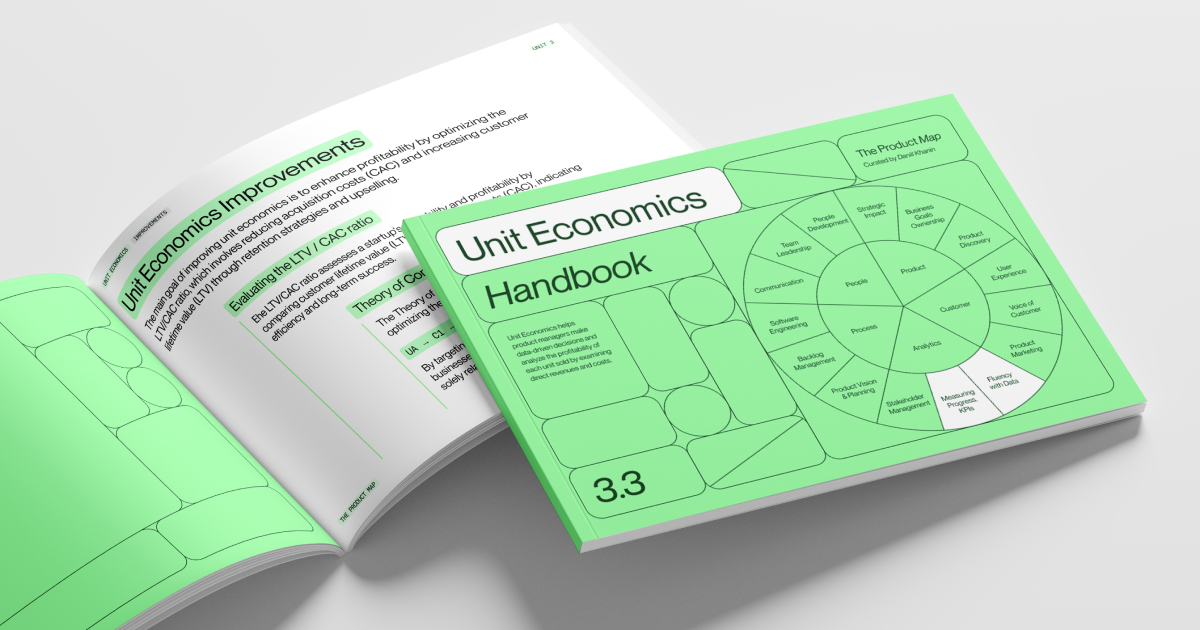
Unit Economics Handbook | Product Map
The Product Map Handbook is a valuable resource for product managers and entrepreneurs, offering practical insights into calculating and optimizing financial metrics across various business models. This comprehensive guide features the Unit Economics Canvas, a structured tool for analyzing and improving the profitability of business units.
Positive Sum Worlds: Remaking Public Goods
An era of global protocols requires a visionary redefinition of public goods, in service of others.