


Named one of the best books of 2015 by The Economist A…
Is There Need for “The New Wild”?: The New Ecological Quarrels | Los Angeles Review of Books
Pearce takes aim at the edifice that has coalesced around conservation efforts in the face of invasion.
Taking direct action against invasive species is helping these volunteers calm their climate anxiety | CBC News
People who spend their free time doing back-breaking labour to remove invasive plants from their local green spaces say it's worth it because they're doing something tangible to mitigate the effects of climate change.


State of Conservation Technology | WILDLABS
Explore insights from the first community-sourced assessment of the State of Conservation Technology

Human Predators: Groundbreaking insights into the red f…
Discover and share books you love on Goodreads.

Wildland: Why, What and How?
We are excited to present the paper outlining the project’s high-level rationale, as well as some nuts and bolts of this initiative.
Ecosystem services - nature’s benefits
Nature's benefits or ecosystem services depend on a healthy environment. Investing in nature will help to secure these benefits for future generations.
GainForest — Biodiversity Observations & Nature Projects
Explore field observations, biodiversity records, and nature projects from communities and organizations using GainForest.
GainForest — Biodiversity Observations & Nature Projects
Explore field observations, biodiversity records, and nature projects from communities and organizations using GainForest.
GainForest — Biodiversity Observations & Nature Projects
Explore field observations, biodiversity records, and nature projects from communities and organizations using GainForest.
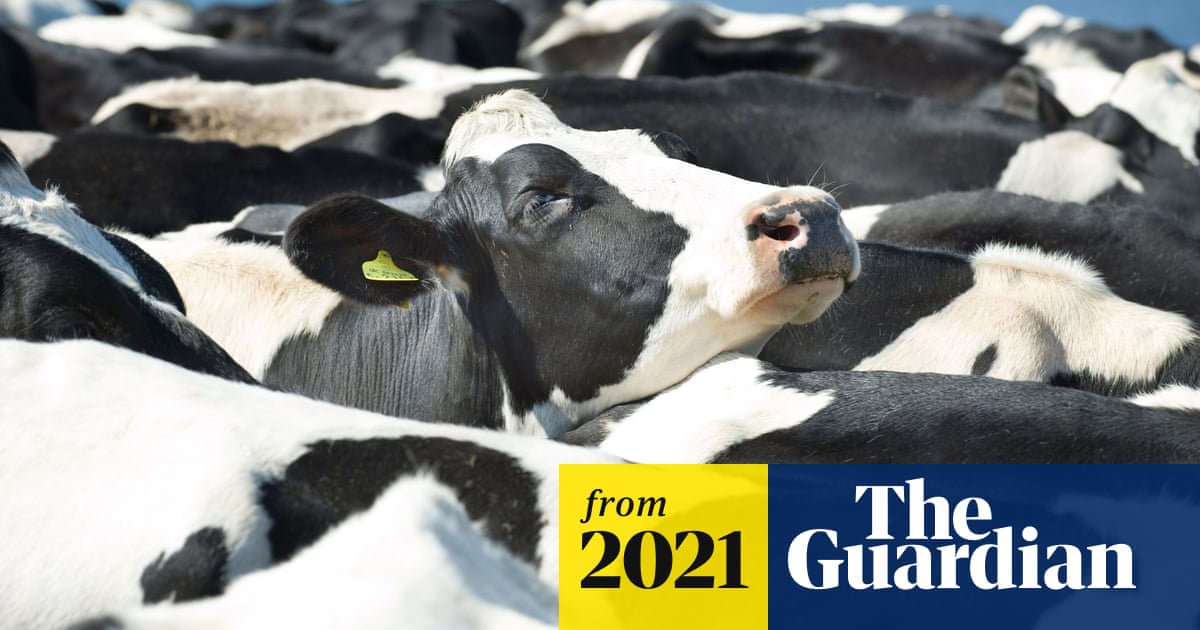
Plant-based diets crucial to saving global wildlife, says report
Vicious circle of cheap but damaging food is biggest destroyer of nature, says UN-backed report
Assessing nature's contributions to people
Recognizing culture, and diverse sources of knowledge, can improve assessments , A major challenge today and into the future is to maintain or enhance beneficial contributions of nature to a good quality of life for all people. This is among the key motivations of the Intergovernmental Science-Policy Platform on Biodiversity and Ecosystem Services (IPBES), a joint global effort by governments, academia, and civil society to assess and promote knowledge of Earth's biodiversity and ecosystems and their contribution to human societies in order to inform policy formulation. One of the more recent key elements of the IPBES conceptual framework ( 1 ) is the notion of nature's contributions to people (NCP), which builds on the ecosystem service concept popularized by the Millennium Ecosystem Assessment (MA) ( 2 ). But as we detail below, NCP as defined and put into practice in IPBES differs from earlier work in several important ways. First, the NCP approach recognizes the central and pervasive role that culture plays in defining all links between people and nature. Second, use of NCP elevates, emphasizes, and operationalizes the role of indigenous and local knowledge in understanding nature's contribution to people.

The Real Cost of Plundering the Planet’s Resources
Our accelerating rates of extraction come with immense ecological and social consequences.
Nature Risk Rising: Why the Crisis Engulfing Nature Matters for Business and the Economy
Nature Risk Rising, the first report in the NNE series, explains how nature-related risks matter to business, why they must be urgently mainstreamed into risk management strategies and why it is vital to prioritize the protection of nature’s assets and services within the broader global economic growth agenda.

What if our cities were designed for wildlife as well as people?
New research argues urban planning must recognise animals, plants and ecosystems as fellow inhabitants of our cities.

Plant Native | NWF Native Plant Habitats
Learn why native plants are important for wildlife. Discover habitat essentials, sustainable practices, and ways to create a Certified Wildlife Habitat®.
