


Douglas Hofstadter's book is concerned directly with th…
Gödel, Escher, Bach: An Interesting Triad and an incredibly Complex Book
Book Review

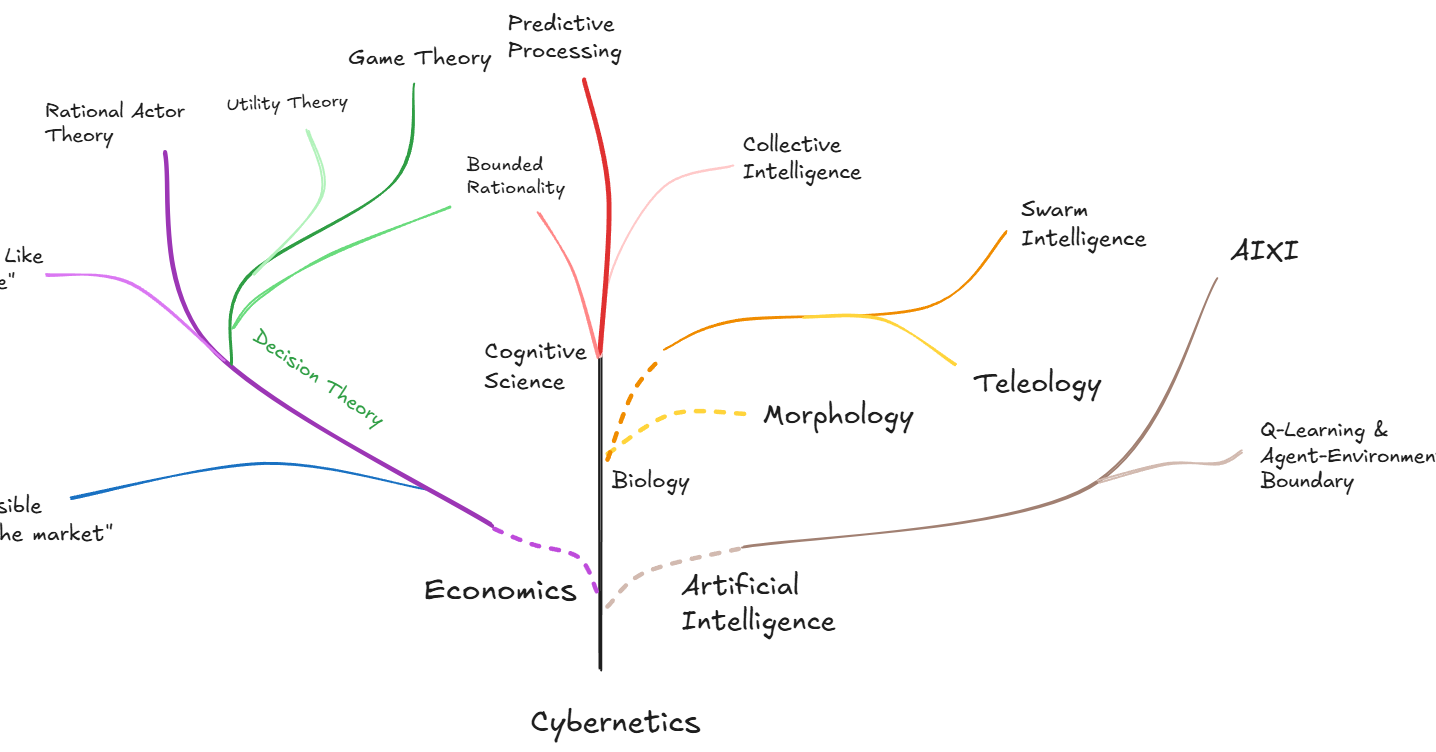
A Phylogeny of Agents — LessWrong
In Douglas Hofstadter's "Gödel, Escher, Bach," he explores how simple elements give rise to complex wholes that seem to possess entirely new properti…
LLMs and self-referentiality
I woke up yesterday with the following thoughts, which are probably either obvious or dumb. A central thesis that many readers, including me, took from Douglas Hofstadter’s Gödel Escher Bach when y…

Write You a Haskell ( Stephen Diehl )
Carl Czerny: A Pedantic DESTROYER of J.S.Bach's Legacy? Invention n°1 BWV 772
Complete Works (1977–2024) — Hirsch Argument Atlas
This atlas maps the complete argument of E.D. Hirsch Jr. across 10 books spanning 1977 to 2024. Every claim is extracted, every piece of evidence tracked, and every counter-argument surfaced. A separate layer of external scholarly research provides independent context.
The Book Outlines Wiki / Predictably Irrational
This outline was written by Chris Yeh, made free as part of the The Book Outline Wiki.
Katalog der Deutschen Nationalbibliothek
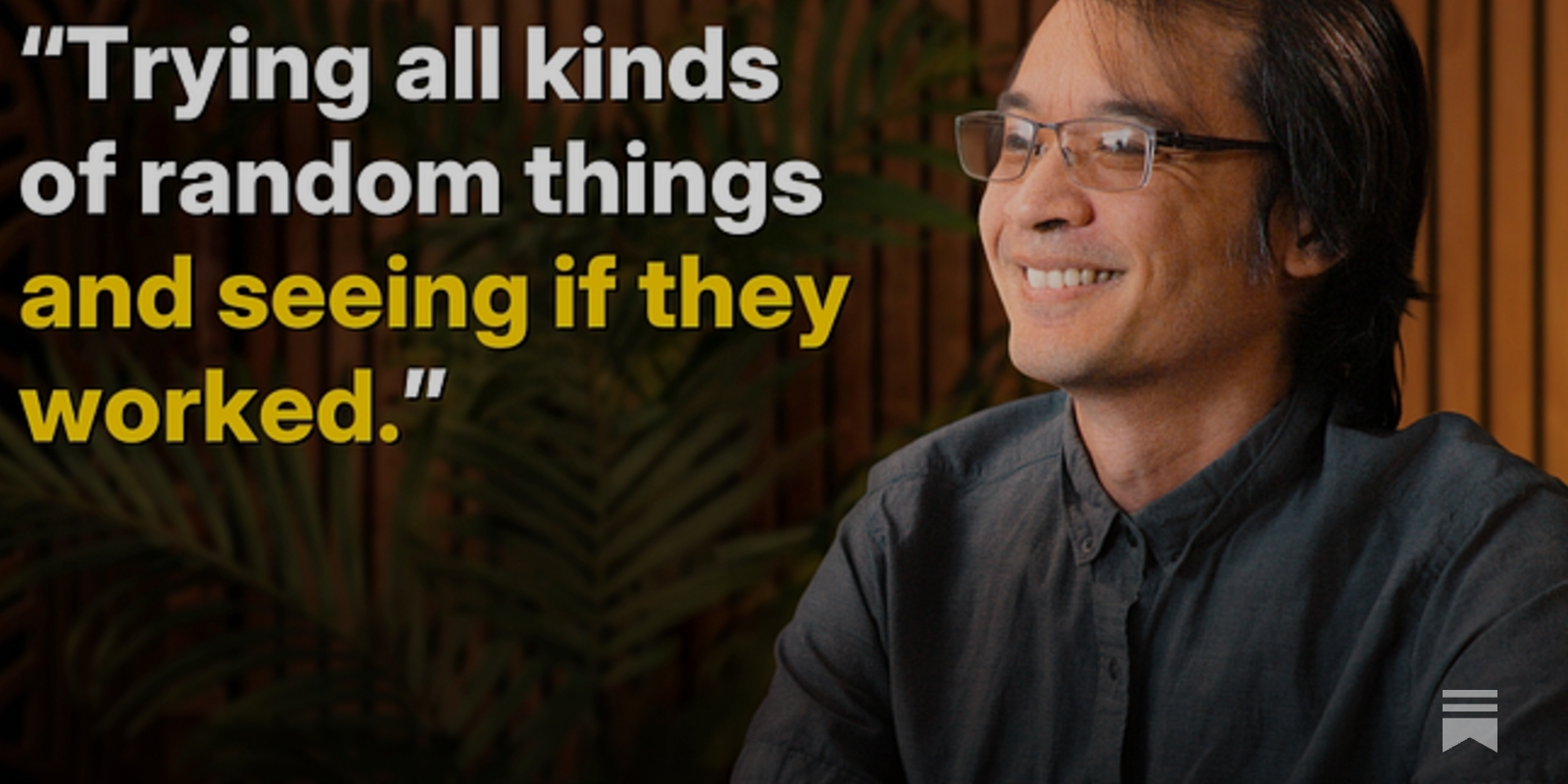
Terence Tao – Kepler, Newton, and the true nature of mathematical discovery
“And what those stories teach us about how AI will revolutionize math”
The Real Stakes, and Real Story, of Peter Thiel’s Antichrist Obsession
Thirty years ago, a peace-loving Austrian theologian spoke to Peter Thiel about the apocalyptic theories of Nazi jurist Carl Schmitt. They’ve been a road map for the billionaire ever since.

Iconic Math
As an introduction to a forthcoming book (late 2025), this page links to three narrated videos about unary boundary logic:
Notes for a Theory | Alberto Garutti
William Blake: the scourge of the tyrants
Discover and share books you love on Goodreads.

I am a strange loop
Hofstadter's long-awaited return to the themes of Gödel, Escher, Bach--an original and controversial view of the nature of consciousness and identity. What do we mean when we say "I"? Can a self, a soul, a consciousness, an "I" arise out of mere matter? If it cannot, then how can you or I be here? This book argues that the key to understanding selves and consciousness is a special kind of abstract feedback loop inhabiting our brains. Deep down, a human brain is a chaotic soup of particles, on a higher level it is a jungle of neurons, and on a yet higher level it is a network of abstractions that we call "symbols." The most central and complex symbol in your brain or mine is the one we both call "I." But how can such a mysterious abstraction be real--or is our "I" merely a convenient fiction?--From publisher description
