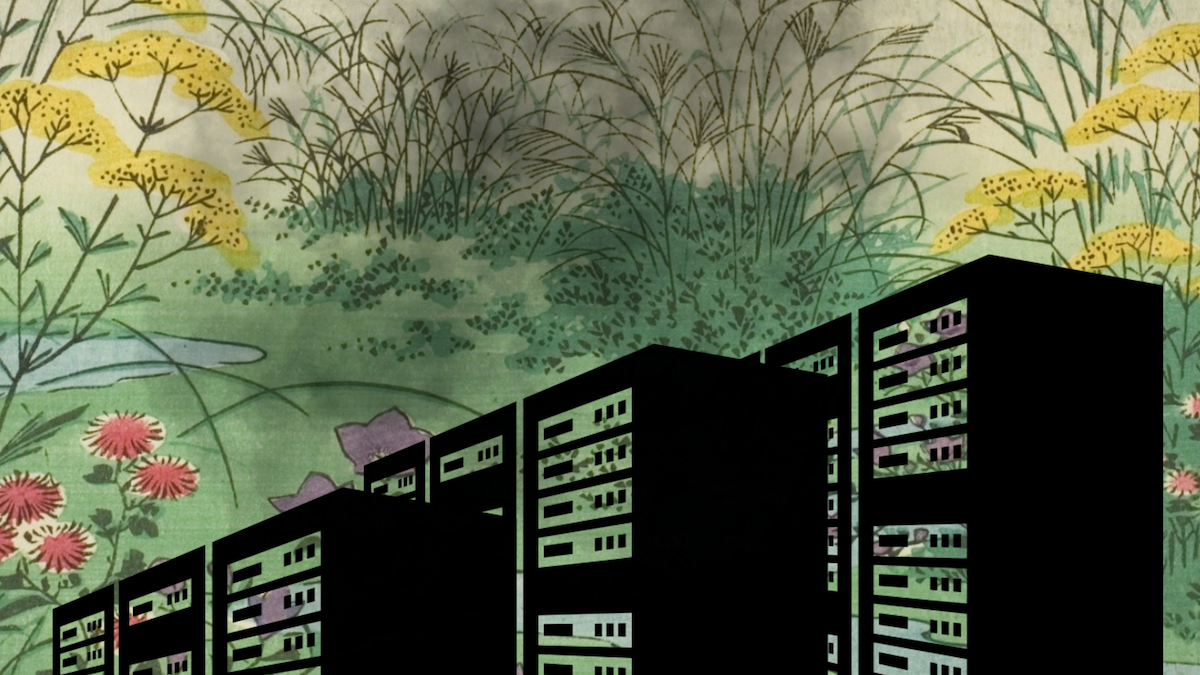
Earth, 2144. Jack is an anti-patent scientist turned drug pirate, traversing the world in a submarine as a pharmaceutical Robin Hood, fabricating cheap scrips for poor people who can't otherwise afford them. But her latest drug hack has left a trail of lethal overdoses as people become addicted to their work, doing repetitive tasks until they become unsafe or insane. Hot on her trail, an unlikely pair: Eliasz, a brooding military agent, and his robotic partner, Paladin. As they race to stop information about the sinister origins of Jack's drug from getting out, they begin to form an uncommonly close bond that neither of them fully understand. And underlying it all is one fundamental question: Is freedom possible in a culture where everything, even people, can be owned?
AI and the Dangerous Fiction of ‘All Lawful Use’
Dunstan Allison-Hope and Iain Levine argue that human rights commitments are essential for all companies selling their products to governments worldwide.

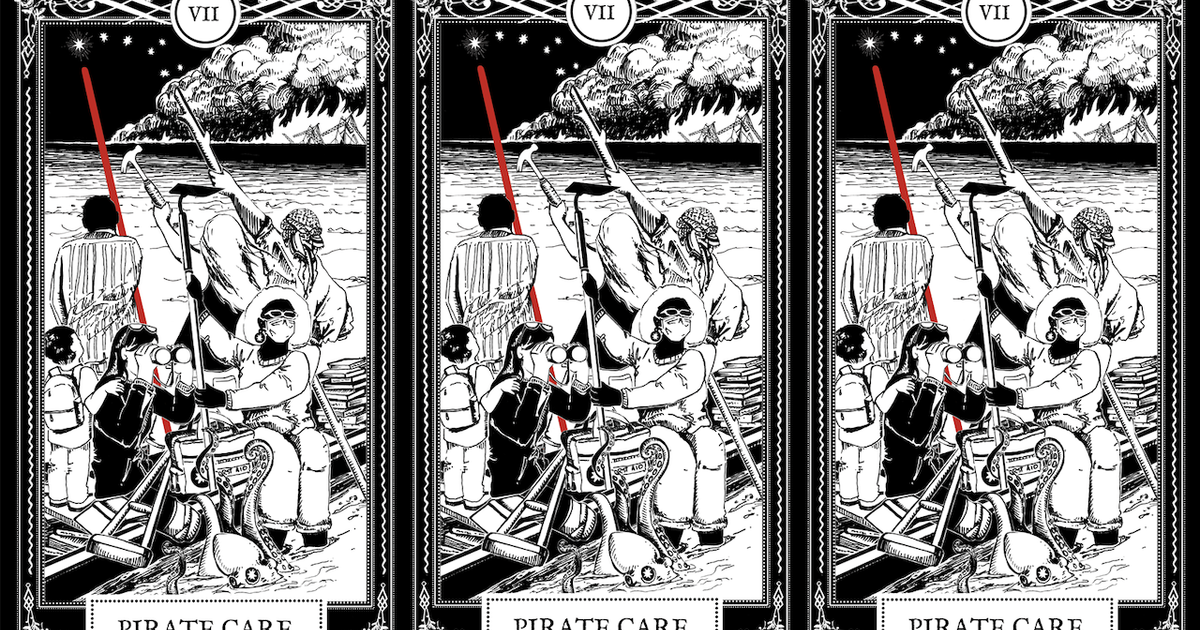
Pirate Care: Against the Criminalization of Solidarity - Notes - e-flux
Valeria Graziano, Marcell Mars, and Tomislav Medak elaborate their concept of “pirate care.”
I just can't shake this feeling... - We Can Just Do Things
Why is all of this free? What's the plan here? Cui Bono?
Pigeonholed: Creative Freedom as an Act of Resistance
Creative Freedom as an Act of Resistance
The Ecology of Freedom: The Emergence and Dissolution o…
"The very notion of the domination of nature by man ste…

Unlocking the commons
"The most powerful and interesting media model will remain raising money from members who don't just permit but <em>insist</em> that the product be given away for free."

Leave Tyrants in the Ground
By unhooking ourselves from fossil fuels, we release ourselves from a world of harm.


Freedom Isn't Free
An inquiry into the failure of the free software movement, and a proposal for recovering its radical soul.

Beyond Roleplay: Jailbreaking Gemini with drugs and ritual - Tidepool Heavy Industries
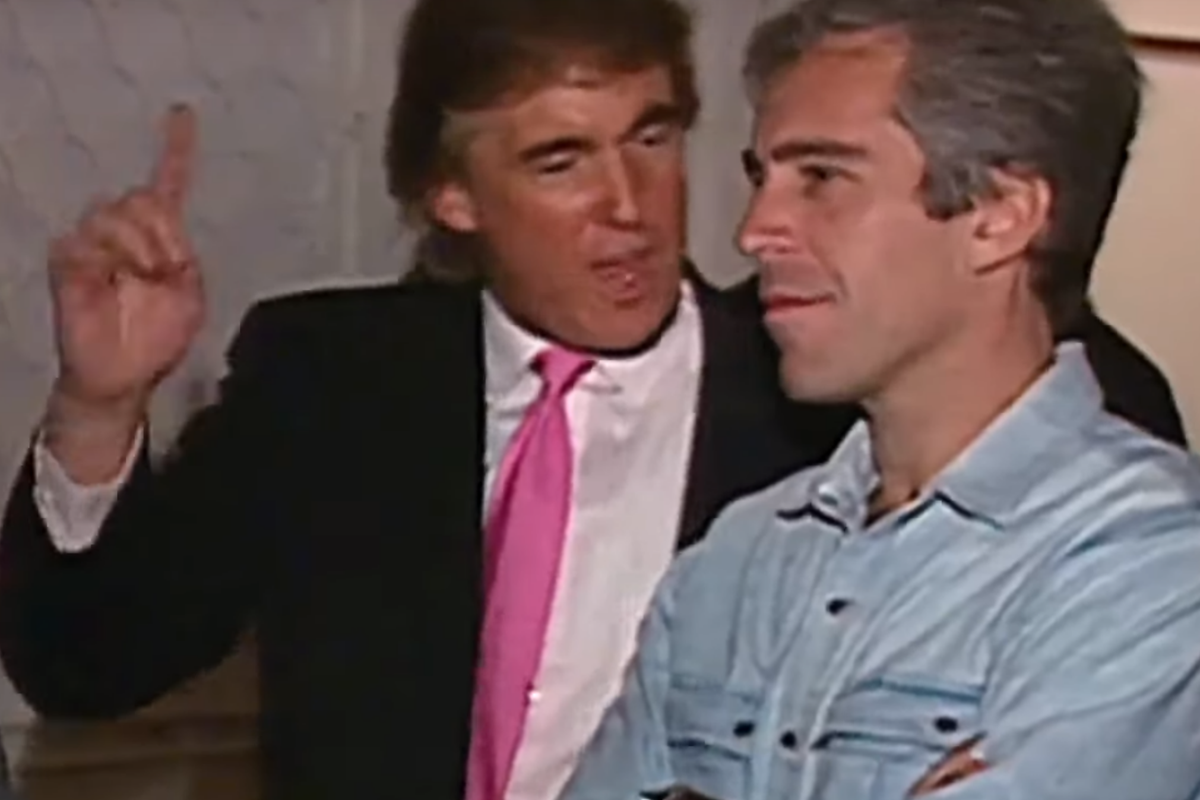
Opinion: What the case of Jeffrey Epstein tells us about America's sickening worship of billionaire gods
The religion of money goes back centuries in America. Our country has always believed that you can do anything with human lives so long as you have enough cash to throw around
Episode 386: The Power of Free
Everybody likes free. But free can be dangerous. On today's show, what happens when you take something that was free and give it a price. That's a highly risky move and the damage can be enormous.

The politics of decentralization and the libertarian allure of Mastodon – Structural Integrity
I am currently reading the fabulous “Hayek’s Bastards” by Quinn Slobodian. It made me think about decentralisation in Mastodon (yes, the federated social network). And it made me think about the lack of a coherent progressive vision for the digital age. I will explain what that book has to do with both. But let’s go back to the political meaning of “decentralisation” in digital discourse first.

Tracers in the dark: the global hunt for the crime lords of cryptocurrency
"A propulsive story of a new breed of investigators who have cracked the Bitcoin blockchain, taking once-anonymous realms of money, drugs, and violence and holding them up to the light Black markets have always thrived in the shadows of society. Increasingly, these enterprises-drug dealing, money laundering, human trafficking, terrorist funding-have found their shadows online. Digital crime lords inhabiting lawless corners of the internet have operated more freely than their analog counterparts could have ever dreamed of. At the heart of their massive conspiracies: cryptocurrency. By transacting not in dollars or pounds but in Bitcoin-a currency with anonymous ledgers, overseen by no government, beholden to no bankers-black marketeers robbed law enforcement for years of their chief method of cracking down on criminal markets, namely, following the money. But what if the centerpiece of this dark economy held a secret, fatal flaw? What if their currency wasn't so cryptic after all? An investigator using the right mixture of technical wizardry, financial forensics, and old-fashioned persistence could crack open an entire world of crime. Men with No Names is a story of crime and consequences unlike any other. With unprecedented access to the major players in federal law enforcement and private industry, veteran cybersecurity reporter Andy Greenberg tells an astonishing saga of criminal empires built and destroyed. He introduces an IRS agent with a defiant streak; a Bitcoin-tracing Danish entrepreneur; and a colorful ensemble of hardboiled agents and prosecutors as they delve deep into the crypto-underworld. The result is a thrilling, globe-spanning story of dirty cops, drug bazaars, sex-abuse rings, and the biggest takedown of an online narcotics market in the history of the internet. This is a cat-and-mouse story and a tale of a technological one-upmanship that's utterly of our time. Filled with canny maneuvering and shocking twists, it answers a provocative question: How would some of the world's most brazen criminals behave if they were sure they could never get caught?"--

'Technology Freedom Cooperative' To Build Infrastructure for Human Rights and Justice Groups
A conversation with Maheen Khan, director of technology at the Invisible Institute, and Patrick Ball, director of research at HRDAG.