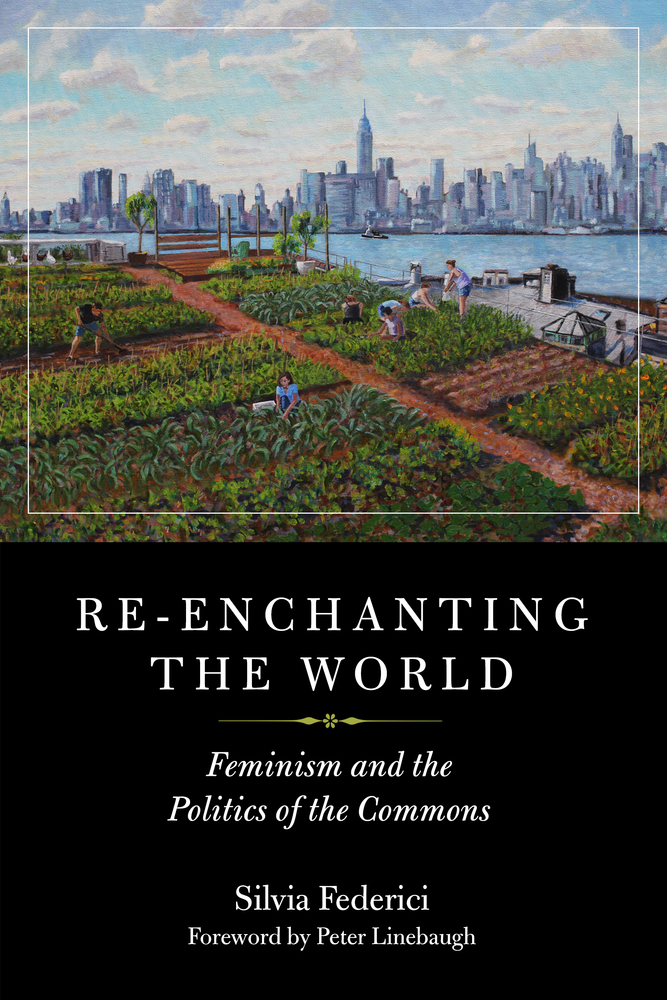
Silvia Federici is one of the most important contempora…
Re-enchanting the world : feminism and the politics of the commons
xviii, 227 pages ; 23 cm; "Silvia Federici is one of the most important contemporary theorists of capitalism and feminist movements. In this collection of her work spanning over twenty years, she provides a detailed history and critique of the politics of the commons from a feminist perspective. In her clear and combative voice, Federici provides readers with an analysis of some of the key issues and debates in contemporary thinking on this subject. Drawing on rich historical research, she maps the connections between the previous forms of enclosure that occurred with the birth of capitalism and the destruction of the commons and the "new enclosures" at the heart of the present phase of global capitalist accumulation. Considering the commons from a feminist perspective, this collection centers on women and reproductive work as crucial to both our economic survival and the construction of a world free from the hierarchies and divisions capital has planted in the body of the world proletariat. Federici is clear that the commons should not be understood as happy islands in a sea of exploitative relations but rather autonomous spaces from which to challenge the existing capitalist organization of life and labor"--; Foreward by Peter Linebaugh; Includes bibliographical references (pages198-216) and index; On primitive accumulation, globalization, and reproduction -- Introduction to the new enclosures -- The debt crisis, Africa, and the new enclosures -- China: breaking the iron rice bowl -- From commoning to debt: financialization, microcredit, and the changing architecture of capital accumulation -- Beneath the United States, the Commons -- Commons against and beyond Capitalism -- The University: a knowledge common? -- Feminism and the politics of the commons in an era of primitive accumulation -- Women's struggles for land in Africa and the reconstruction of the commons -- Women's struggles for land and the common good in Latin America -- Marxism, feminism, and the commons -- From crisis to commons: reproductive work, affective labor and technology, and the transformation of everyday life -- Re-enchanting the world: technology, the body, and the construction of the commons

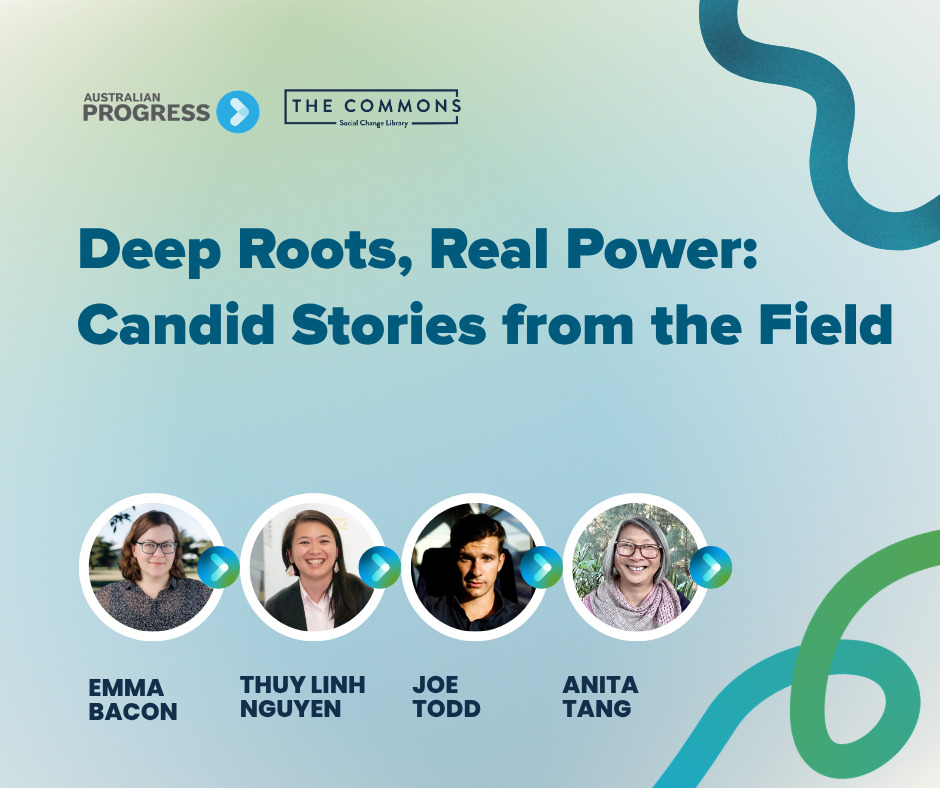
Deep Roots, Real Power: Candid Stories from the Field
The Commons is an online library for the change makers of the world and for those interested in social change, activism, organising, advocacy and justice.
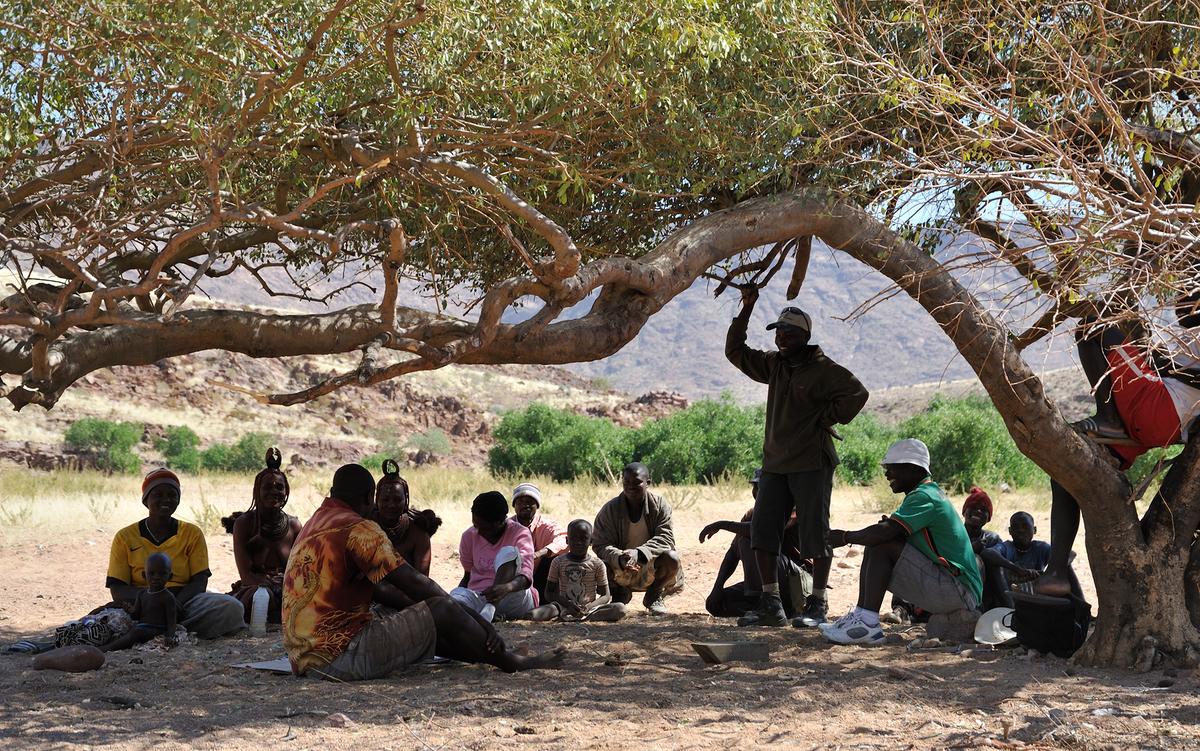
An alternate ending to the tragedy of the commons
I recently read Elinor Ostrom’s Governing the Commons and have been evangelizing it so enthusiastically that I figured I’d do a quick…
Féminisme en ligne : recherche, activisme et néolibéralisme. Entret...
Présentation Christina Scharff est professeure d’études culturelles (Culture and Subjectivity) et vice-doyenne des études doctorales en Arts & Humanités du King’s College London. Soutenue en 2009, ...

Feminism | The Paper Pilot
The Paper Pilot's digital garden of thoughts on philosophy, politics, and sociology
Uncommon victories: Lessons from Warringah and Indi
The Commons is an online library for the change makers of the world and for those interested in social change, activism, organising, advocacy and justice.

Femke Snelting – creating commons
Originally published in German as Feminist Server – Sichtbarkeit und Funktionalität. Digitale Infrastruktur als gemeinschaftliches Projekt, in Springerin 4/2019.
The tragedy of the commons is a false and dangerous myth | Aeon Essays
Far from being profoundly destructive, we humans have deep capacities for sharing resources with generosity and foresight
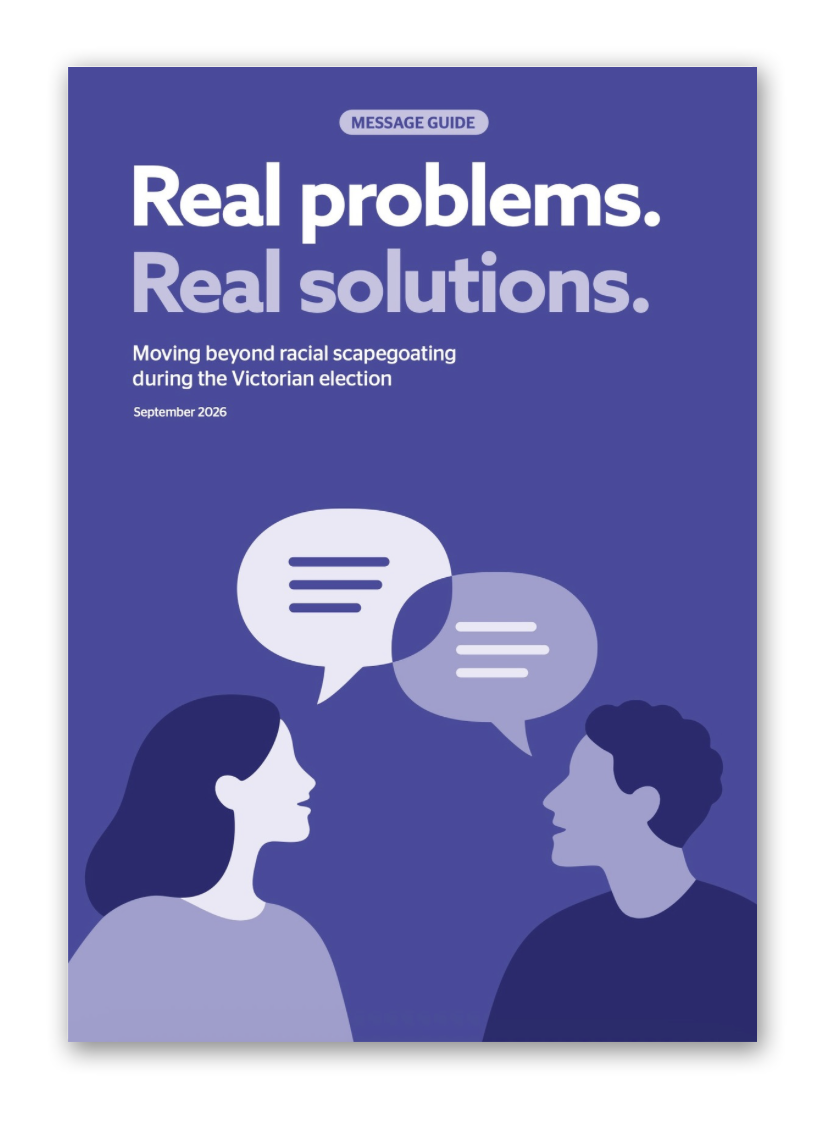
Real Problems, Real Solutions: A Messaging Guide to Move Beyond Racial Scapegoating in the Victorian Election
The Commons is an online library for the change makers of the world and for those interested in social change, activism, organising, advocacy and justice.
The Alternative to Capitalism Nobody Talks About | Eleanor Finley & Camila Vergara
Local Power: Shifting Power at the Local Level - Candidate School
The Commons is an online library for the change makers of the world and for those interested in social change, activism, organising, advocacy and justice.

Elections and Activism: Case Studies
The Commons is an online library for the change makers of the world and for those interested in social change, activism, organising, advocacy and justice.
Elections and Activism: Campaign Skills
The Commons is an online library for the change makers of the world and for those interested in social change, activism, organising, advocacy and justice.
Towards a feminist HCI methodology: social science, feminism, and HCI
Feminism is a natural ally to interaction design, due to its central commitments to issues such as agency, fulfillment, identity, equity, empowerment, and social justice. In this paper, I summarize the state of the art of feminism in HCI and propose ...

Messaging Guide to Counter Far Right Narratives
The Commons is an online library for the change makers of the world and for those interested in social change, activism, organising, advocacy and justice.
2022 Australian Federal Election Analysis
The Commons is an online library for the change makers of the world and for those interested in social change, activism, organising, advocacy and justice.