


The decisiveness of the short period of colonialism and…
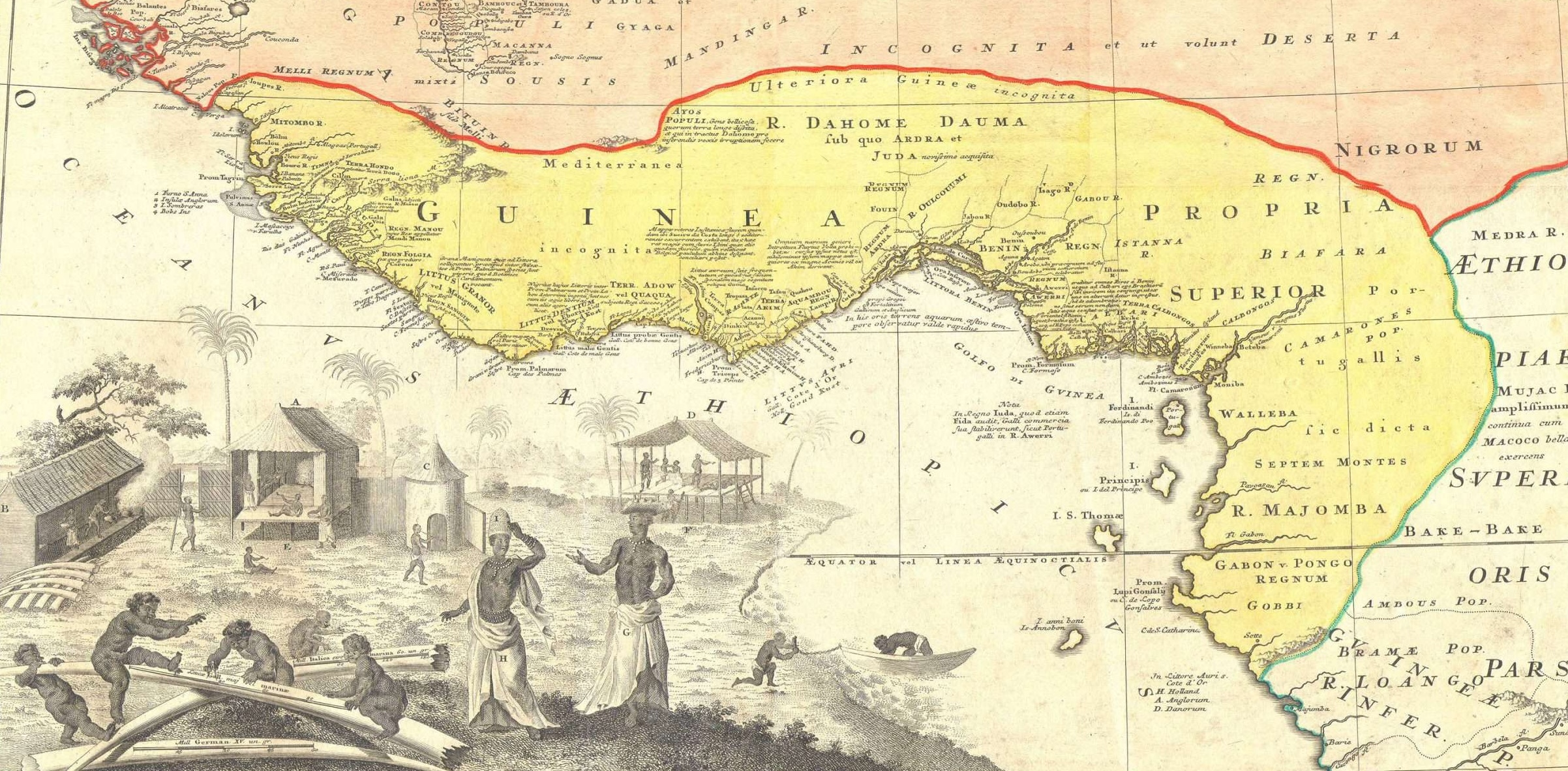
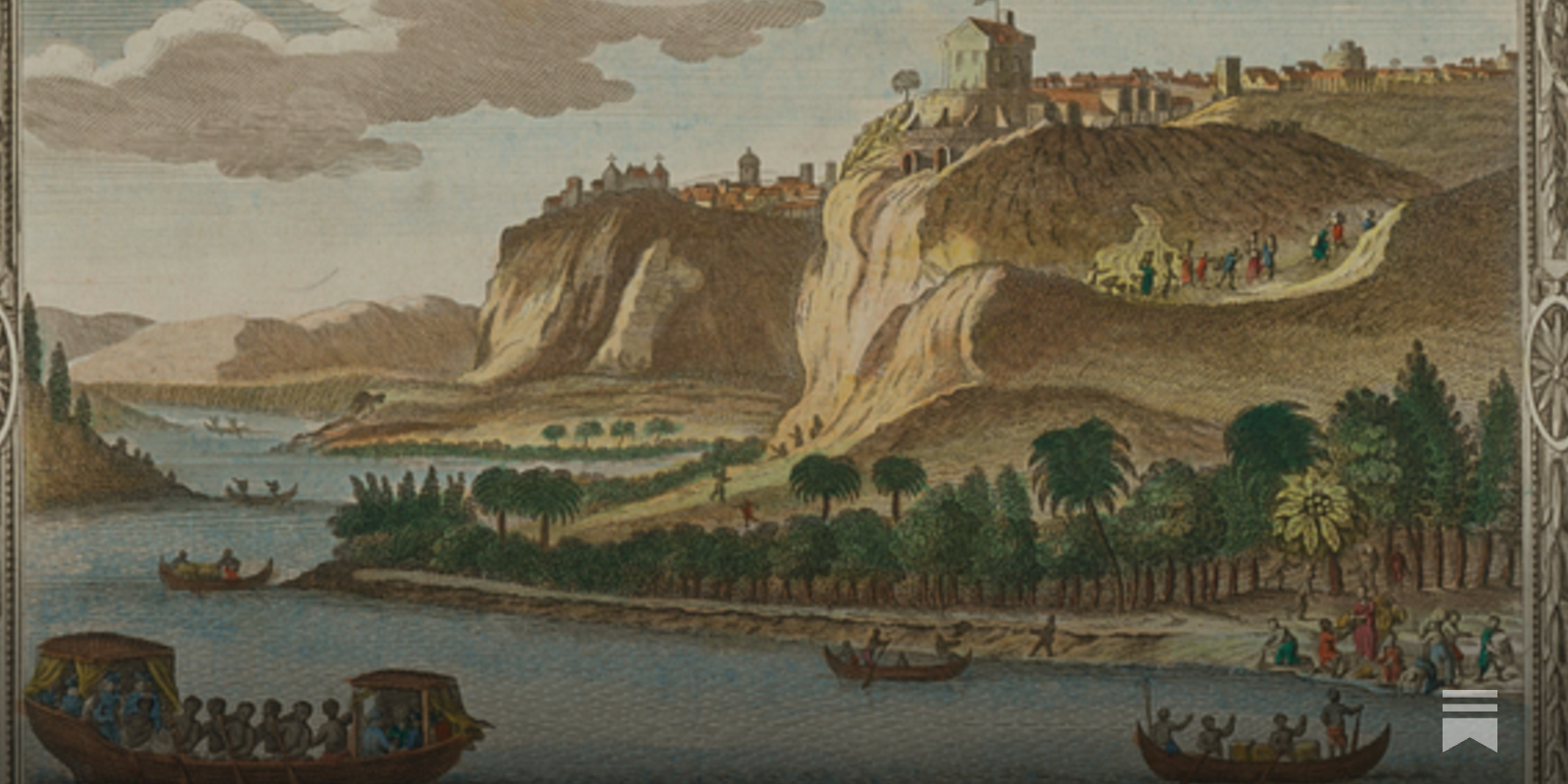
How Indigenous West African Communities Resisted the European Slave Trade
Compelling evidence of massive African resistance to Atlantic slavery can be found from the very onset of the European colonial arrival on the con-tinent. When the Portuguese gained control of the …
Na crise atual, Kwame Nkrumah voltou a ser leitura obrigatória
O líder afromarxista Kwame Nkrumah nasceu neste dia em 1909. Ele dissecou os meandros do avanço imperialista na África do século XX em sua tese contra o neocolonialismo. Com a nova ofensiva estadunidense no Sul Global, reler e se armar com os argumentos de seu livro Neocolonialismo: estágio superior do imperialismo se torna uma tarefa incontornável dos dois lados do Atlântico.

Africa Was Not an Anarchist Paradise: Misconceptions about Precolonial State-Building in Africa
Africa was not an anarchist paradise; it underwent broadly similar processes of centralisation and state formation to those found elsewhere, with regional variation.
annotations: L'impact économique du colonialisme
traduction de "The economic impact of colonialism" de Daron Acemoglu & James A. Robinson
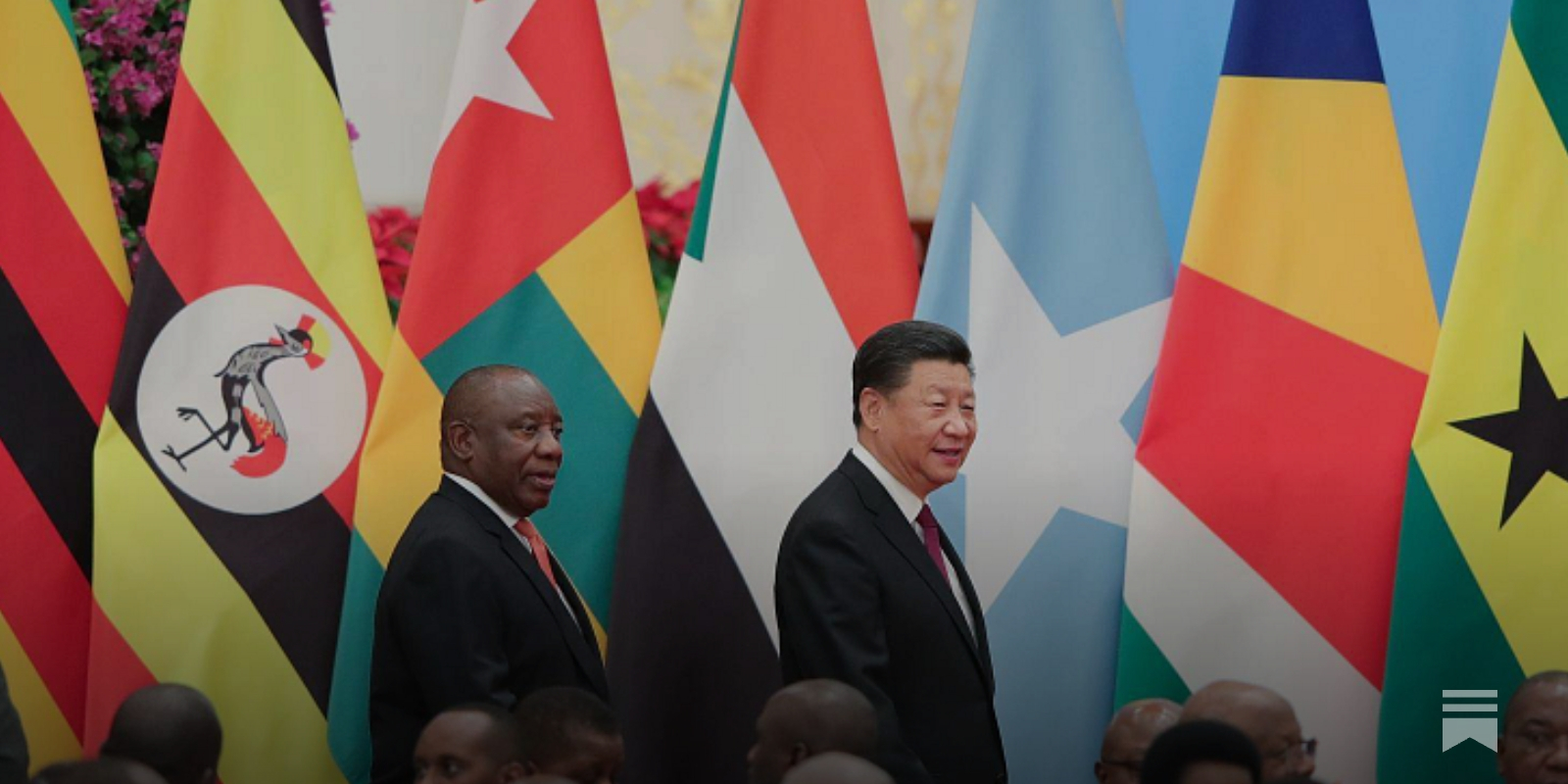
Is China doing "colonialism" in Africa?
Western claims are contradicted by empirical evidence.
Imperialism and Unequal Development - Monthly Review Press
“The societies of the dominated periphery no longer can wait,” said the great Egyptian economist Samir Amin, over half a century ago in the lively and re...
Marxism & the Global South
A critical history of imperialism and dependency theory, from Marx on colonialism and Eurocentrism to Baran, Frank, Wallerstein, and Samir Amin.

Marxism & the Global South
A critical history of imperialism and dependency theory, from Marx on colonialism and Eurocentrism to Baran, Frank, Wallerstein, and Samir Amin.
Imperialism in the Twenty-First Century - Monthly Review
John Smith teaches international political economy at Kingston University in London. This paper has been abstracted from his book Imperialism in the Twenty-First Century, forthcoming from Monthly Review Press in... READ MORE

The resurgence of fortified landscapes in West Africa
West African states respond to insurgencies by building city walls and fortifying borders, balancing protection with rural vulnerabilities.

Unceded
Unceded - Understanding British Columbia’s Colonial Past and Why It Matters Now; Unceded reveals the BC government’s history of injustice toward First Nations, providing the context for understanding modern treaty negotiations.
The Limits to Growth: A report for the Club of Rome's project on the predicament of mankind
"I do not wish to seem overdramatic, but I can only conclude from the information that is available to me as Secretary–General, that the Members of the United Nations have perhaps ten years left in which to subordinate their ancient quarrels and launch a global partnership to curb the arms race, to improve the human environment, to defuse the population explosion, and to supply the required momentum to development efforts. If such a global partnership is not forged within the next decade, then I very much fear that the problems I have mentioned will have reached such staggering proportions that they will be beyond our capacity to control."
The demise of the nation state
The long read: After decades of globalisation, our political system has become obsolete – and spasms of resurgent nationalism are a sign of its irreversible decline

‘Self-termination is most likely’: the history and future of societal collapse
An epic analysis of 5,000 years of civilisation argues that a global collapse is coming unless inequality is vanquished

The Charisma Machine | Notion
generally presented its vision as compelling.12 The most vocal critics were the African delegation to Tunisia, which as a group was largely unimpressed by the demonstration and voiced concerns about project and infrastructure costs, resources diverted from clean water and better schools, and machine obsolescence and recycling.13 But these voices were quickly marginalized within the broader discourse around the hundred-dollar laptop. (Location 158)

The Nation on No Map: Black Anarchism and Abolition
The Nation on No Map examines state power, abolition, a…
