


"A new history of the Civil Rights Movement with an emphasis on its nonviolent use of military tactics and strategy"--
Civil Rights Era (1950–1963) - The Civil Rights Act of 1964: A Long Struggle for Freedom | Exhibitions - Library of Congress
The Brown decision fueled violent resistance during which Southern states evaded the law. The Montgomery bus boycott began a campaign of nonviolent civil disobedience to protest segregation that attracted national and international attention. Media coverage of the use of fire hoses and attack dogs against protesters and bombings and riots in Birmingham compelled Kennedy to act, sending a civil rights bill to Congress.
The Black Alliance for Peace
A people-centered human rights project against war, repression and imperialism. Get on our newsletter list to build the anti-war movement.

Between Threat and Reality: The National Association for the Advancement of Colored People and the Emergence of Armed Self-Defense in Clarksdale and Natchez, Mississippi, 1960-1965
Annelieke Dirks, Between Threat and Reality: The National Association for the Advancement of Colored People and the Emergence of Armed Self-Defense in Clarksdale and Natchez, Mississippi, 1960-1965, Journal for the Study of Radicalism, Vol. 1, No. 1 (Spring 2007), pp. 71-98
American Babylon
A gripping portrait of black power politics and the struggle for civil rights in postwar Oakland

Anti-War Protests of the 1960s-70s
The Vietnam anti-war movement was one of the most pervasive displays of opposition to the government policy in modern ti...

Deeds, Not Words: The Myth of Polite Revolution
A refusal of the sanitized story that rights were won by asking nicely. The suffragettes bombed Westminster Abbey. The Deacons for Defense guarded MLK. Man…
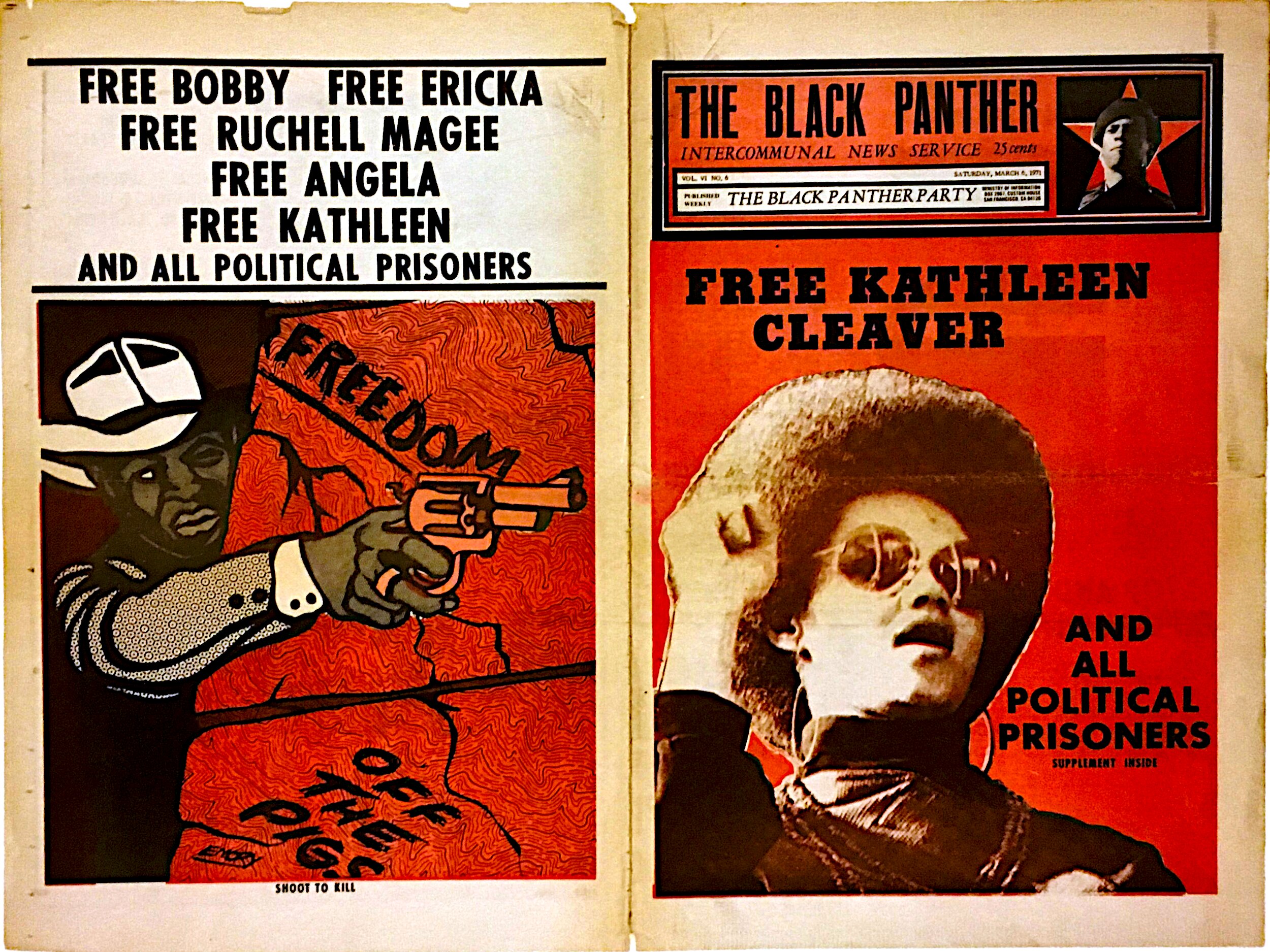
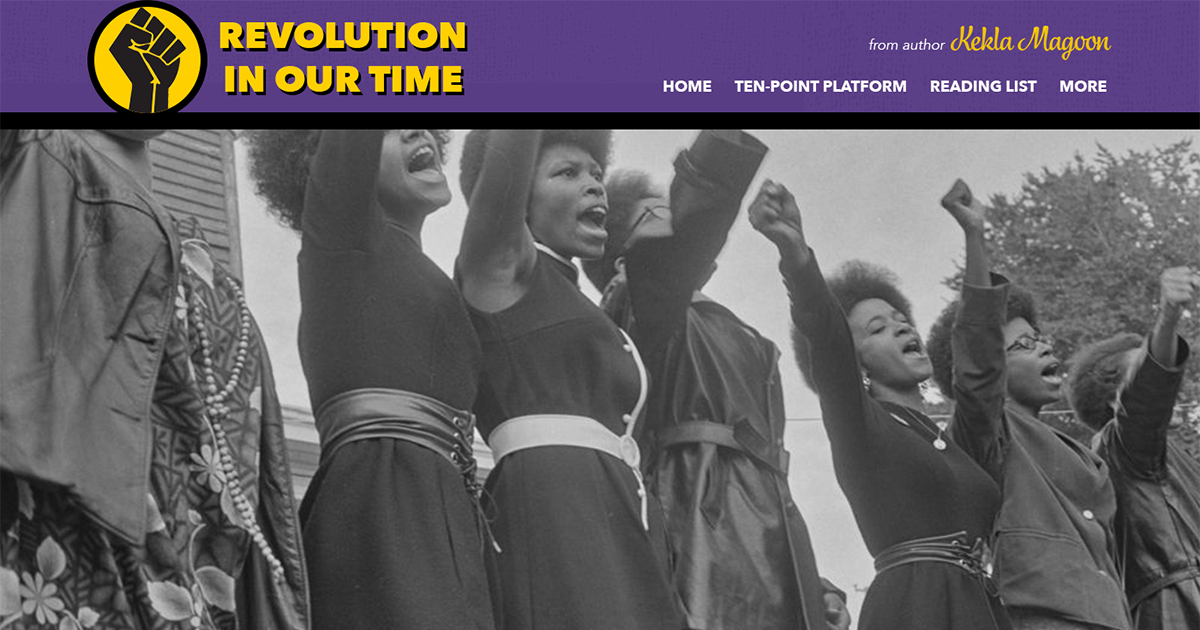
Revolution in Our Time: The Black Panther Party's Promise to the People
Kekla Magoon relays an essential account of the Black Panthers—as militant revolutionaries and human rights advocates.
We Will Shoot Back: Armed Resistance in the Mississippi…
"Ranging from Reconstruction to the Black Power period,…

John Brown, abolitionist : the man who killed slavery, sparked the Civil War, and seeded civil rights : Reynolds, David S., 1948-
Includes bibliographical references and index


Martin Luther King, Jr. , Letter from Birmingham Jail (1963) – Knowledge for Freedom seminar
I have almost reached the regrettable conclusion that the Negro’s great stumbling block in his stride toward freedom is not the White Citizen’s Counciler or the Ku Klux Klanner, but the white moderate, who is more devoted to “order” than to justice; who prefers a negative peace which is the absence of tension to a positive peace which is the presence of justice
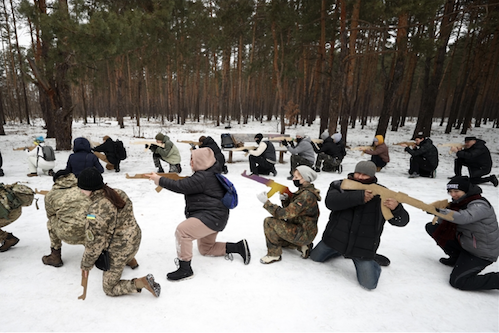
Civilianisation de la guerre et résistance des sociétés: sommes-nous prêts à tirer les leçons ukrainiennes?
Par Anna Colin Lebedev

Anarchism and The Black Revolution and Other Essays
An analysis of white supremacy vs the black struggle an…


Black against Empire by Joshua Bloom | East Bay Booksellers
This timely special edition, published on the fiftieth anniversary of the founding of the Black Panther Party, features a new preface by the authors that places the Party in a contemporary political landscape, especially as it relates to Black Lives Matter and other struggles to fight police brutality against black communities.