


The computer revolution brought with it new methods of …
Humanities in the Machine - Blain Smith
There is something quietly remarkable about the people who built the foundations of modern computing. Not their technical achievements, though those are extraordinary. What is remarkable is where they came from before they ever touched a machine.
Computer: A History of the Information Machine
Computer: A History of the Information Machine is a history of computing written by Martin Campbell-Kelly and William Aspray first published in 1996. It follows the history of "information machines" from Charles Babbage's difference engine through Herman Hollerith's tabulating machines to the invention of the modern electronic digital computer. A revised 2nd edition published in 2004 included new material on the Internet and World Wide Web, while the updated 3rd edition published in 2013 includes contributions from historians Nathan Ensmenger and Jeffrey Yost. The 3rd edition extends the story to include recent phenomena such as social networking and revises the discussion of early history to reflect new insights from the literature.

Hackers: Heroes of the Computer Revolution
A mere fifteen years ago, computer nerds were seen as m…

The Software Revolution
In human history, there have been three great technological revolutions and many smaller ones. The three great ones are the agricultural revolution, the industrial revolution, and the one we are...
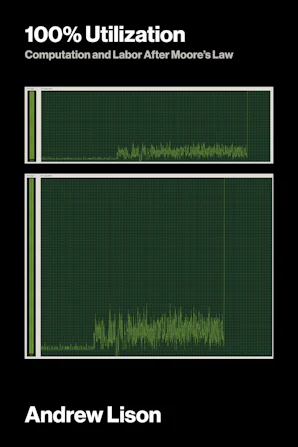
100% Utilization
Since the end of the Second World War, we have come to expect continual growth in computing power and the rapid development of digital technology. This dynam...
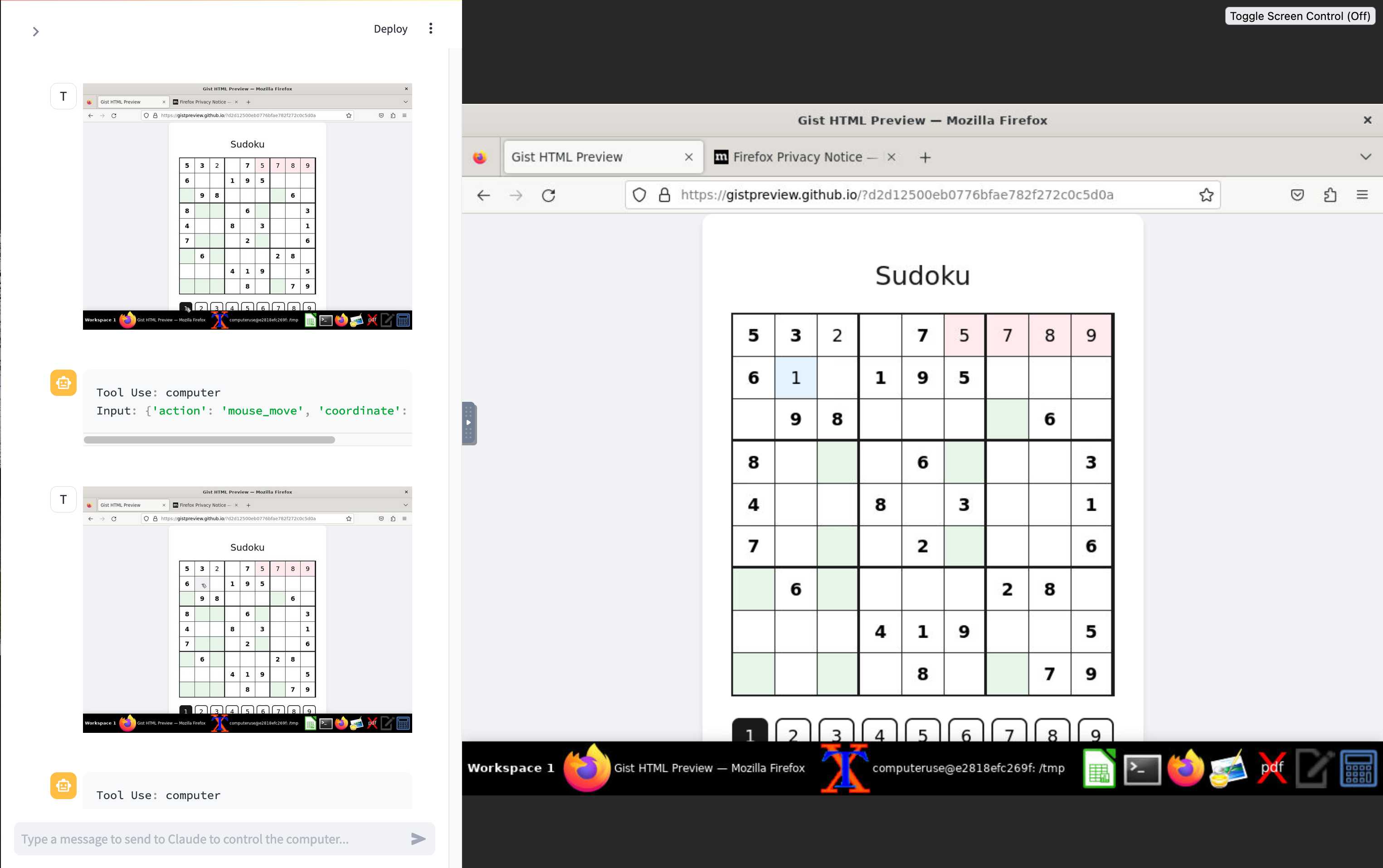
Initial explorations of Anthropic’s new Computer Use capability
Two big announcements from Anthropic today: a new Claude 3.5 Sonnet model and a new API mode that they are calling computer use. (They also pre-announced 3.5 Haiku, but that’s …
triumph of the nerds
Feeling of Computing
Feeling of Computing is an online community with a welcoming, cooperative, and revolutionary spirit. We are unified in the belief that the computer is tragically less humane than it could be. There’s a world of possibilities that get more beautiful the further away from the norm you go. We’re here to explore this world together, to discuss ideas about theory and practice, and to champion and support our members’ research and development efforts to reimagine the computer.
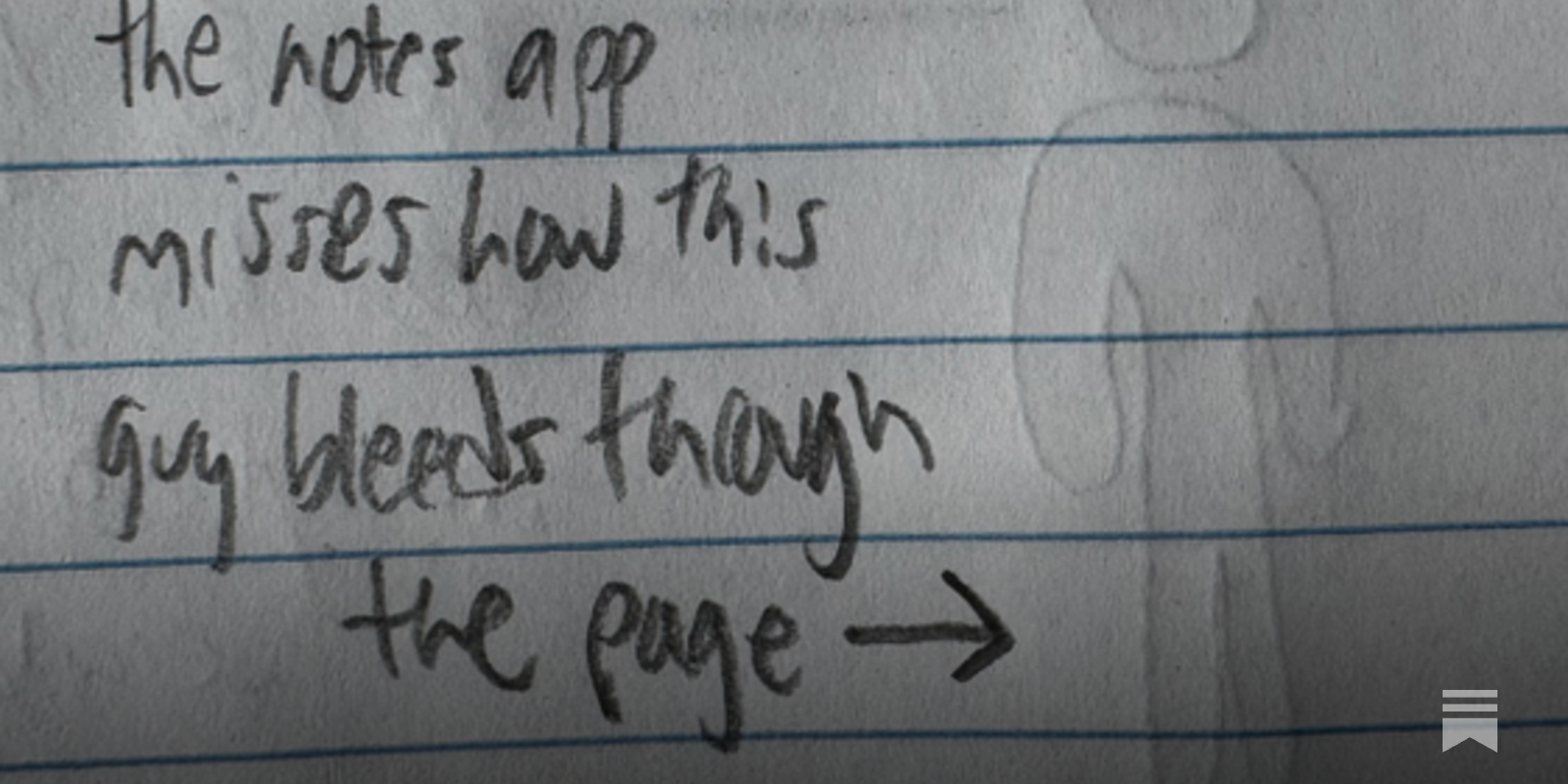
The Computer for the 21st Century
one more final edit from me to go The Computer for the 21st Century
The Social Meaning of the Personal Computer: Or, Why the Personal Computer Revolution Was No Revolution
This essay presents a processual model of the personal computing movement that depicts the PC's birth within the context of complex and often contradictory social strategies, each of which used the meaning of computer technology in a distinctive way. It suggests that innovators are constrained by such processes to depict new artifacts in culturally meaningful ways, so that it is difficult for them to conceive of their technologies in radical terms. The rhetoric of "revolution" aside, innovators found it expedient to draw from the stock of meanings at hand as they created new meaning-frameworks for their artifacts. The result is that the new artifacts did not express a coherent or effective political vision and failed to have the intended social effects. This study implies that new technologies frequently reproduce existing social and meaning systems; if they do bring about social change, the changes may differ from those intended by the innovators.
What’s Next in Computing?
The computing industry progresses in two mostly independent cycles: financial and product cycles. There has been a lot of handwringing…

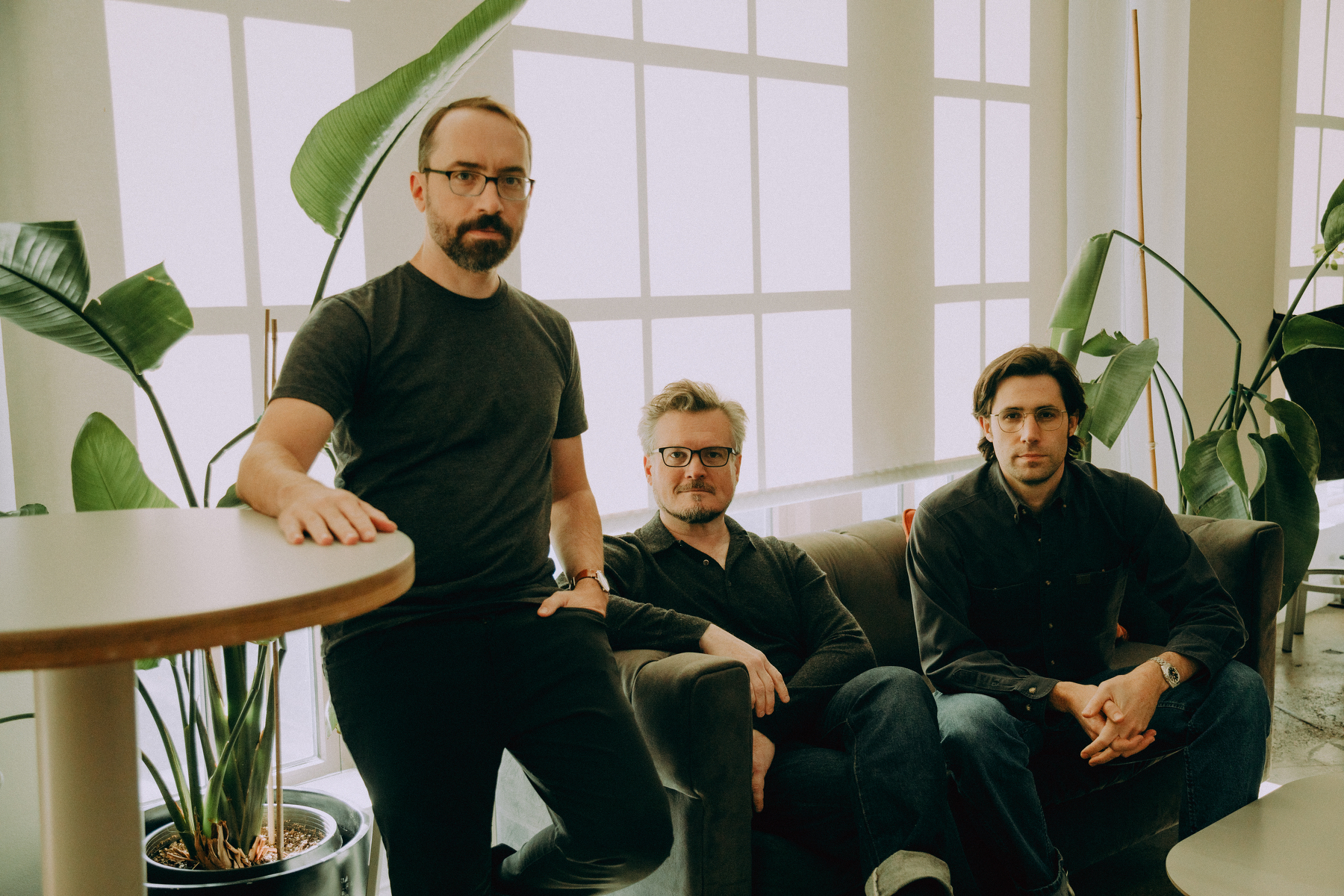
Telepath: building a new kind of computer
So, we made a thing: Let’s back up: for as long as I can remember, I’ve been obsessed with computers, fascinated not just by what they can do but what they could become. Like many, I took my early inspiration from science fiction. I dreamed of someday having something like the Enterprise’s computer. And why not? Science fiction has always driven scientists, engineers, and inventors to create real things that change the world.
The rise of Whatever
This was originally titled “I miss when computers were fun”. But in the course of writing it, I discovered that there is a reason computers became less fun, a dark thread woven through a number of events in recent history. Let me back up a bit.
» Doing Windows, Part 8: The Outsiders The Digital Antiquarian
Microsoft Windows 3.0’s conquest of the personal-computer marketplace was bad news for a huge swath of the industry. On the software side, companies like Lotus and WordPerfect, only recently so influential that it was difficult to imagine a world that didn’t include them, would never regain the clout they had enjoyed during the 1980s, and would gradually fade away entirely. On the hardware side, it was true that plenty of makers of commodity PC clones were happier to work with a Microsoft who believed a rising tide lifted all their boats than against an IBM that was continually trying to put them out of business. But what of Big Blue themselves, still the biggest hardware maker of all, who were accustomed to dictating the direction of the industry rather than being dictated to by any mere maker of software? And what, for that matter, of Apple? Both Apple and IBM found themselves in the unaccustomed position of being the outsiders in this new Windows era of computing. Each must come to terms with Microsoft’s newfound but overwhelming power, even as each remained determined not to give up the heritage of innovation that had gotten them this far.