


With searing wit and incisive commentary, John Kenneth …
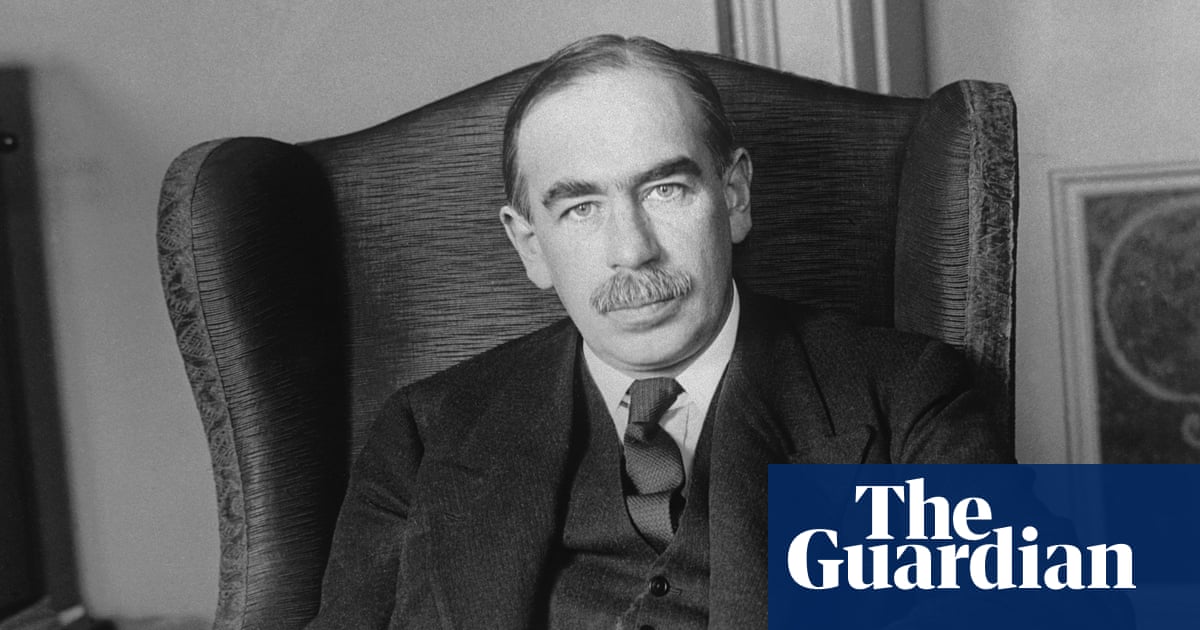
John Maynard Keynes: the cultured economist who governments turn to in a crisis
A new play about the art-loving Bloomsbury Group member speaks of the enduring battle of ideas with his free-market rival Friedrich Hayek
Technopoly: The Surrender of Culture to Technology
A witty, often terrifying that chronicles our transform…

Ideology and Ideological State Apparatuses by Louis Althusser 1969-70
I must now expose more fully something which was briefly glimpsed in my analysis when I spoke of the necessity to renew the means of production if production is to be possible. That was a passing hint. Now I shall consider it for itself.
The Technological Republic: The Sunday Times bestseller from the great minds behind Palantir
The Sunday Times and #1 New York Times Bestseller‘The Technological Republic is far too important to ignore’ Times Literary SupplementSilicon Valley’s brightest minds once collaborated with governments to advance technologies, securing the West’s dominance on the global stage. But that relationship has corroded – with perilous repercussions for us all.Lifting the veil on tech giant Palantir and its broader political project, visionary co-founder and CEO Alexander C. Karp and his long-time deputy Nicholas W. Zamiska offer a searing critique of our collective culture of complacency. To regain geopolitical power and preserve our freedoms, we must tackle the world’s most pressing challenges – including the artificial intelligence arms race – together and head-on. Now is the time for the West to wake up.‘Bold and ambitious ... Essential reading’ Eric Schmidt‘Fascinating’ Financial Times‘A stirring manifesto’ Niall Ferguson‘Provocative and insightful’ Jamie Dimon
The Great Reckoning - The Ideas Letter
The world feels unsettled, as if history itself were changing tempo. The familiar landmarks of the modern age are blurring, slipping away, and the stories we once told ourselves about…
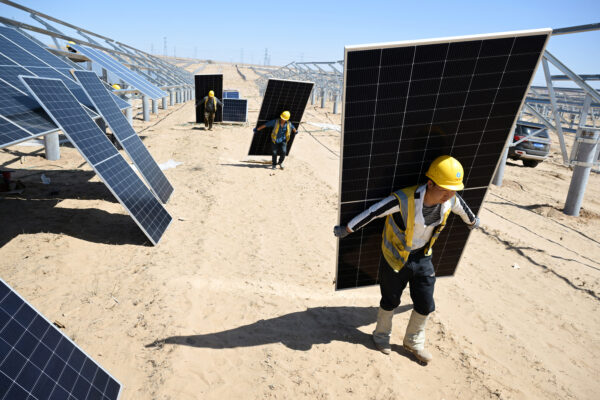
The Great Reckoning - The Ideas Letter
The world feels unsettled, as if history itself were changing tempo. The familiar landmarks of the modern age are blurring, slipping away, and the stories we once told ourselves about…
The obsolescence of man, vol I , part 2: The world as phantom and as matrix: philosophical considerations on radio and television - Günther Anders
The first complete English translation of a remarkable 1956 essay about television from Vol. I of The Obsolescence of Man by Günther Anders, who—using phenomenological analyses, excerpts from his diaries and reflections on daily life—depicts a capitalist world that manufactures a warped “mass-man” by imposing nonparticipation, consumption of images, artificial “needs” (“drug addiction is the model for today’s needs”), separation, “conditioning”, an eternal present, commodified leisure and the dissolution of the individual in vapid mass produced roles, in a text that in many ways anticipates the theory of the “spectacle” of Guy Debord and the situationists.
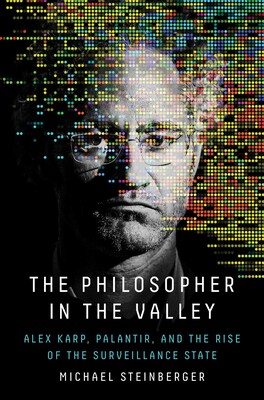
The Philosopher in the Valley
An acclaimed New York Times Magazine writer brings us into the world of the controversial technology firm Palantir and its very colorful and outspo...
The Grid: A Lecture on Cybotron and Techno-Vernacular Expressionism by DeForrest Brown, Jr.
The State and Revolution — Chapter 5
The State and Revolution: Chapter 5: The Economic Basis of the Withering Away of the State
First outlines of a plan: thinking strategically about a modern tech and media business
Writing at the end of the world, from Hveragerði, Iceland
Technology and Ideology: The Case of the Telegraph
In one of the most famous paragraphs of our most famous autobiography, Henry Adams located the precise moment when “eighteenth century troglodytic Boston” joined industrial America: “the opening of the Boston and Albany Railroad; the appearance of the first Cunard Steamers in the bay; and the telegraphic messages which carried from Baltimore to Washington the news that Henry Clay and James K. Polk were nominated for the presidency. This was May, 1844.”

Bringing experiments down to earth - Jack Stilgoe, 2026
A commentary on Thao Phan’s ‘Testing-in-the-wild: innovation nationalism and the colonial dynamics of new technology testbeds’.

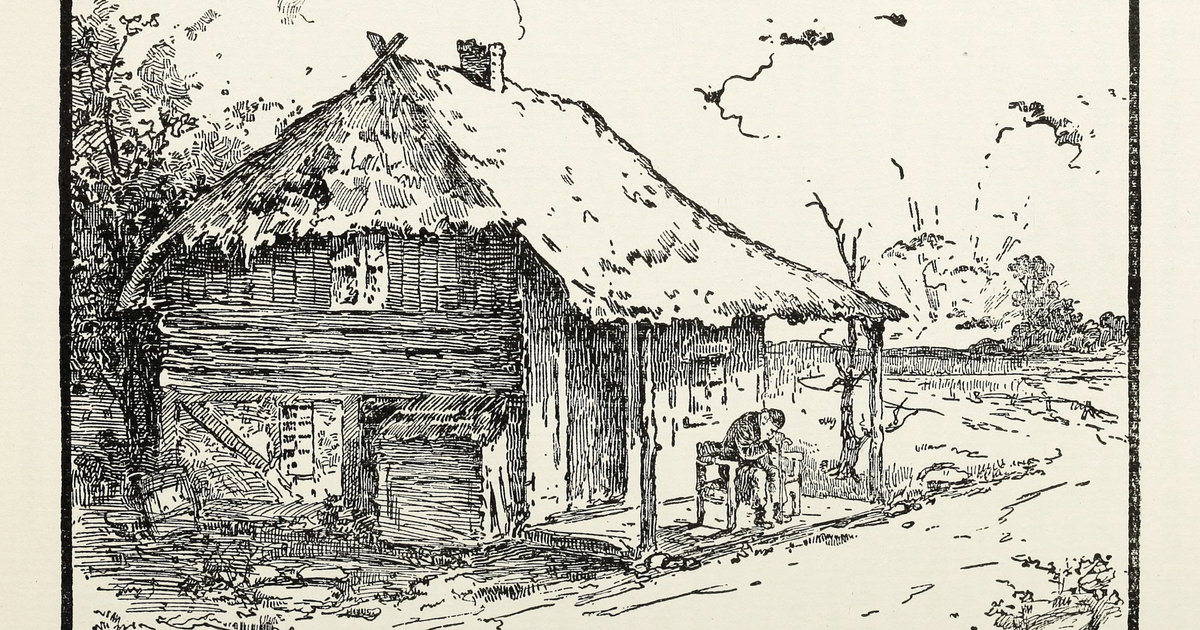
‘Waiting to Die’ by Paul Krafft from Capital and Labor (1907)
The reverend William Schuler Harris’ Capital and Labor (1907) frames its titular subjects as locked in a perennial struggle, “dating back to the time when the Egyptians laid the lash upon their slaves”. Writing in the early twentieth century, Harris is skeptical of the “orator [who] frequently soars into ecstasies over the privileges of the American workers”, for he sees how the labor force is suffering under the “galling yoke” of trusts and monopolies. Substitute those scourges of the Gilded Age with unfettered multinational conglomerates and something similar holds true today. The author’s list of obstacles facing workers are as relevant now as they were more than a century ago: the needs of “civilized life” increase more rapidly than wages; the skilled worker remains at…
More and More and More
It has become habitual to think of our relationship with energy as one of transition: with wood superseded by coal, coal by oil, oil by nuclear and then at some future point all replaced by green sources. Jean-Baptiste Fressoz’s devastating but unnervingly entertaining book shows what an extraordinary delusion this is. Far from the industrial era passing through a series of transformations, each new phase has in practice remained almost wholly entangled with the previous one. Indeed the very idea of transition turns out to be untrue. The author shares the same acute anxiety about the need for a green transition as the rest of us, but shows how, disastrously, our industrial history has in fact been based on symbiosis, with each major energy source feeding off the others. Using a fascinating array of examples, Fressoz describes how we have gorged on all forms of energy – with whole forests needed to prop up coal mines, coal remaining central to the creation of innumerable new products and oil still central to our lives. The world now burns more wood and coal than ever before. This book reveals an uncomfortable truth: ‘transition’ was originally itself promoted by energy companies, not as a genuine plan, but as a means to put off any meaningful change. More and More and More forces its readers to understand the modern world in all its voracious reality, and the true nature of the challenges heading our way.
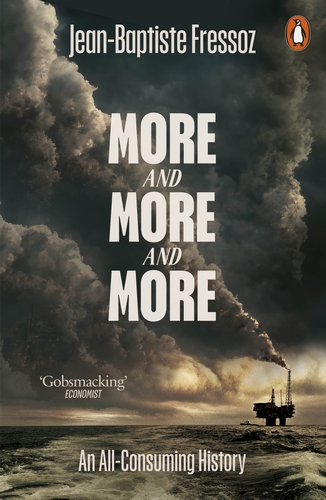
Thought Cabinet - Creator Economy

Inspiration and voices related to the Creator Economy
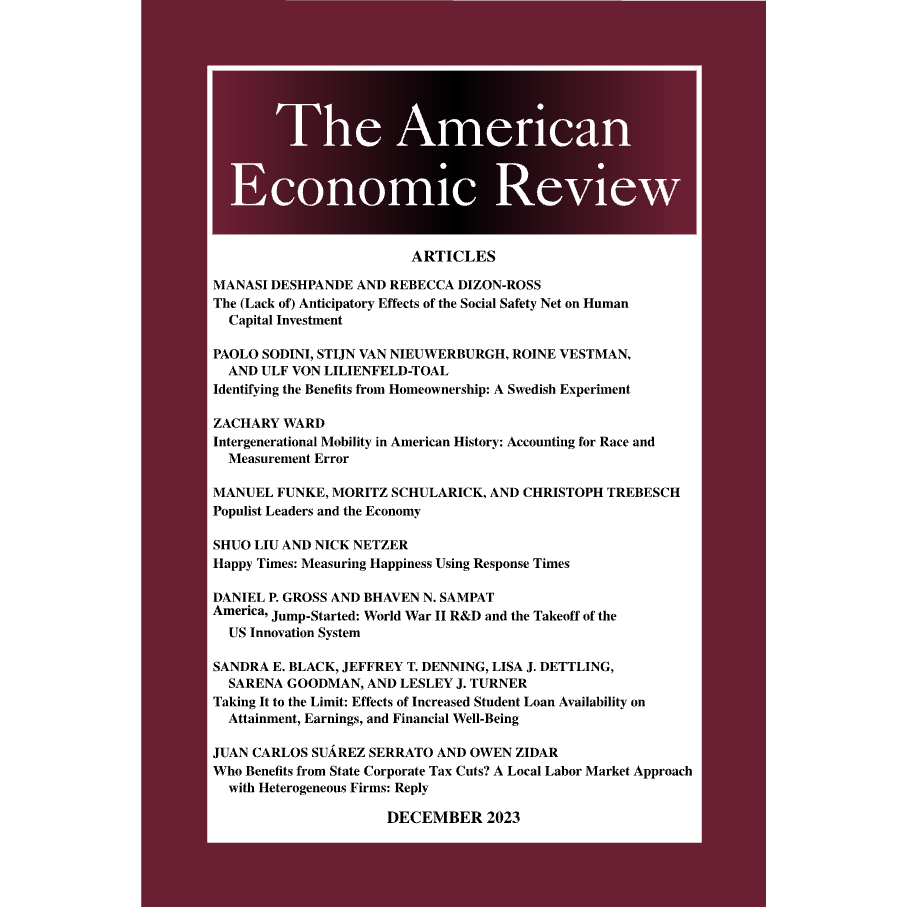
Artistic Originals as a Capital Asset
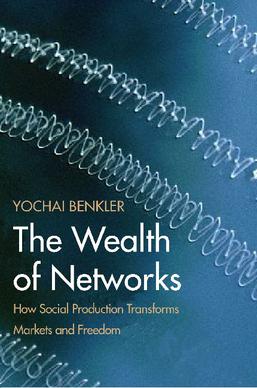
The Wealth of Networks
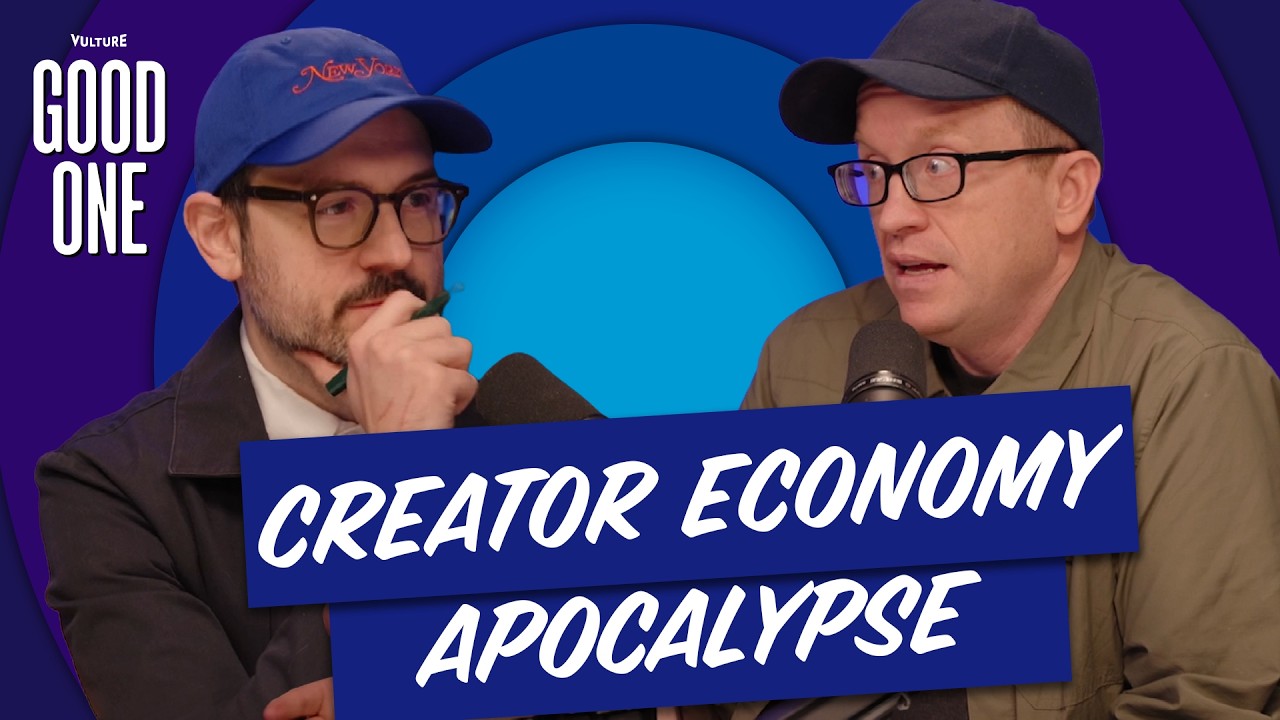
Preparing for the Creator Economy Apocalypse (with Chris Gethard)