


In the long run, a hierarchical society was only possible on a basis of poverty and ignorance.
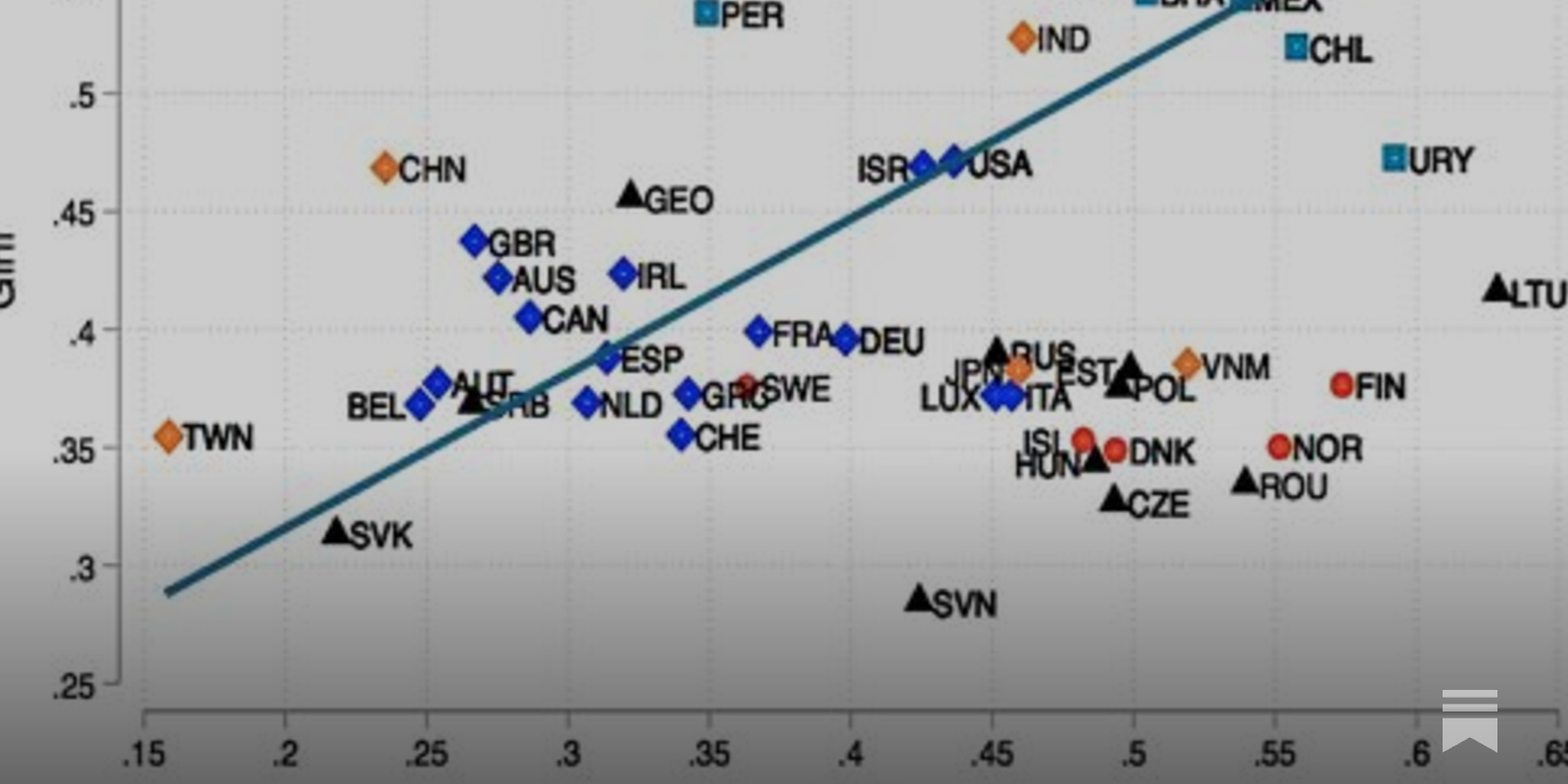
New Capitalism II: Compositional vs income inequality
Are all class-based societies unequal?
The loneliest generation: What it is like to grow up in England today | IPPR
A connected society is one in which we care about how others are doing and, in turn, others look out for our wellbeing. It is the state and public services

Imperialism and Unequal Development - Monthly Review Press
“The societies of the dominated periphery no longer can wait,” said the great Egyptian economist Samir Amin, over half a century ago in the lively and re...
Grow like Trees: An Organic Approach to Societal Regrowth
2026 is the year that system breakdown became impossible to deny. Democratic norms, societal norms, rule of law, the fabric of the social contract tearing as we watch. Or hide, unwilling or unable to face the unravelling. The hopeful among us see opportunity through the dark. Tentatively or boldly we
‘Self-termination is most likely’: the history and future of societal collapse
An epic analysis of 5,000 years of civilisation argues that a global collapse is coming unless inequality is vanquished

The Origin and Future of Economic Inequality

Thomas Piketty Knew This Was Coming
The scholar of inequality warned us that our economic systems couldn’t withstand a global catastrophe.
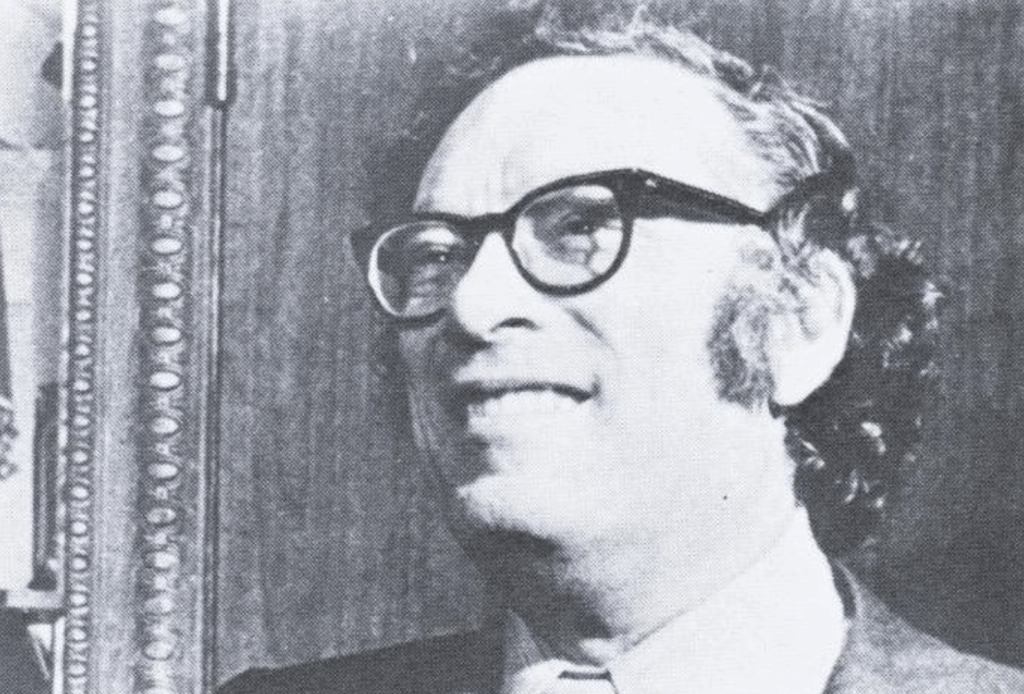
Isaac Asimov Laments the “Cult of Ignorance” in the United States (1980)
Rochester Institute of Technology, via Wikimedia Commons In 1980, scientist and writer Isaac Asimov argued in an essay that 'there is a cult of ignorance in the United States, and there always has been.' That year, the Republican Party stood at the dawn of the Reagan Revolution, which initiated a decades-long conservative groundswell.
Brett Scott (@brettscott)
A lot of economists want to claim that economic growth is, at some deep level, driven by human greed. In this worldview, we always desire more and more, and so collectively seek to endlessly boost production I don’t buy this worldview at all I think economic growth is driven - at a deep level - by fear. It stems from the extreme insecurity of life in a capitalist market system, where you’re always on the verge of being cut out of society, and so need to over-secure your position through any means possible One of the most compelling pieces of evidence for this is the history of colonial beliefs around laziness. In many colonial regions, colonizers would complain about tribal people being lazy - in other words, not seeking to increase production when they could. The reason for this, however, was that such people had access to subsistence farming and secure social structures that did not require endless competition. Secure people are, by definition, ‘lazier’, in the sense that they do not perceive a visceral need to fight for survival The colonial mission then, was the cut them off from older means of survival, make them dependent on insecure market structures, and thereby boost production as they all turn up at the mines to elbow each other out of the way as they compete for jobs. Security, in other words, is the enemy of economic growth

How to grow tomorrows
What if schools were not just sites for delivering education, but societies in miniature? Thousands of chances to cultivate a better future

W Social is a textbook case for everything wrong with digital sovereignty
Insanity is doing the same thing over and over again, but expecting different results. This saying is attributed to the famous socialist (and theoretical physicist) Albert Einstein but actually traces back to novelist Rita Mae Brown. I have been thinking about this saying a lot lately. The reason is

npj on Twitter / X
Schumpeter in a nut shell:— Capitalism forces “rationalization” and the rationalist worldview, which just ends in an almost nihilistic skepticism that corrodes everything traditional that it touches: in particular “family life” and the aristocracy.— The traditional… pic.twitter.com/hThnUJ6jNE— npj (@TiltingatM3) May 28, 2026

Economic Possibilities for our Grandchildren- John Maynard Keynes
We are suffering just now from a bad attack of economic pessimism. It is common to hear people say that the epoch of enormous economic progress which characterised the nineteenth century is over; that the rapid improvement in the standard of life is now going to slow down—at any rate in Great Britain; that a decline in prosperity is more likely than an improvement in the decade which lies ahead of us.
Le nouveau capitalisme (2/3) : inégalités compositionnelles versus inégalités de revenu
Traduction de "New capitalism II: Compositional vs income inequality. Are all class-based societies unequal?" de Branko Milanovic

