


The law, in its majestic equality, forbids rich and poor alike to sleep under bridges, to beg in the streets, and to steal their bread.
Craigslist, Wikipedia, and the Abundance Economy
You’ve heard it before. Maybe you’ve even said it. “There’s no such thing as a free lunch.” “You can’t get something for nothing.” “Somebody has to pay.” People recite these sayings with confidence, as though they were quoting Newton’s Laws of Motion...

Is Inequality Inevitable?
Wealth naturally trickles up in free-market economies, model suggests
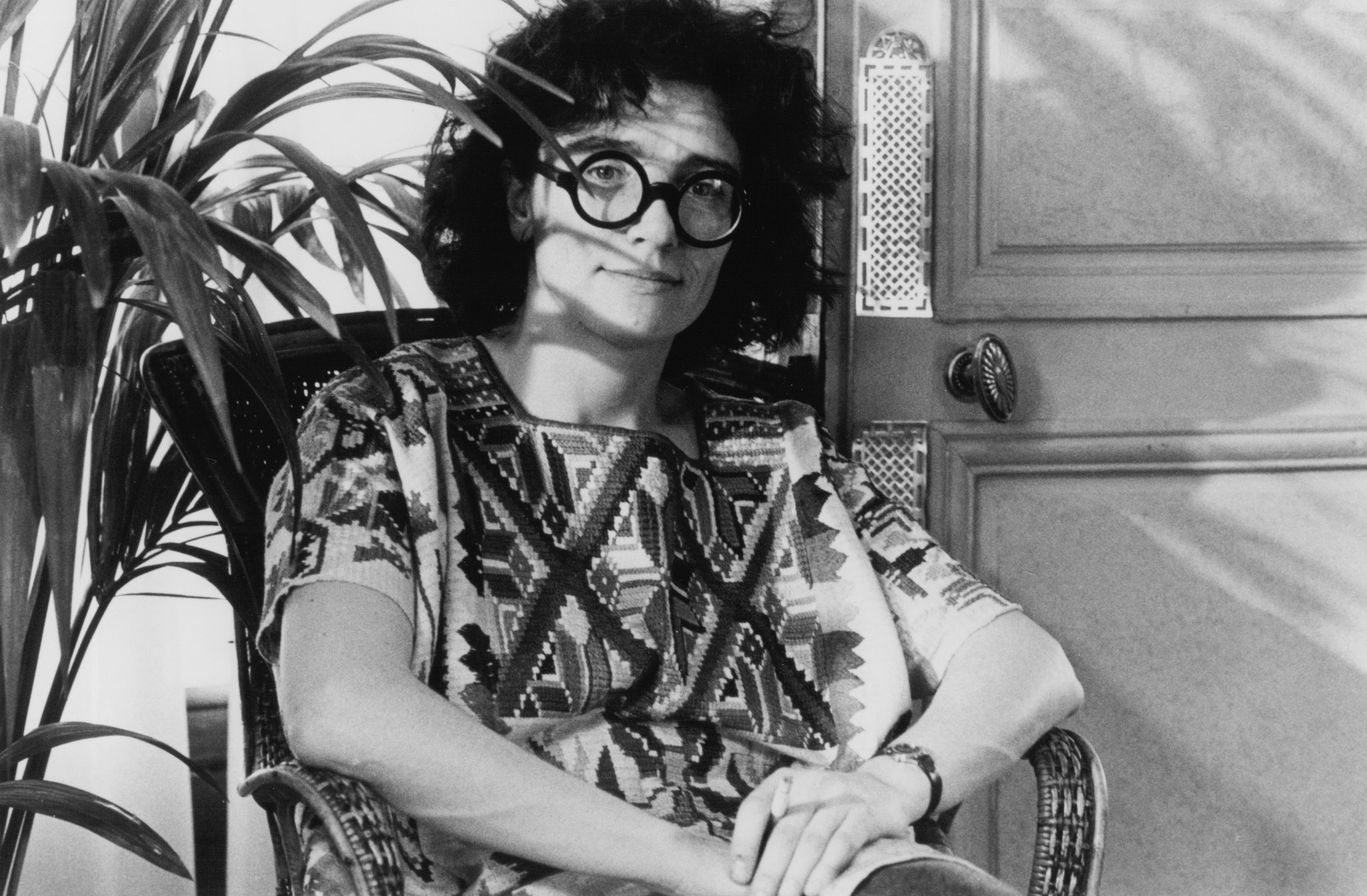
The Moral Economy of the Shire
Who paid for this? There’s a certain meme that I see making the rounds on Facebook every so often about the bucolic nature of life in the Shire, from Tolkien’s The Hobbit and The Lord o…

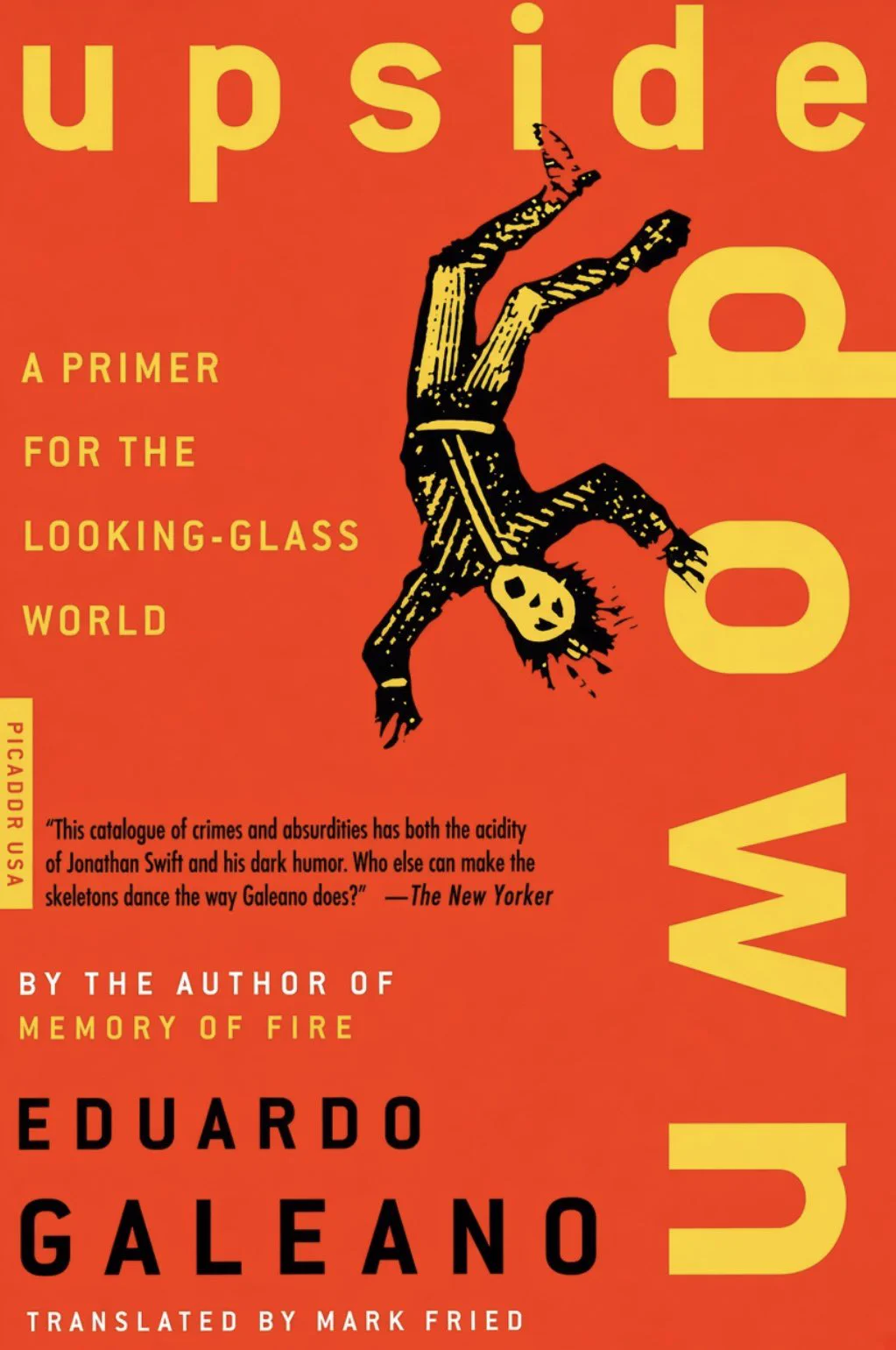
Upside Down: A Primer for the Looking-Glass World
In a series of mock lesson plans and a "program of study" Galeano provides an eloquent, passionate, funny and shocking exposé of First World privileges and assumptions. From a master class in "The Impunity of Power" to a seminar on "The Sacred Car"—with tips along the way on "How to Resist Useless Vices" and a declaration of the "The Right to Rave"—he surveys a world unevenly divided between abundance and deprivation, carnival and torture, power and helplessness. We have accepted a "reality" we should reject, he writes, one where poverty kills, people are hungry, machines are more precious than humans, and children work from dark to dark. In the North, we are fed on a diet of artificial need and all made the same by things we own; the South is the galley slave enabling our greed.
Prime and punishment
“These schemes really require the mind of someone whose depravity knows no bounds.”

Meritocracy: the great delusion that ingrains inequality | Jo Littler
From Theresa May to Donald Trump, our leaders sell it as a utopian system of fairness – but ‘merit’ has been manipulated to privilege the wealthy

Deeds, Not Words: The Myth of Polite Revolution
A refusal of the sanitized story that rights were won by asking nicely. The suffragettes bombed Westminster Abbey. The Deacons for Defense guarded MLK. Man…
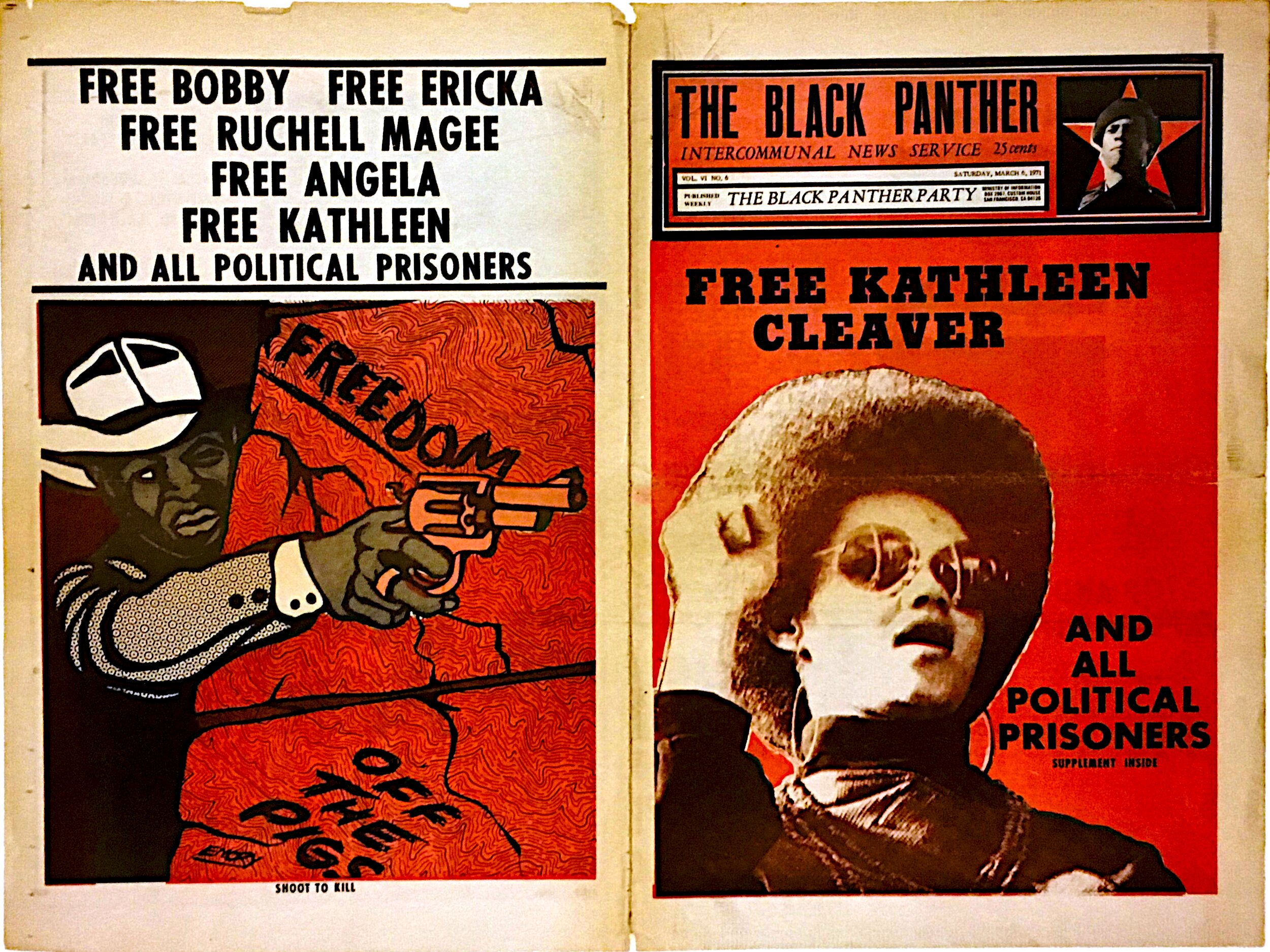
The myth of meritocracy: who really gets what they deserve?
The long read: Sorting people by ‘merit’ will do nothing to fix inequality
Anti-social Punishment — LessWrong
Why do some societies exhibit more antisocial punishment than others? Martin explores both some literature on the subject, and his own experience liv…
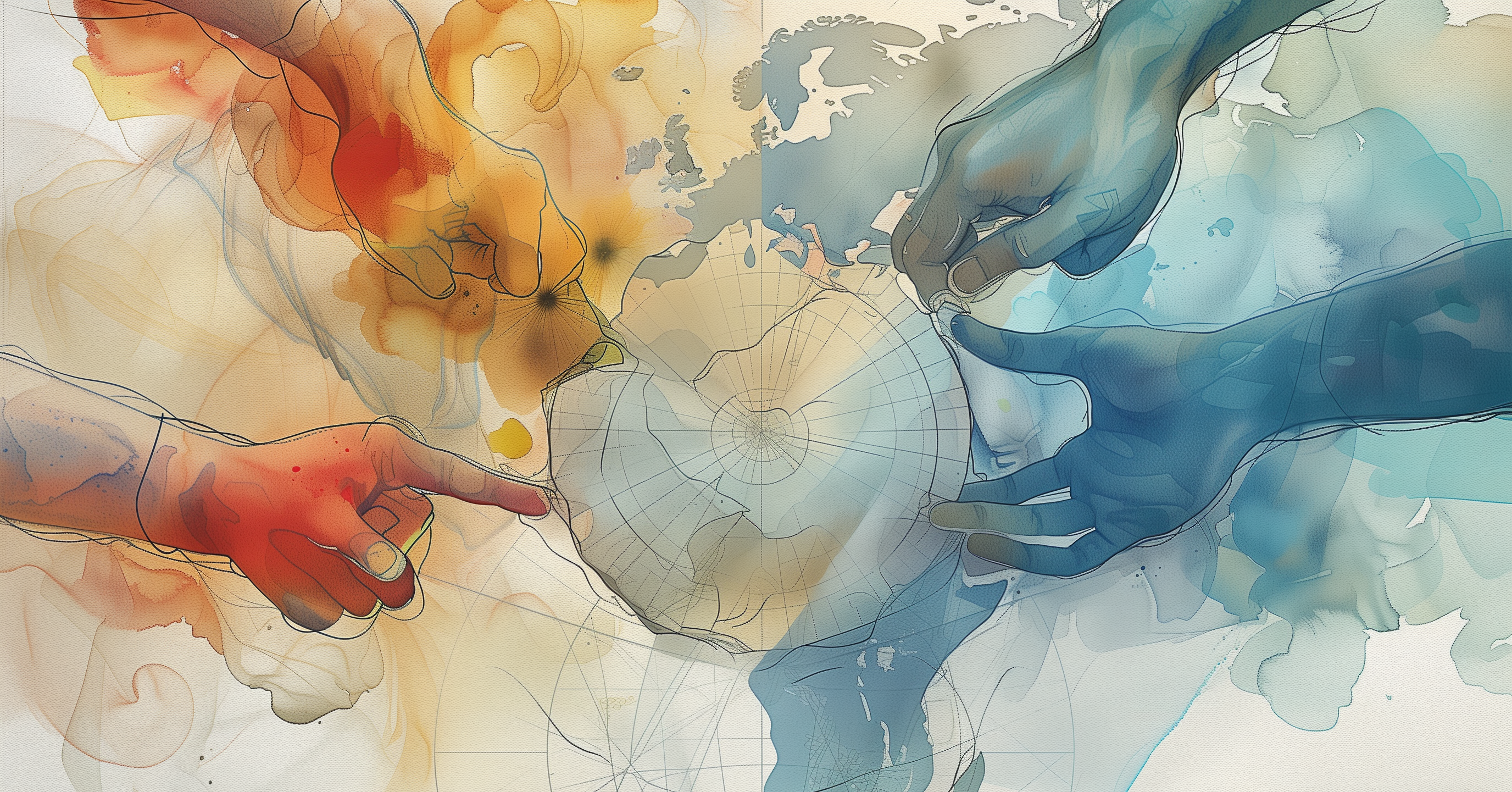
The Psychology of Inequality
Researchers find that much of the damage done by being poor comes from feeling poor.

annotations: La Richesse des nations, une icône mal comprise des marchés libres
Traduction française du billet "The Wealth of Nations at 250! Misunderstood icon of free markets" de Matías Vernengo
In Praise of Idleness, by Bertrand Russell
Like most of my generation, I was brought up on the saying “Satan finds some mischief still for idle hands to do.” Being a highly virtuous child, I believed all that I was told and acquired a conscience which has kept me working hard down to the present moment. But although my conscience has controlled my actions, my opinions have undergone a revolution. I think that there is far too much work done in the world, that immense harm is caused by the belief that work is virtuous, and that what needs to be preached in modern industrial countries is quite different from what always has been preached. Every one knows the story of the traveler in Naples who saw twelve beggars lying in the sun (it was before the days of Mussolini), and offered a lira to the laziest of them. Eleven of them jumped up to claim it, so he gave it to the twelfth. This traveler was on the right lines. But in countries which do not enjoy Mediterranean sunshine idleness is more difficult, and a great public propaganda will be required to inaugurate it. I hope that after reading the following pages the leaders of the Y. M. C. A. will start a campaign to induce good young men to do nothing. If so, I shall not have lived in vain.

Praxis on Twitter / X
I think Eduardo Galeano in this piece does a great job pointing out how society tolerates inequalities. More importantly he exposes the sanitized terms we use to justify them. He juxtaposes concepts that our political and ethical dictionary would never allow together. When a++ pic.twitter.com/XJsvSNUxVY— Praxis (@praxiss) September 25, 2026
Power Laws, Weblogs, and Inequality - Clay Shirky
Diversity plus freedom of choice creates inequality.
L’hôtel de Schumpeter, les inégalités de revenu et la mobilité sociale
Traduction française du billet de blog "The Schumpeter hotel: income inequality and social mobility" de Branko Milanovic
