Framing effects make a big difference
Framer Blog: Building Agents for Framer
A detailed look at what we learned while building design agents, from canvas-native workflows and CMS to quality, collaboration, speed, cost, community, and external agents.

Structural Analogies of User Interfaces with Belidor
Physicality: the new age of UI
There’s a lot of rumors of a big impending UI redesign from Apple. Let’s imagine what’s (or what could be) next for the design of iPhones, Macs and iPads.

Prefab: implementing advanced behaviors using pixel-based reverse engineering of interface structure
The rigidity and fragmentation of GUI toolkits are fundamentally limiting the progress and impact of interaction research. Pixel-based methods offer unique potential for addressing these challenges independent of the implementation of any particular ...

UI design is fun! (inspirational ways of looking at UI, and discussing how to better understand UI’s place in game design…) – The Candybox Blog
This post is an extended writeup of what would have been my GDC2020 talk. Since the conference has been postponed I’m sharing parts of this talk as a blogpost (I elaborated on what would have been my talk. This post is much longer).
Direct manipulation vs. interface agents
The Weird Death Of User Interfaces
Instrumental interaction: an interaction model for designing post-WIMP user interfaces
Although the power of personal computers has increased 1000-fold over the past 20 years, user interfaces remain essentially the same. Innovations in HCI research, particularly novel interaction techniques, are rarely incorporated into products. In this ...

Screen As Room: An Architectural Perspective on User Interfaces — Christoph Locher · Interaction Designer
With the use of video games as social spaces being observed for several years and the increased focus put on virtual social spaces due to the scarceness of physical social spaces in the last months, the concept of “spatial interfaces” is once again at the center of discussions. I want to add an alternative perspective to this, looking at the properties of physical spaces as metaphors, rather than models, for interfaces and exploring seven of them in more detail.
Screen As Room: An Architectural Perspective on User Interfaces — Christoph Locher · Interaction Designer
With the use of video games as social spaces being observed for several years and the increased focus put on virtual social spaces due to the scarceness of physical social spaces in the last months, the concept of “spatial interfaces” is once again at the center of discussions. I want to add an alternative perspective to this, looking at the properties of physical spaces as metaphors, rather than models, for interfaces and exploring seven of them in more detail.
Let your designs fail for the right reasons – Firefox UX
How AI-assisted native prototypes changed what usability testing could show me. If you've ever simplified an interaction just to make a prototype manageable, you've probably felt the tension between ...

Compositing & Blending • Niklas Gadermann
Exploring the math and intuition behind blend modes in the browser
Svelte Components Explained: Props & Composition Made Simple
Quick question: why do modern apps feel so smooth, even though they’re insanely complicated under the...

Make It So: Interaction Design Lessons from Science Fiction
Many designers enjoy the interfaces seen in science fiction films and television shows. Freed from the rigorous constraints of designing for real users, sci-fi production designers develop blue-sky interfaces that are inspiring, humorous, and even instructive. By carefully studying these “outsider” user interfaces, designers can derive lessons that make their real-world designs more cutting edge and successful

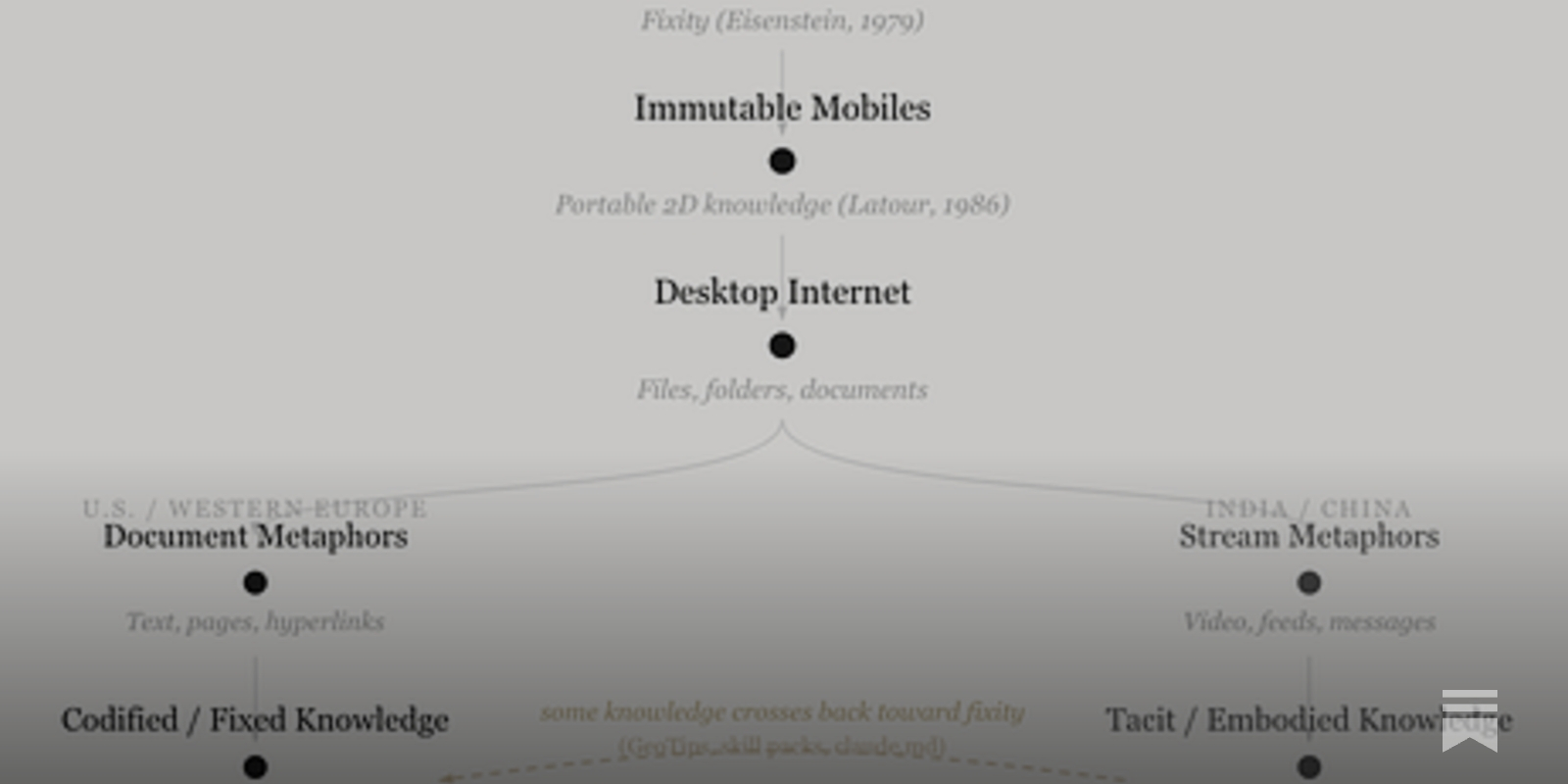
Immutable Skills
How knowledge redevelops at higher levels of abstraction, and why its still dependent on properties of the printing press