

"Homage to Catalonia" is George Orwell's personal account of his experiences and observations fighting for the POUM militia of the Republican army during the Spanish Civil War. The war was one of the defining events of his political outlook and a significant part of what led him to write in 1946, "Every line of serious work that I have written since 1936 has been written, directly or indirectly, against totalitarianism and for Democratic Socialism, as I understand it". The first edition was published in the United Kingdom in 1938. The book was not published in the United States until February 1952, when it appeared with an influential preface by Lionel Trilling. The only translation published in Orwell's lifetime was into Italian, in December 1948. A French translation by Yvonne Davet—with whom Orwell corresponded, commenting on her translation and providing explanatory notes—in 1938–39, was not published until five years after Orwell's death.
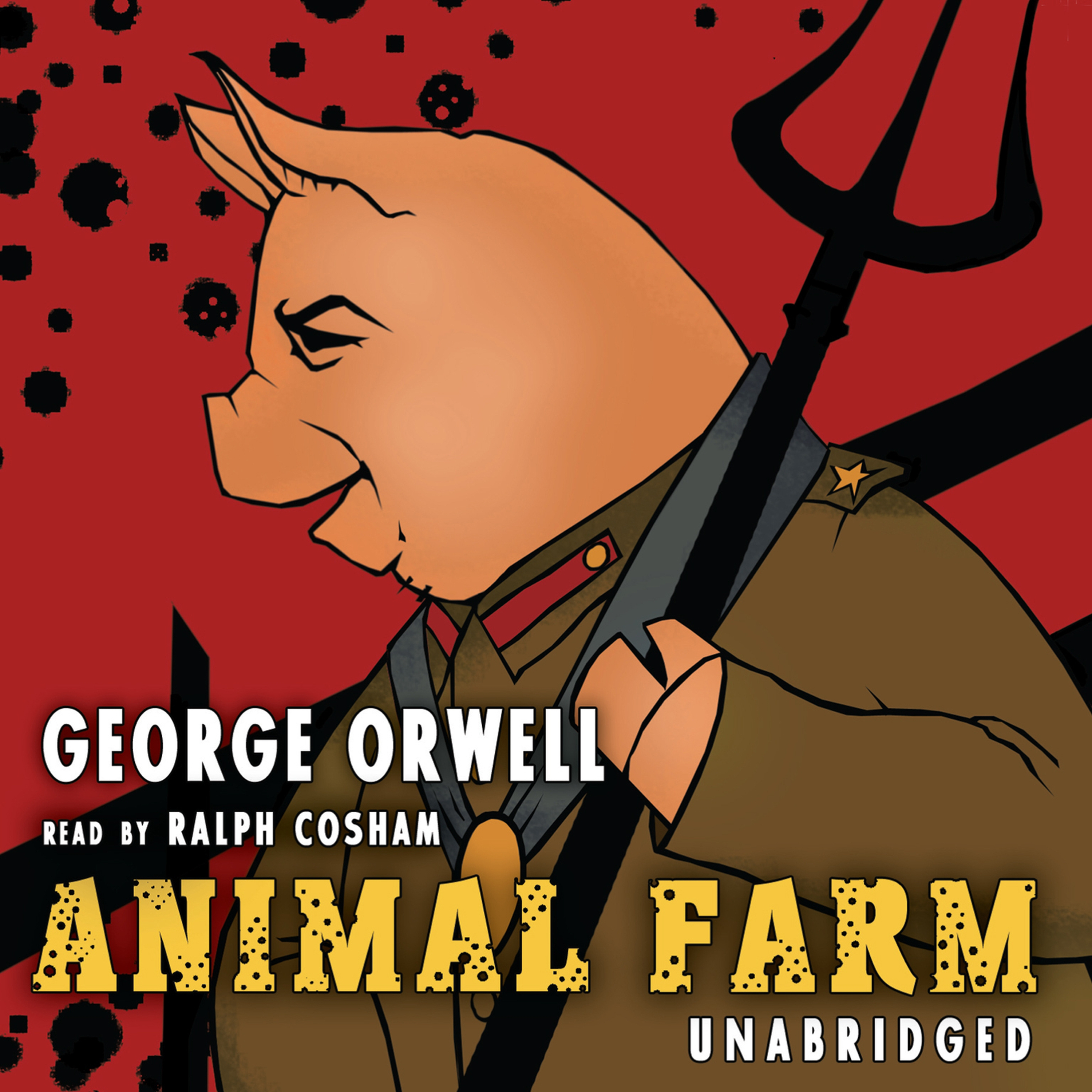
Animal Farm by George Orwell
George Orwell's classic satire of the Russian Revolution has become an intimate part of our conte...
Thousands of AI-written, edited or ‘polished’ books are being sold – an eerie echo of Orwell’s ‘novel-writing machines’
In ‘1984,’ George Orwell envisaged a world in which books were a mass-produced commodity no different from ‘jam and bootlaces.’

Reading Wars
Read online or download for free Reading Wars explores heated, even murderous, political struggles over who gets to read and what they get to read. Those conflicts, once again in the news, stretch back centuries. In this book, Don Herzog examines the history and politics of anxieties about readers and reading, spanning both the United States and Britain, from the 1500s right up to contemporary battles over banning library books and freedom of speech. In these pages, Herzog deftly interweaves episodes from Reformation England, when first Catholics and then Protestants cracked down on unsupervised Bible-reading, with the deadly campaigns in pre-Civil War America to keep black people – both free and enslaved – illiterate. Drawing on a wealth of primary sources, he reconstructs arguments insisting that ordinary men and women could not be trusted to read what they liked – indeed, that some of them ought not read at all. And he charts struggles to promote literacy. Herzog argues that at stake in these battles is whether some people – those banned from reading – are perceived as not fully human, or lesser persons than others. The radical campaign to let more or less everyone read more or less everything is ultimately, therefore, a campaign for equality. Click here to read praise for Reading Wars "In characteristically engaging and straight-forward language Don Herzog explores the debates past and present, largely in Britain and America, about whether or not to suppress reading. By taking seriously the arguments for suppressing or restricting books and their readers, Herzog suggests that those arguments turn on the claim that for some people reading is dangerous. This assumption, Herzog compellingly argues, ignores the fact that literacy is largely a social activity. In Reading Wars, Herzog develops a powerful liberal argument for literacy and reading. An argument, Herzog shows, that has incompletely triumphed." — Steve Pincus, Thomas Donnelly Professor of History, University of Chicago "Knowledge is power - which is why efforts to acquire knowledge through reading have been outlawed, suppressed through violence, and remain targets today. Don Herzog's Reading Wars tells the astonishing history behind the wars on reading in a readable, clever style, underscoring the stakes of many of the current fights over censorship and book bans." — Leah Litman, cohost of the podcast Strict Scrutiny and New York Times bestselling author of Lawless "A rich yet accessible introduction to the many ways in which society has attempted to restrict reading materials throughout British and United States history. Equal parts illuminating and horrifying, it lays the groundwork for the 21st century’s own shameful dabbles with censorship through its careful consideration of the key concerns and prejudices that structure each generation’s literacy battles." — Alison Hicks, Associate Professor in Library and Information Studies, UCL "Political theory, historical sense, worrisome texts, unheralded documents, and great storytelling join forces in Herzog’s virtuoso investigation of the brutal fighting over who gets to learn to read (and what) in early and late modern America and Britain. The bloodshed may have lessened, but we are still fighting, and Herzog shows the deeper stakes involved in reading’s relation to equality and personhood." — Mary G Dietz, John Evans Professor Emerita of Political Theory, Northwestern University , Reading Wars explores heated, even murderous, political struggles over who gets to read and what they get to read. Don Herzog examines the history and politics of anxieties about readers and reading, spanning the United States and Britain, from the 1500s right up to contemporary battles over banning library books and freedom of speech.



The 1918 Influenza Pandemic and the Rise of Italian Fascism: A Cross-City Quantitative and Historical Text Qualitative Analysis
Evidence linking past experiences of worsening health with support for radical political views has generated concerns about the consequences of the COVID-19 pandemic. The influenza pandemic that began in 1918 had a devastating health impact: 4.1 million Italians contracted influenza and about 500 000 died. We tested the hypothesis that deaths from the 1918 influenza pandemic contributed to the rise of Fascism in Italy. To provide a “thicker” interpretation of these patterns, we applied historical text mining to the newspaper Il Popolo d’Italia (Mussolini’s newspaper). Our observations were consistent with evidence from other contexts that worsening mortality rates can fuel radical politics. Unequal impacts of pandemics may contribute to political polarization. (Am J Public Health. 2022;112(2):242–247. https://doi.org/10.2105/AJPH.2021.306574 )

The 1918 Influenza Pandemic and the Rise of Italian Fascism: A Cross-City Quantitative and Historical Text Qualitative Analysis
Evidence linking past experiences of worsening health with support for radical political views has generated concerns about the consequences of the COVID-19 pandemic. The influenza pandemic that began in 1918 had a devastating health impact: 4.1 million Italians contracted influenza and about 500 000 died. We tested the hypothesis that deaths from the 1918 influenza pandemic contributed to the rise of Fascism in Italy. To provide a “thicker” interpretation of these patterns, we applied historical text mining to the newspaper Il Popolo d’Italia (Mussolini’s newspaper). Our observations were consistent with evidence from other contexts that worsening mortality rates can fuel radical politics. Unequal impacts of pandemics may contribute to political polarization. (Am J Public Health. 2022;112(2):242–247. https://doi.org/10.2105/AJPH.2021.306574)

Les récidivistes - AOC media
Agiter le chiffon rouge de la montée du nazisme reste une vaine superstition si l’on persiste dans les erreurs historiques – faire porter la responsabilité sur les classes populaires et le suffrage universel. Le parallèle avec aujourd’hui est à situer du côté d’une oligarchie soucieuse de barrer la route à la gauche, y compris sociale-démocrate, et qui ne tient plus compte du résultat des législatives. Il n’y a pas de déterminisme à la montée des fascismes : c’est le résultat d’un choix.
Canicule : la révolution ou la mort
Frustration Magazine, média indépendant et offensif qui relate la guerre des classes.

Remote Origins: Translation, Genealogy, and Alterity in Medieval Castile (1252-circa 1390)
This dissertation analyzes selected examples of thirteenth- and fourteenth-century written culture to show their engagement with the religious alterity of Islam as an integral part of the origins of the kingdom of Castile. Following an interdisciplinary methodology, it addresses how medieval ideas about astrology, geography, history, medicine, race, and religion participated in creating discourses about origins that recognized the intellectual and political authority of al-Andalus. It argues that early Castilian vernacular texts conceptualized the translation of Arabic sources as an instrument for creating, transforming, and superseding the alterity of Islam while recognizing the cultural and political authority of Andalusi traditions. The first chapter serves as an introduction explaining the historical and theoretical framework of the dissertation. To do so, it provides an overview of Castilian ideas about genealogy, historiography, authority, and translatio, and translation. Then, through close reading and ample historicization, chapters two, three, and four analyze the impact of Andalusi textual traditions, cultural practices, and human population in three interrelated fields of medieval science, literature, and history. Chapter 2 explores the political implications of King Alfonso X’s (r. 1252-1284) dedication to the translation of Arabic sciences by focusing on the translation of a treatise of astrology titled Libro de las cruzes (1259). The chapter traces the cultural and political context that accompanied the transmission of the book in al-Andalus alongside the content of its Arabic and Castilian prologues. In light of ideas about the transference of knowledge (translatio studii) shared by Christian and Muslim scholars, I conclude that deployment of a twofold origin in the Libro de las cruzes illustrates the strategies and motivations of Alfonso X’s broader engagement with Arabic sources. The third chapter turns to the early fourteenth-century romance Libro del caballero Zifar with a double focus on its forged origin as a translation from caldeo (Chaldean) and the prominence of cursed lineages. Regarding lineage, the chapter explores the representation of exemplary virtues by the protagonists of the romance as enacting ideas about the transformable character of lineage and the capabilities of the individual to unmake inherited negative traits. Likewise, the textual strategy of the forged translation enables the inclusion of Arabic and Asian referents at the origin of a profoundly Christian text. In chapter 4, literature meets historiography in the analysis of the Crónica de Flores y Blancaflor. Being the result of intertwining a Castilian chronicle—Alfonso X’s Estoria de Espanna—and a French romance, this text narrates the love story between an Andalusi Muslim prince and the daughter of a captive Christian noble. The chapter focuses on Berta, the captive woman, to show the implications of her decision to nurture Flores and Blancaflor with her milk. Considering Christian and Muslim ideas about milk and wet nursing along with the tenets of Castilian historiography, the chapter shows the limits of dominant ideas about dynastic origins among the Christian elites of Castile while evidencing the existence of an alternative discourse that—coming from within Castilian historiography—incorporates maternal and non-Christian kinship as an essential part of the origins and possibilities of the kingdom. A short final chapter serves as a conclusion, suggesting paths for expanding the results of this dissertation within and the thirteenth and fourteenth centuries covered by its contents.
Book and Journals Publisher – 2025 - Lawrence Wishart
Lawrence Wishart have been publishing critical left ideas on politics and culture since 1936. Through books, journals and events, we foster a space where people can think together, challenge political ‘common sense’ and explore new possibilities.
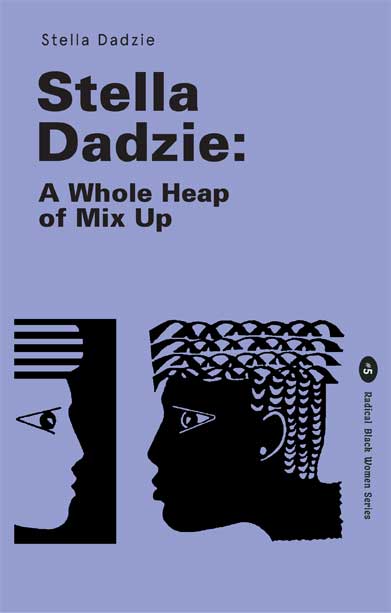
Letter on Humanism
"Letter on Humanism" (German: Über den Humanismus)[1] refers to a famous letter written by Martin Heidegger in December 1946 in response to a series of questions by Jean Beaufret (10 November 1946) about the development of French existentialism.[2] Heidegger reworked the letter for publication in 1947. He distanced himself from Sartre's position and existentialism in general in this letter.[3]
Frédéric Le Moal, Histoire du fascisme, Paris, Perrin, 2018, 425 p.
Frédéric Le Moal, spécialiste de l’Italie, propose une nouvelle histoire du fascisme. Son projet ne consiste pas à livrer des faits inédits, ceux-ci étant généralement bien établis, mais à donner u...

rude1 '25 reading list

literacy


Daemon

Anathem

Starship Troopers

Blindsight (Firefall, #1)
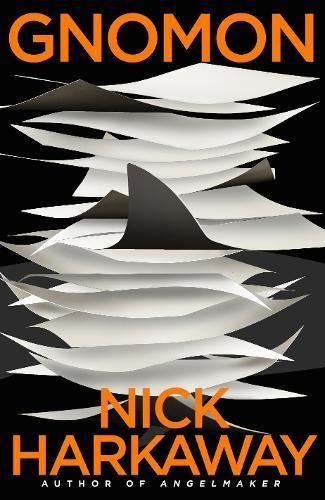
Gnomon

Stranger in a Strange Land
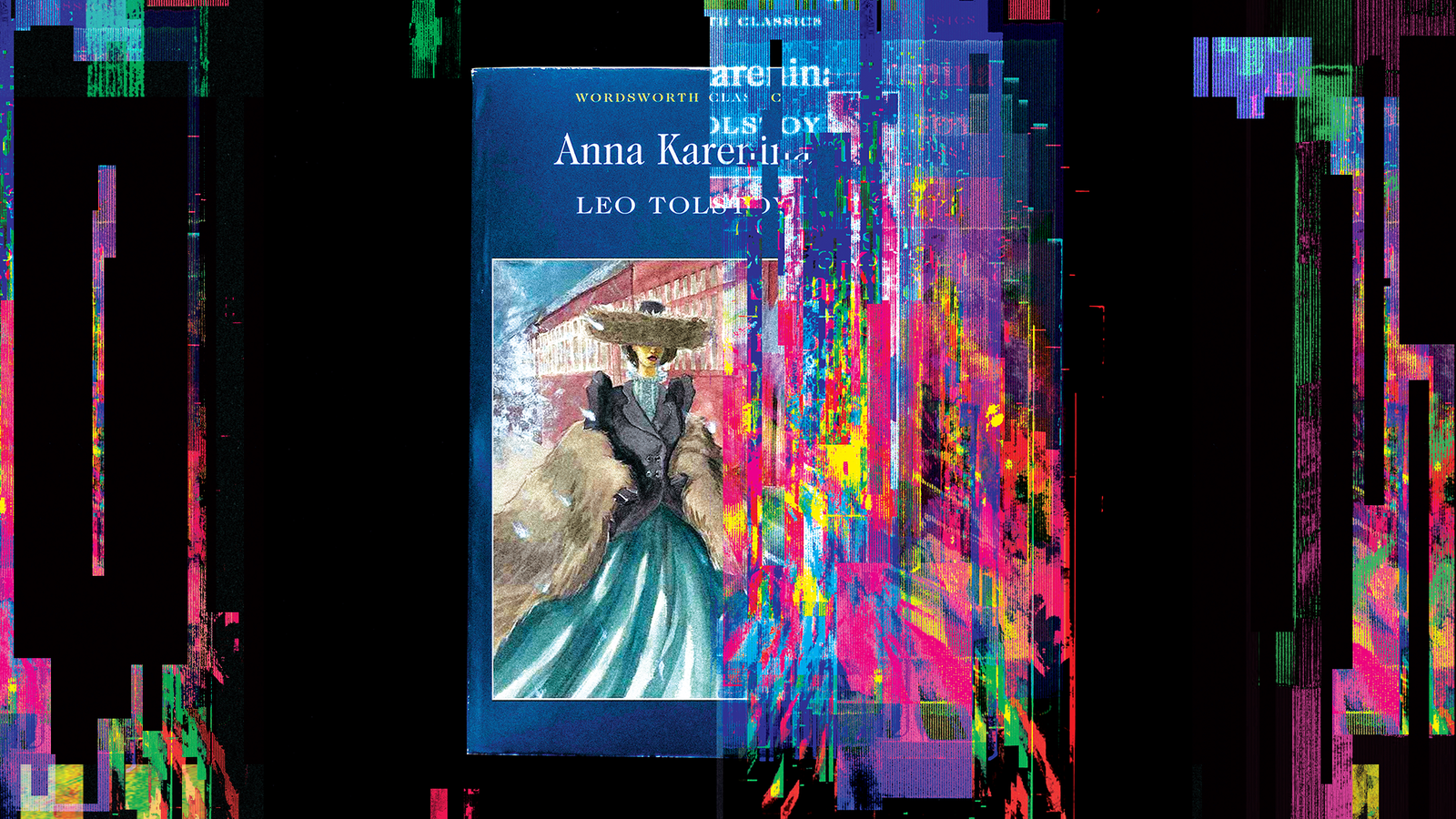
The End of Reading Is Here
“The End of Reading Is Here” - The Ringer
