A work of true crime following one American family’s search for answers after a 1984 murder in war-torn Beirut, where the Iranian revolution collided with the Israeli invasion of Lebanon, setting off the geopolitical conflagration that burns to this dayOn January 18, 1984, Malcolm Kerr, president of the American University of Beirut, was assassinated by a pair of gunmen outside his office. His murder, in the wake of the bombing of the US Marines’ barracks, Palestinian guerrilla warfare, and the 1982 Israeli invasion of Lebanon, was just one more shocking headline in a city ravaged by the chaos of nine years of war. There was no investigation. Four decades later, the question of who killed Malcolm and why still haunts Kerr’s family, including his son Steve, a world-famous basketball player and NBA coach. In The Best Kind of American, Kim Ghattas embarks on a quest to solve the mystery of Kerr’s assassination, weaving together the family’s story with that of Lebanon’s warlords and peacemakers, Hezbollah hostage takers and Iranian Revolutionary Guards, and American presidents from Reagan to Trump. She also tells the definitive story of how Beirut came to be the point of origin for the policies and people who went on to shape the Middle East for decades, from Israeli Prime Minister Benjamin Netanyahu to Iran’s Supreme Leader Ali Khamenei, who was then assassinated in a joint US-Israeli strike in the opening salvo of their 2026 war against the Islamic Republic. With the nuance, clarity, and storytelling that made Black Wave an era-defining work on the Middle East, Ghattas delivers a riveting, deeply human saga—a must-read for understanding why this conflict continues to shape today’s world.
How We Analyzed the Strike on the Iranian School | Visual Investigations
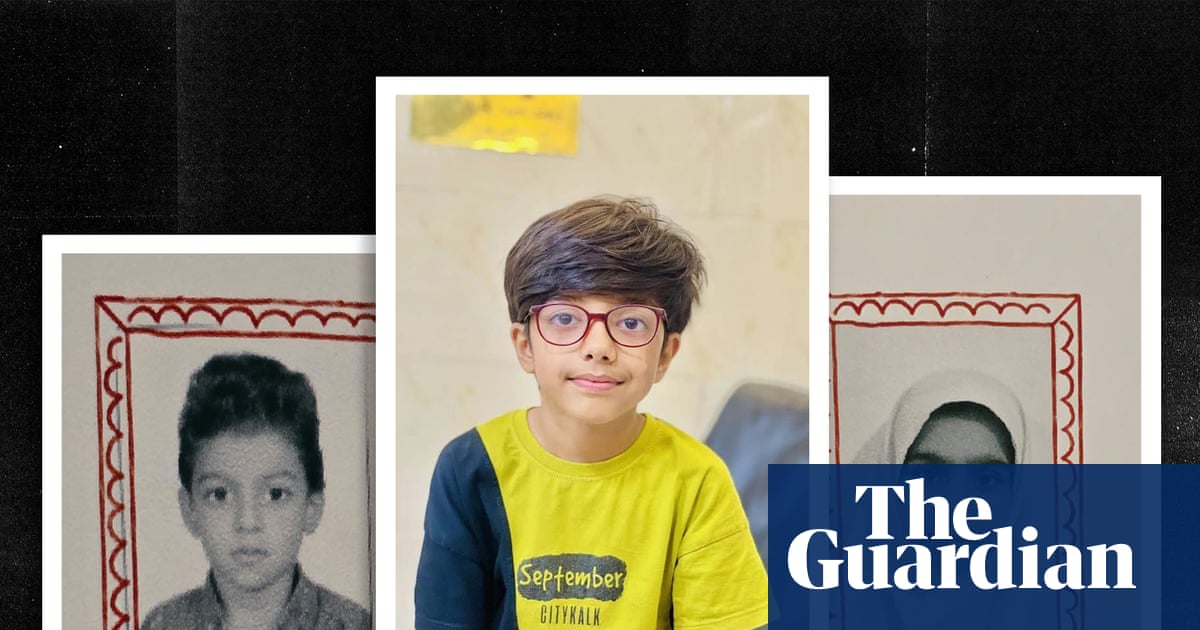
‘Her head was broken’: parents at Iranian school bombed by US describe their worst day
Hours before the world learned that a US missile had hit Shajareh Tayyebeh school, parents were already searching the rubble for their sons and daughters. In this exclusive report, four families describe the events of 28 February
Analysis suggests US was responsible for deadly strike on Iranian elementary school | CNN
The United States military was likely responsible for the strike on an elementary school in southern Iran that killed scores of children, the deadliest incident of civilian casualties in the US and Israel’s almost week-long war with Iran, according to CNN and expert analysis of evidence.

Art Spiegelman: ‘The US needs a counter-revolution’
More than four decades after his Holocaust story Maus transformed the graphic novel genre, Art Spiegelman discusses Trump, the shadow of 9/11 and the rise of fascism in America

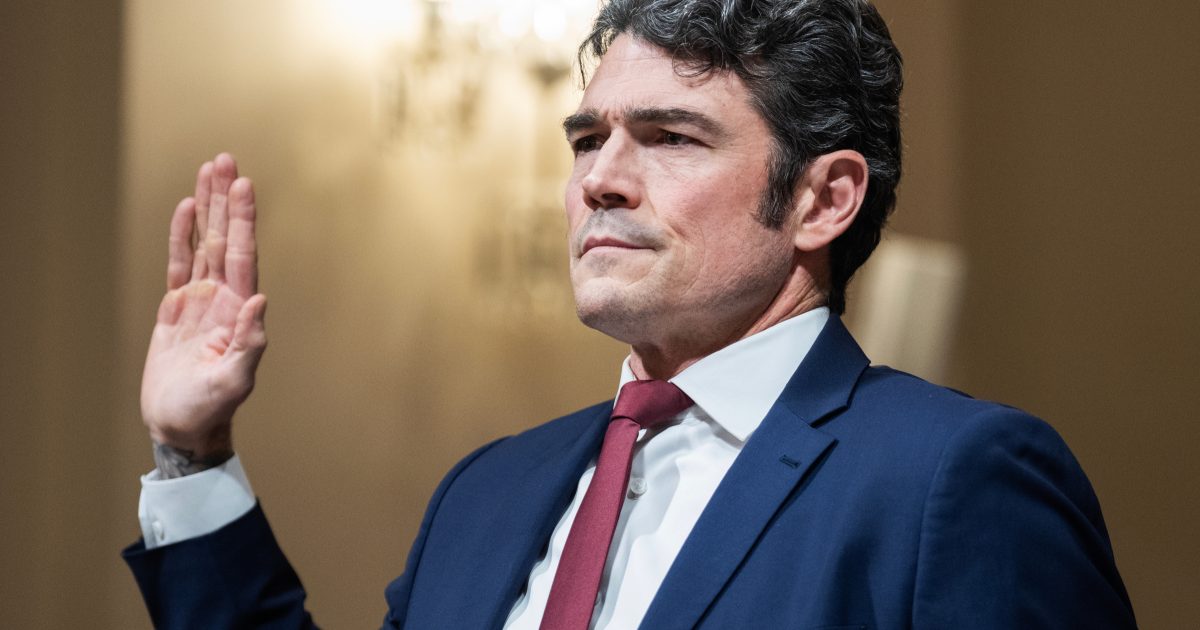
Joe Kent’s Resignation Was Brave. His Analysis Is Faulty.
The former counterterrorism official’s assertion that Israel was responsible for US wars in Iraq and Syria is false, and evidence of a dangerously…
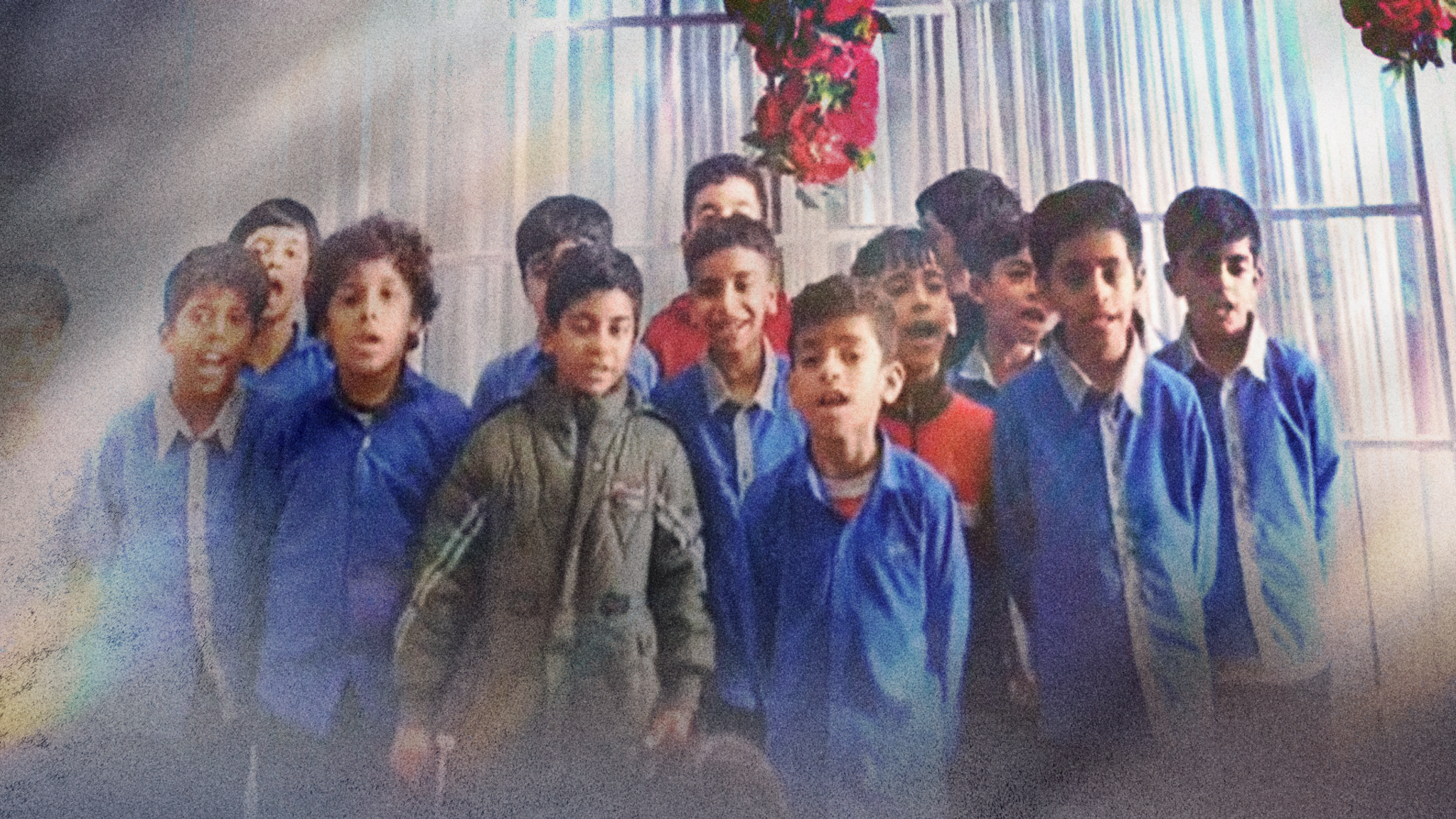
Revealed: A catalogue of failures and the devastating aftermath of Iran school bombing
When Malcolm X Met the Nazis
A look at the strange alliance between the Nation of Islam and the American Nazi Party.

News for Black America - NewsOne
Breaking news for and about Black America: politics, original stories, diverse opinions, current events and their impact on Black lives.
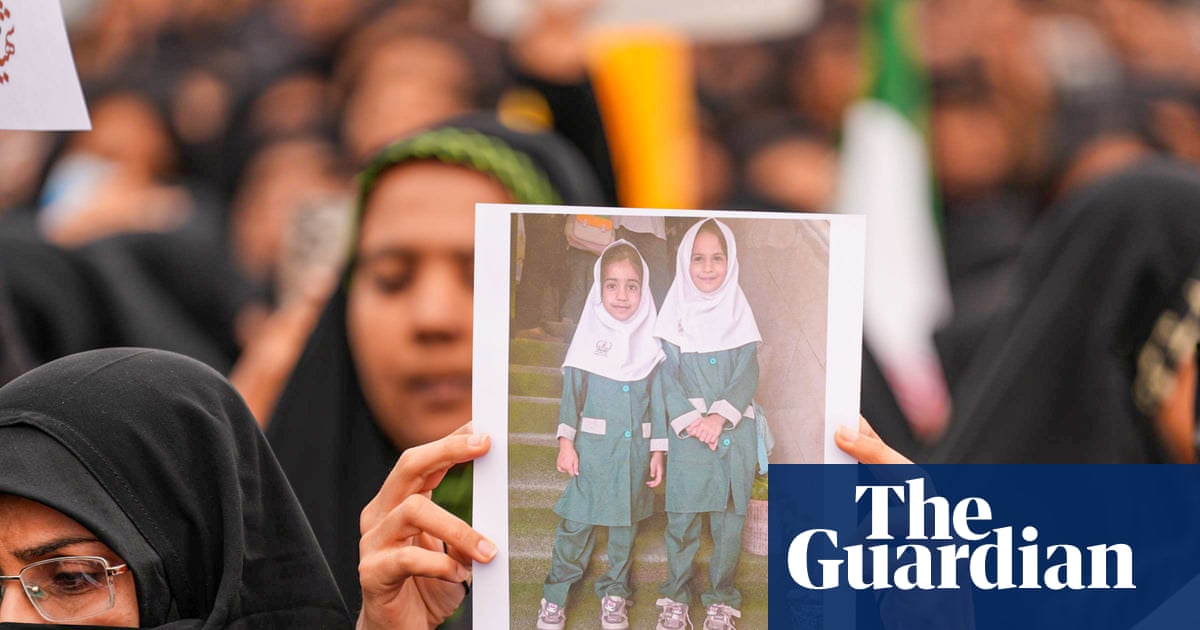
Minab school bombing: how the worst mass casualty event of the Iran war unfolded – a visual guide
A strike on Shajareh Tayyebeh school during the US-Israeli bombing campaign killed up to 168 people. The Guardian has pieced together the incident and its aftermath using verified footage and images from the site
A Genocide Scholar Asks “What Went Wrong” in Israel
Podcast Episode · The New Yorker Radio Hour · April 17 · 39m

Iran built a vast camera network to control dissent. Israel turned it into a targeting tool
Israel’s use of Tehran street cameras to help kill Iran’s supreme leader shows how everyday surveillance can turn into a wartime weapon.
Epstein and the Capitalist Conspiracy
Naomi Klein discusses what to do with a narrative that mirrors the worst anti-Jewish theories and the importance of holding our depraved elites…
Preliminary Inquiry Finds U.S. Responsible for Iran Elementary School Attack
Malcolm X's Speech After the Firebombing (Feb. 14, 1965)
Tonight one of the things that has to be stressed is that which has not only the United States very much worried but which also has France, Great Britain, and most of the powers, who formerly were known as colonial powers, worried also, and that primarily is the African revolution. They are more concerned with the revolution that's taking place on the African continent than they are with the revolution in Asia and in Latin America.
On Western Terrorism: From Hiroshima to Drone Warfare
In On Western Terrorism Noam Chomsky, world renowned dissident intellectual, discusses Western power and propaganda with filmmaker and investigative journalist Andre Vltchek. The discussion weaves together a historical narrative with the two men's personal experiences which led them to a life of activism. The discussion includes personal memories, such as the New York newsstand where Chomsky began his political education, and broadens out to look at the shifting forms of imperial control and the Western propaganda apparatus. Along the way the discussion touches on many countries of which the authors have personal experience, from Nicaragua and Cuba, to China, Chile, Turkey and many more. A blast of fresh air which blows away the cobwebs of propaganda and deception, On Western Terrorism is a powerful critique of the West's role in the world which will inspire all those who read it to think independently and critically.
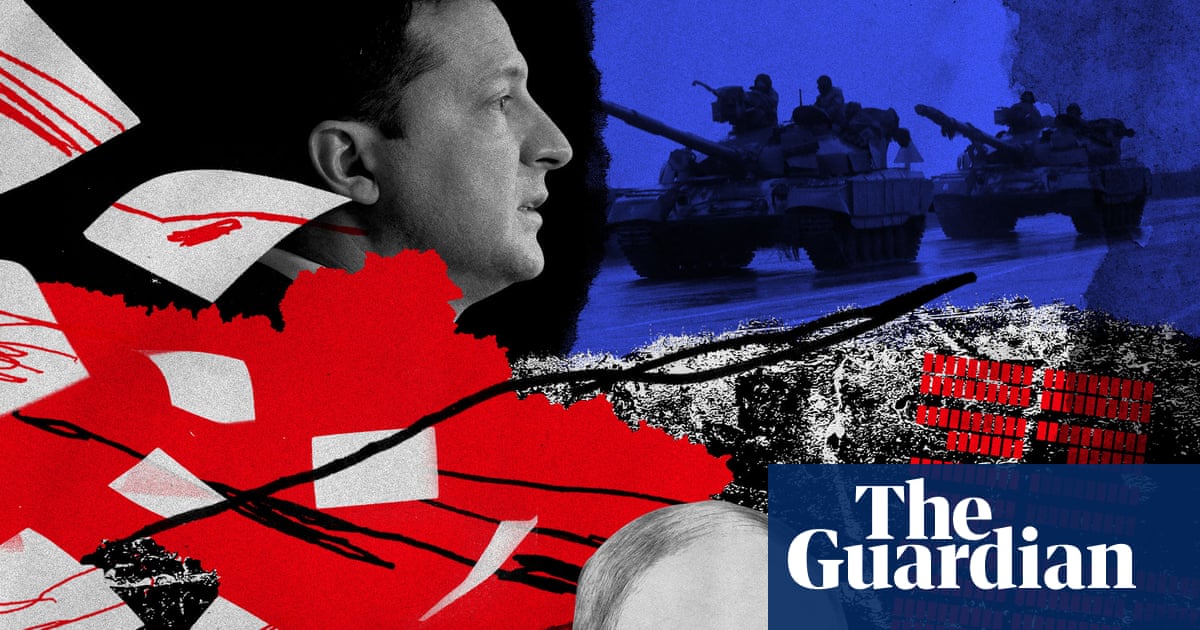
A war foretold: how the CIA and MI6 got hold of Putin’s Ukraine plans and why nobody believed them
Drawing on more than 100 interviews with senior intelligence officials and other insiders in multiple countries, this exclusive account details how the US and Britain uncovered Vladimir Putin’s plans to invade, and why most of Europe – including the Ukrainian president, Volodymyr Zelenskyy – dismissed them