

This volume, the most comprehensive account yet of the CIA's activities between 1947 & 1967, presents shocking evidence of the CIA's manipulative cultural undertakings during the Cold War. This impressively detailed book draws together newly declassified documents & exclusive interviews to expose the CIA's astonishing campaign wherein some of the most vocal exponents of intellectual freedom -- including George Orwell, Bertrand Russell, Jean-Paul Sartre, Arthur Schlesinger, Jr., & Gloria Steinem -- become instruments of the American government. A true story of intrigue & betrayal. B&W photos. A real contribution to popular understanding of the postwar period.Ó
One Nation Under Blackmail: The Sordid Union Between Intelligence and Crime that Gave Rise to Jeffrey Epstein$dVol. 1
Cover Page -- Title Page -- Copyright -- Publisher's Foreword -- Contents -- Introduction -- 1) The Underworld -- 2) Booze and Blackmail -- 3) Organized Crime and the State of Israel -- 4) Roy Cohn's "Favor Bank" -- 5) Shades of Gray -- 6) A Private CIA -- 7) A Killer Enterprise -- 8) Clinton Contra -- 9) High Tech Treason -- 10) Government by Blackmail: The Dark Secrets of the Reagan Era -- Documents -- Index -- List of Abbreviations -- Acknowledgments -- Back Cover

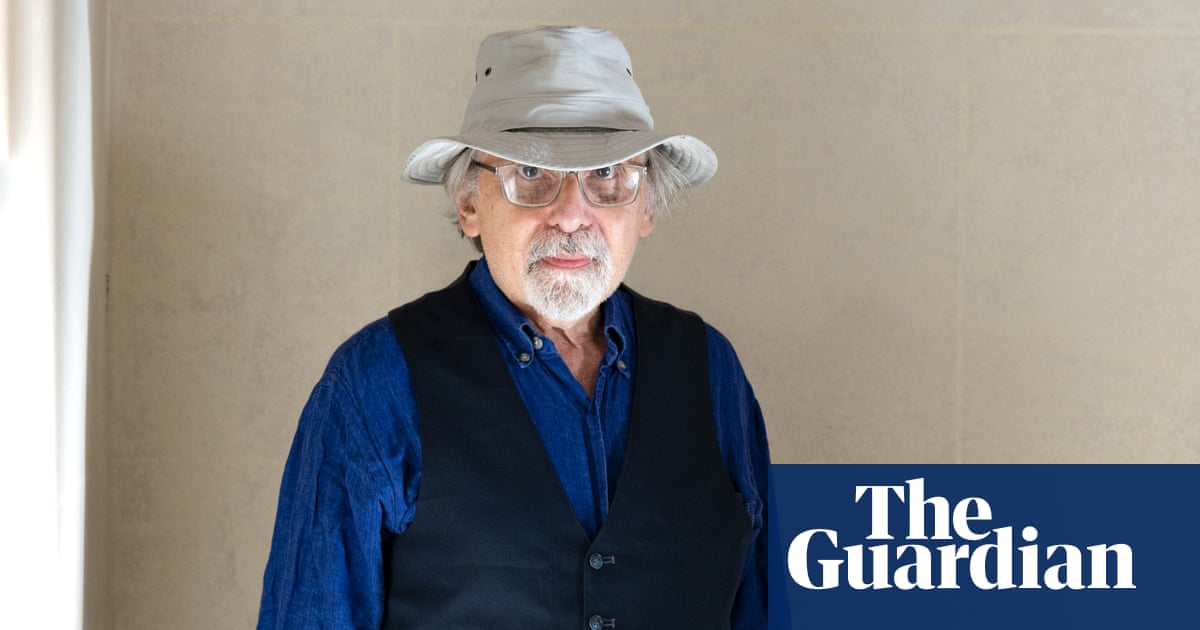
Art Spiegelman: ‘The US needs a counter-revolution’
More than four decades after his Holocaust story Maus transformed the graphic novel genre, Art Spiegelman discusses Trump, the shadow of 9/11 and the rise of fascism in America
Feminist Icon Gloria Steinem Was An Anti-Communist CIA Operative who Kept Feminism From Discussing Class
Declassified Cold War Ties Show How U.S. Intelligence Shaped Feminism’s Focus On Gender Over Class.

The Myth of Allied Technological Inferiority
World War II, The Free Press, and the Problematic Use of History in Contemporary Media
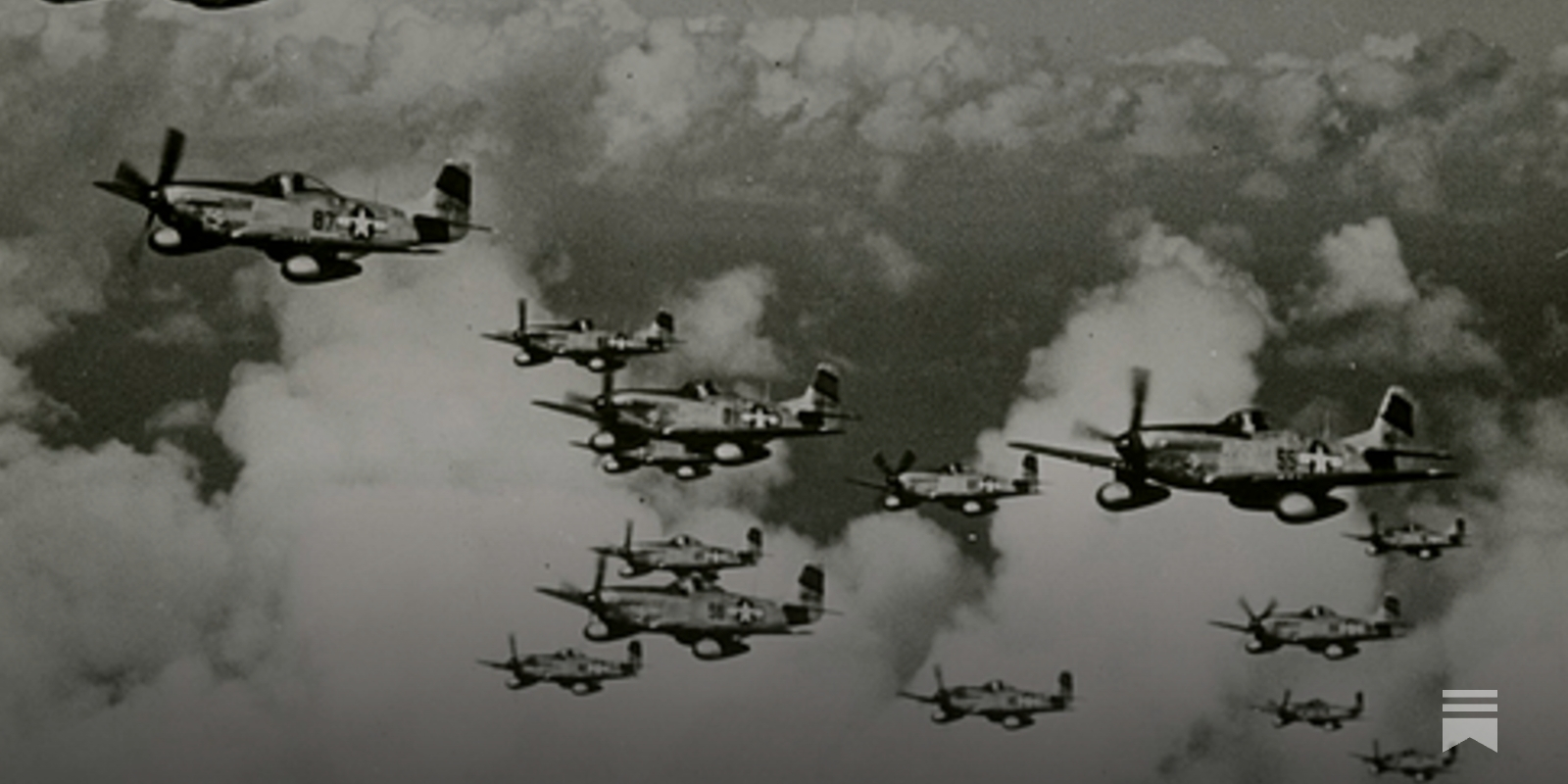
A war foretold: how the CIA and MI6 got hold of Putin’s Ukraine plans and why nobody believed them
Drawing on more than 100 interviews with senior intelligence officials and other insiders in multiple countries, this exclusive account details how the US and Britain uncovered Vladimir Putin’s plans to invade, and why most of Europe – including the Ukrainian president, Volodymyr Zelenskyy – dismissed them
The U.S. Army's Top Secret Arctic City Under the Ice! "Camp Century" Restored Classified Film
The rise of AI sovereignty: Authoritarian technological imaginaries as a form of reflexive control
Recent literature increasingly examines generative artificial intelligence's (AI's) role in disinformation and propaganda as a key driver of digital authoritarianism. Yet, less attention has been paid to how authoritarian regimes may influence the global governance of AI itself. This essay addresses this gap by analysing the impact of authoritarian technological imaginaries, focusing on the rise of ‘AI sovereignty’ as a central concept shaping global AI governance. It adopts a conceptual framework that combines the notion of imaginaries with the concept of reflexive control, originating in Soviet strategic thought and referring to influencing an adversary's perceptions so they act in ways aligned with the initiator's goals, to study authoritarian diffusion and the global politics of AI. Through an examination of public statements by the Russian president, the study shows how Russia constructs an AI imaginary that extends Cold War logics of nuclear competition into the digital era, framing AI as a matter of security and survival rather than ethics or rights. Drawing on the Russian case, the analysis identifies three frames that underpin the authoritarian AI imaginary: AI as a tool for power and domination; Western AI as a cultural threat; and AI as a guarantor of state efficiency. The article argues that such imaginaries shape the cognitive environment of global policy debates, promoting sovereignty-centred and securitised approaches to AI governance. It suggests that recognising the role of reflexive control in authoritarian diffusion helps distinguish legitimate Global South concerns from authoritarian influence and supports more inclusive and resilient models of AI governance.
CIA warned of threat of 'explosive airplane' years before 9/11, documents show
The spy agency released 71 declassified presidential briefings, with one showing it had thought Al Qaeda's plans were 'widely known' by extremists.

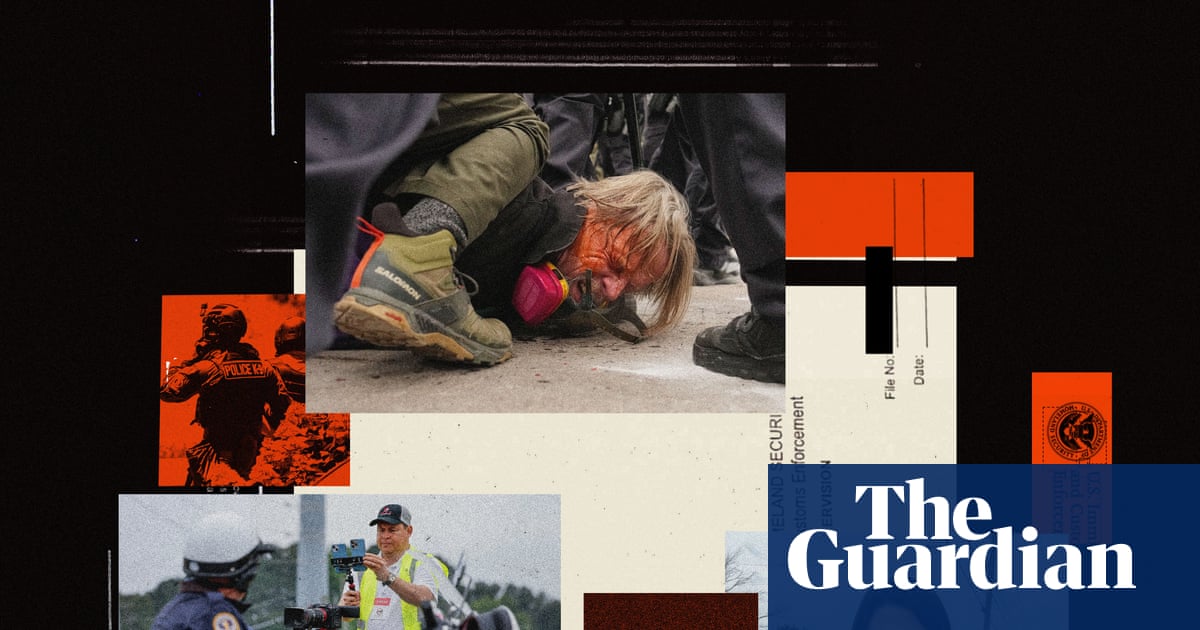
Freedom oppressed: the journalists caught up in Trump’s ICE crackdown
Media workers are grappling with increasingly volatile press climate in US, with some detained and even deported
On Western Terrorism: From Hiroshima to Drone Warfare
In On Western Terrorism Noam Chomsky, world renowned dissident intellectual, discusses Western power and propaganda with filmmaker and investigative journalist Andre Vltchek. The discussion weaves together a historical narrative with the two men's personal experiences which led them to a life of activism. The discussion includes personal memories, such as the New York newsstand where Chomsky began his political education, and broadens out to look at the shifting forms of imperial control and the Western propaganda apparatus. Along the way the discussion touches on many countries of which the authors have personal experience, from Nicaragua and Cuba, to China, Chile, Turkey and many more. A blast of fresh air which blows away the cobwebs of propaganda and deception, On Western Terrorism is a powerful critique of the West's role in the world which will inspire all those who read it to think independently and critically.
Technopoly: The Surrender of Culture to Technology
A witty, often terrifying that chronicles our transform…

The closed world: Systems discourse, military strategy and post WWII American historical consciousness
This essay proposes a cultural and historical explanation for the American Military's fascination with computing. Three key elements of post-WWII US political culture — apocalyptic struggle with the USSR, subsuming all other conflicts: a long history of antimilitarist sentiment in American politics; and the rise of science-based military power — contributed to a sense of the world as a closed system accessible to American technological control. A developing scientific systems discourse, centrally including computer science and AI, was adopted for strategic thinking and military technology. The Strategic Computing and Strategic Defense Initiatives are discussed as contemporary examples of this conjunction.
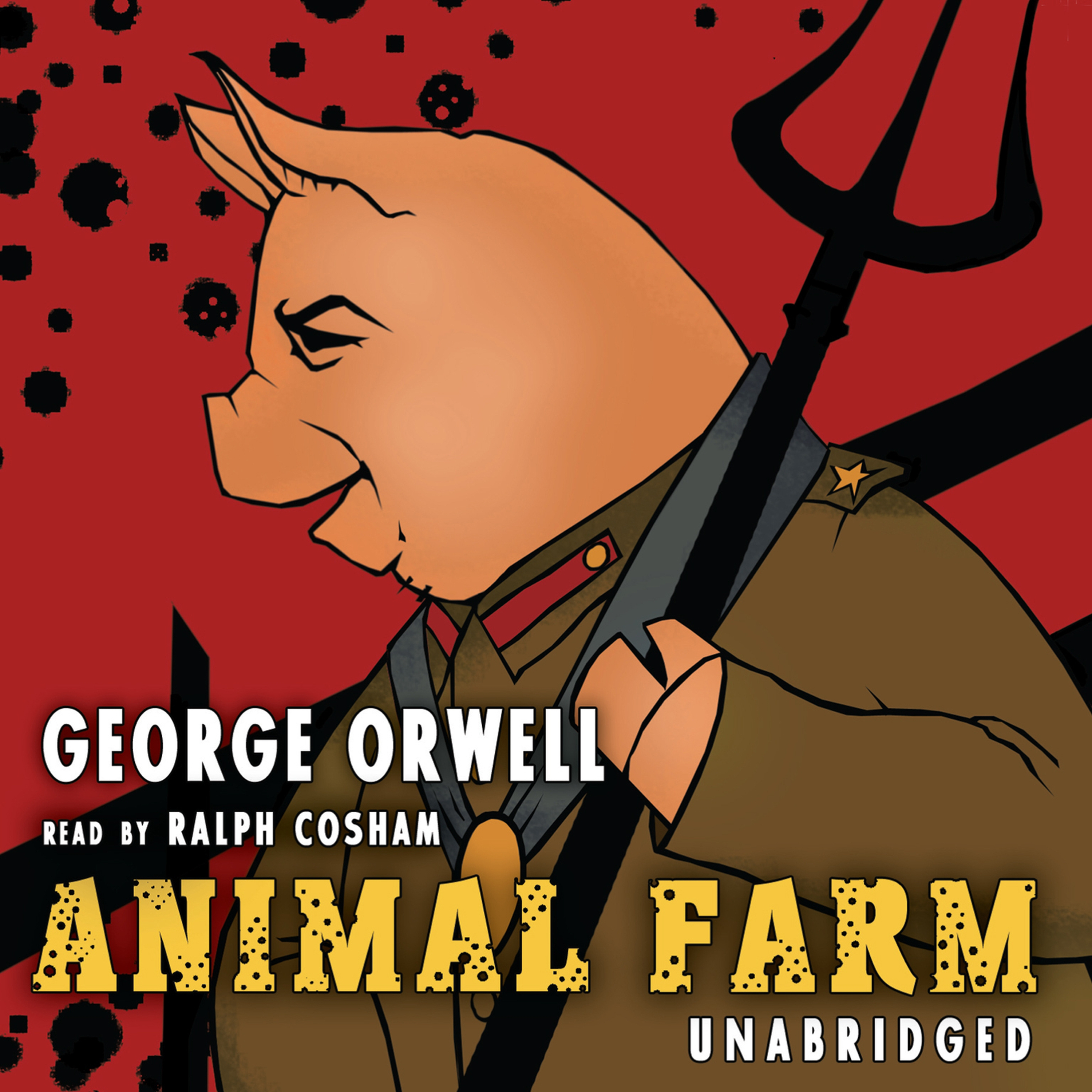
Animal Farm by George Orwell
George Orwell's classic satire of the Russian Revolution has become an intimate part of our conte...
Here's a PDF Version of the CIA Guide to Sabotaging Fascism
A 404 Media reader made a PDF version of the World War II-era manual that's going viral right now.
"Books differ from all other propaganda.., primarily because one book can significantly change the reader's attitude and action to an extent unmatched by the impact of any other medium... this make[s] books the most important weapon of strategic propaganda." -CIA Covert propaganda program, 1961
