Was World War II really the `Good War'? In the years since the declaration of peace in 1945 many myths have sprung up around the conflict in the victorious nations. In this book, Peter Hitchens deconstructs the many fables which have become associated with the narrative of the `Good War'. Whilst not criticising or doubting the need for war against Nazi Germany at some stage, Hitchens does query whether September 1939 was the right moment, or the independence of Poland the right issue. He points out that in the summer of 1939 Britain and France were wholly unprepared for a major European war and that this quickly became apparent in the conflict that ensued. He also rejects the retroactive claim that Britain went to war in 1939 to save the Jewish population of Europe. On the contrary, the beginning and intensification of war made it easier for Germany to begin the policy of mass murder in secret as well as closing most escape routes. In a provocative, but deeply-researched book, Hitchens questions the most common assumptions surrounding World War II, turning on its head the myth of Britain's role in a `Good War'.
The Myth of Allied Technological Inferiority
World War II, The Free Press, and the Problematic Use of History in Contemporary Media
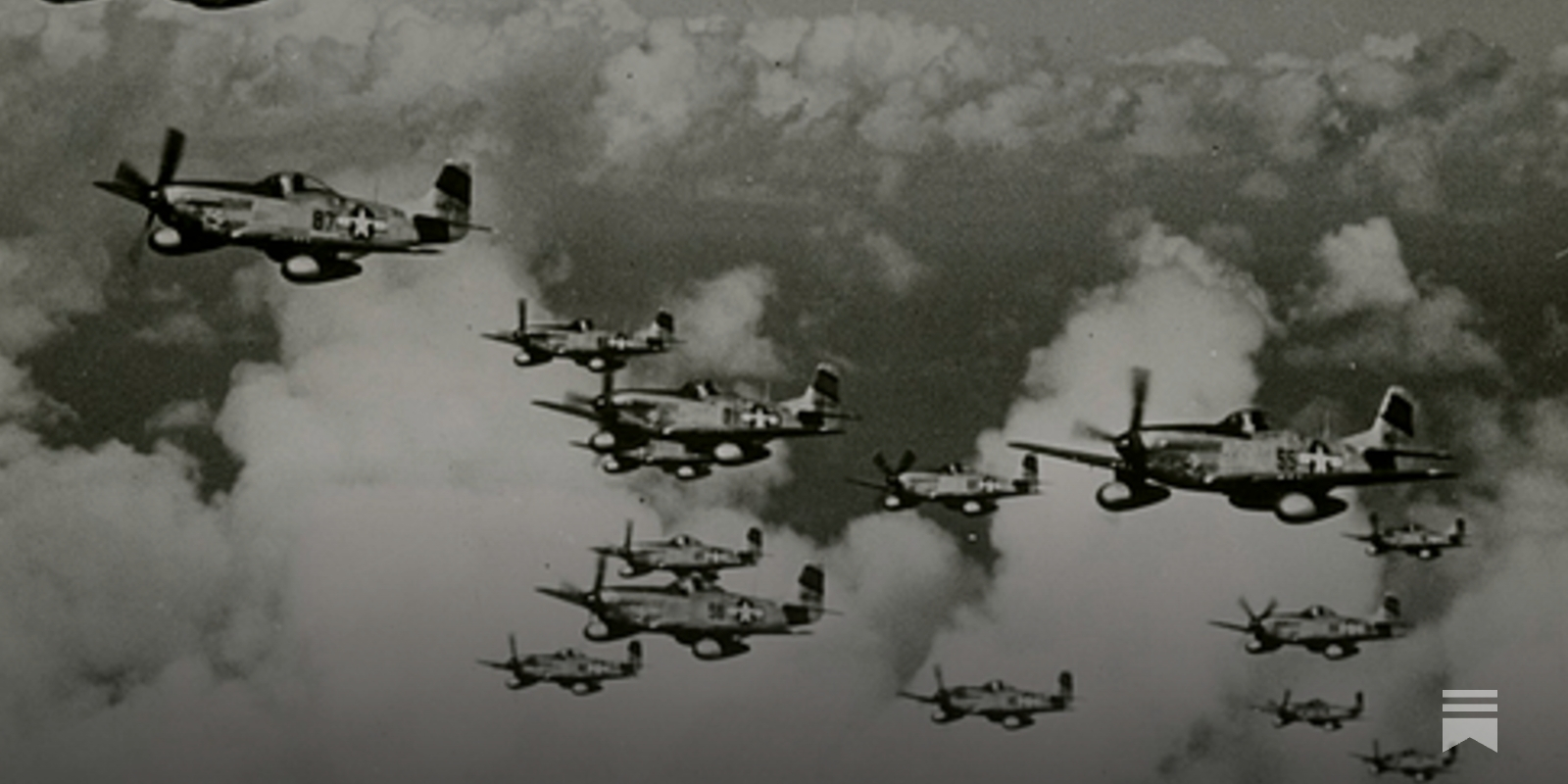
Echoes from History
This article was originally published as an advance reading for RWOT12 in Köln, Germany on August 9, 2023. It has been slightly edited for this reprint....

War Is A Racket, by Major General Smedley Butler, 1935
It is possibly the oldest, easily the most profitable, surely the most vicious. It is the only one international in scope. It is the only one in which the profits are reckoned in dollars and the losses in lives.
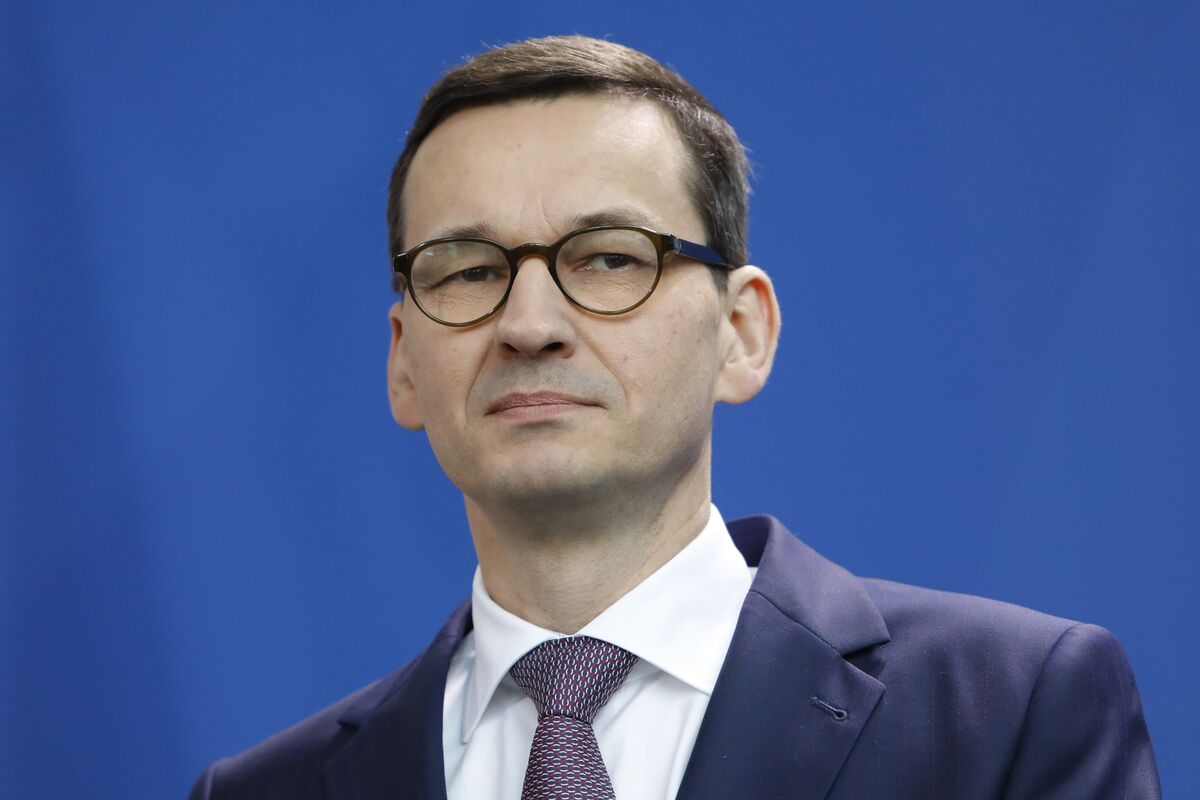
Poland's Economic Experiment, Starring Thomas Piketty
Prime Minister Mateusz Morawiecki's strategy is inherently self-contradictory. But it just might work.

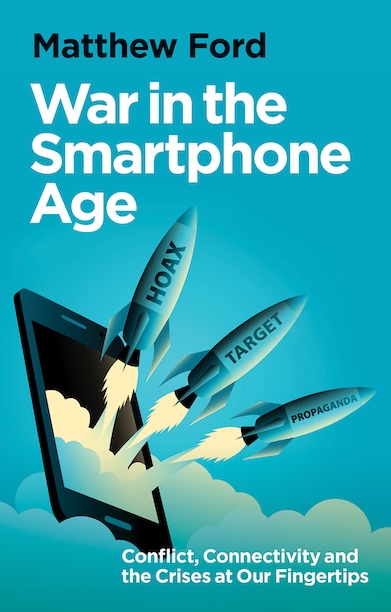
War in the Smartphone Age | Hurst Publishers
An essential guide to understanding war and information on today’s data-saturated battlefields—from Ukraine to Gaza and beyond.
Hitchcock's Notorious, Defence in Depth, and the weakness of Nazis
Writing at the end of the world, from Hveragerði, Iceland
Britain’s Palestine failure and the collapse of the international rules-based order
Britain dithers on the sidelines instead of seizing the opportunity to address a century-old injustice inflicted on the Palestinian people

War and the lost generation of inventors
Large wars destroy not only lives and infrastructure but also the human capital that fuels long-term economic progress. This column presents new evidence from Britain that shows that communities that lost many young men in World War I experienced persistent declines in subsequent innovation. The losses were particularly detrimental for frontier technologies and breakthrough inventions, highlighting how war can leave long-lasting scars on a country’s capacity to generate new ideas.

The Great Reckoning - The Ideas Letter
The world feels unsettled, as if history itself were changing tempo. The familiar landmarks of the modern age are blurring, slipping away, and the stories we once told ourselves about…

The Great Reckoning - The Ideas Letter
The world feels unsettled, as if history itself were changing tempo. The familiar landmarks of the modern age are blurring, slipping away, and the stories we once told ourselves about…
Why Men Love War
Alfred Kazin wrote that war is the enduring condition of twentieth-century man. He was only partly right.
Your Pedagogy Might be More Aligned with Colonialism than You Realize
Berlin of 1884 was effected through the sword and the bullet. But the night of the sword and the bullet was followed by the morning of the…

Sollte der Krieg Russlands gegen die Ukraine die Epistemologie der Osteuropäischen Geschichte verändern und wenn ja, wie?
The short article argues for revitalizing historical research to questions of the longue durée and, in analogy to the New Imperial History, considers the emergence of a New National History possible. Above all, the article calls for a continued decolonialisation of Russian history and, in this context, also for a strengthening of the Ukraine and Belarus focus in research, teaching and language mediation as well as in the form of a German Historical Institute in Kyiv.