

There's a resurgent labor movement in the tech industry. Tech workers--designers, engineers, writers, and many others--have learned that when they stand together, they're poised to build a better version of the tech industry. They haven't stopped there: at companies from Kickstarter to Google, workers have formed unions. And you should, too. But what are unions? And why do they matter? Ethan Marcotte answers these questions through extensive research and by interviewing tech workers with real-world union-building experience. Ethan shares these workers' insights and stories, weaving them together to outline the process for forming a union of your very own. Because you--yes, you--deserve a tech union.
A brewing battle: More IT workers want unions. The industry doesn’t.
Rising anger over widespread layoffs, disillusionment with Big Tech, and threats of mass displacement by AI have tech pros taking a good, hard look at unions.


We need Solidarity | deadSimpleTech
Both me and a lot of people around me have written extensively about the issues that we face in the tech industry, both inward and outward facing. Some of us have attempted to essay potential solutions, but on the whole, I don't believe we've had a coherent strategy for fighting back against this shit as an industry. So, let me propose one: we, as an industry, need to unionise quickly, effectively and on a massive scale.

They just formed the biggest tech worker union in the US. They plan to rein in AI and curb layoffs
"Who AI benefits and who it immiserates often is based on who gets to decide how it’s used. We know how tech is used on the day to day. We should be at the table as well."
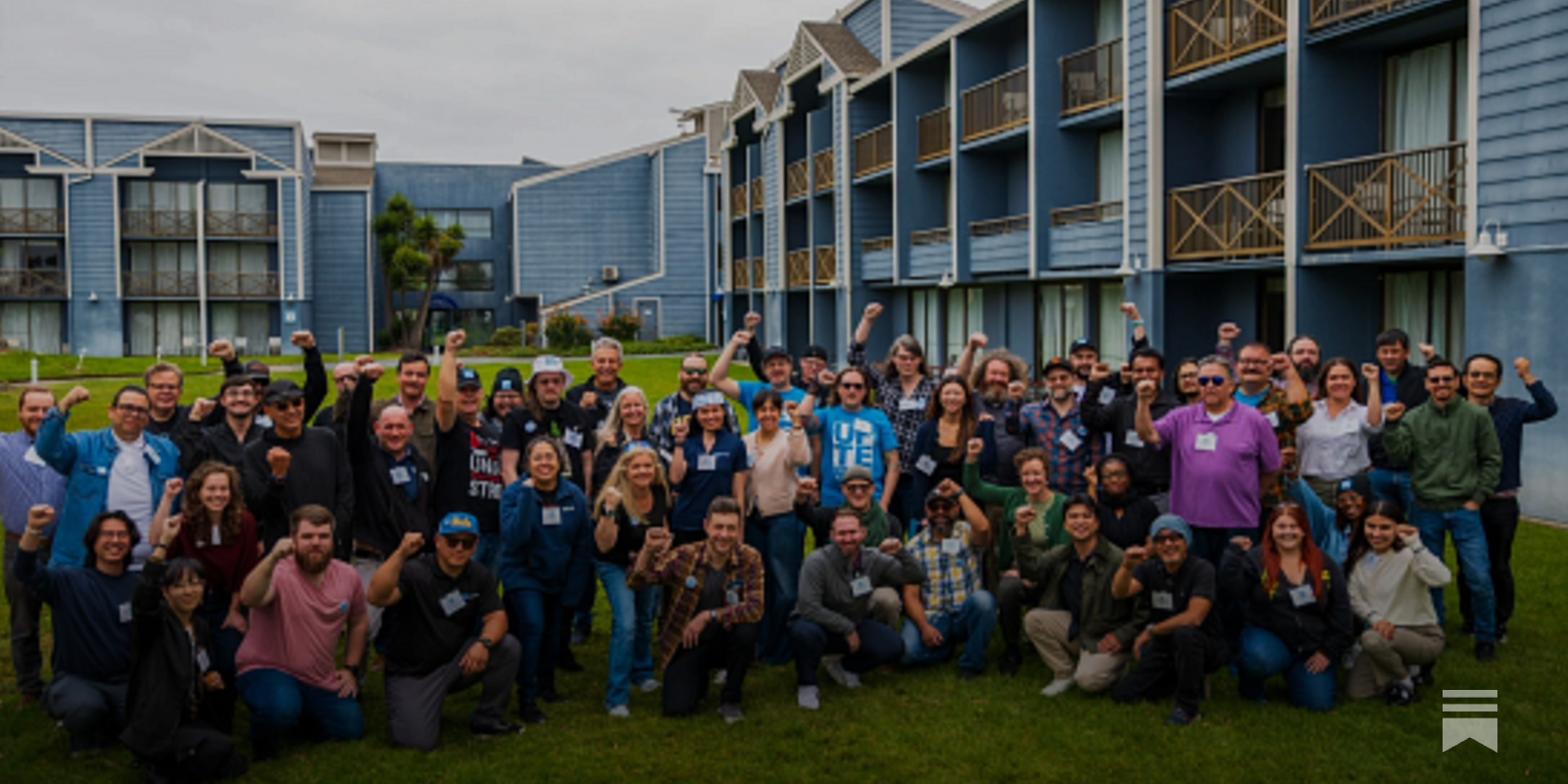
Tech Workers Coalition
A coalition of tech industry workers, labor organizers, community organizers, and friends cultivating solidarity among all workers in tech.
Collective Action School
Explore how you can remake tech. Tech worker organizing, unionizing, and building different technologies

10. Why Your Tech Startup Should Be a Worker Co-Op — Limeleaf Worker Collective
Steve Giordano from Interstitial and Ethan Winn from Obran join us to talk about one of our favorite topics: worker co-ops! What they are, how they work, and why we think they are a great corporate structure for tech startups.

I'm an American software developer and the "broligarchs" don't speak for me - ratfactor
Here I am, a software developer in the year 2025. I look around at "tech" in the news and in culture and I don’t like what I see. Something has gone very, very wrong with the Big Tech bros. I can no longer keep silent because it pains me to imagine these people representing ME.
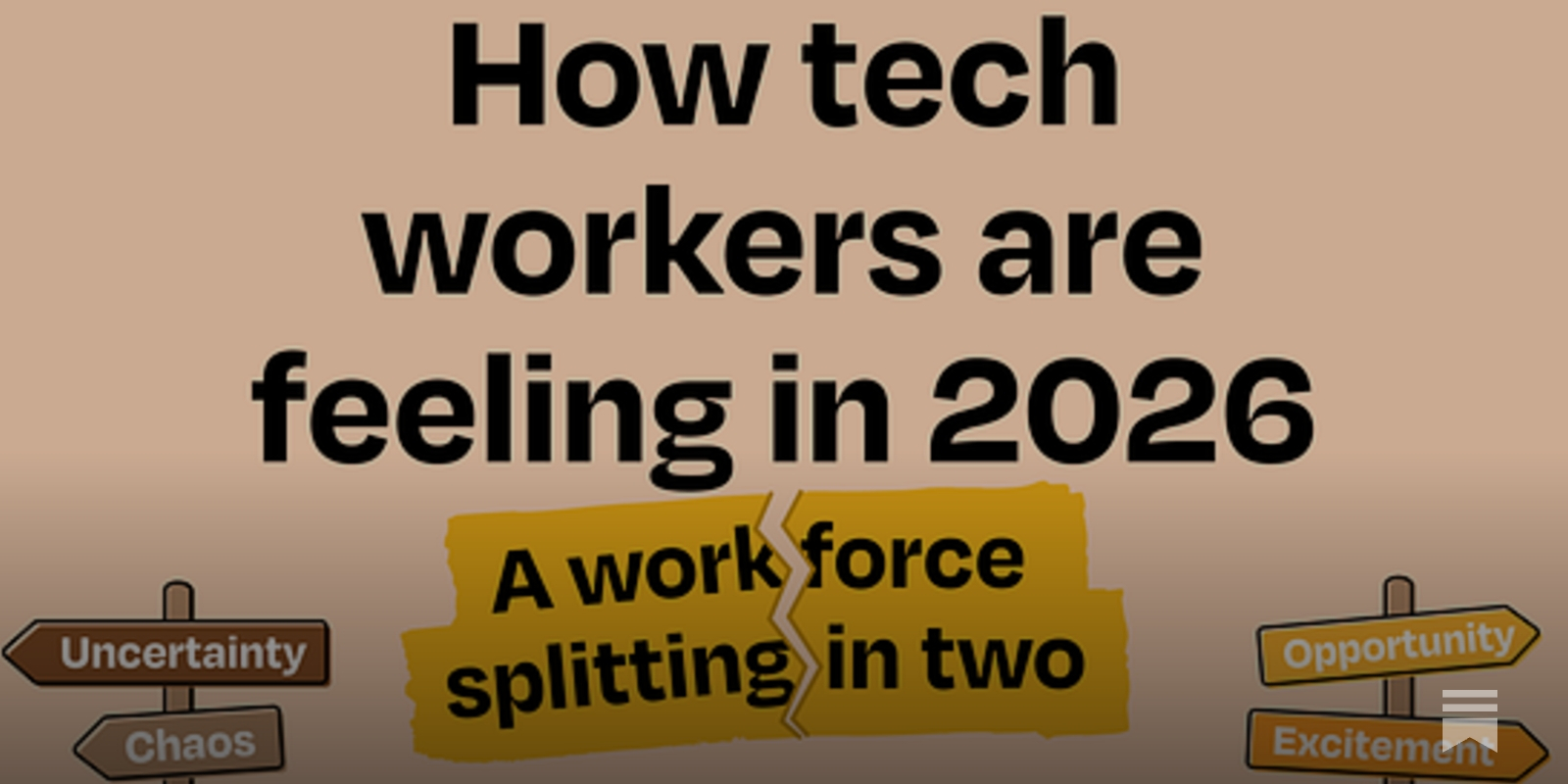
How tech workers are feeling in 2026: a workforce splitting in two
Results from our second annual tech worker sentiment survey
Pluralistic: All bets are off (29 Jan 2025) – Pluralistic: Daily links from Cory Doctorow
When unions are outlawed, only outlaws will have unions. Unions don't owe their existence to labor laws that protect organizing activities. Rather, labor laws exist because once-illegal unions were formed in the teeth of violent suppression, and those unions demanded – and got – labor law.
How Police Unions Became Such Powerful Opponents to Reform Efforts (Published 2020)
Half a decade after a spate of officer-involved deaths inspired widespread protest, many police unions are digging in to defend members.

Union.ai: Ship fast. Scale big. Orchestrate the future.
The AI development platform to go from experimentation to production faster. Orchestrate, train, and serve AI.

Maybe you should do less “work”
Working in tech, I've observed developers who work as hard as possible when they don't need to. I’m here today to tell you that it's a bad idea and you shouldn't do it.
Democracy in trade unions, democracy through trade unions?
Since the Webbs published Industrial Democracy at the end of the nineteenth century, the principle that workers have a legitimate voice in decision-making in the world of work – in some versions through trade unions, in others at least formally through separate representative structures – has become widely accepted in most West European countries. There is now a vast literature on the strengths and weaknesses of such mechanisms, and we review briefly some of the key interpretations of the rise (and fall) of policies and structures for workplace and board-level representation. We also discuss the mainly failed attempts to establish broader processes of economic democracy, which the eclipse of nationally specific mechanisms of class compromise makes again a salient demand. Economic globalization also highlights the need for transnational mechanisms to achieve worker voice (or more radically, control) in the dynamics of capital–labour relations. We therefore examine the role of trade unions in coordinating pressure for a countervailing force at European and global levels, and in the construction of (emergent?) supranational industrial relations. However, many would argue that unions cannot win legitimacy as a democratizing force unless manifestly democratic internally. Therefore we revisit debates on and dilemmas of democracy within trade unions, and examine recent initiatives to enhance democratization.

Pluralistic: The enshittification of tech jobs (27 Apr 2025) – Pluralistic: Daily links from Cory Doctorow
Tech workers are a weird choice for "princes of labor," but for decades they've enjoyed unparalleled labor power, expressed in high wages, lavish stock grants, and whimsical campuses with free laundry and dry-cleaning, gourmet cafeterias, and kombucha on tap: