


The Environment Strategy sets out a holistic framework for delivering Scotland’s role in tackling the global crises of nature loss, climate change and pollution. It brings together our existing policy response to tackling these crises and builds on these by outlining new priorities and proposals.
Environment strategy: transformative changes for sustainability
This is an independent report by Professor Valerie Nelson on behalf of the Scottish Government to inform the development of the forthcoming Scottish Government Environment Strategy.
Biodiversity strategy to 2045: tackling the nature emergency - draft
This draft biodiversity strategy sets out our clear ambition for Scotland to be Nature Positive by 2030, and to have restored and regenerated biodiversity across the country by 2045.
Tackling the Nature Emergency - strategic framework for biodiversity: consultation
A consultation on Scotland’s Strategic Framework for Biodiversity, including the first 5-year Delivery Plan for the Scottish Biodiversity Strategy, and elements of the proposed Natural Environment Bill.
Scottish Biodiversity Strategy to 2045
This is the final updated version of our biodiversity strategy which sets out our clear ambition for Scotland to be Nature Positive by 2030, and to have restored and regenerated biodiversity across the country by 2045.
Biodiversity: delivery plan 2024 to 2030
The first in a series of rolling Delivery Plans which form part of our Strategic Framework for Biodiversity, in conjunction with the Scottish Biodiversity Strategy. It includes actions needed to ensure we are on track to achieving the vision and outcomes in the Strategy.
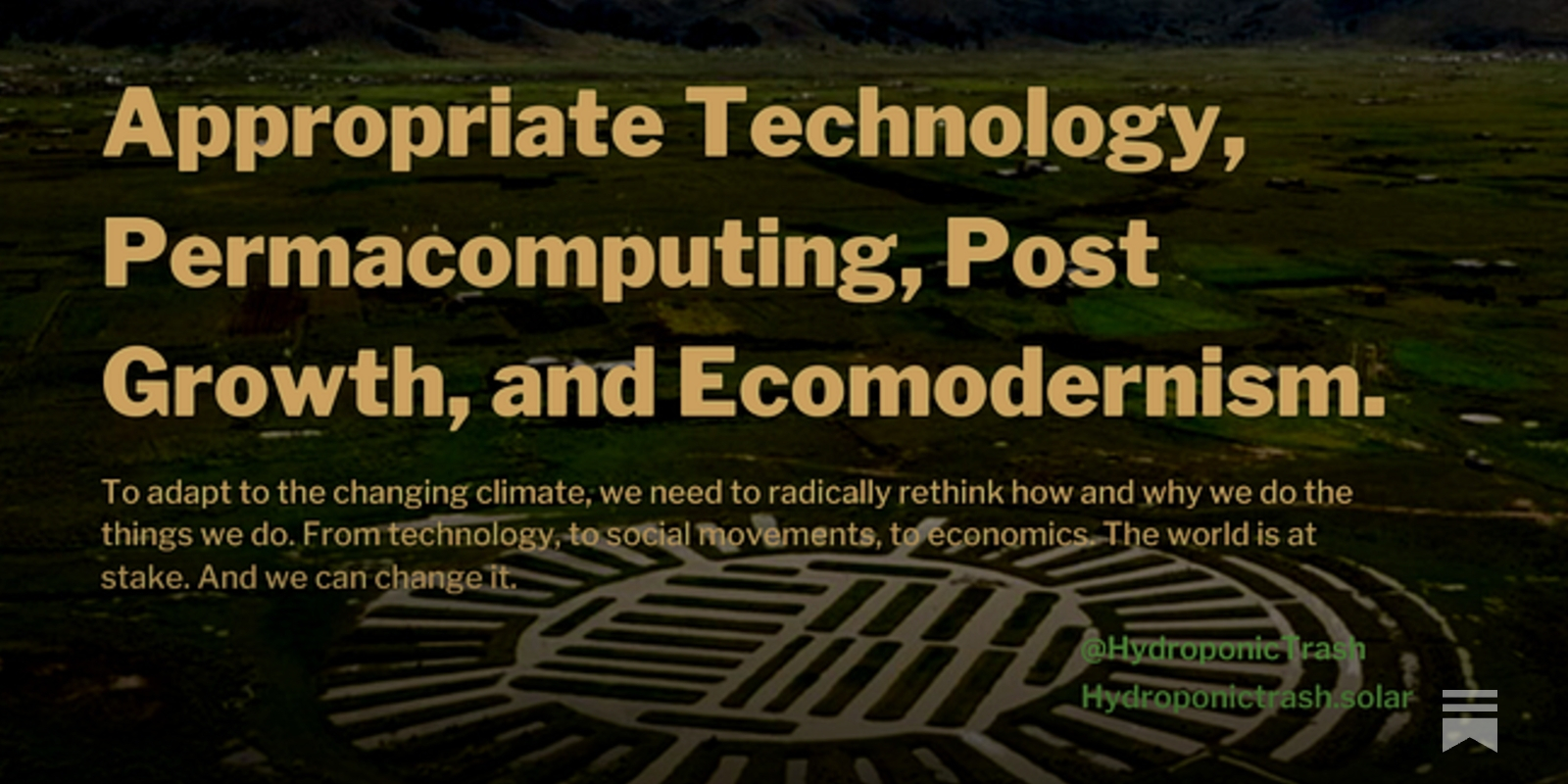
Appropriate Technology, Permacomputing, Post Growth, and Ecomodernism.
To adapt to the changing climate, we need to radically rethink how and why we do the things we do. From technology, to social movements, to economics. The world is at stake. And we can change it.
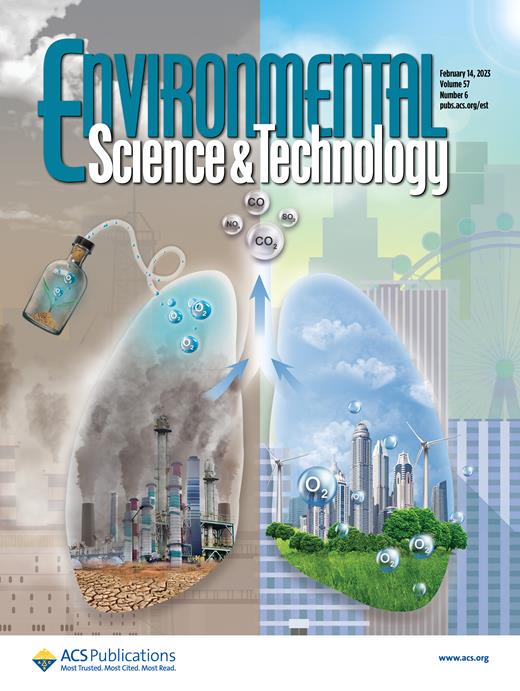
Key Principles for the Intergovernmental Science–Policy Panel on Chemicals and Waste
In 2021, the United Nations Environment Programme (UNEP) recognized chemical pollution as a planetary crisis tantamount to climate change and biodiversity
Measuring biodiversity: research into approaches
This report considers methodologies for measuring biodiversity at site-level for use in Scotland.
Developing a Valencia Strategy: laying track in front of the train – Scottish Communities Climate Action Network & Transition Scotland Hub
"In a situation like this there has to be a plan. You can’t make it up on the fly in the middle of a breakdown." Ministry for the Future, Kim Stanley Robinson “Preparedness is not just about having stuff, it's…
Offering experience, intelligence, and wisdom for climate action
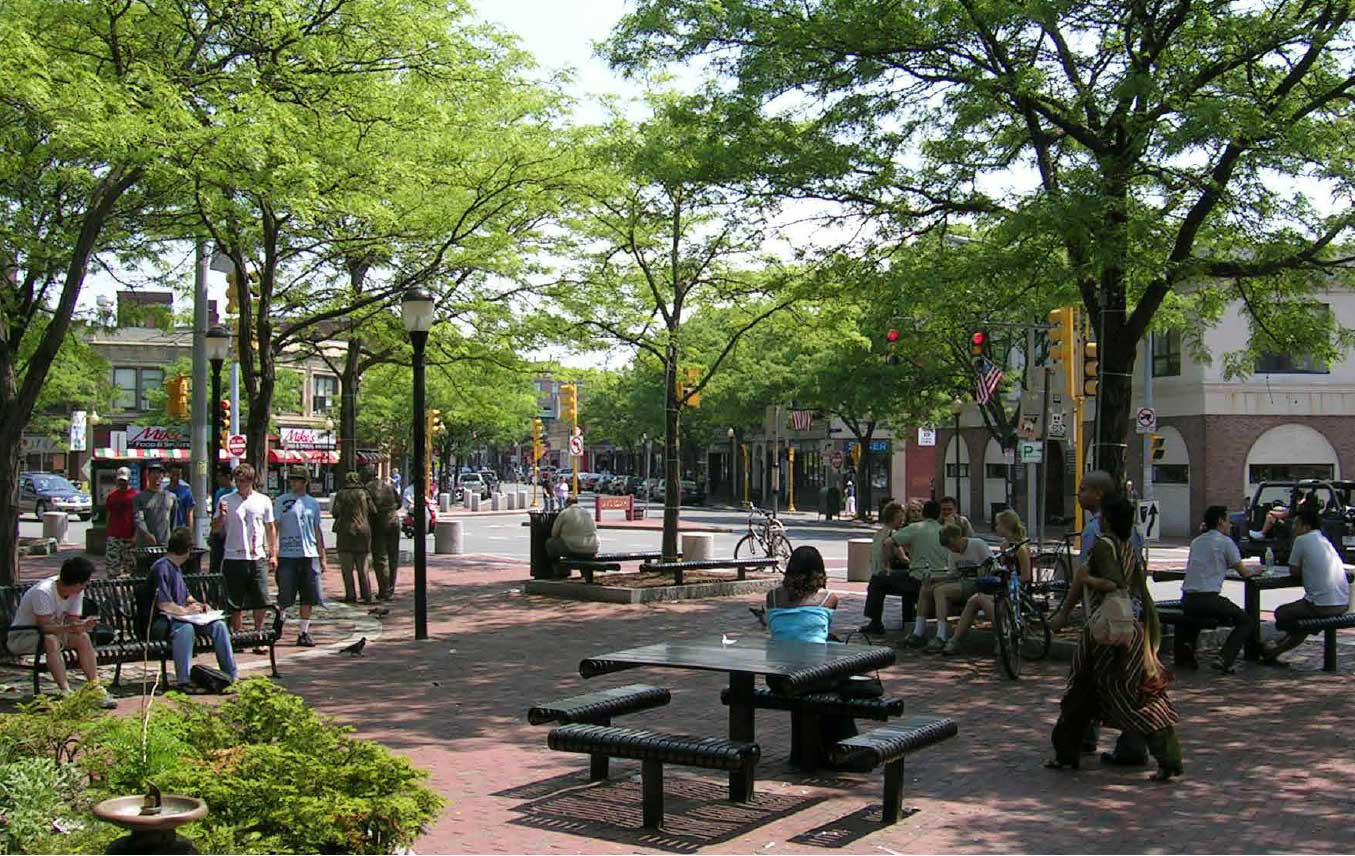
A Necessary Response: The Climate Action Handbook for Urbanists is an impassioned and technically useful guide to taking action at the community level.
Climate Change: Global Crisis To Local Action By Kevin Anderson
IPBES Transformative Change Assessment : Full report
Thematic assessment of the underlying causes of biodiversity loss, determinants of transformative change and options for achieving the 2050 Vision for Biodiversity of the Intergovernmental Science-Policy Platform on Biodiversity and Ecosystem Services (IPBES) is composed of 1) a Summary for Policymakers (SPM), and 2) a set of five Chapters. All products of the assessment are available on Zenodo. Find all the links on the side bar "has part"
How to solve climate change and make life more awesome
We already have all the tools we need to fix climate change. We just need to use them.

Scotland's Climate Assembly - process, impact and assembly member experience: research report
Mixed methods research into Scotland’s Climate Assembly, including process, impact and Assembly member experience.
BBC Earth | Environment, Climate Change, AI, Food, Health, Social, & Technology
As we face the world’s greatest environmental challenges, BBC Earth brings you solutions in psychology, food, climate change, health, social trends, and technology that can make the world a more sustainable place.
BBC Earth | Environment, Climate Change, AI, Food, Health, Social, & Technology
As we face the world’s greatest environmental challenges, BBC Earth brings you solutions in psychology, food, climate change, health, social trends, and technology that can make the world a more sustainable place.