


This is a selection of research reports to enhance the online harms evidence base. This research has helped improve understanding of harms experienced by adults and children, as well as how online harm can be measured.
Bias, Skew, and Search Engines Are Sufficient to Explain Online Toxicity
The Slow Death of Online Safety
Frontiers | Cyber-mobbing, technology-facilitated abuse and online violence
This article collection will explore the pressing issues of cyber-mobbing, technology-facilitated abuse and online violence, including online abuse, stalking...

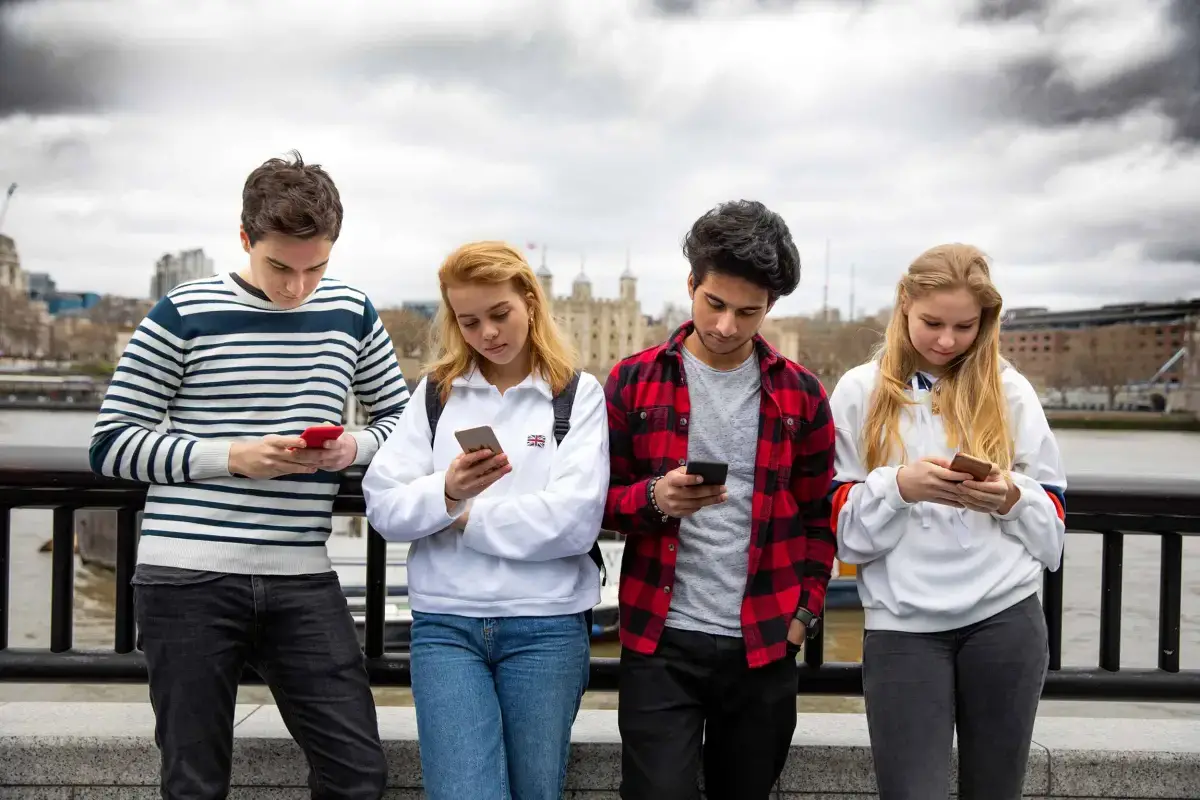
Why Protecting Kids from Social Media May Make Things Worse — Douglas Rushkoff
I’m supposed to give a talk next week about kids and social media and the need for more media literacy education, more regulation of platforms, and more substantive discussion about how to keep our kids from media-induced self-harm. The whole event is well-meaning, but is characterized by a sense of worry and protection. And for some reason, after years of making those sorts of arguments in my articles and documentaries, I have a strong impulse to pivot the other way.
Measuring The Health of Our Public Conversations - Cortico
By Deb Roy, Eugene Yi, Russell Stevens Published: March 1, 2018 The Internet and social media have transformed modern society in many positive ways by connecting us to the world’s information, enabling social connections that transcend space and time, and giving everyone a voice. Within this transformation, social media have become an essential part of
Beyond APIs: Collecting Web Data for Research using the National Internet Observatory
Widespread Internet use offers unprecedented opportunities to study human behavior at scale, yet researchers face significant ethical and technical barriers when attempting to collect data for academic studies.
Reading the Digital Safety Act with My Mastodon Admin Hat On
Back in 2024, I published a reading of the Online Harms Act from my perspective as an admin of a Mastodon instance. The Online Harms Act was a proposed Canadian bill meant to regulate social media to prevent harmful content, particularly hate speech and child abuse materials. While the Online Harms Act ultimately did not come to pass (due the proroguing of Parliament later that year), the Carney Liberal government is bringing much of it back with a new Digital Safety Act. In this post, I am also giving the new Act a look from the perspective of a Mastodon admin.
Google AI Overviews put people at risk of harm with misleading health advice
Exclusive: Inaccurate information presented in summaries, Guardian investigation finds

How Social Media Brings Out the Worst in Us
A new book argues that social media does more harm than good and we might be happier and healthier using it less.
Opinion | An Online Loophole That Promotes Violence
Section 230 shouldn’t preclude liability for algorithms that push harmful content.
Resist ‘dangerous and socially unacceptable’ age checks for social media, scientists warn
Computer scientists are campaigning against the global march toward age checks online.

The "Segregate-and-Suppress" Approach to Regulating Child Safety Online
<div> In an effort to protect children online, regulators around the country and the world are enacting laws that compel Internet publishers to age-authenticat

The Impact of Artificial Intelligence on Violence Against Women and Girls • Stimson Center
Examining the impact of AI on violence against women and girls, particularly concerning disinformation, online abuse, and women’s participation in public life.

Text - S.1748 - 119th Congress (2025-2026): Kids Online Safety Act
Text for S.1748 - 119th Congress (2025-2026): Kids Online Safety Act
But anyway, papers since you asked: - DOI:10.1371 Digital Social Norm Enforcement: Online Firestorms in Social Media - Deliberation and Identity Rules: The Effect of Anonymity, Pseudonyms and Real-Name Requirements on the Cognitive Complexity of Online News Comments doi.org/10.1177/0032321719891385
Does social media harm everyone? No. But it harms *most* adolescents. However, not all platforms are harmful. An analysis of 44,211 diaries from 479 adolescents over 100 days finds that 60% of adolescents experienced small, negative effects of social media link.springer.com/article/10.1007/s12144-025-08…

