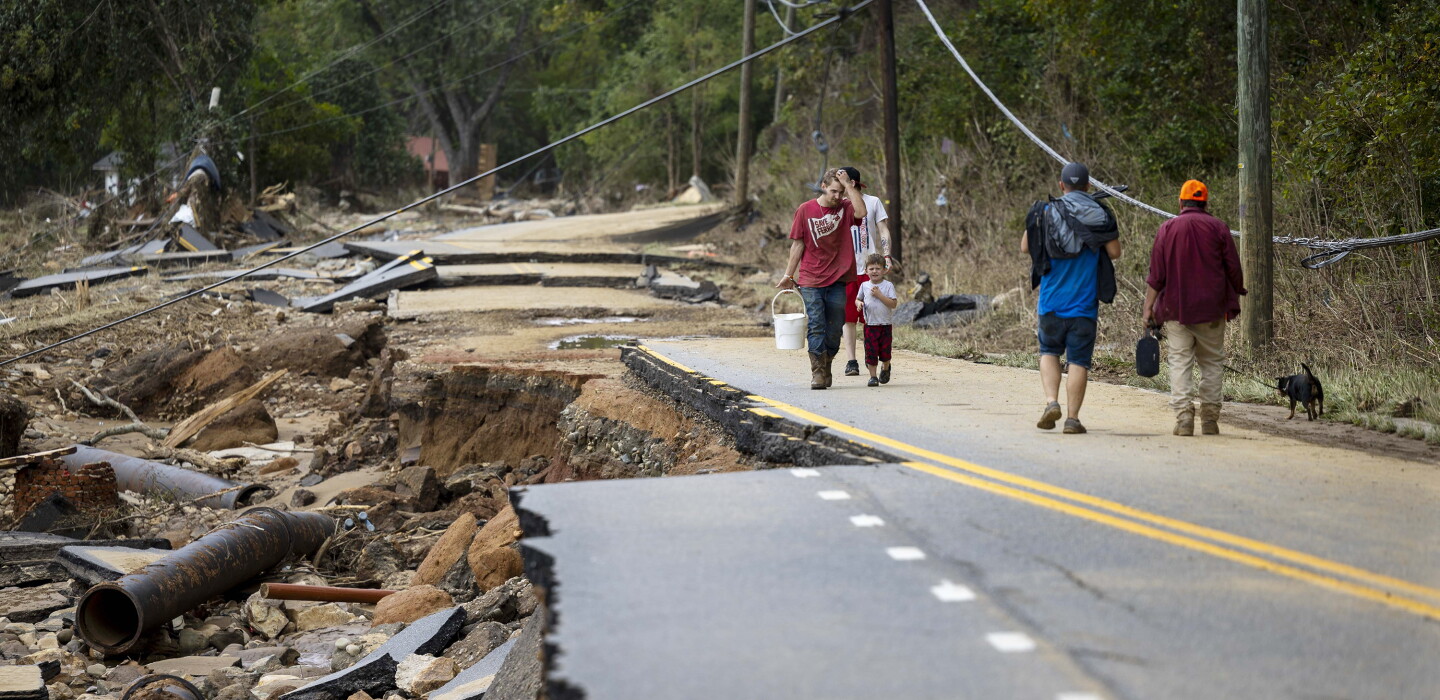
In the Carolinas, ICF drones have conducted rapid damage assessments in a 100-mile zone following Hurricane Helene as part of a geospatial initiative to speed up federal recovery funding requests.
The drones being used in Sudan: 1,000 attacks since April 2023
A visual analysis into the types of drones, sourcing methods, attack locations and the human toll of aerial warfare.

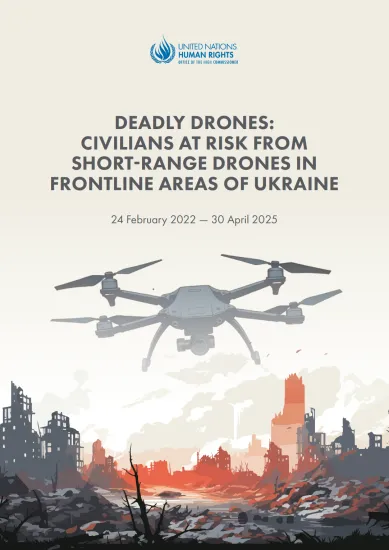
Short-range drone attacks killed 395 civilians, injured 2,635 between February 2022 and April 2025, UN human rights monitors find
The bulletin documents attacks in which drone operators targeted civilians driving private cars, taking the bus, walking outdoors, cycling, providing humanitarian assistance or evacuating civilians, and riding in clearly marked ambulances.
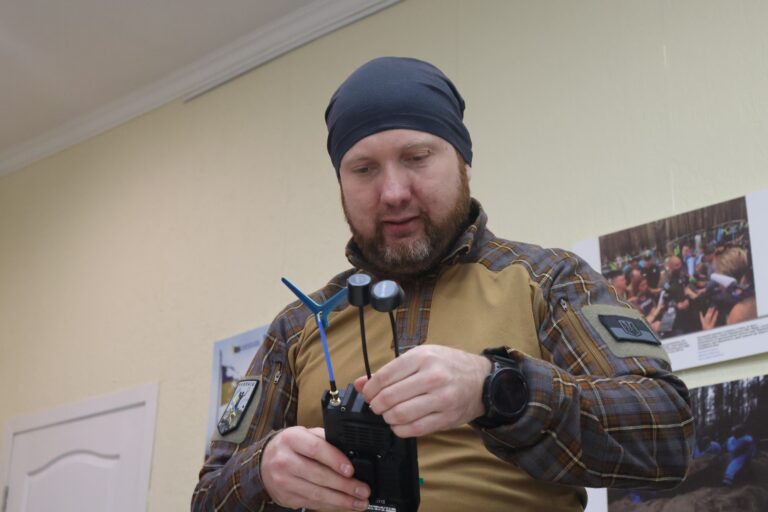
War correspondents given 5 drone detectors – NUJU and Ukrainian manufacturer’s initiative
The sharp increase in drone attacks in frontline areas creates a new, even more dangerous reality for journalists. In response to the escalation of threats
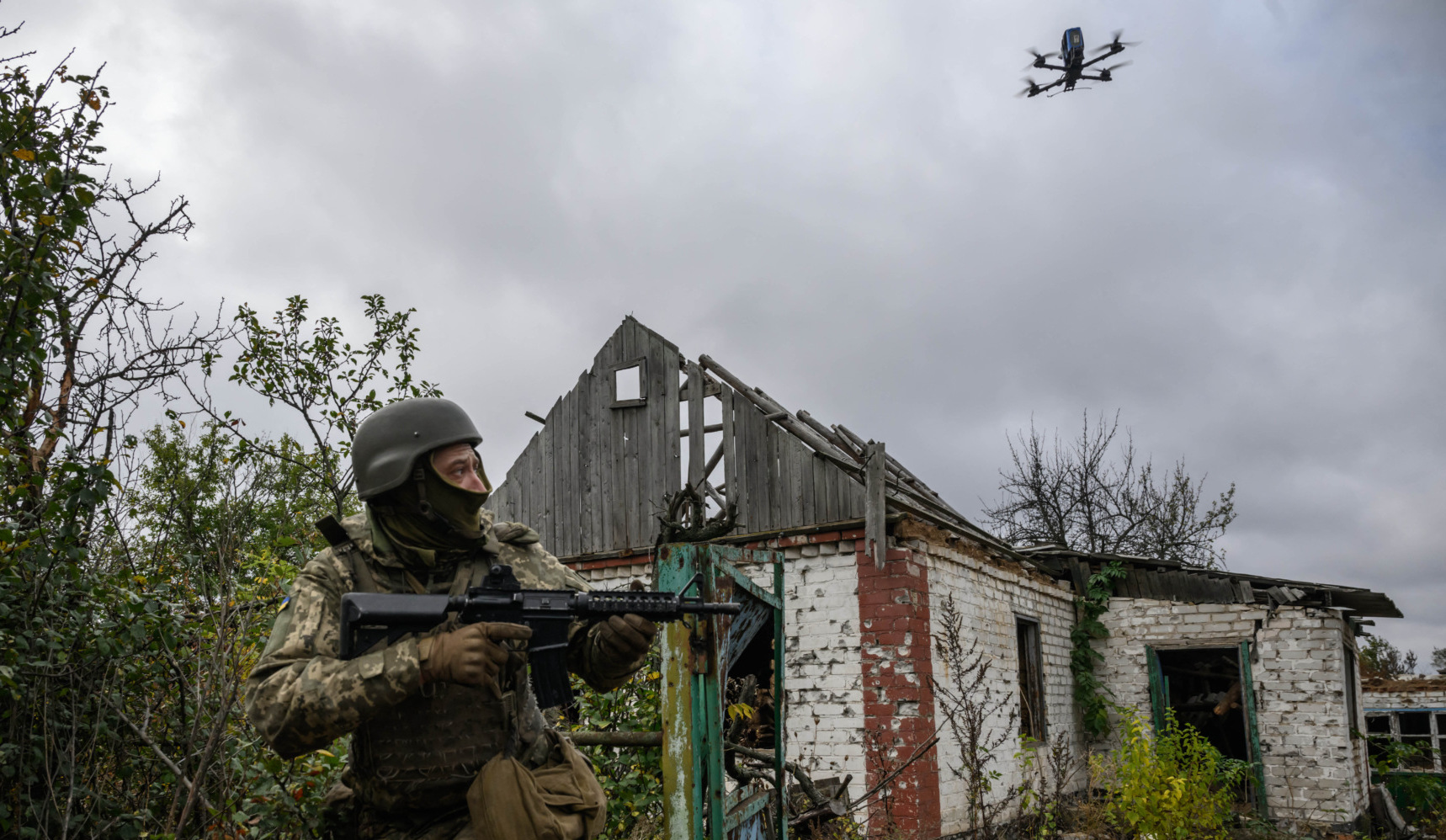
I spent over 100 hours compiling and analyzing 5,000 videos of soldiers trying to escape UAV drones — pulling material from Telegram, Reddit, and other sources. Here is what i found out. There are… | Louis Saillans | 336 comments
I spent over 100 hours compiling and analyzing 5,000 videos of soldiers trying to escape UAV drones — pulling material from Telegram, Reddit, and other sources. Here is what i found out. There are more videos available. But I had to stop at that stage because of the psychological toll. I wanted to understand what factors affect survival when soldiers are targeted by drones. Here’s what the data revealed: A/ 67% survival rate in obstructed environments (buildings, dense forests). Why? Drones are designed for speed and detonation, not collision avoidance. Many simply smash into walls, doors, windows, or get tangled in branches and detonate before hitting their target. B/ 92% death rate in open fields. No matter the escape method — running on foot, driving, riding a motorbike, or sitting on top of an armored vehicle — the drones outpace and outmaneuver almost every attempt to flee in open terrain. C/ Armed vehicles provide some protection, but it’s limited. If a vehicle withstands the initial attack and the crew dismounts, the soldiers’ survival rates revert to the numbers above (depending on the environment). But here’s the biggest discovery I made: => Smoke increases survival rates by 32%. Whether it’s using the smoke from a burning vehicle or deploying a smoke grenade to obscure a forest entrance, smoke acts as a critical cover. It confuses visual tracking systems and gives soldiers a vital edge when escaping drone pursuit. This analysis isn’t just academic — it’s a reminder of the terrifying efficiency of modern drone warfare and the importance of environmental and tactical adaptation on the battlefield. We’re building systems to detect and track drones before they strike — even in environments where visual detection or radar struggles. Our goal: to empower defense forces, critical infrastructure, and public spaces with early warning and real-time situational awareness against drone threats. We’re currently piloting projects in Europe and actively engaging with partners and investors who want to help scale Europe’s counter-drone capabilities. If you want to connect or collaborate, reach out! Research sources: @dronewar @VictoryDrones2023 @dronesukraina @strikedronescompany | 336 comments on LinkedIn

Drones are Changing How Wars Harm Civilians
Drones are rapidly changing war. Without global action, their use will lead to greater civilian harm and expand human suffering in conflict.
The Civilian Impact of Drones: Unexamined Costs, Unanswered Questions | Center for Civilians in Conflict
This joint report from the Center for Civilians in Conflict and Columbia Law School’s Human Rights Clinic is an in-depth look at the US government’s covert drone program and its impact on civilian populations. Our objective is to critically assess US government procedures and standards for ensuring civilian protection and responding to civilian harm from…


Drones Offer Alternative to Balloons For Weather Research - Slashdot
The U.S. company Meteomatics has created an automated weather-monitoring system that uses drones to collect atmospheric data at multiple altitudes before returning to recharge and upload their findings. The so-called Meteobase, which consists of a base station on the ground with a drone that can be ...

Nearly 500 Drones Head Toward Moscow as Russian Data Centers and Oil Facilities Face Attacks
Flight suspensions spread across Moscow’s four airports, while reports of damage and fires emerged from industrial sites in Saratov and Rostov regions.

Frequently Asked Questions: International humanitarian law and the use of drones in armed conflict
The use of uncrewed vehicles in armed conflicts has grown significantly in recent years, raising humanitarian, legal, operational and security concerns. Armed remotely piloted aircraft – commonly known as “drones” – are now central to many military operations. While most drones are unarmed and used for surveillance or civilian purposes (such as disaster response, mapping or aid delivery), public debate has largely focused on armed drones and their impact on civilians.
Recent Developments in Drone Threats to Humanitarians
The threat of drones to humanitarians is a rising concern. High-profile incidents—such as the fatal multiple-strike attack on an aid convoy in Gaza in April 2024—have made this dynamic an even greater priority for risk managers.Global data on this emerging threat is currently defined by the rapid increase and volume of drone attacks perpetrated by Russian forces in Ukraine, and to a lesser extent, Israeli Defense Forces (IDF). In other contexts, like Sudan, Iraq, and Syria, governments are also the primary perpetrators of drone incidents. Nonetheless, the list of drone operators in complex humanitarian settings has increased and diversified since 2022, particularly among organised armed groups (OAGs), driving further interest within the humanitarian community.

The ungoverned sky: Drones and the domestic extremist threat
The combination of easy accessibility and payload potential, and the limitations of domestic counter-drone systems, presents a growing challenge.

Sahel militants turn civilian drones into deadly weapons | ISS Africa
As armed groups shift away from direct confrontations with the military, commercial drones are increasingly used to carry out attacks.
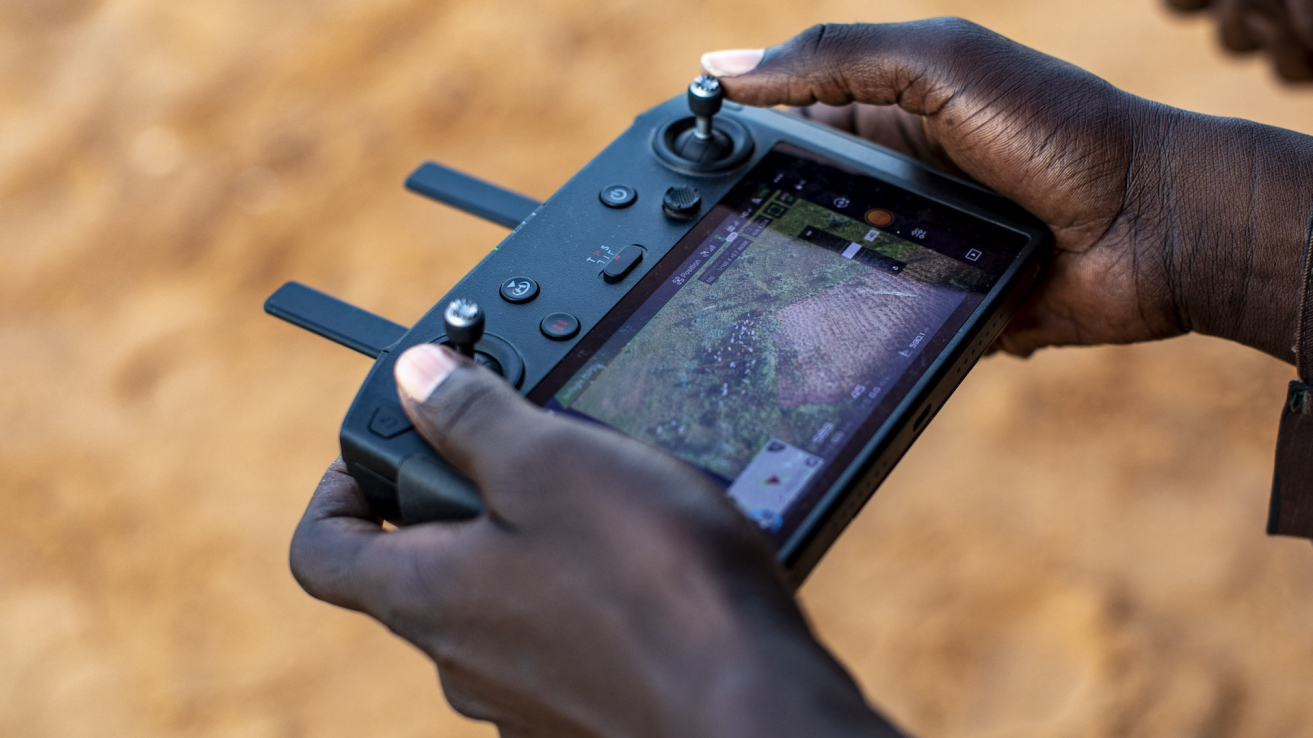
Growing use of deadly drones by Colombian militants terrifies residents
Social media videos verified by NBC News show groups using drones for surveillance, intimidation and bombing campaigns.
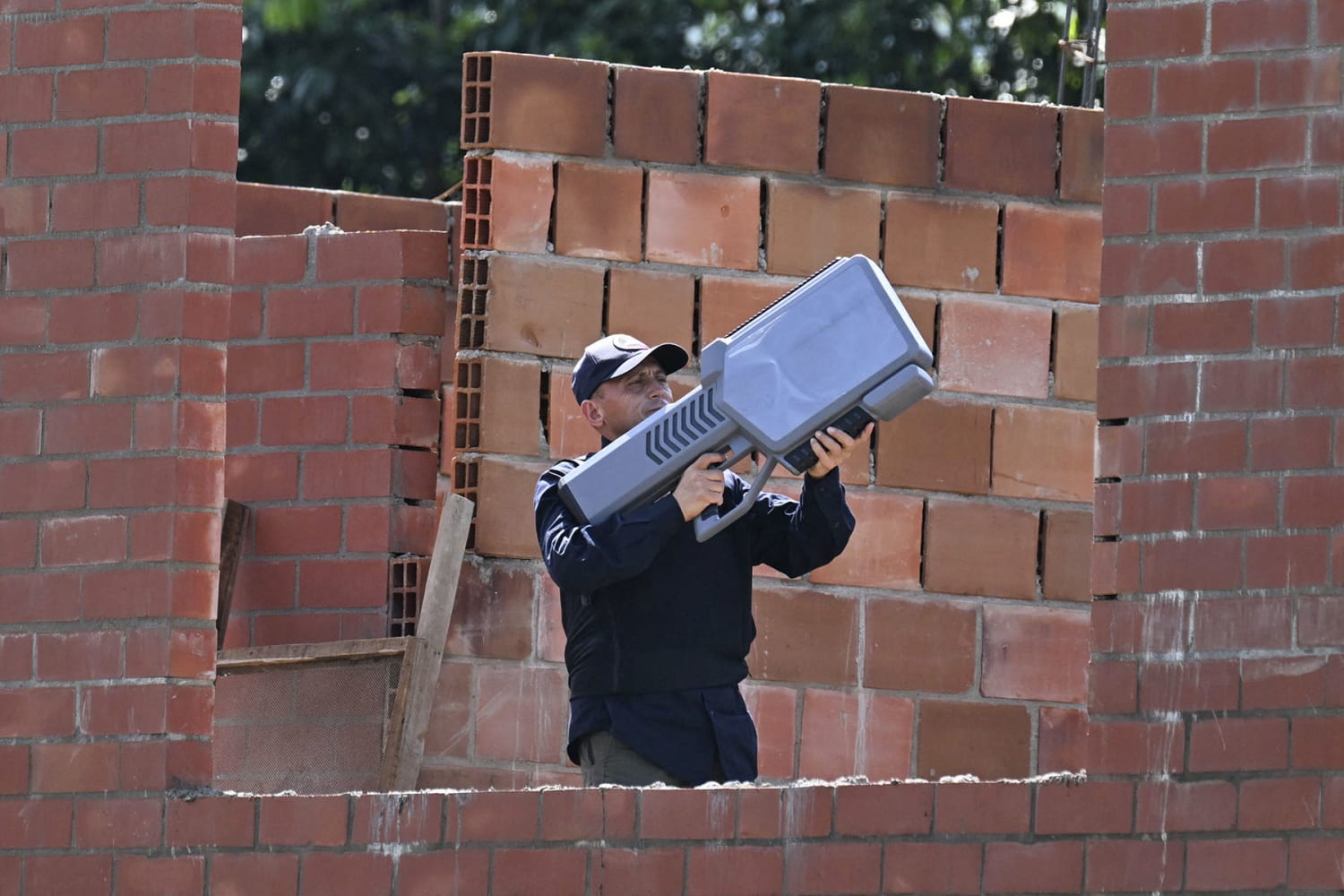
ICRC President criticises drone use in warfare over rising civilian casualties
ICRC President Mirjana Spoljaric Egger warns that drones are being used to deliberately target civilians, eroding international humanitarian law.