As the volume of cultural and scientific works produced and available on the internet continues to expand, the question of freedom to consult and use this immense ‘digital commons’ is becoming a critical one, particularly as cutting off access could entail serious consequences for education, cultural exchange, and even the health of European citizens.
Digital commons
The digital commons refers to shared digital resources—such as software, knowledge, data, and cultural content—that are collectively produced and governed by a community and intended for public use.[1][2] These commons are distinguished by open access, participatory management, and licensing practices that preserve reuse and redistribution. Digital commons play a vital role in areas such as education, research, software development, and civic engagement.
Commons Network
Digital Commons are not only about digital technology, but also about the economy, how it is organised and who it benefits. Digital Commons represent a democratic practice, with shared ownership, thus initiating a shift away from centralised (private or state) management of technology and towards democratisation of digital infrastructure. In this way Digital Commons help guard and reinforce such public values as democracy, self-determination and sovereignty. In the first explainer we put forward how this shift offers numerous opportunities for the Netherlands, or any country that takes Digital Commons seriously. Read the explainer

Is Digital Campaigning Dead?
The Commons is an online library for the change makers of the world and for those interested in social change, activism, organising, advocacy and justice.
Collectief Eigendom
Cultural practices of collective ownership over natural resources have been around for quite some time. Do these ways of working have a digital counterpart? It may seem simple at first. To translate cultural practices of collective ownership into the digital realm, just use a Creative Commons license to allow others to make use of your work, share further modifications, and contribute to the wealth of the digital commons. That’s it. Some stories are just too good to be true.
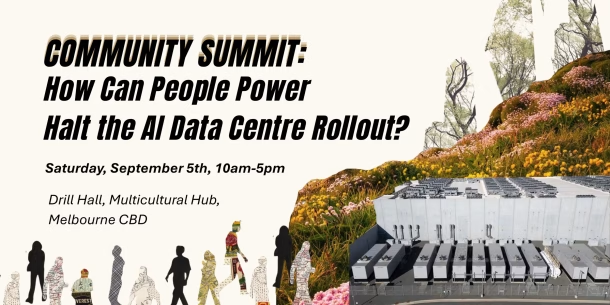
How to Stop a Data Centre in Australia
The Commons is an online library for the change makers of the world and for those interested in social change, activism, organising, advocacy and justice.
The Case for a Public Social Media Platform - JSTOR Daily
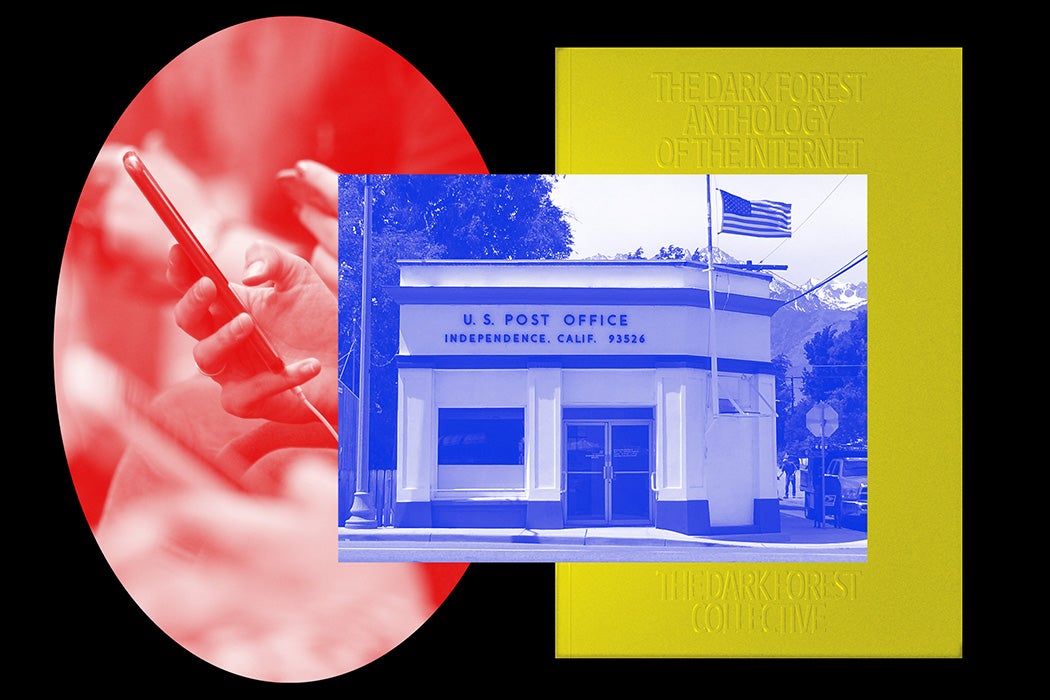
Artist and writer Joshua Citarella explores why corporate platforms corrode democracy—and what a postal-service-style digital commons could do differently.
Unlocking the commons
"The most powerful and interesting media model will remain raising money from members who don't just permit but <em>insist</em> that the product be given away for free."

EU Copyright Law Undermines Innovation and Creativity on the Internet. Mozilla is Fighting for Reform | The Mozilla Blog
Mozilla has launched a petition — and will be releasing public education videos — to reform outdated copyright law in the EU. The internet is a
New to the Commons? | David Bollier
If you’re coming to the commons for the first time, it can be difficult to grok the idea because there are so many different ways to understand the commons. That’s because the commons is not so much a fixed, universal thing as a general concept describing durable, dynamic sets of social relationships for managing resources -- all sorts of resources: digital, urban, natural, indigenous, rural, cultural, scientific, to use some crude categories.
mai ishikawa sutton
My work lies at the intersection of technology and the solidarity economy. I’m passionate about strengthening the digital commons, in which people control and steward communication technologies as collective goods.
Head of copyright committee wants to deny EU creators the right to share - Creative Commons
Over the last few years the European Union has been working on revising its rules on copyright. But the latest proposal from the head of the copyright committee would deny creators the right to refuse remuneration — the right to share a work without getting paid — which could undermine the use of CC licenses…
Reclaiming the Computing Commons
Hunter writes: The commodification and exploitation of nature; the enclosure of the intellectual and informational commons in medicine, agriculture, and other areas of technical knowledge; the expropriation of public space to secure profit-all define an economic system supposedly premised on freedom.
The Digital Life Collective
The Digital Life Collective is an enabler. If you think we should be doing something we're not currently doing, we're here to help you and your project make the change you want to see in the world.
FR#166 – No Change
Many people in Europe see the open social web as a path to digital sovereignty. This week demonstrated a problem: the assumption that European governments actually want to be sovereign.

Today, Europe Lost The Internet. Now, We Fight Back.
Today, in a vote that split almost every major EU party, Members of the European Parliament adopted every terrible proposal in the new Copyright Directive and rejected every good one, setting the
The best free cultural & educational media on the web - Open Culture
Your guide to FREE educational media. Find thousands of free online courses, audio books, textbooks, eBooks, language lessons, movies and more.