


Progress in closing the gender gap in mobile internet adoption across low- and middle-income countries (LMICs) has stalled. While more women are using mobile internet than ever before, their rate of adoption has slowed in the past year and women are now 14% less likely than men to use it. This equates to 235 million […]
Facts and Figures 2023 - The gender digital divide
The percentage of men and women using the Internet.
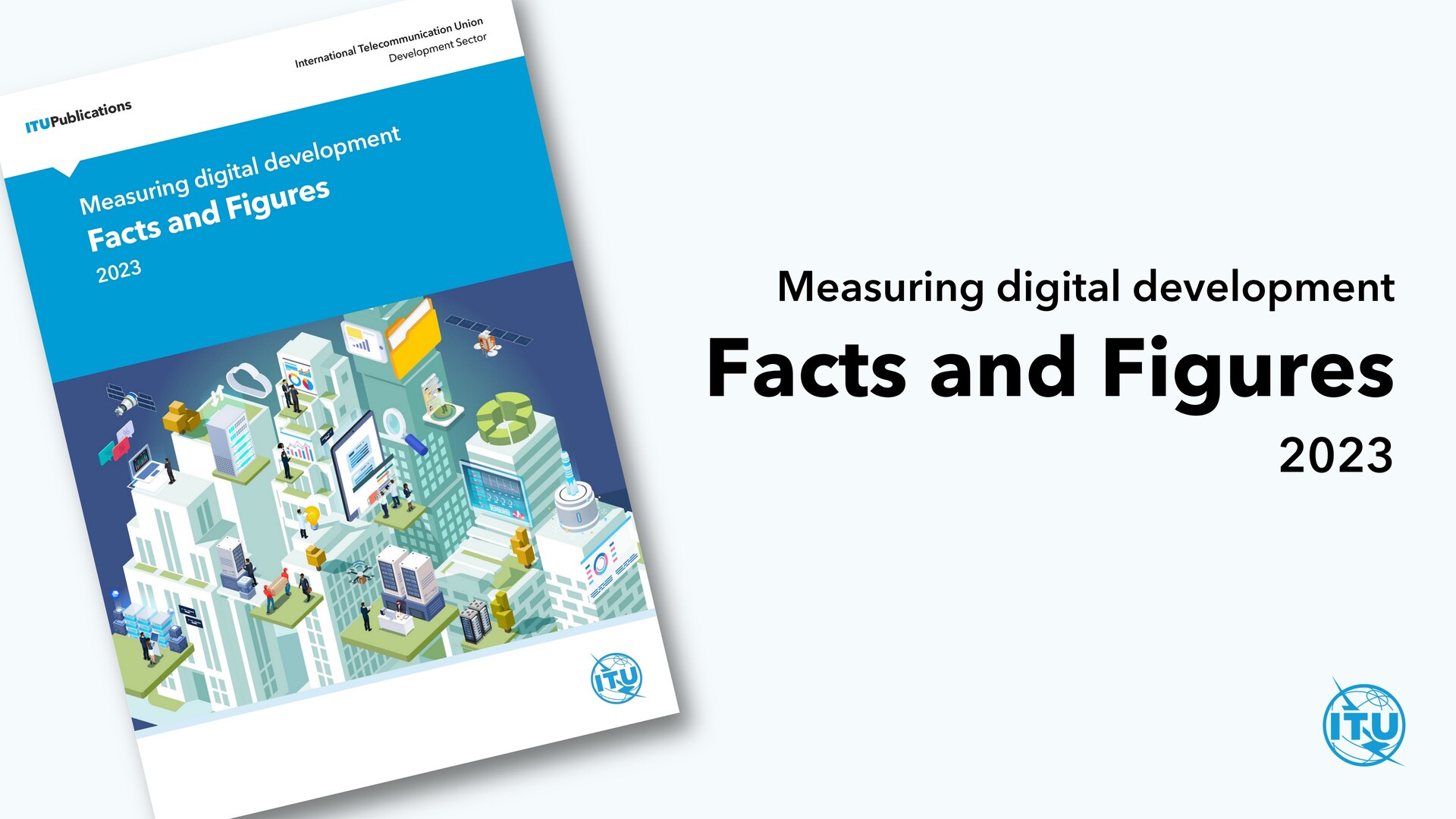
New research reveals "staggering" gender gap in ChatGPT adoption
A study reveals that ChatGPT adoption reflects existing workplace inequalities, with younger, higher-paid men using AI more than women and lower-income employees.

Opinion: A gender gap is emerging in AI adoption, and women risk being left behind
Women appear less inclined to use AI tools, producing a disadvantage they can ill afford

The AI gender gap | Datawrapper Blog
In this Weekly Chart, we examine the gender gap in AI adoption.
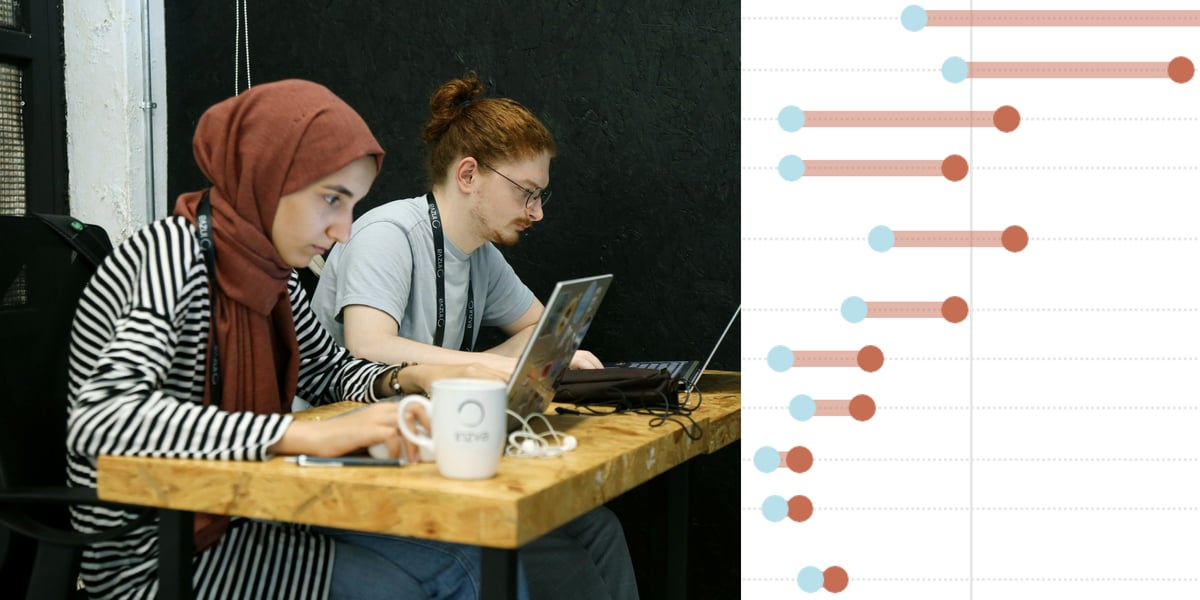
The gen AI gender gap
Data from the Survey of Consumer Expectations shows that 50% of men use generative AI tools, compared to 37% of women. Privacy concerns and perceived opportunities and risks explain a quarter of the gender gap. Respondents’ self-assessed knowledge emerges as the most important factor.
Artificial Intelligence and gender equality | UN Women – Headquarters
The world has a gender equality problem, and Artificial Intelligence (AI) mirrors the gender bias in our society. Although globally more women are accessing the internet every year, in low-income countries, only 20 per cent are connected. The gender digital divide creates a data gap that is reflected in the gender bias in AI.

Global Gender Gap Report 2026
For the past two decades, the Global Gender Gap Index has benchmarked progress towards gender parity across four dimensions: Economic Participation and Opportunity, Educational Attainment, Health and Survival, and Political Empowerment. The index continues to offer a consistent measure of the present state of gender parity, as well as the long-term evolution of global efforts to close the gender gap.

AI adoption higher among men than women: Survey
This large gap — 81.3% compared to 58.8% — stems from the higher representation of women in skilled trades, where AI usage remains extremely low.
Press Release
The world's online population grew by more than 240 million people in 2025, according to Facts and Figures 2025 released today by the International Telecommunication Union (ITU). The new estimates confirm continuing progress in expanding digital connectivity, while pointing to differences in quality that impact how users benefit from Internet use.

Exploring Gender Disparities in Blockchain and Artificial Intelligence (AI) Adoption
Gender disparities in blockchain and artificial intelligence (AI) adoption reveal distinct patterns of technology acceptance, with women showing notably lower e

The gen AI gender gap
Generative artificial intelligence (gen AI) is expected to increase productivity. But if unequally adopted across demographic groups, its proliferation risks exacerbating disparities in pay and job opportunities, leading to greater inequality. To investigate the use of gen AI and its drivers we draw on a representative survey of U.S. household heads from the Survey of Consumer Expectations. We find a significant "gen AI gender gap": while 50% of men already use gen AI, only 37% of women do. Demographic characteristics explain only a small share of this gap, while respondents' self-assessed knowledge about gen AI emerges as the most important factor, explaining three-quarters of the gap. Gender differences in privacy concerns and trust when using gen AI tools, as well as perceived economic risks and benefits, account for the remainder. We conclude by discussing implications for policy to foster equitable gen AI adoption.

Women and AI: The Gender Gap in AI Adoption and Recognition [Data]
Lean In’s survey shows how women are losing out in the AI age. Learn how women and men compare in AI adoption in the workplace, recognition, and more.
Women Worry, Men Adopt: How Gendered Perceptions Shape the Use of Generative AI
Generative artificial intelligence (GenAI) is diffusing rapidly, yet its adoption is strikingly unequal. Using nationally representative UK survey data from 2023 to 2024, we show that women adopt GenAI substantially less often than men because they perceive its societal risks differently. We construct a composite index capturing concerns about mental health, privacy, climate impact, and labor market disruption. This index explains between 9 and 18 percent of the variation in GenAI adoption and ranks among the strongest predictors for women across all age groups, surpassing digital literacy and education for young women. Intersectional analyses show that the largest disparities arise among younger, digitally fluent individuals with high societal risk concerns, where gender gaps in personal use exceed 45 percentage points. Using a synthetic twin panel design, we show that increased optimism about AI's societal impact raises GenAI use among young women from 13 percent to 33 percent, substantially narrowing the gender divide. These findings indicate that gendered perceptions of AI's social and ethical consequences, rather than access or capability, are the primary drivers of unequal GenAI adoption, with implications for productivity, skill formation, and economic inequality in an AI enabled economy.

Women in AI: Numbers Behind the Gender Gap in Tech
How is AI changing the game for women in 2026? From job shifts and personal life-hacks to the rise of female AI founders, explore the unique impact of women in tech today.

FinTech Adoption Across Generations: Financial Fitness in the Information Age
This paper analyzes how better access to financial information via new technology changes use of consumer credit and affects financial fitness. We exploit the introduction of a smartphone application for personal financial management as a source of exogenous variation. FinTech adoption reduces financial fee payments and penalties, but differs cross-sectionally in the population. After adopting the new technology, Millennials and members of Generation X incur fewer financial fees and penalties, whereas Baby Boomers do not benefit from the technological advance. Millennials and Gen Xers save fees by using their credit cards rather than overdrafts to manage short-term liabilities. Moreover, Millennials shift some of their spending to discretionary entertainment, whereas members of Generation X remain more austere. Finally, while men tend to adopt new technology and access information at a higher rate, the economic impact of access is larger for women.

The Second Smartphone Revolution - AVC
Benedict Evans tweeted out this chart yesterday: We sometimes think of the shift to mobile as finished, or almost finished. It isn’t. pic.twitter.com/l5gaiMlaoU — Benedict Evans (@BenedictEvans) March 12, 2016 The first 2.5bn smartphones brought us Instagram, Snapchat, Uber, Whatsapp, Kik, Venmo, Duolingo, and most importantly, drove the big web apps to build world class […]