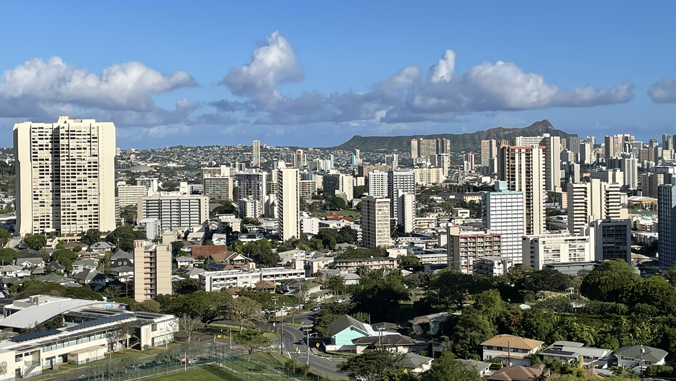
Housing filtering is a process in which new construction sets off a chain of moves that frees up existing homes across the market.
More Housing is Possible: a National Town Hall · Burhan for State Senate
Join Vice Mayor Burhan Azeem and the people behind the Montana Miracle, California’s SB79, and the ROAD to Housing Act to discuss recent wins and what comes next for the housing movement. Speakers will dig into the policy that's moving the needle, the campaigns and organizing that got us here, and how local leadership can turn big ideas into more homes. Expect sharp takes, lively panels, and the collective brainpower of the country's most effective housing advocates in one (virtual) room.

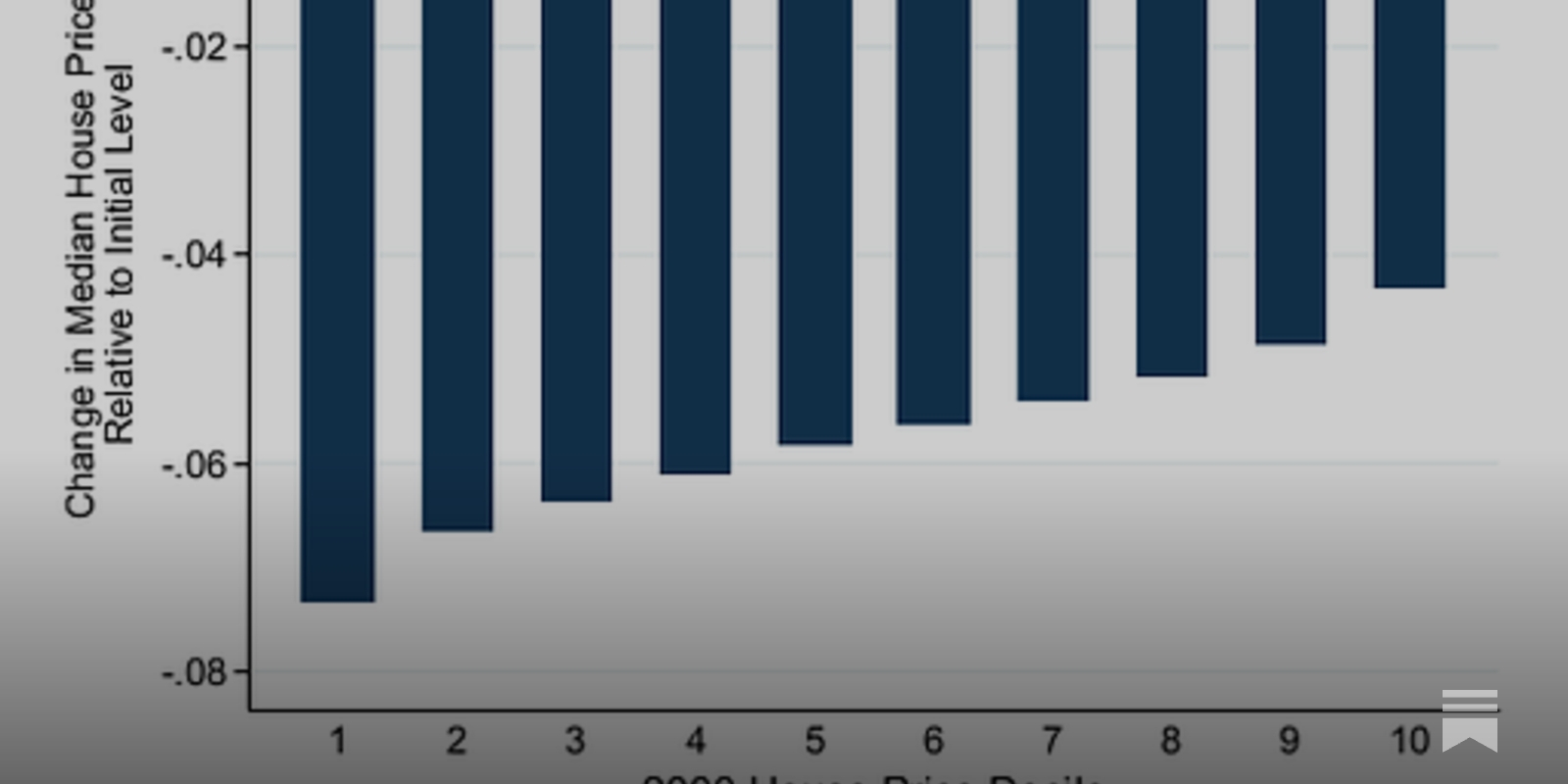
Housing ladder spillovers
Rich newcomers can raise low-end rents, and adding high-end homes can lower them
How buildings learn : what happens after they're built
Originally published: New York, NY : Viking, 1994; Includes bibliographical references (p. 224-229) and index; Flow -- Shearing layers -- "Nobody cares what you do in there": the low road --- Houseproud: the high road -- Magazine architecture: no road -- Unreal estate -- Preservation: a quiet, populist, conservative, victorious revolution -- The romance of maintenance -- Vernacular: how buildings learn from each other -- Function melts form: satisficing home and office -- The scenario-buffered building -- Built for change -- Appendix: The study of buildings in time

The housing theory of everything - Works in Progress Magazine
Western housing shortages drive inequality, climate change, low productivity growth, obesity, and even falling fertility rates.

What the Future of Working at Home May Look Like
Innovative home designs find ways to combine living and work spaces

What Sort of AI Bubble Are We In?
Think broadband. Or, potentially, the 2008 housing market.

Inside Japan’s Disposable Housing Market
In a culture obsessed with newness, no one wants a "used" home—which makes the Japanese real estate market almost unrecognizable to an American.

Housing Data
Note: We make occasional changes to CSV download paths. Monthly data is updated on the 16th of each month and most weekly data is updated every Tuesday. To explore the data, please visit the market explorer dashboard.

The Folk Economics of Housing
Why is housing supply so severely restricted in US cities and suburbs? Urban economists offer two primary hypotheses: homeowner self-interest and political fragmentation. Homeowners, who outnumber and have organizational advantages over renters, are said to lobby against development to protect their property values. The fragmentation hypothesis emphasizes that development's negative externalities are borne locally while most of the benefits accrue regionally or nationally, leading localities to block housing. This paper offers another explanation: ordinary people simply do not believe that adding more housing to the regional stock would reduce housing prices. Across three original surveys of urban and suburban residents, only a minority of respondents say that a large, positive, regional housing supply shock would reduce prices or rents. These beliefs are weakly held and unstable (suggesting people have given the issue little thought), but respondents do have stable views about who is to blame for high housing prices: developers and landlords. Large, bipartisan supermajorities support price controls, demand subsidies, and restrictions on putative bad actors, policies which they believe would be more effective than supply liberalization for widespread affordability. We discuss the implications of these findings for efforts to expand the supply of housing.
Opinion | One City Might Have Just Cracked the Housing Crisis
A large real estate development in the middle of Vancouver, British Columbia, shows how cities can build more housing.

How Andreessen Horowitz Is Disrupting Silicon Valley
Just over the crest of the highest point on Sand Hill Road, amid a cluster of relaxed buildings that could easily pass as residential units…

WikiHouse
WikiHouse is a digitally-manufactured building system that makes it simple for anyone to build beautiful, zero-carbon homes.


Front Street by Brian Barth | East Bay Booksellers
"This heartfelt debut study from journalist Barth offers a window into Silicon Valley’s homeless encampments . . . [An] up-close, multifaceted representation of an unhoused community.
Communities Across the Nation Want to Add Housing. Which Metropolitan Areas Are Adding the Most?
Between 2020 and 2025, four Texas metropolitan areas—Austin, Dallas, Houston, and San Antonio—accounted for 13.3 percent of total US housing supply growth.