

Emergency Operations Center Activation Level LEVEL IV - NORMAL OPERATIONS This activation level means the Office of Emergency Management (OEM) is conducting normal day-to-day activities and the Emergency Operations Center is not activated. PREPARE RESPOND RECOVER PREPARE RESPOND RECOVER Register for Emergency Alerts Register for Emergency Alerts × Timely information during emergencies is important. AlertHouston
Offices of Emergency Management
While individual preparedness is vital, no one can prepare alone. Just as Ready Houston urges everyone to Make a Plan, Build a Kit, Stay Informed, and Know Your Neighbors, we would like to introduce you to our neighbors and partners in regional preparedness.
Emergency Alerts
Don’t live or work in Houston? Visit your local emergency management agency’s website to sign up for alerts in your area.
Evacuation terms can be confusing. Here’s what they mean and how to sign up for alerts
Not all emergency agencies use the same language. Here’s your rundown on how evacuation orders work

Houston Emergency Preparedness - With support from Resilient Cities Catalyst
Call Houston 311: From warming and cooling center information to traffic fines and sewer concerns to pothole problems and neighborhood complaints, Houstonians can call 311 and speak to one of our highly trained Agents. From outside the City of Houston, callers simply dial 713-837-0311. Agents are available 24/7 to answer your calls.
Local Officials Don’t Always Send IPAWS Emergency Alerts Before Disasters — ProPublica
ProPublica has identified at least 15 major disasters since 2016 in which officials in the most-harmed communities failed to use a federal system to send emergency alerts to residents — or waited until it was too late.

Houston TranStar - Greater Houston Transportation and Emergency Management Center
Summary: The Houston TranStar consortium is a partnership of four government agencies that are responsible for providing Transportation Management and Emergency Management services to the Greater Houston Region. This video highlights the activities that TranStar is responsible for in the region and provides insight into some of the benefits that TranStar generates for the traveling public.
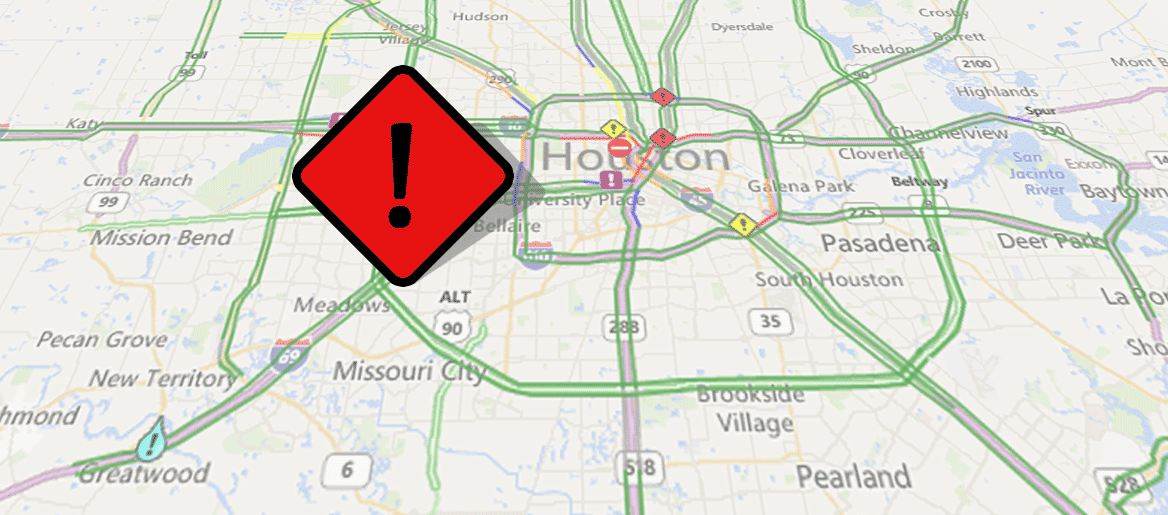
Operation Metro Surge
Operation Metro Surge was an operation by United States Immigration and Customs Enforcement (ICE) and Customs and Border Protection (CBP) with the stated purpose of apprehending undocumented immigrants and deporting them. Beginning in December 2025, it initially targeted the Twin Cities, and later expanded to all of Minnesota. The Department of Homeland Security (DHS) called it "the largest immigration enforcement operation ever carried out".

What is Observability (o11y)? And Why Ops Teams Need It Now
Observability for modern ops: correlation across metrics, logs, traces, and events to cut MTTR, curb alert fatigue, and connect service health to business.

Alerta Comunitaria: Detenciones de Inmigrantes en Aeropuertos
Esta alerta comunitaria ofrece consejos de seguridad para viajar y otros recursos para que usted y su familia puedan comprender los riesgos y prepararse.
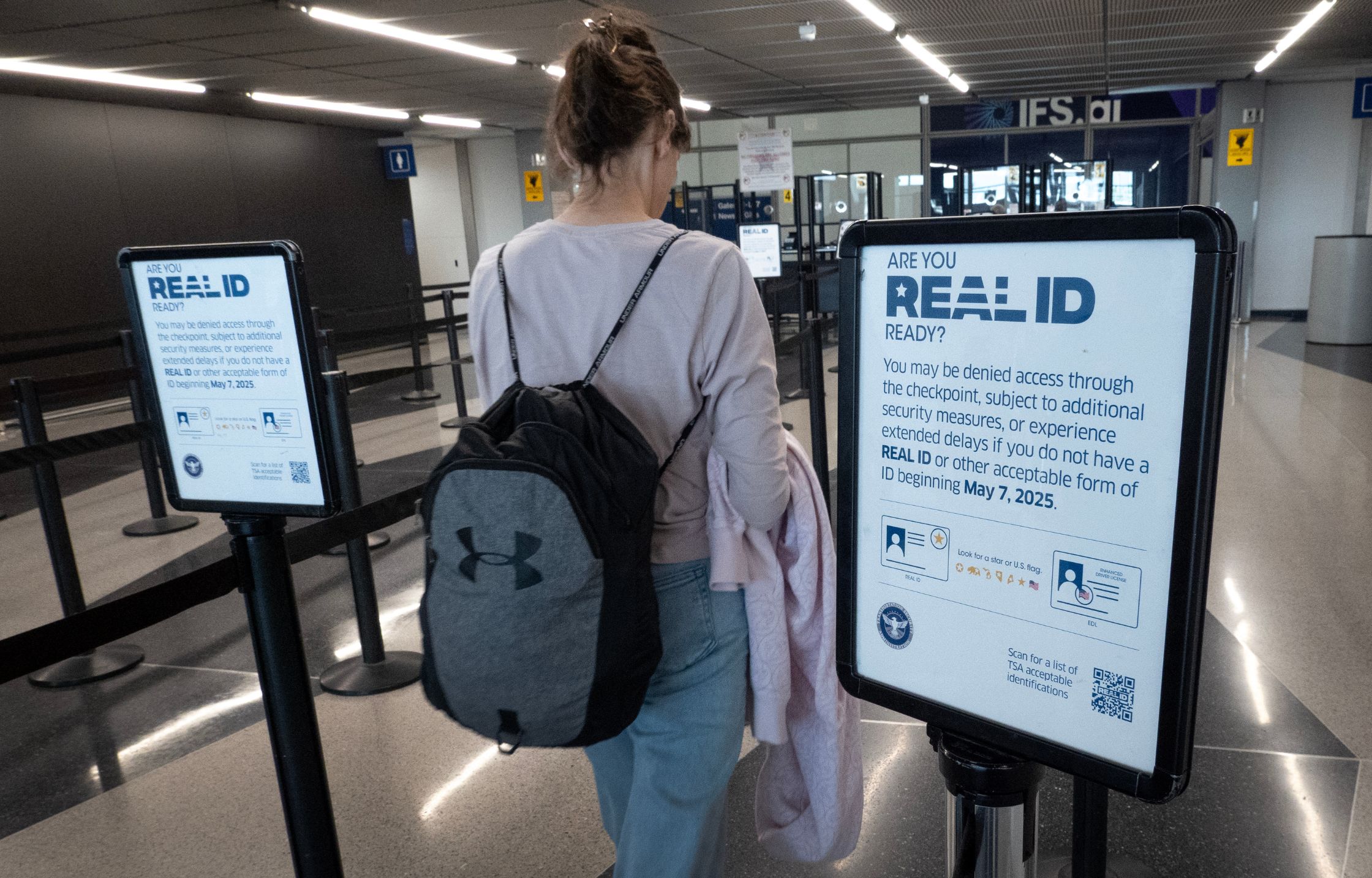
The Signal Code: A Human Rights Approach to Information During Crisis | Harvard Humanitarian Initiative
The Signal Code is the result of a six month study by the Signal Program on Human Security and Technology at the Harvard Humanitarian Initiative (HHI) at the Harvard T.H. Chan School of Public Health to identify what human rights people have to information during disasters. The Signal Code identifies five rights from multiple sources of international human rights and humanitarian law and standards that already exist and apply to humanitarian information activities (HIAs).
Listen to 911 Calls From Inside an Immigration Detention Center — ProPublica
Reporters don’t have access to Camp East Montana, one of the largest immigration detention centers in the country. Emergency calls from the Texas facility offer a glimpse of unfolding crises faced by those locked inside, with few ways to get help.

Basic Online Safety Expectations | eSafety Commissioner
The Expectations are a key element of the Online Safety Act that help to protect Australians from online harm.
Ukraine trains civilians and journalists to survive under drone attacks
Public administrations and NGOs are preparing citizens in risk zones with action manuals and survival courses
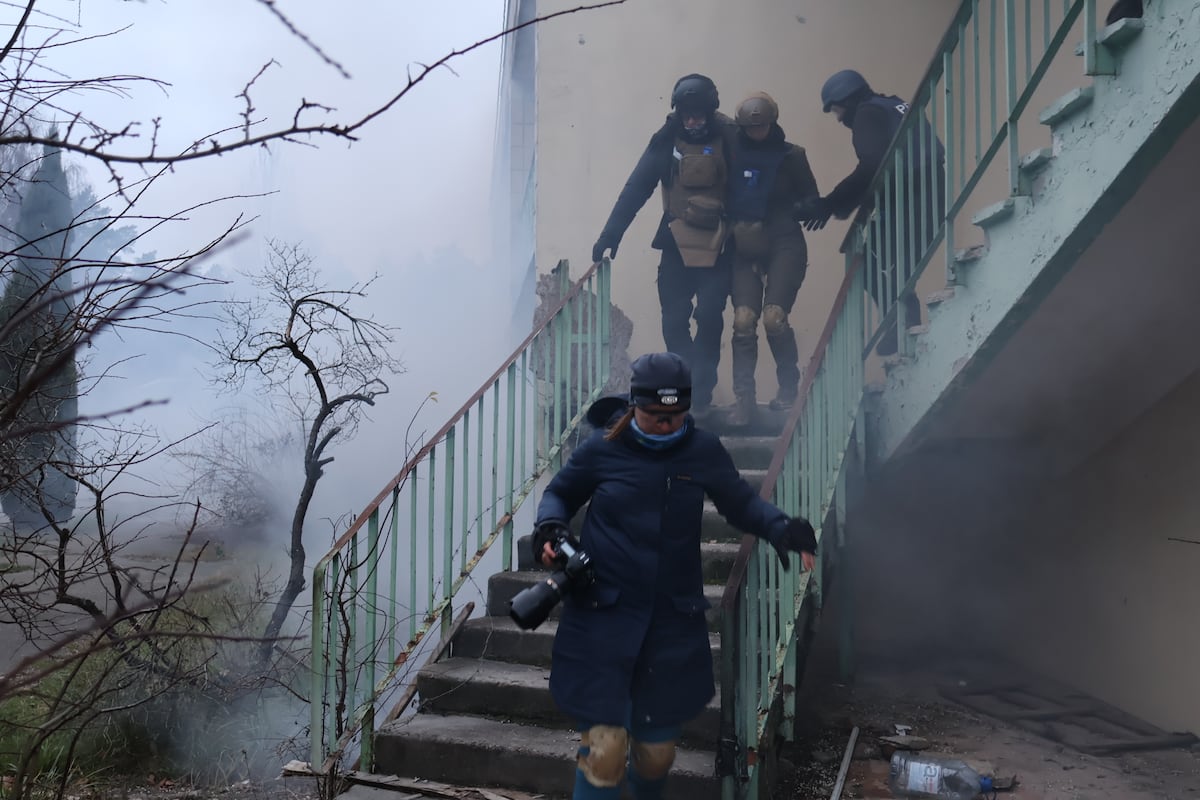
Ukraine trains civilians and journalists to survive under drone attacks
Public administrations and NGOs are preparing citizens in risk zones with action manuals and survival courses
Department of Homeland Security AI Use Case Inventory
All data presented in this tracker is drawn directly from the DHS AI Use Case Inventory published by the Department of Homeland Security. The information is reproduced as provided in the source file and has not been independently verified, including statements on safety and impact. This presentation may contain errors or omissions. Users should consult the original DHS source file for authoritative data. The comparison view identifies differences between the 2024 Inventory July Revision and 2025 Inventory releases; some field differences reflect changes in the reporting format rather than substantive changes to the use cases.